
Childcare Invoice Template
Free invoice templates for childcare providers, babysitters, daycare centres, nannies, after-school care services, preschool support providers, and home-based childcare businesses. Download and edit in PDF, Word, Excel, Google Docs, or Google Sheets.
Use this template to bill for childcare hours, daily care, weekly care, babysitting, meals, supplies, late pickup fees, transportation, deposits, taxes, discounts, and payment terms in a clear and professional way.
Download the App
Create, send and manage invoices on the go.


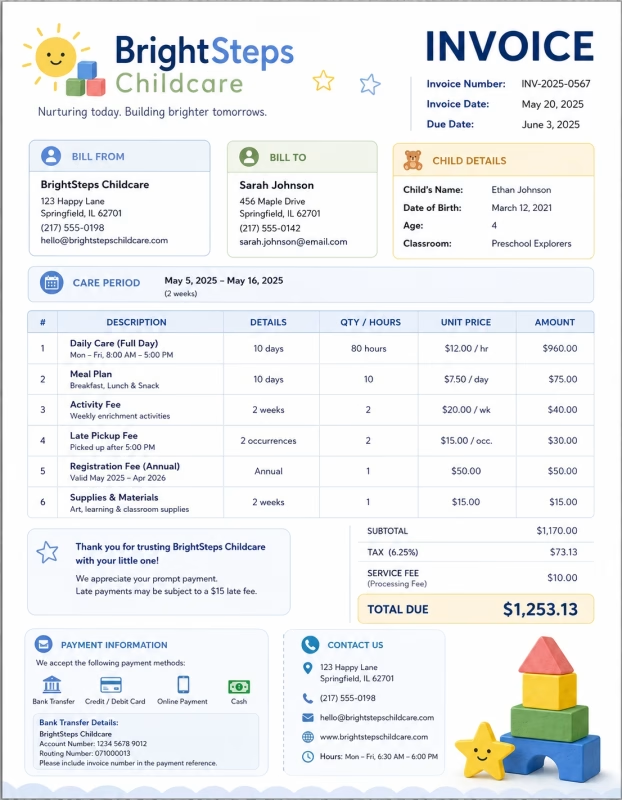
Download Free Childcare Invoice Templates
Download a template, then edit it in PDF, Word, Excel, Google Docs, or Google Sheets. Print it, save it, or send it to the parent or guardian when the childcare service is complete or when a billing period ends.
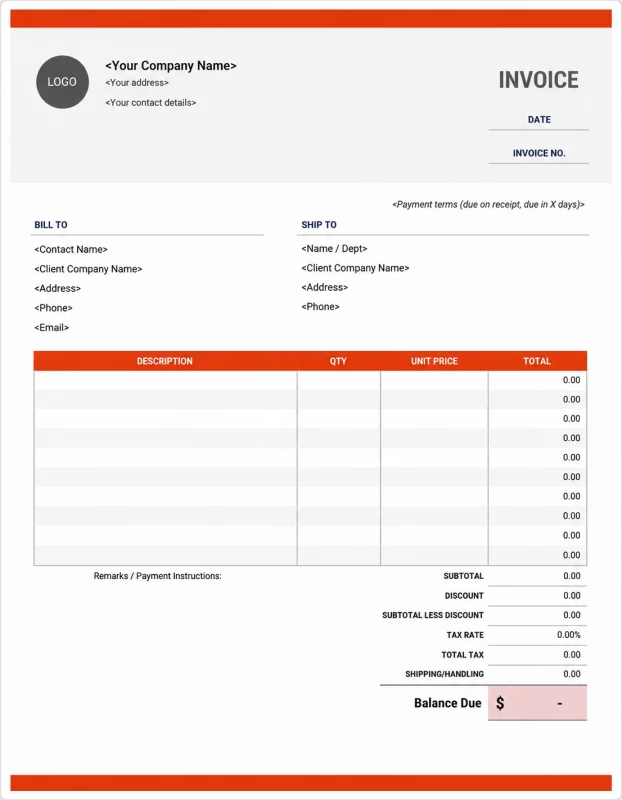


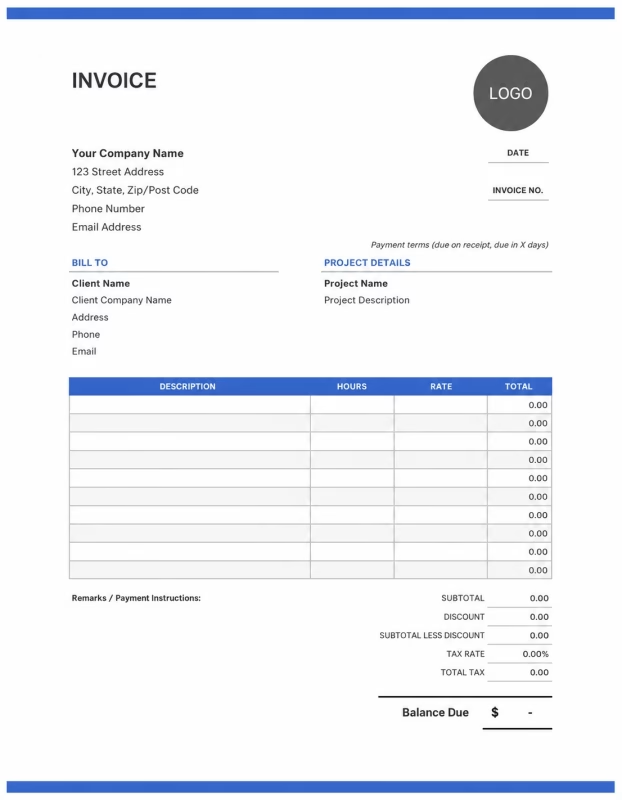
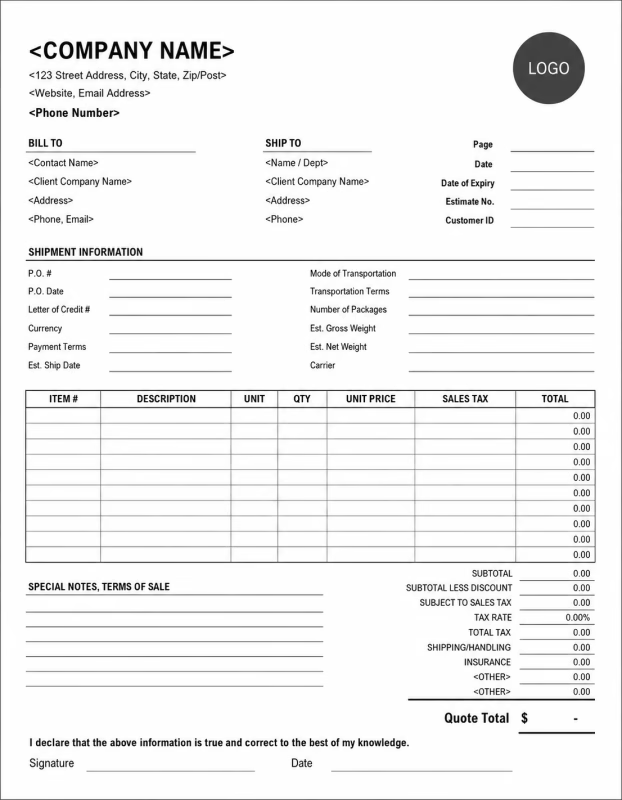
Use these templates for babysitters, daycare providers, nannies, preschool care providers, after-school care services, weekend childcare, summer childcare programmes, and home childcare businesses.
View our complete selection of invoice templates for a variety of businesses and industries.
How to Invoice for Childcare Work
A good childcare invoice should clearly show the parent or guardian details, child’s name, care dates, service hours, rate, extra fees, deposits, taxes, and payment terms.
In 5 Steps:
- Confirm the parent or guardian details, child’s name, care schedule, hourly or daily rate, meal needs, pickup times, and agreed pricing before providing care.
- Record completed childcare hours, care dates, daily visits, babysitting time, after-school care, meals provided, and any approved extra services.
- Track childcare costs such as meals, snacks, diapers, wipes, activity supplies, transportation, late pickup fees, and weekend or holiday care.
- Calculate hourly care, daily care, weekly care, extra services, supplies, discounts, deposits, taxes if applicable, and the final balance due.
- Send the invoice with payment options, due date, care notes, billing period, pickup notes, and any remaining balance instructions.
With Invoize, you can create childcare invoices faster, save parent details, reuse common care services, add recurring charges, and track payments from your phone.
What to Include in a Childcare Invoice
A professional childcare invoice should include the details needed to identify the parent, child, care period, services, charges, and payment terms.
Invoice and Parent Details
-
✓
Invoice number Helps track the invoice, payment record, and childcare billing history.
-
✓
Parent or guardian details Shows who booked the childcare service and who is responsible for payment.
-
✓
Childcare provider details Shows which babysitter, nanny, daycare, or childcare business provided the service.
-
✓
Child’s name Connects the invoice to the correct child, family, or care account.
-
✓
Care dates or billing period Shows which days, week, month, or care period the invoice covers.
Childcare Service Details
-
✓
Care schedule Shows whether the service was hourly, daily, weekly, after-school, weekend, or full-time care.
-
✓
Service description Explains the care provided, such as babysitting, daycare, nanny care, preschool support, or homework help.
-
✓
Hours, days, or sessions Shows how the childcare charge was calculated.
-
✓
Rate or fixed fee Shows the agreed hourly rate, daily rate, weekly rate, session fee, or fixed childcare price.
-
✓
Extra care charges Shows late pickup, overtime, weekend, holiday, or special care charges outside the regular schedule.
Payment and Final Notes
-
✓
Supplies and extra fees Lists meals, snacks, diapers, wipes, activities, learning materials, transportation, or field trip fees.
-
✓
Discounts or previous payments Shows credits, deposits, or amounts already paid before the final balance.
-
✓
Total amount due Shows the final amount the parent or guardian needs to pay.
-
✓
Payment due date and methods Tells the parent or guardian when payment is expected and how they can pay.
-
✓
Care notes or payment terms Records late pickup rules, recurring billing terms, deposit rules, cancellation notes, or care instructions.
Billing Scenarios for Childcare Providers
Use clear invoice labels so parents understand the type of childcare service, care hours, extra fees, recurring charges, and final amount due.
| Scenario | Invoice line items | Best used for | How to describe it |
|---|---|---|---|
| Hourly babysitting | Care hours, hourly rate, evening care, meals, travel fee | Short childcare bookings, evening babysitting, weekend care, or occasional parent support. | Show the care date, start time, end time, total hours, and hourly rate clearly. |
| Daily childcare | Daily care fee, meals, snacks, supplies, activity fee | Full-day care, home childcare, daycare visits, or regular weekday childcare. | List the care dates, daily rate, child’s name, and any meals or supplies included. |
| Weekly or monthly daycare billing | Care period, weekly fee, monthly fee, meals, supplies, discounts | Recurring childcare, daycare centres, home-based care, preschool support, or long-term care plans. | Show the billing period, number of care days, recurring rate, and remaining balance due. |
| After-school care | After-school supervision, homework help, snack fee, pickup fee | School-age children needing care after school, homework support, or supervised activities. | Show the school days covered, service hours, pickup details, and any snack or activity charges. |
| Nanny service | Nanny hours, hourly or weekly rate, child care tasks, transportation, meals | In-home childcare, regular family nanny work, part-time nanny care, or private childcare support. | List the service period, hours worked, care duties completed, and any approved extra tasks. |
| Late pickup or extra care | Late pickup fee, overtime hours, extra meal, extended care fee | Care that continues beyond the agreed pickup time or scheduled service hours. | Show the extra time, late pickup rate, reason for added care, and updated total clearly. |
☝️ Create your first invoice in seconds.
Common Charges and Fees for Childcare Providers
Itemize childcare charges clearly so parents can see care hours, daily rates, meals, supplies, late fees, deposits, taxes, and any extra costs.
| Charge or service | Unit | When to use | How to show it |
|---|---|---|---|
| Hourly childcare | Hour | Use when billing for babysitting, nanny care, evening care, or flexible childcare hours. | Show hours worked multiplied by the hourly rate with the care date listed. |
| Daily care fee | Day | Use when charging a fixed amount for each full day or half day of childcare. | List the care dates, number of days, and daily rate clearly. |
| Weekly or monthly care fee | Week or month | Use for recurring daycare, nanny care, preschool support, or regular childcare plans. | Show the billing period, included days, and recurring amount. |
| After-school care | Session, day, or week | Use when providing care after school hours, homework support, or pickup supervision. | Show the service dates, care hours, and after-school rate. |
| Meal or snack fee | Meal, day, or child | Use when meals, snacks, drinks, or lunch support are provided and billed separately. | List meal or snack charges separately from the regular care fee. |
| Supplies fee | Item, day, or fee | Use when charging for diapers, wipes, craft supplies, learning materials, activity items, or care products. | Show supply names, quantities, or a simple supply fee when useful. |
| Transportation or pickup fee | Trip, mile, kilometer, or fee | Use when providing school pickup, drop-off, activity transport, or travel support. | Show transportation separately from the childcare service fee. |
| Late pickup fee | Minute, hour, or fee | Use when a parent or guardian picks up the child after the agreed time. | Show the extra time and late pickup rate clearly. |
| Weekend or holiday care | Session, day, or fee | Use when care is provided outside regular weekday hours or on holidays. | Add a clear label so the parent understands why the extra fee applies. |
| Registration or deposit fee | Fee or credit | Use when a parent pays to reserve a place, start care, or secure future childcare dates. | Show the deposit or registration fee separately and note whether it is applied to the balance. |
| Tax | Percentage or amount | Use when tax applies to childcare services, supplies, or extra fees based on local rules. | Show tax before the final total so the parent can see how the balance was calculated. |
| Previous payment or credit | Credit | Use when the parent has already paid part of the invoice or has an account credit. | Subtract it from the invoice total and show the remaining balance due. |
Create a free account and save hourly rates, daily care fees, parent details, child details, and common childcare charges once, so nothing gets retyped.
Common Childcare Invoicing Mistakes
Childcare work can include care dates, child details, hourly care, daily care, meals, supplies, late pickup fees, recurring billing, and parent notes. Missing details can confuse parents or delay payment. Avoid these common mistakes.
| Mistake | Why it causes problems | How to fix it |
|---|---|---|
| Not listing the child’s name | The invoice may be hard to match with the correct family account, especially when caring for more than one child. | Add the child’s name to every childcare invoice. |
| Not showing care dates clearly | The parent may not know which days, week, or month the invoice covers. | Add the care dates, billing period, or visit dates clearly. |
| Combining all charges in one line | The total may look unclear because the parent cannot see care fees, meals, supplies, late fees, and credits separately. | Separate childcare hours, daily fees, meals, supplies, transportation, late pickup fees, deposits, and taxes into clear line items. |
| Not showing hours or rate | The parent may question the charge if the care time and rate are not visible. | Show start time, end time, total hours, hourly rate, or daily rate when useful. |
| Forgetting extra care or late pickup fees | Extra charges may look unexpected if they are not explained. | Add late pickup, overtime, weekend care, or holiday care as separate line items. |
| Leaving out meals or supplies | The parent may not understand why food or supply charges were added. | List meals, snacks, diapers, wipes, activities, or supplies separately when billed. |
| Not recording deposits or previous payments | The final balance may look higher than expected. | Show deposits, advance payments, partial payments, or credits before the balance due. |
| Leaving out recurring billing details | The parent may not know whether the invoice is weekly, monthly, or for a specific care period. | Add the billing period, schedule, included days, and recurring rate clearly. |
| Not adding payment terms | The parent may not know when or how to pay. | Add due date, accepted payment methods, late payment terms, and any childcare payment policy notes. |
| Not keeping invoice records | Tracking payments, care dates, parent accounts, deposits, and service history becomes harder. | Keep a copy of every childcare invoice for your business records. |
More Invoice Templates You May Like
Choose the invoice format that best fits your client's needs.
Professional invoice templates for coaching services, personal development sessions, training programs, and client billing workflows.
Professional invoice templates for counseling services, therapy sessions, mental health support, and client billing workflows.
Professional invoice templates for courier services, parcel delivery, logistics handling, and shipment billing workflows.
Childcare Invoice FAQs
Line items for daily care, hourly care, weekly fees, meals, supplies, late pickup charges, sibling care, deposits, and final payment. Built for daycare centers, home childcare providers, babysitters, nannies, and preschool care providers using the Childcare Invoice Template.
How should I show childcare hours on an invoice?
List the care dates, number of hours, hourly rate, and total amount clearly. Example: “Childcare service: 5 hours × $18/hr = $90” or “After-school care: 3 days × $25/day = $75.” This helps parents understand how the care cost was calculated.
What child details should be included on a childcare invoice?
Include the child’s name, care dates, service period, parent or guardian name, and type of care provided. Example: “Child: Emma Johnson, care period: May 1–May 5, service: full-day daycare.” This connects the invoice to the correct child and billing period.
How do I invoice for weekly or monthly childcare?
Show the billing period, rate, number of days or weeks, and total amount. Example: “Weekly childcare: 5 days × $45/day = $225” or “Monthly daycare fee: June care plan: $850.” This works well for regular childcare arrangements.
Should meals, snacks, or supplies be listed separately?
Yes, if they are not included in the main childcare fee. Example: “Lunch and snacks: 5 days × $6 = $30” or “Diapers and wipes supply fee: $18.” This helps parents see which extra items were charged.
Can I charge for late pickup?
Yes. Late pickup fees should be shown as a separate line item with the time or rate. Example: “Late pickup fee: 20 minutes × $1/minute = $20.” This keeps the extra charge clear and separate from regular childcare fees.
How should I bill for sibling care?
List each child separately or show the sibling discount clearly. Example: “Child 1 weekly care: $225,” “Child 2 weekly care: $200,” and “Sibling discount: -$25.” This makes the family’s total easier to review.
How do I show deposits or registration fees?
Show the registration fee, deposit paid, and remaining balance if needed. Example: “Registration fee: $50,” “Childcare deposit received: $100,” and “Balance due for first week: $225.” This helps track payments before care begins.
What payment terms should a childcare invoice include?
Include the due date, accepted payment methods, late payment policy, cancellation policy, and any absence rules. Example: “Payment due every Friday before the next care week. Late payments may include a fee. Missed days may still be billed according to the childcare agreement.”
Used by Businesses Around the World
From freelancers to growing companies, Invoize helps businesses create professional invoices, manage billing, and get paid faster.







Create and Send Professional Invoices in Seconds
Invoize helps freelancers and businesses create, manage, and send invoices easily
from anywhere without complicated accounting software.
- Smart Invoice Management
- Expense & Payment Tracking
- Secure Local Data Storage






★★★★★
Trusted by 1400+ Business Owners