
Music Teacher Invoice Template
Free invoice templates for music teachers, private music tutors, vocal coaches, piano teachers, guitar teachers, online music instructors, music schools, and lesson providers. Download and edit in PDF, Word, Excel, Google Docs, or Google Sheets.
Use this template to bill for private lessons, group classes, online music lessons, lesson packages, recital preparation, instrument coaching, learning materials, cancellation fees, taxes, discounts, deposits, and payment terms in a clear and professional way.
Download the App
Create, send and manage invoices on the go.


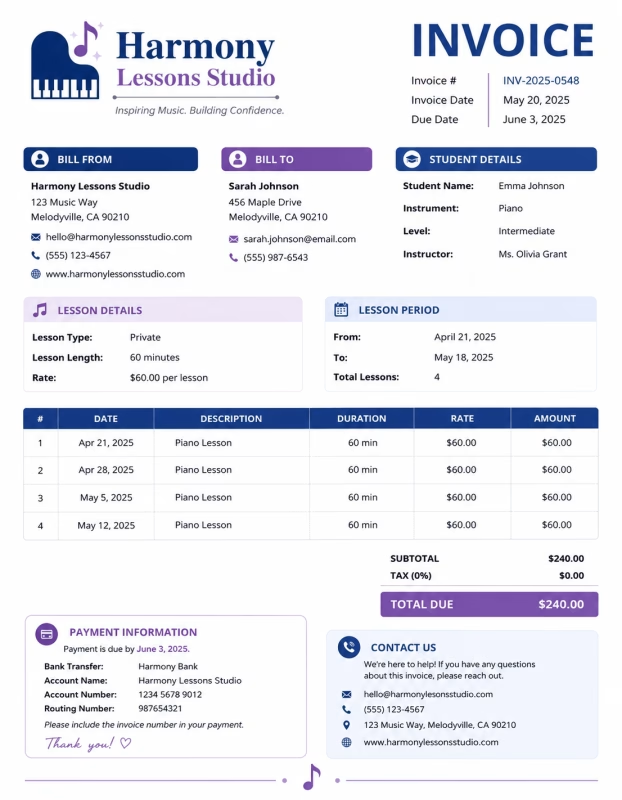
Download Free Music Teacher Invoice Templates
Download a template, then edit it in PDF, Word, Excel, Google Docs, or Google Sheets. Print it, save it, or send it to the student, parent, or client when the music lesson is complete or when a billing period ends.
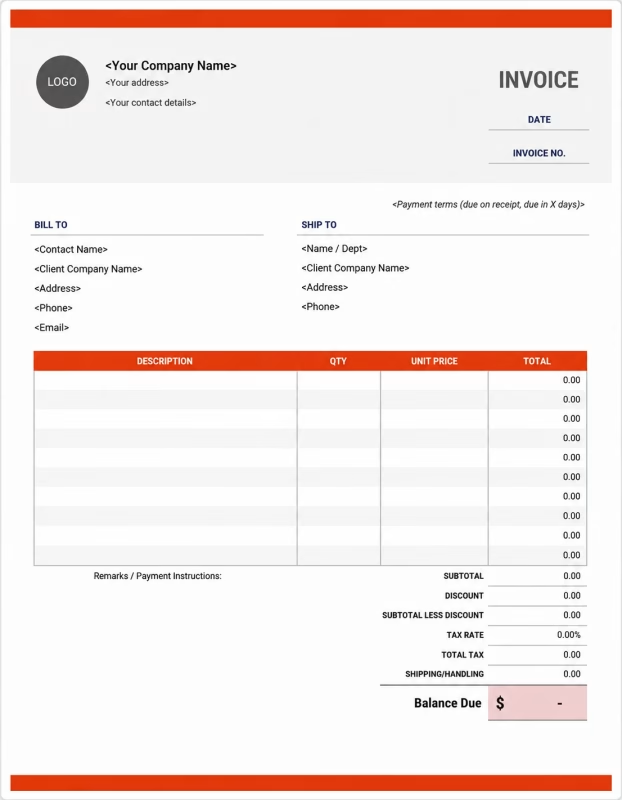


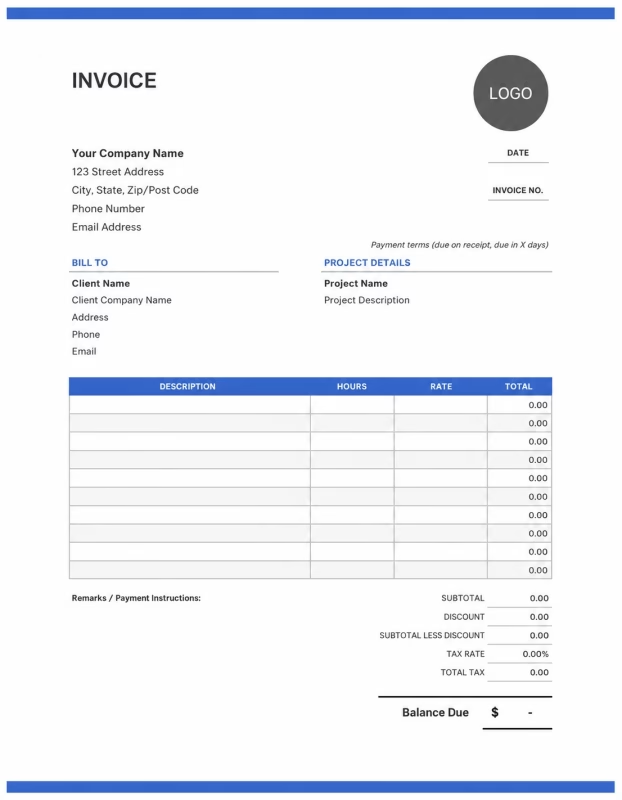
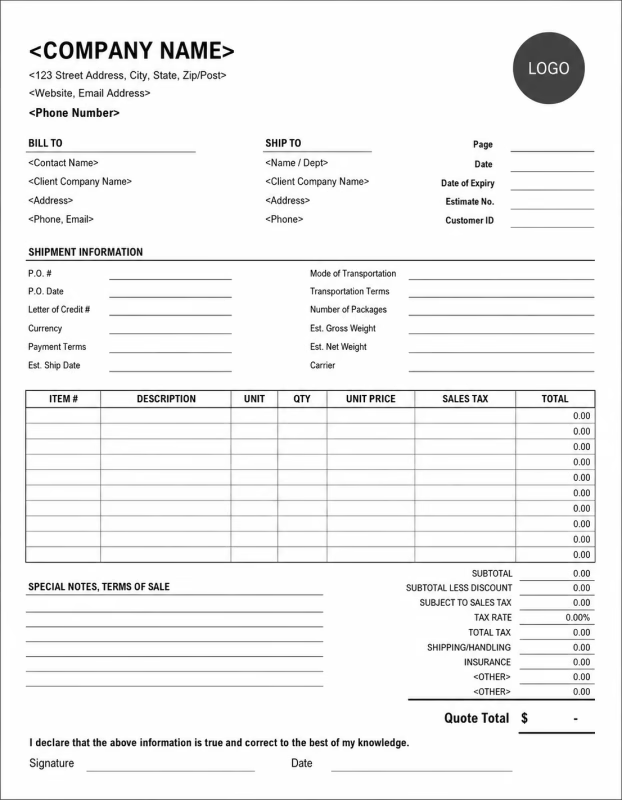
Use these templates for piano teachers, guitar teachers, vocal coaches, violin teachers, drum instructors, music schools, online music tutors, private lesson providers, and group music class instructors.
View our complete selection of invoice templates for a variety of businesses and industries.
How to Invoice for Music Teacher Work
A good music teacher invoice should clearly show the student or parent details, lesson dates, instrument or subject, session length, lesson rate, materials, discounts, taxes, and payment terms.
In 5 Steps:
- Confirm the student, parent, or client details, music subject, lesson schedule, lesson length, hourly or session rate, lesson package, and agreed pricing before starting the lessons.
- Record completed music lessons, lesson dates, session times, instrument coaching, vocal training, theory lessons, recital preparation, and any approved extra services.
- Track education costs such as sheet music, workbooks, practice materials, online tools, studio rental, travel, instrument support, and cancellation fees.
- Calculate lesson fees, package charges, monthly tuition, materials, travel fees, discounts, deposits, taxes if applicable, and the final balance due.
- Send the invoice with payment options, due date, billing period, lesson notes, next lesson details, and any remaining balance instructions.
With Invoize, you can create music teacher invoices faster, save student details, reuse lesson rates, add materials and recurring charges, and track payments from your phone.
What to Include in a Music Teacher Invoice
A professional music teacher invoice should include the details needed to identify the student, lesson type, service dates, charges, and payment terms.
Invoice and Lesson Details
-
✓
Invoice number Helps track the invoice, payment record, and music lesson billing history.
-
✓
Student, parent, or client details Shows who received the music lessons and who is responsible for payment.
-
✓
Music teacher or studio details Shows which teacher, instructor, music studio, or school provided the lesson.
-
✓
Instrument or lesson type Shows whether the lesson was piano, guitar, singing, violin, drums, music theory, or another music subject.
-
✓
Lesson dates or billing period Shows which lessons, week, month, or term the invoice covers.
Music Lesson Service Details
-
✓
Lesson format Shows whether the lesson was in person, online, private, group-based, studio-based, or home-based.
-
✓
Service description Explains private music lessons, vocal coaching, instrument training, exam preparation, or recital support.
-
✓
Lesson length and number of lessons Shows how much teaching time was provided and how the total charge was calculated.
-
✓
Rate or package fee Shows whether the music lessons were billed by hourly rate, lesson rate, monthly tuition, or fixed package fee.
-
✓
Lesson package or term plan Connects the invoice to the correct lesson bundle, monthly plan, term package, or recurring schedule.
Payment and Final Notes
-
✓
Materials and extra fees Lists sheet music, books, workbooks, practice tracks, learning materials, travel, studio rental, recital support, or exam prep fees.
-
✓
Discounts, deposits, or scholarships Shows credits, scholarships, deposits, or previous payments before the final balance.
-
✓
Total amount due Shows the final amount the student, parent, or client needs to pay.
-
✓
Payment due date and methods Tells the student, parent, or client when payment is expected and how they can pay.
-
✓
Lesson notes or payment terms Records lesson schedule, cancellation rules, practice notes, next lesson date, or payment instructions.
Billing Scenarios for Music Teachers
Use clear invoice labels so students, parents, or clients understand the type of music lesson, session cost, package fee, materials, and final amount due.
| Scenario | Invoice line items | Best used for | How to describe it |
|---|---|---|---|
| Private music lesson | Lesson fee, lesson date, instrument, session length, practice notes | One-on-one piano lessons, guitar lessons, vocal coaching, violin lessons, or private instrument training. | Show the student name, lesson date, instrument, session length, and agreed lesson rate clearly. |
| Monthly lesson plan | Monthly tuition, lesson count, practice materials, previous payment, balance due | Students taking weekly or recurring music lessons on a regular schedule. | Show the billing month, number of lessons included, tuition amount, and remaining balance due. |
| Group music class | Group class fee, participant count, class date, materials, session notes | Group singing classes, beginner music classes, ensemble training, theory groups, or school music sessions. | Show the class name, lesson date, number of students if needed, and group class fee. |
| Online music lesson | Online lesson fee, digital materials, lesson time, platform notes | Remote music lessons, virtual vocal coaching, online piano lessons, and video-based instrument classes. | Show the online lesson date, session length, lesson type, and any digital material charges. |
| Recital or exam preparation | Extra coaching, practice session, sheet music, rehearsal time, performance notes | Students preparing for recitals, auditions, graded exams, school performances, or competitions. | Describe the preparation work, session dates, materials used, and any extra rehearsal charges. |
| Travel or home lesson service | Home lesson fee, travel fee, lesson time, materials, service notes | Music teachers who travel to a student’s home, school, studio, or other lesson location. | Show the lesson location, travel fee, lesson length, and teaching service completed. |
☝️ Create your first invoice in seconds.
Common Charges and Fees for Music Teachers
Itemize music lesson charges clearly so students, parents, or clients can see lesson fees, tuition, materials, travel, cancellation fees, taxes, and any extra costs.
| Charge or service | Unit | When to use | How to show it |
|---|---|---|---|
| Private lesson fee | Lesson | Use when charging a fixed price for one music lesson. | Show the lesson date, instrument or subject, lesson length, and lesson price. |
| Hourly music teaching fee | Hour | Use when billing by time for music lessons, vocal coaching, instrument training, or exam preparation. | Show hours taught multiplied by the hourly rate with a short lesson description. |
| Monthly tuition | Month | Use for recurring music lessons, studio plans, school programmes, or regular weekly sessions. | Show the billing period, included lessons, and monthly tuition amount. |
| Lesson package fee | Package | Use when a student buys multiple lessons in advance. | List the package name, number of lessons included, and fixed amount clearly. |
| Group class fee | Class, student, or package | Use when teaching multiple students in one music class or workshop. | Show the class title, date, participant count if needed, and class fee. |
| Sheet music or learning materials | Item or package | Use when charging for sheet music, books, worksheets, practice tracks, theory notes, or digital files. | List materials separately when they are not included in the lesson fee. |
| Recital or exam preparation fee | Session or service | Use when providing extra coaching for auditions, graded exams, competitions, or performances. | Show the preparation service, session date, and fee clearly. |
| Studio or room rental fee | Session or fee | Use when a practice room, studio, rehearsal space, or teaching room is billed separately. | Show the room or studio fee separately from the lesson charge. |
| Travel or home lesson fee | Mile, kilometer, or fee | Use when the teacher travels to the student’s home, school, studio, or other location. | Show travel separately from the music lesson fee. |
| Cancellation or missed lesson fee | Fee | Use when a student cancels late, misses a lesson, or does not follow the agreed cancellation policy. | Add a clear label so the student or parent understands why the fee applies. |
| Tax | Percentage or amount | Use when tax applies to music lessons, materials, packages, or extra fees based on local rules. | Show tax before the final total so the client can see how the balance was calculated. |
| Deposit or previous payment | Credit | Use when the student, parent, or client paid before or during the music lesson period. | Subtract it from the invoice total and show the remaining balance due. |
Create a free account and save lesson rates, tuition plans, student details, materials, and common music teacher invoice items once, so nothing gets retyped.
Common Music Teacher Invoicing Mistakes
Music teacher work can include lesson dates, instruments, tuition plans, sheet music, online lessons, travel fees, cancellations, deposits, and payment terms. Missing details can confuse students, parents, or clients and delay payment. Avoid these common mistakes.
| Mistake | Why it causes problems | How to fix it |
|---|---|---|
| Not listing the student name | The invoice may be hard to match with the correct student, family, lesson account, or music programme. | Add the student, parent, or client name to every music teacher invoice. |
| Not showing the instrument or lesson type | The client may not know which lesson, subject, or music service the invoice covers. | Add the instrument, subject, lesson type, or class name clearly. |
| Combining all charges in one line | The total may look unclear because the client cannot see lessons, materials, travel, and credits separately. | Separate lesson fees, tuition, materials, travel, studio fees, cancellations, deposits, and taxes into clear line items. |
| Not listing lesson dates or billing period | The student or parent may not know which week, month, term, or lessons were billed. | Add lesson dates, service dates, billing period, or term dates clearly. |
| Not showing lesson length or rate | The client may question the charge if the lesson time and price are not visible. | Show lesson length, hourly rate, per-lesson rate, monthly tuition, or package fee clearly. |
| Forgetting sheet music or material fees | Books, sheet music, practice tracks, or digital files may look like unexpected charges if not listed. | List learning materials separately when they are billed outside the lesson fee. |
| Leaving out travel or studio fees | Home lesson travel or room rental costs may surprise the client if they are not shown clearly. | Add travel, parking, home lesson, studio rental, or rehearsal room fees as separate line items. |
| Not recording cancellations or missed lessons | Late cancellation charges may be questioned if they are not explained. | Add cancellation, no-show, or missed lesson fees as separate line items with short notes. |
| Forgetting deposits or previous payments | The final balance may look higher than expected. | Show deposits, advance payments, scholarships, discounts, partial payments, or credits before the balance due. |
| Not keeping invoice records | Tracking lessons, payments, students, lesson packages, materials, and billing history becomes harder. | Keep a copy of every music teacher invoice for your business records. |
More Invoice Templates You May Like
Choose the invoice format that best fits your client's needs.
Professional invoice templates for personal assistant services, administrative support, scheduling, and client billing workflows.
Professional invoice templates for chefs, private dining, catering services, and culinary project billing workflows.
Professional invoice templates for pet-sitting services, animal care, boarding, and client billing workflows.
Music Teacher Invoice FAQs
Line items for private lessons, group lessons, online classes, lesson packages, practice materials, exam prep, recital coaching, travel, deposits, and final payment. Built for music teachers, private instructors, vocal coaches, piano teachers, guitar tutors, and music schools using the Music Teacher Invoice Template.
How should I show music lesson charges on an invoice?
List each lesson with the date, lesson length, rate, and total amount. Example: “Piano lesson: 60 minutes × $50 = $50” or “Guitar lesson package: 4 lessons × $45 = $180.” This helps the student or parent understand exactly what they are paying for.
What student details should be included on a music teacher invoice?
Include the student’s name, instrument or subject, lesson dates, billing period, lesson type, and invoice number. Example: “Student: Emma Wilson, subject: beginner violin, billing period: June 1–June 30.” This connects the invoice to the correct student and lesson schedule.
How do I invoice for private music lessons?
Show the instrument, number of lessons, lesson duration, and rate per lesson. Example: “Private vocal coaching: 3 sessions × $60 = $180” or “One-on-one piano lesson: 45 minutes: $40.” This keeps individual lesson billing clear.
Should group music lessons be listed separately?
Yes. Group lessons should be shown as their own line item because they may have a different price than private lessons. Example: “Group guitar class: 4 weekly sessions: $120 per student.” This helps separate group instruction from one-on-one teaching.
Can I include music books, sheet music, or practice materials?
Yes. List any paid materials separately from the lesson fee. Example: “Beginner piano book: $18,” “Printed sheet music packet: $10,” or “Practice workbook: $15.” This helps the student or parent see which items were added beyond the lesson cost.
How should I bill for online music lessons?
List the lesson as an online or virtual session with the length and rate. Example: “Online singing lesson: 60 minutes via video call: $55.” If online lessons are sold as a package, show the number of sessions and package price.
How do I show deposits or prepaid lesson packages?
Show the full package amount, payment received, and remaining balance if needed. Example: “Monthly lesson package total: $240,” “Payment received: $120,” and “Balance due: $120.” This helps both the teacher and student track prepaid lessons.
What payment terms should a music teacher invoice include?
Include the due date, accepted payment methods, cancellation policy, rescheduling rules, and package expiry terms. Example: “Payment due before the first lesson of the month. Lessons cancelled with less than 24 hours’ notice may still be charged. Prepaid lessons must be used within the agreed billing period.”
Used by Businesses Around the World
From freelancers to growing companies, Invoize helps businesses create professional invoices, manage billing, and get paid faster.







Create and Send Professional Invoices in Seconds
Invoize helps freelancers and businesses create, manage, and send invoices easily
from anywhere without complicated accounting software.
- Smart Invoice Management
- Expense & Payment Tracking
- Secure Local Data Storage






★★★★★
Trusted by 1400+ Business Owners