
Painting Invoice Template
Free invoice templates for painters, painting contractors, interior painting services, exterior painting companies, house painters, commercial painters, and wall finishing professionals. Download and edit in PDF, Word, Excel, Google Docs, or Google Sheets.
Use this template to bill for painting labor, paint materials, surface preparation, primer, wall repairs, trim work, equipment use, cleanup, taxes, discounts, deposits, and payment terms in a clear and professional way.
Download the App
Create, send and manage invoices on the go.


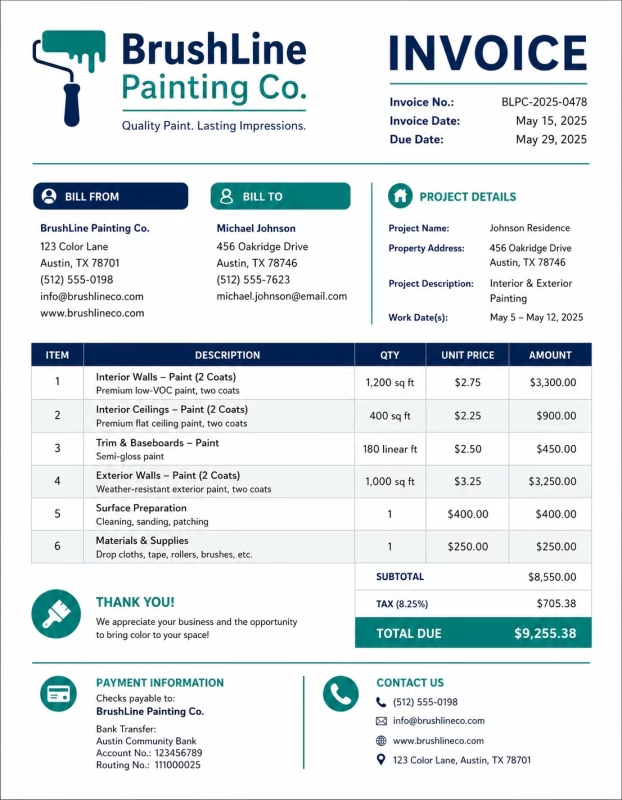
Download Free Painting Invoice Templates
Download a template, then edit it in PDF, Word, Excel, Google Docs, or Google Sheets. Print it, save it, or send it to your client when the painting work is complete.
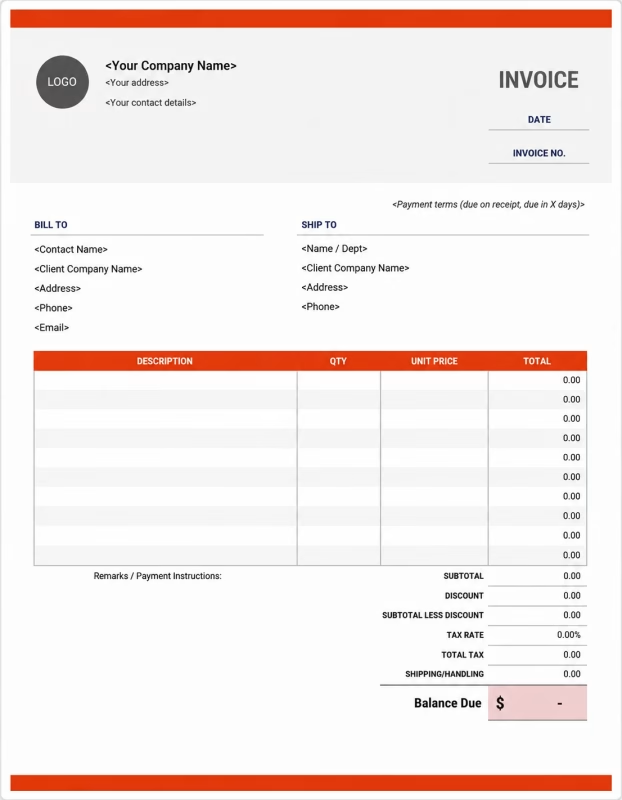


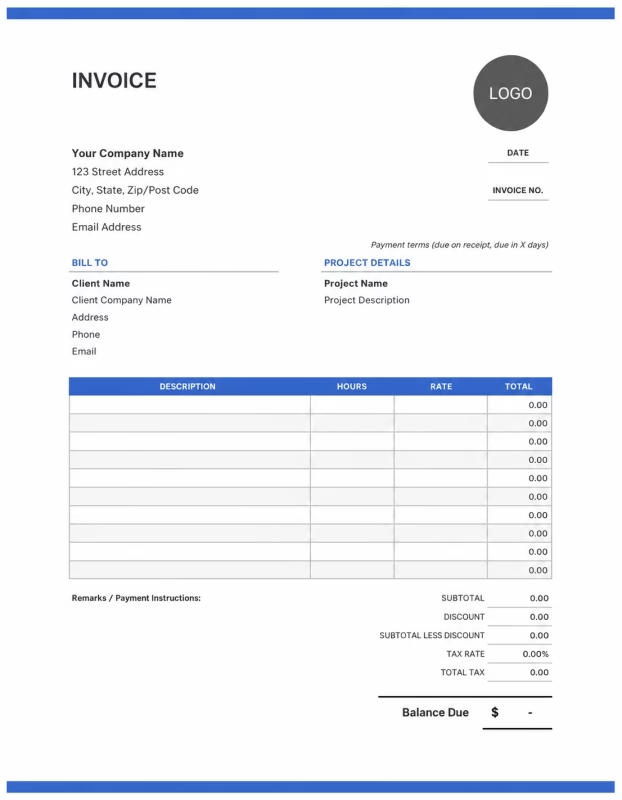
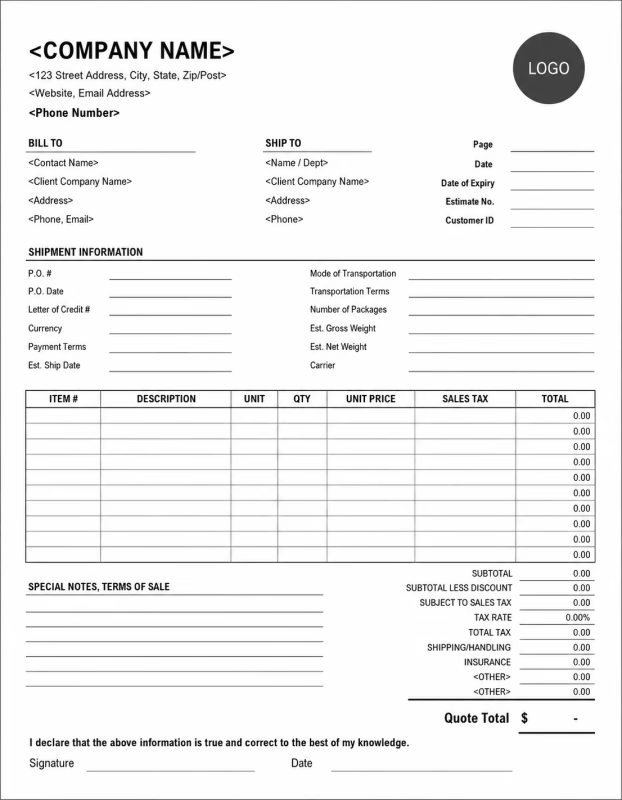
Use these templates for residential painters, commercial painting companies, interior painting contractors, exterior painters, wall repair services, cabinet painters, and property improvement businesses.
View our complete selection of invoice templates for a variety of businesses and industries.
How to Invoice for Painting Work
A good painting invoice should clearly show the client details, job location, painting work completed, labor charges, paint materials, preparation work, taxes, and payment terms.
In 5 Steps:
- Confirm the client details, property address, painting area, paint type, color choices, surface condition, and agreed pricing before starting the job.
- Record completed painting work, labor hours, rooms painted, walls repaired, primer used, coats applied, trim work, and any approved extra tasks.
- Track job costs such as paint, primer, brushes, rollers, tape, drop cloths, caulk, patching materials, equipment, cleanup, and disposal.
- Calculate labor, paint materials, preparation fees, equipment charges, taxes, discounts, deposits, and the final balance due.
- Send the invoice with payment options, due date, project notes, paint details, warranty information, and any care instructions.
With Invoize, you can create painting invoices faster, save client details, reuse common services, add paint materials, and track payments from your phone.
What to Include in a Painting Invoice
A professional painting invoice should include the details needed to identify the client, property, painting service, materials, charges, and payment terms.
Invoice and Project Details
-
✓
Invoice number Helps track the invoice, payment record, and painting project history.
-
✓
Client name and contact details Shows who requested the painting work and who is responsible for payment.
-
✓
Business name and contact details Shows which painter, contractor, or painting company completed the work.
-
✓
Project name or service reference Connects the invoice to the correct painting job, room, property, or project.
-
✓
Property address or job site Shows where the painting work was completed.
Painting Work Details
-
✓
Project dates or billing period Shows when the painting work started, ended, or which billing period the invoice covers.
-
✓
Service description Explains interior painting, exterior painting, wall repair, trim painting, cabinet painting, or touch-ups.
-
✓
Rooms, areas, or surfaces painted Shows which rooms, walls, ceilings, doors, trim, cabinets, fences, or exterior areas were painted.
-
✓
Labor or fixed project fee Shows whether the painting job was billed by labor hours, hourly rate, fixed project fee, or flat-rate pricing.
-
✓
Paint and product details Lists paint, primer, stain, sealant, coating, colour, finish, brand, or product details used for the job.
Payment and Final Notes
-
✓
Preparation and extra fees Shows patching, sanding, caulking, taping, masking, surface protection, equipment, cleanup, or disposal fees.
-
✓
Discounts, deposits, or previous payments Shows credits or amounts already paid before the final balance.
-
✓
Total amount due Shows the final amount the client needs to pay.
-
✓
Payment due date and methods Tells the client when payment is expected and how they can pay.
-
✓
Warranty or care notes Records workmanship warranty, paint care instructions, drying time, touch-up notes, maintenance advice, or final service notes.
Billing Scenarios for Painting Businesses
Use clear invoice labels so clients understand the type of painting work, labor cost, material charges, preparation work, and final amount due.
| Scenario | Invoice line items | Best used for | How to describe it |
|---|---|---|---|
| Interior painting | Wall painting, ceiling painting, trim work, paint, primer, labor | Bedrooms, living rooms, kitchens, hallways, offices, apartments, or full home interiors. | Show the rooms painted, number of coats, paint type, labor, and any preparation work. |
| Exterior painting | Surface preparation, exterior paint, primer, labor, equipment, cleanup | House exteriors, siding, fences, garages, doors, shutters, decks, or commercial buildings. | Describe the exterior surfaces painted and list preparation, materials, labor, and equipment separately. |
| Wall repair and painting | Patching, sanding, primer, paint, repair labor, finishing | Damaged walls, holes, cracks, stains, water marks, dents, or surface imperfections before painting. | Explain the repair work completed and separate wall repair from paint and labor charges. |
| Cabinet or furniture painting | Cleaning, sanding, primer, paint, finishing, hardware removal, labor | Kitchen cabinets, bathroom cabinets, built-ins, furniture, shelves, or storage units. | Show the number of items painted, surface preparation, paint finish, and labor clearly. |
| Commercial painting | Interior or exterior painting, equipment, labor, materials, after-hours work | Offices, shops, rental units, schools, warehouses, restaurants, or business properties. | Add the business location, areas painted, work schedule, material costs, and any after-hours charges. |
| Touch-up or repainting service | Touch-up labor, paint matching, small repairs, supplies, service fee | Small wall marks, move-out touch-ups, rental repairs, repainting, or paint refresh jobs. | Describe the areas touched up, paint used, and whether the job was billed hourly or flat-rate. |
☝️ Create your first invoice in seconds.
Common Charges and Fees for Painting Businesses
Itemize painting charges clearly so clients can see labor, paint materials, prep work, equipment, cleanup, taxes, and any extra costs.
| Charge or service | Unit | When to use | How to show it |
|---|---|---|---|
| Painting labor | Time | Use for painting, rolling, brushing, spraying, masking, touch-ups, or finishing work. | Show labor hours multiplied by the hourly rate with a short work description. |
| Flat project fee | Fixed price | Use when the painting job has one agreed price. | List the project name and fixed amount clearly. |
| Paint materials | Gallon, liter, can, or quantity | Use when charging for interior paint, exterior paint, stain, enamel, sealant, or coating. | Show paint type, color, finish, quantity, unit price, and total cost when possible. |
| Primer | Gallon, liter, can, or quantity | Use when primer is needed before painting new, repaired, stained, or dark-colored surfaces. | List primer separately from paint when it adds to the project cost. |
| Surface preparation | Service or time | Use for sanding, scraping, washing, masking, taping, caulking, or covering surfaces before painting. | Show preparation work as a separate line item when it is not included in the main labor fee. |
| Wall repair or patching | Service, area, or time | Use when repairing holes, cracks, dents, stains, or damaged drywall before painting. | Describe the repair area and show labor and materials clearly. |
| Trim, door, or ceiling painting | Room, item, or area | Use when painting trim, baseboards, doors, ceilings, cabinets, shutters, or detailed surfaces. | List these areas separately if they are priced differently from standard wall painting. |
| Equipment fee | Hour, day, or fee | Use when ladders, sprayers, scaffolding, lifts, pressure washers, or rented tools are needed. | Show equipment name, usage period, and cost. |
| Cleanup or disposal fee | Service or fee | Use when removing tape, coverings, empty cans, plastic sheets, debris, or leftover materials. | List cleanup or disposal separately when charged. |
| Rush or after-hours fee | Fee | Use when the client requests fast completion, weekend work, night work, or work outside normal hours. | Add a clear label so the client understands why the extra fee applies. |
| Tax | Percentage or amount | Use when tax applies to labor, paint materials, supplies, or painting services based on local rules. | Show tax before the final total so the client can see how the balance was calculated. |
| Deposit or previous payment | Credit | Use when the client paid before or during the painting project. | Subtract it from the invoice total and show the remaining balance due. |
Create a free account and save labor rates, paint materials, preparation fees, client details, and common painting services once, so nothing gets retyped.
Common Painting Invoicing Mistakes
Painting work can include labor, paint materials, surface preparation, repairs, equipment, cleanup, color details, and warranty notes. Missing details can confuse clients or delay payment. Avoid these common mistakes.
| Mistake | Why it causes problems | How to fix it |
|---|---|---|
| Not describing the painting work clearly | The client may not understand what was painted, repaired, prepared, cleaned, or finished. | Add a simple description for each painting service or task completed. |
| Leaving out the property address | The invoice may be hard to match with the correct home, office, rental unit, or project location. | Add the property address or job site location to every painting invoice. |
| Not listing rooms or areas painted | The client may not know which parts of the property are included in the invoice. | Add rooms, walls, ceilings, trim, doors, cabinets, exterior areas, or surfaces painted. |
| Combining labor and paint materials in one line | The total may look unclear because the client cannot see work cost and material cost separately. | Separate labor, paint, primer, surface prep, repairs, equipment, cleanup, and taxes into clear line items. |
| Not adding paint details | The client may not know which paint was used for future touch-ups or repairs. | Add paint color, brand, finish, product type, and quantity when useful. |
| Forgetting preparation or repair work | Extra work such as patching, sanding, scraping, or caulking may look unexplained if it is not listed. | Show preparation and repair work as separate line items when charged. |
| Not recording approved extra work | Additional rooms, extra coats, color changes, or repair work may be questioned later. | Show approved changes, added labor, extra materials, and updated totals clearly. |
| Forgetting deposits or previous payments | The final balance may look higher than expected. | Show deposits, partial payments, or credits before the balance due. |
| Leaving out care or warranty notes | The client may not know drying time, cleaning instructions, touch-up details, or warranty coverage. | Add drying time, paint care notes, workmanship warranty, touch-up guidance, or maintenance advice. |
| Not keeping invoice records | Tracking projects, payments, colors, materials, warranties, and client history becomes harder. | Keep a copy of every painting invoice for your business records. |
More Invoice Templates You May Like
Choose the invoice format that best fits your client's needs.
Professional invoice templates for pest control services, extermination treatments, and maintenance billing workflows.
Professional invoice templates for plumbing services, pipe installations, repairs, and maintenance project billing.
Professional invoice templates for pool maintenance services, cleaning, repairs, and seasonal upkeep billing workflows.
Painting Invoice FAQs
Get clear answers about using a construction invoice template for labor, materials, equipment, subcontractors, deposits, change orders, taxes, and project billing.
How should I show painting labor on an invoice?
Break labor into clear work areas instead of using one general total. Example: “Living room wall painting: 6 hours × $50/hr = $300” or “Exterior trim painting labor: Fixed charge: $450.” This helps the customer understand what was painted and how the labor cost was calculated.
What paint and materials should I include on the invoice?
List all materials used for the job, such as paint, primer, rollers, brushes, tape, drop cloths, sandpaper, caulk, patching compound, and sealant. Example: “Interior wall paint: 3 gallons: $135,” “Primer: 1 gallon: $38,” and “Painter’s tape and supplies: $22.”
Should room names or surface areas be listed on the invoice?
Yes. Include room names, wall areas, square footage, or number of coats when possible. Example: “Bedroom painting: 320 sq ft: 2 coats: $480” or “Kitchen ceiling painting: 1 coat: $150.” This makes the invoice easier for the customer to review.
How do I invoice for wall repair before painting?
List wall preparation and repair work separately from painting. Example: “Patch small nail holes and cracks: $75” or “Drywall repair before painting: 2 hours × $55/hr = $110.” This shows the customer that prep work was part of the job cost.
Can I charge separately for primer or extra coats?
Yes. Primer and extra coats should be shown as separate line items if they are not included in the base painting price. Example: “Stain-blocking primer application: $120” or “Additional paint coat requested by customer: $180.” This keeps extra work clear.
How should I bill for exterior painting?
List the exterior area, surface type, paint used, and labor details. Example: “Exterior siding painting: 1,200 sq ft: $2,400” or “Fence painting: 80 linear feet × $5/ft = $400.” If pressure washing or surface prep was done, include it separately.
How do I show masking, furniture moving, or cleanup charges?
Add these services as separate lines if they require extra time. Example: “Furniture moving and room protection: $60,” “Masking windows and trim: $85,” and “Post-paint cleanup: $50.” This helps explain charges beyond applying paint.
What payment terms should a painting invoice include?
Include the due date, accepted payment methods, deposit amount, warranty note, and any terms for color changes or extra coats. Example: “Payment due within 7 days. Deposit paid: $300. Balance due after final walkthrough. Color changes or added coats may require a revised invoice.”
Used by Businesses Around the World
From freelancers to growing companies, Invoize helps businesses create professional invoices, manage billing, and get paid faster.







Create and Send Professional Invoices in Seconds
Invoize helps freelancers and businesses create, manage, and send invoices easily
from anywhere without complicated accounting software.
- Smart Invoice Management
- Expense & Payment Tracking
- Secure Local Data Storage






★★★★★
Trusted by 1400+ Business Owners