
Roofing Invoice Template
Free invoice templates for roofers, roofing contractors, roof repair companies, roof replacement teams, gutter services, leak repair specialists, and storm damage roofing professionals. Download and edit in PDF, Word, Excel, Google Docs, or Google Sheets.
Use this template to bill for roofing labor, roof repairs, roof replacement, shingles, tiles, flashing, underlayment, gutters, inspections, permits, cleanup, taxes, discounts, deposits, and payment terms in a clear and professional way.
Download the App
Create, send and manage invoices on the go.


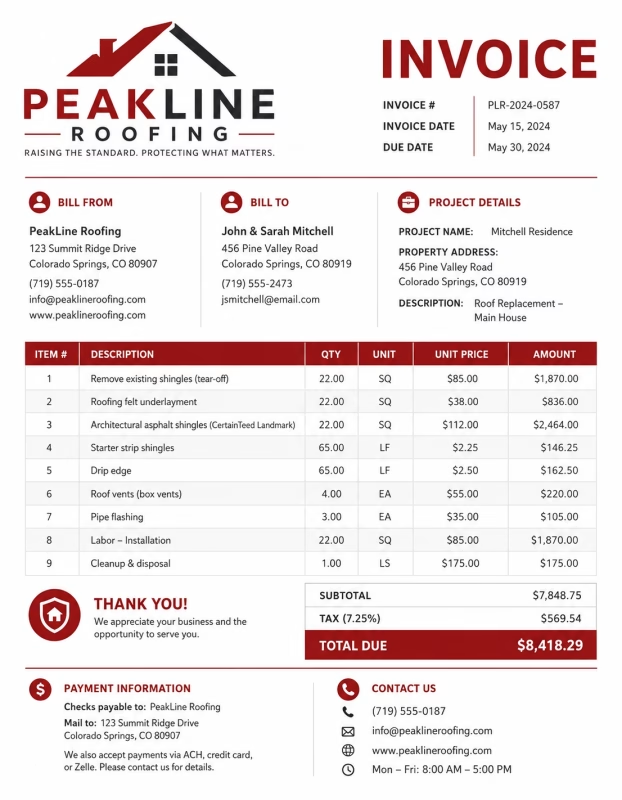
Download Free Roofing Invoice Templates
Download a template, then edit it in PDF, Word, Excel, Google Docs, or Google Sheets. Print it, save it, or send it to your client when the roofing work is complete.
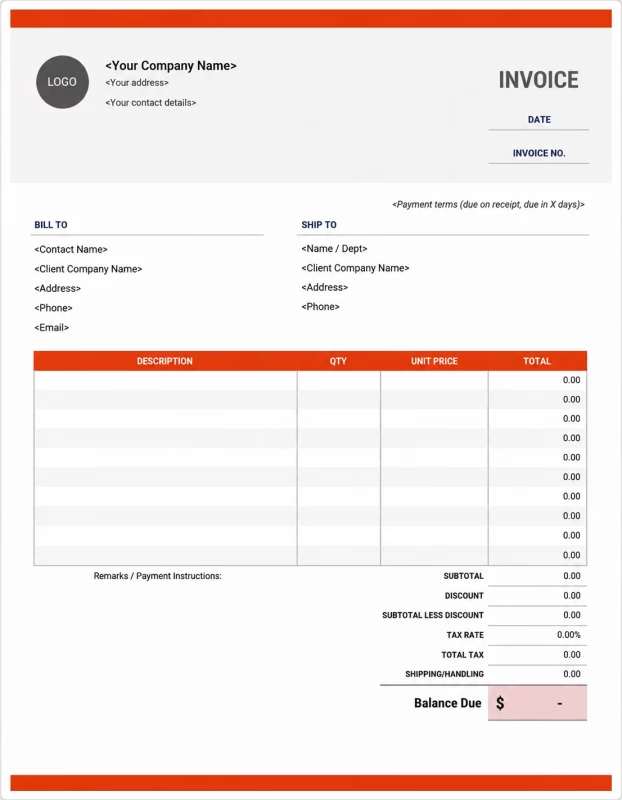


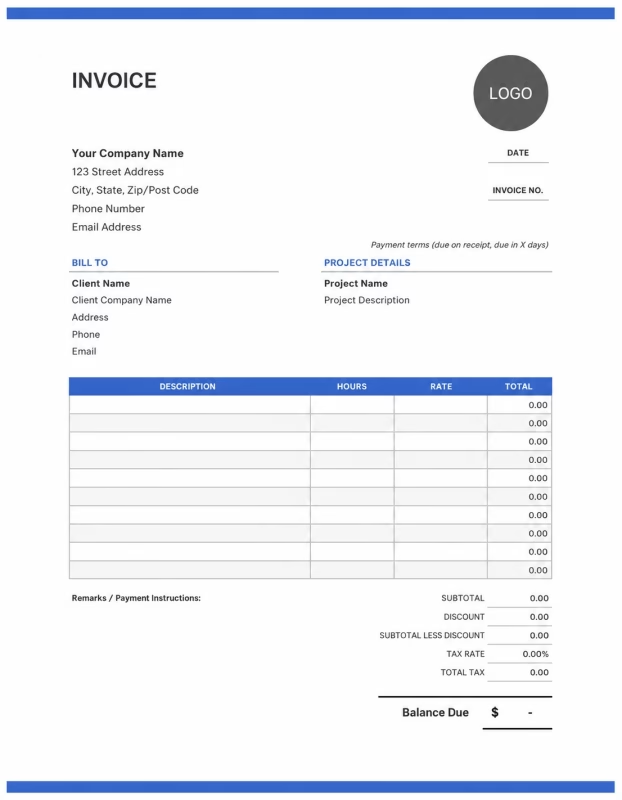
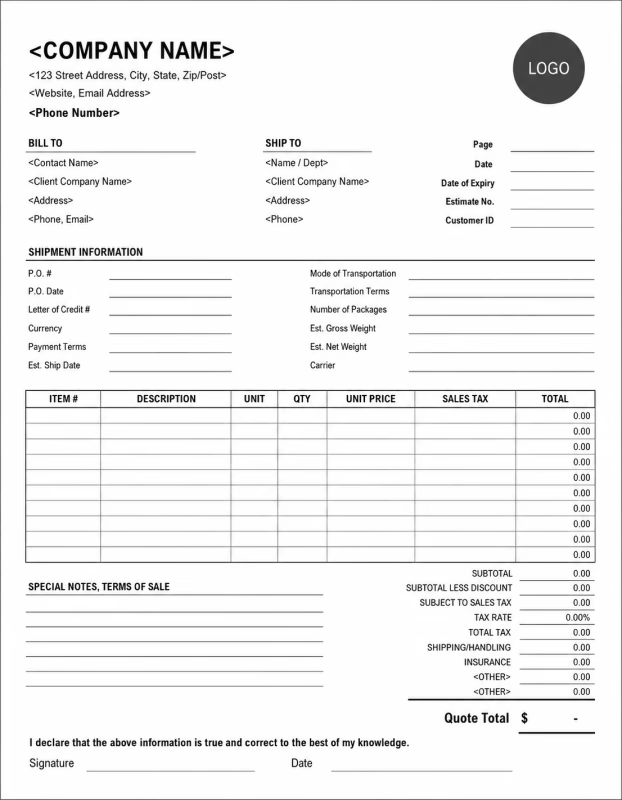
Use these templates for roofing contractors, roof repair services, roof replacement companies, gutter installers, storm damage repair teams, residential roofers, and commercial roofing businesses.
View our complete selection of invoice templates for a variety of businesses and industries.
How to Invoice for Roofing Work
A good roofing invoice should clearly show the client details, property address, roof work completed, labor charges, materials used, permits, cleanup costs, taxes, and payment terms.
In 5 Steps:
- Confirm the client details, property address, roof type, service needed, measurements, material choice, permit needs, and agreed pricing before starting the job.
- Record completed roofing work, labor hours, repairs made, shingles installed, flashing replaced, gutters repaired, cleanup completed, and any approved extra work.
- Track job costs such as shingles, tiles, underlayment, flashing, nails, sealant, vents, gutters, safety equipment, delivery, disposal, and permits.
- Calculate labor, materials, equipment fees, permit charges, cleanup costs, taxes, discounts, deposits, and the final balance due.
- Send the invoice with payment options, due date, roof notes, warranty details, and any maintenance or follow-up recommendations.
With Invoize, you can create roofing invoices faster, save client details, reuse common services, add materials, and track payments from your phone.
What to Include in a Roofing Invoice
A professional roofing invoice should include the details needed to identify the client, property, roof service, materials, charges, and payment terms.
Invoice and Property Details
-
✓
Invoice number Helps track the invoice, payment record, and roofing project history.
-
✓
Client name and contact details Shows who requested the roofing work and who is responsible for payment.
-
✓
Business name and contact details Shows which roofer, contractor, or roofing company completed the work.
-
✓
Property address or job site Shows where the roofing work was completed.
-
✓
Project dates or billing period Shows when the roofing work started, ended, or which billing period the invoice covers.
Roofing Work Details
-
✓
Roof type and service type Shows whether the work was roof repair, roof replacement, leak repair, inspection, gutter work, or storm damage repair.
-
✓
Service description Explains shingle replacement, flashing repair, roof inspection, leak sealing, gutter work, or full roof installation.
-
✓
Roof area, slope, or measurements Helps explain labor time, material quantities, project size, and roofing price.
-
✓
Labor or fixed project fee Shows whether the roofing job was billed by labor hours, hourly rate, fixed project fee, or flat-rate pricing.
-
✓
Main roofing materials Lists shingles, tiles, metal panels, underlayment, flashing, sealant, nails, vents, or other roofing materials.
Payment and Final Notes
-
✓
Accessories and extra fees Shows gutters, downspouts, drip edge, ridge caps, permits, equipment, delivery, cleanup, or disposal fees.
-
✓
Discounts, deposits, or previous payments Shows credits or amounts already paid before the final balance.
-
✓
Total amount due Shows the final amount the client needs to pay.
-
✓
Payment due date and methods Tells the client when payment is expected and how they can pay.
-
✓
Warranty or maintenance notes Records workmanship warranty, material warranty, roof care notes, inspection advice, follow-up recommendations, or final service notes.
Billing Scenarios for Roofing Businesses
Use clear invoice labels so clients understand the type of roofing work, labor cost, material charges, permit fees, cleanup costs, and final amount due.
| Scenario | Invoice line items | Best used for | How to describe it |
|---|---|---|---|
| Roof repair | Inspection, repair labor, shingles, flashing, sealant, cleanup | Leaks, missing shingles, damaged flashing, small roof damage, or general roof repairs. | Explain the damaged area, repair completed, materials used, and any follow-up recommendation. |
| Full roof replacement | Old roof removal, roofing materials, underlayment, installation labor, disposal, permit | Replacing old, damaged, worn, or storm-damaged roofs. | Separate removal, new materials, installation labor, permit charges, and cleanup so the client can review each cost. |
| Roof inspection | Inspection fee, roof report, photos if needed, repair recommendation | Pre-sale inspections, insurance checks, storm inspections, leak checks, or maintenance reviews. | Show the inspection service clearly and add notes about findings or recommended repairs. |
| Storm damage roofing | Emergency service, temporary repair, roof repair, materials, debris cleanup | Wind damage, hail damage, heavy rain leaks, fallen branches, or emergency roof protection. | Add the damage type, affected roof area, emergency work, materials, and cleanup details. |
| Gutter and roof edge work | Gutter repair, downspouts, drip edge, fascia work, labor, materials | Gutter replacement, downspout repair, roof drainage work, fascia repair, or roof edge finishing. | List gutter or edge materials separately from roof labor and repair work. |
| Commercial roofing | Roofing labor, materials, equipment, safety setup, permits, cleanup | Offices, shops, warehouses, apartment buildings, schools, or commercial properties. | Show the building location, roof area, materials, labor, equipment, and permit charges clearly. |
☝️ Create your first invoice in seconds.
Common Charges and Fees for Roofing Businesses
Itemize roofing charges clearly so clients can see labor, materials, roof removal, permits, equipment, cleanup, taxes, and any extra costs.
| Charge or service | Unit | When to use | How to show it |
|---|---|---|---|
| Roofing labor | Time or project | Use for repairs, installation, inspection, roof removal, flashing work, gutter work, or cleanup. | Show labor hours or project labor with a short work description. |
| Flat project fee | Fixed price | Use when the full roofing job has one agreed price. | List the project name and fixed amount clearly. |
| Roofing materials | Bundle, square, sheet, roll, or quantity | Use when charging for shingles, tiles, metal panels, underlayment, ridge caps, flashing, or vents. | Show material type, quantity, unit price, and total cost when possible. |
| Roof removal | Service, area, or project | Use when removing old shingles, tiles, underlayment, damaged roof layers, or roofing debris. | Show removal charges separately from new installation work. |
| Underlayment or waterproofing | Roll, area, or quantity | Use when installing underlayment, ice barrier, waterproof membrane, or moisture protection. | List waterproofing materials and labor separately when charged. |
| Flashing or sealant | Item, area, or service | Use for chimneys, vents, skylights, valleys, edges, leak repairs, or roof joints. | Describe the flashing or sealing area and show the cost clearly. |
| Gutter or downspout work | Length, item, or service | Use when installing, repairing, cleaning, or replacing gutters and downspouts. | Show gutter materials, length, labor, and any hardware separately. |
| Equipment or safety setup | Day, item, or fee | Use when ladders, scaffolding, lifts, safety gear, roof jacks, or rented equipment are needed. | Show equipment name, usage period, and cost. |
| Permit or inspection fee | Fee | Use when roofing permits, inspections, or local approvals are required. | Add permit or inspection costs as separate line items when they apply. |
| Cleanup or disposal fee | Service or fee | Use when removing old shingles, nails, packaging, debris, or damaged roofing materials. | List cleanup, hauling, dumpster, or disposal charges separately when charged. |
| Tax | Percentage or amount | Use when tax applies to roofing labor, materials, supplies, or services based on local rules. | Show tax before the final total so the client can see how the balance was calculated. |
| Deposit or previous payment | Credit | Use when the client paid before or during the roofing project. | Subtract it from the invoice total and show the remaining balance due. |
Create a free account and save labor rates, roofing materials, permit fees, client details, and common roofing services once, so nothing gets retyped.
Common Roofing Invoicing Mistakes
Roofing work can include inspections, repairs, materials, roof removal, equipment, permits, cleanup, and warranty notes. Missing details can confuse clients or delay payment. Avoid these common mistakes.
| Mistake | Why it causes problems | How to fix it |
|---|---|---|
| Not describing the roofing work clearly | The client may not understand what was repaired, replaced, inspected, removed, or cleaned up. | Add a simple description for each roofing service or task completed. |
| Leaving out the property address | The invoice may be hard to match with the correct home, building, rental property, or job site. | Add the property address or project location to every roofing invoice. |
| Not listing roof area or measurements | The client may not understand how material and labor costs were calculated. | Add roof area, sections, slope notes, square footage, or roofing squares when useful. |
| Combining labor and materials in one line | The total may look unclear because the client cannot see work cost and material cost separately. | Separate labor, shingles, underlayment, flashing, equipment, permits, cleanup, and taxes into clear line items. |
| Forgetting roof removal or disposal fees | The client may be surprised by extra charges for old roofing removal or debris hauling. | Add roof tear-off, dumpster, cleanup, hauling, or disposal fees as separate line items. |
| Not listing material details | The client may not know which shingles, tiles, panels, or roofing products were used. | Add material type, color, brand, quantity, and warranty details when useful. |
| Forgetting permit or inspection fees | The client may not understand why the invoice is higher than the basic roofing work. | Add permit, inspection, or approval fees as separate line items when they apply. |
| Not recording approved extra work | Additional repairs, decking replacement, flashing work, or gutter work may be questioned later. | Show approved changes, added labor, extra materials, and updated totals clearly. |
| Leaving out warranty or maintenance notes | The client may not know what is covered after the roof work or how to maintain the roof. | Add workmanship warranty, material warranty, maintenance tips, inspection advice, or follow-up notes. |
| Not keeping invoice records | Tracking projects, payments, materials, warranties, permits, and client history becomes harder. | Keep a copy of every roofing invoice for your business records. |
More Invoice Templates You May Like
Choose the invoice format that best fits your client's needs.
Professional invoice templates for tile installers, flooring projects, bathroom/kitchen tiling, and contractor billing workflows.
Professional invoice templates for towing services, vehicle recovery, roadside assistance, and transport billing workflows.
Professional invoice templates for tradesmen, skilled labor services, repair work, and client project billing workflows.
Roofing Invoice FAQs
Get clear answers about using a construction invoice template for labor, materials, equipment, subcontractors, deposits, change orders, taxes, and project billing.
How should I show roofing labor on an invoice?
Break labor into clear roofing tasks instead of using one general labor total. Example: “Shingle roof installation labor: 1,500 sq ft × $3.50/sq ft = $5,250” or “Roof leak repair labor: 3 hours × $85/hr = $255.” This helps the customer understand how the labor cost was calculated.
What roofing materials should I include on the invoice?
List all materials used for the job, such as shingles, underlayment, flashing, nails, ridge caps, vents, drip edge, sealant, plywood, and waterproof membrane. Example: “Architectural shingles: 45 bundles: $1,350,” “Roofing nails: $38,” and “Synthetic underlayment: 5 rolls: $275.”
Should roof size or square footage be listed on the invoice?
Yes. Include roof square footage, number of roofing squares, pitch details, or repair area when possible. Example: “Roof replacement: 18 roofing squares × $450/square = $8,100” or “Flat roof repair area: 220 sq ft: $880.” This makes the invoice easier for the customer to review.
How do I invoice for roof tear-off and disposal?
Add old roof removal and disposal as separate line items. Example: “Remove existing shingles: 18 squares × $75/square = $1,350” and “Dumpster and debris disposal fee: $425.” This keeps removal costs separate from new roof installation.
Can I charge separately for flashing, vents, or drip edge installation?
Yes. These items should be listed separately if they are not included in the main roofing package. Example: “Replace chimney flashing: $280,” “Install roof vents: 4 units × $65 = $260,” and “Drip edge installation: $180.”
How should I bill for roof repairs or leak fixes?
Describe the issue, repair area, materials used, and labor time. Example: “Repair roof leak near skylight: Remove damaged shingles, reseal flashing, replace underlayment: $420.” This gives the customer a clear record of the repair work completed.
How do I show deposits or progress payments for roofing work?
Show the full project amount, deposit received, progress payment, and remaining balance. Example: “Roof replacement total: $9,800,” “Deposit paid: $2,500,” and “Balance due after final cleanup: $7,300.” This helps both the contractor and customer track payment clearly.
What payment terms should a roofing invoice include?
Include the due date, accepted payment methods, deposit terms, warranty note, and any terms for hidden damage. Example: “Payment due within 7 days. Warranty applies to approved materials and workmanship. Damaged decking or hidden roof issues may require a revised invoice."
Used by Businesses Around the World
From freelancers to growing companies, Invoize helps businesses create professional invoices, manage billing, and get paid faster.







Create and Send Professional Invoices in Seconds
Invoize helps freelancers and businesses create, manage, and send invoices easily
from anywhere without complicated accounting software.
- Smart Invoice Management
- Expense & Payment Tracking
- Secure Local Data Storage






★★★★★
Trusted by 1400+ Business Owners