
Towing Invoice Template
Free invoice templates for towing companies, roadside assistance providers, recovery services, tow truck drivers, vehicle transport businesses, and emergency towing professionals. Download and edit in PDF, Word, Excel, Google Docs, or Google Sheets.
Use this template to bill for towing services, mileage, roadside help, vehicle recovery, storage fees, winching, after-hours service, taxes, discounts, deposits, and payment terms in a clear and professional way.
Download the App
Create, send and manage invoices on the go.


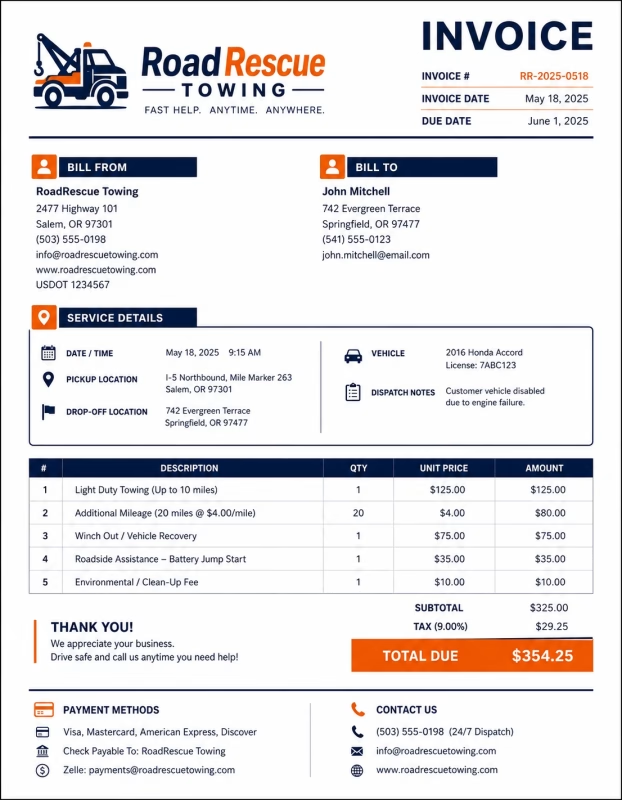
Download Free Towing Invoice Templates
Download a template, then edit it in PDF, Word, Excel, Google Docs, or Google Sheets. Print it, save it, or send it to your customer when the towing service is complete.
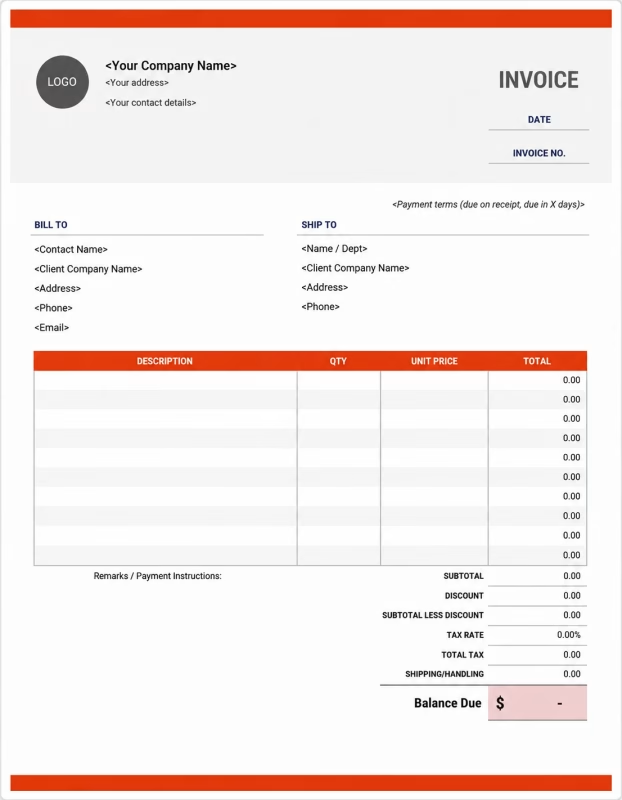


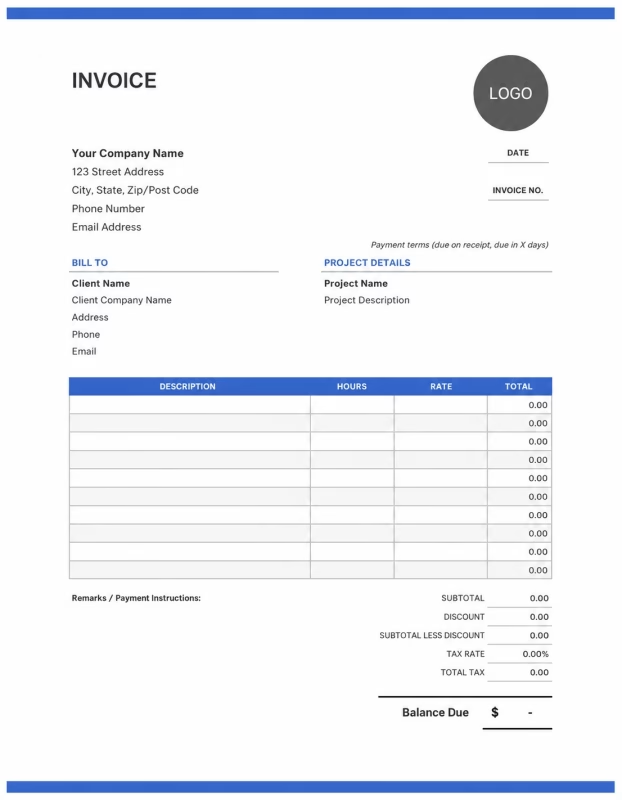
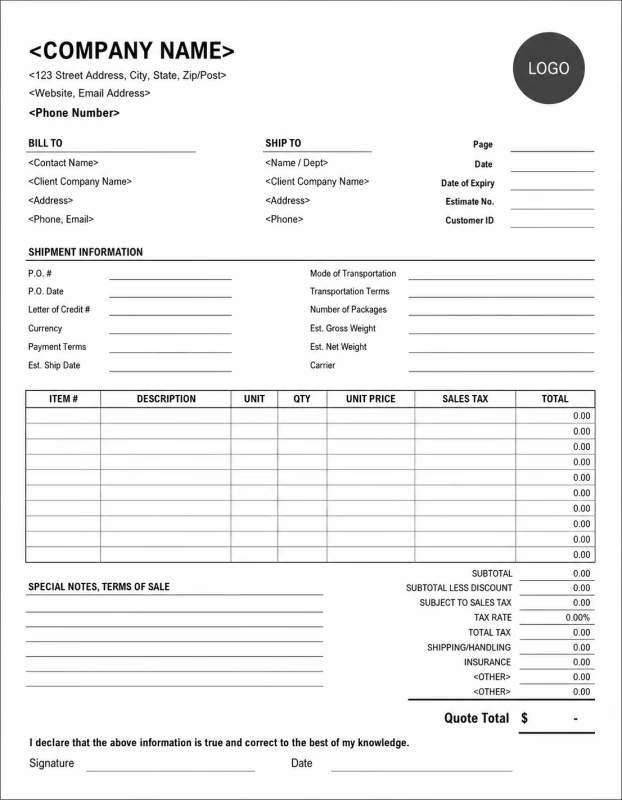
Use these templates for towing companies, roadside assistance businesses, vehicle recovery teams, tow truck operators, auto transport services, impound lots, and emergency service providers.
View our complete selection of invoice templates for a variety of businesses and industries.
How to Invoice for Towing Work
A good towing invoice should clearly show the customer details, vehicle information, pickup location, drop-off location, towing distance, service fees, taxes, and payment terms.
In 5 Steps:
- Confirm the customer details, vehicle information, pickup location, destination, service type, towing distance, and agreed pricing before starting the job.
- Record the completed towing service, mileage, driver details, tow truck used, roadside service provided, and any extra work completed.
- Track service costs such as hookup fees, mileage, winching, recovery work, storage, tolls, after-hours service, and special handling.
- Calculate towing charges, mileage fees, roadside service fees, storage costs, taxes, discounts, deposits, and the final balance due.
- Send the invoice with payment options, due date, vehicle notes, service details, and any release or storage instructions.
With Invoize, you can create towing invoices faster, save customer details, reuse common services, add mileage and recovery fees, and track payments from your phone.
What to Include in a Towing Invoice
A professional towing invoice should include the details needed to identify the customer, vehicle, towing service, route, charges, and payment terms.
Invoice and Vehicle Details
-
✓
Invoice number Helps track the invoice, payment record, and towing service history.
-
✓
Customer name and contact details Shows who requested the towing service and who is responsible for payment.
-
✓
Business name and contact details Shows which towing company, driver, or roadside service provider completed the job.
-
✓
Vehicle details Connects the invoice to the correct vehicle using make, model, year, colour, VIN, or license plate.
-
✓
Vehicle condition or service reason Explains breakdowns, accidents, flat tires, no-start issues, illegal parking, or other towing reasons.
Towing Service Details
-
✓
Service description Explains local towing, long-distance towing, roadside assistance, jump start, lockout, tire change, or winching.
-
✓
Pickup and drop-off locations Shows where the vehicle was collected and where it was delivered, such as a repair shop, home, yard, or dealership.
-
✓
Mileage or towing distance Shows how distance-based towing charges were calculated.
-
✓
Driver name and truck number Connects the invoice to the tow truck and driver who completed the service.
-
✓
Odometer or vehicle record notes Helps keep a clear vehicle record for repair shops, insurance, fleet customers, or service history.
Payment and Final Notes
-
✓
Towing charges and fees Shows hookup fees, towing fees, mileage fees, roadside service fees, recovery fees, or added service charges.
-
✓
Storage and extra charges Lists storage, winching, tolls, after-hours charges, recovery work, or special handling fees.
-
✓
Discounts, deposits, or previous payments Shows credits or amounts already paid before the final balance.
-
✓
Total amount due Shows the final amount the customer needs to pay.
-
✓
Service notes or release instructions Records the due date, payment methods, vehicle release details, storage notes, accident notes, or customer instructions.
Billing Scenarios for Towing Businesses
Use clear invoice labels so customers understand the type of towing service, route cost, extra fees, and final amount due.
| Scenario | Invoice line items | Best used for | How to describe it |
|---|---|---|---|
| Local towing service | Hookup fee, local tow fee, mileage, drop-off details, tax | Short-distance towing from a roadside location, home, parking lot, or repair shop. | Show the pickup point, drop-off point, base towing fee, and mileage if charged. |
| Long-distance towing | Hookup fee, mileage rate, fuel fee, tolls, delivery fee | Vehicle transport across cities, counties, or longer routes. | List total miles, rate per mile, pickup location, destination, and any route-related costs. |
| Roadside assistance | Service call fee, labor, jump start, tire change, fuel delivery, lockout service | Non-towing services where the vehicle can be helped on-site. | Describe the roadside service completed and show any parts, fuel, or labor separately. |
| Vehicle recovery or winching | Recovery labor, winching fee, equipment use, towing fee, safety work | Vehicles stuck in mud, snow, ditches, accident areas, slopes, or hard-to-access locations. | Explain the recovery work clearly and show equipment or winching fees separately. |
| Accident towing | Towing fee, cleanup fee, recovery fee, storage, police or insurance reference | Accident scenes, damaged vehicles, insurance-related towing, or police-requested towing. | Add vehicle details, accident location, reference number, and any cleanup or storage fees. |
| Impound or storage billing | Towing fee, daily storage, release fee, paperwork fee, tax | Vehicles held in a storage yard, impound lot, or towing facility before release. | Show tow date, storage days, daily rate, release details, and final balance clearly. |
☝️ Create your first invoice in seconds.
Common Charges and Fees for Towing Businesses
Itemize towing charges clearly so customers can see hookup fees, mileage, roadside service, recovery work, storage, taxes, and any extra costs.
| Charge or service | Unit | When to use | How to show it |
|---|---|---|---|
| Hookup fee | Fee | Use when charging for connecting the vehicle to the tow truck. | Show it as a separate base charge before mileage or extra service fees. |
| Base towing fee | Service | Use for the main towing service within a standard service area. | List the service type and base towing amount clearly. |
| Mileage charge | Mile or kilometer | Use when pricing depends on the towing distance. | Show total distance multiplied by the rate per mile or kilometer. |
| Roadside service fee | Service | Use for jump starts, tire changes, fuel delivery, lockouts, battery help, or minor roadside support. | Describe the service completed and show the fee clearly. |
| Winching fee | Service or time | Use when pulling a vehicle from mud, snow, ditch, sand, slope, or difficult position. | Show the winching service separately from the towing charge. |
| Recovery fee | Service or time | Use for accident recovery, difficult vehicle removal, or special equipment work. | Describe the recovery work and list the fee separately. |
| Storage fee | Day or fee | Use when a vehicle is kept at a storage yard, impound lot, or towing facility. | Show the number of storage days, daily rate, and total storage cost. |
| After-hours or emergency fee | Fee | Use for night calls, weekend service, holiday service, urgent towing, or emergency recovery. | Add a clear label so the customer understands why the extra fee applies. |
| Toll or route fee | Fee | Use when toll roads, bridges, paid routes, or special routes are used during towing. | List tolls or route fees separately from the base towing service. |
| Cleanup or debris fee | Service or fee | Use when cleaning glass, vehicle parts, fluids, or debris after an accident or recovery job. | Show cleanup as its own line if it is charged separately. |
| Tax | Percentage or amount | Use when tax applies to towing, storage, roadside service, or recovery work based on local rules. | Show tax before the final total so the customer can see how the balance was calculated. |
| Deposit or previous payment | Credit | Use when the customer paid before or during the towing service. | Subtract it from the invoice total and show the remaining balance due. |
Create a free account and save hourly rates, project fees, and expense items once, so nothing gets retyped.
Common Towing Invoicing Mistakes
Towing work can include vehicle details, pickup and drop-off locations, mileage, recovery work, storage, after-hours fees, and release notes. Missing details can confuse customers or delay payment. Avoid these common mistakes.
| Mistake | Why it causes problems | How to fix it |
|---|---|---|
| Leaving out vehicle details | The invoice may be hard to match with the correct vehicle, especially for repair shops, fleets, or insurance claims. | Add vehicle make, model, year, color, VIN, and license plate when available. |
| Missing pickup or drop-off locations | The customer may not know which towing route the invoice belongs to. | Add both pickup and drop-off addresses to every towing invoice. |
| Combining all towing charges in one line | The total may look unclear because the customer cannot see hookup, mileage, recovery, and extra fees separately. | Separate base towing, hookup, mileage, winching, storage, and service fees into clear line items. |
| Not showing mileage | Distance-based charges may be questioned if the total mileage is not listed. | Show total miles or kilometers, rate per mile, and final mileage charge. |
| Forgetting storage fees | The customer may be surprised by extra charges when picking up the vehicle. | Show storage start date, number of days, daily rate, and total storage cost. |
| Not explaining recovery or winching work | Extra recovery charges may be questioned if the situation is not described. | Add a short note explaining the recovery condition, equipment used, and service completed. |
| Forgetting tolls or after-hours fees | Extra costs may look unexpected if they are not listed clearly. | Add tolls, emergency fees, weekend fees, night service fees, or route charges as separate line items. |
| Leaving out proof or service notes | The customer, insurance company, or repair shop may need more detail to verify the service. | Add driver notes, release details, delivery confirmation, claim number, or service reference when available. |
| Not adding payment terms | The customer may not know when or how to pay. | Add due date, accepted payment methods, and any late payment or vehicle release terms you use. |
| Not keeping invoice records | Tracking services, payments, vehicle history, storage days, and customer records becomes harder. | Keep a copy of every towing invoice for your business records. |
More Invoice Templates You May Like
Choose the invoice format that best fits your client's needs.
Professional invoice templates for tradesmen, skilled labor services, repair work, and client project billing workflows.
Professional invoice templates for trucking services, freight transportation, logistics operations, and client billing workflows.
Professional invoice templates for woodworking services, custom furniture, carpentry projects, and client billing workflows.
Towing Invoice FAQs
Get clear answers about using a Towing invoice template for labor, materials, equipment, subcontractors, deposits, change orders, taxes, and project billing.
How should I show towing mileage on an invoice?
List the towing distance and the rate per mile instead of adding one unclear total. Example: “Vehicle towing: 18 miles × $4.50/mile = $81.” This helps the customer understand how the distance affected the final towing cost.
Should I include a hook-up fee separately?
Yes. The hook-up fee should be shown as its own line item because it is usually charged before mileage. Example: “Hook-up fee: Standard vehicle connection and loading: $75.” Then add mileage, storage, or extra service charges below it.
How do I invoice for roadside assistance without towing?
List the service provided and the fixed charge. Example: “Jump-start service: $55,” “Flat tire change: $60,” or “Vehicle lockout service: $70.” This keeps roadside-only jobs separate from full towing jobs.
Can I charge extra for after-hours towing?
Yes. If the tow happened at night, on a weekend, or during a holiday, add the fee clearly. Example: “After-hours service fee: Emergency towing after 9 PM: $40.” This helps explain why the invoice total is higher than a regular daytime tow.
How should I bill for winching or vehicle recovery?
Show winching or recovery as a separate line item with the time or service details. Example: “Winching service: Vehicle pulled from ditch: 45 minutes: $120.” For difficult recoveries, include equipment or extra labor if needed.
What vehicle details should be included on a towing invoice?
Include the vehicle make, model, year, color, license plate number, VIN if available, pickup location, and drop-off location. Example: “2018 Toyota Corolla, Plate #ABC-123, pickup: Main Street, drop-off: Auto repair shop.” This connects the invoice to the correct vehicle and service.
How do I show storage or impound fees?
List the storage rate and number of days separately. Example: “Vehicle storage: 3 days × $35/day = $105.” If there are release, gate, or admin fees, add them as separate lines so the customer can see each charge clearly.
What payment terms should a towing invoice include?
Include the due date, accepted payment methods, storage payment rules, and any unpaid balance policy. Example: “Payment due before vehicle release. Storage fees continue daily until the vehicle is picked up. Accepted payments: cash, card, or bank transfer.”
Used by Businesses Around the World
From freelancers to growing companies, Invoize helps businesses create professional invoices, manage billing, and get paid faster.







Create and Send Professional Invoices in Seconds
Invoize helps freelancers and businesses create, manage, and send invoices easily
from anywhere without complicated accounting software.
- Smart Invoice Management
- Expense & Payment Tracking
- Secure Local Data Storage






★★★★★
Trusted by 1400+ Business Owners