
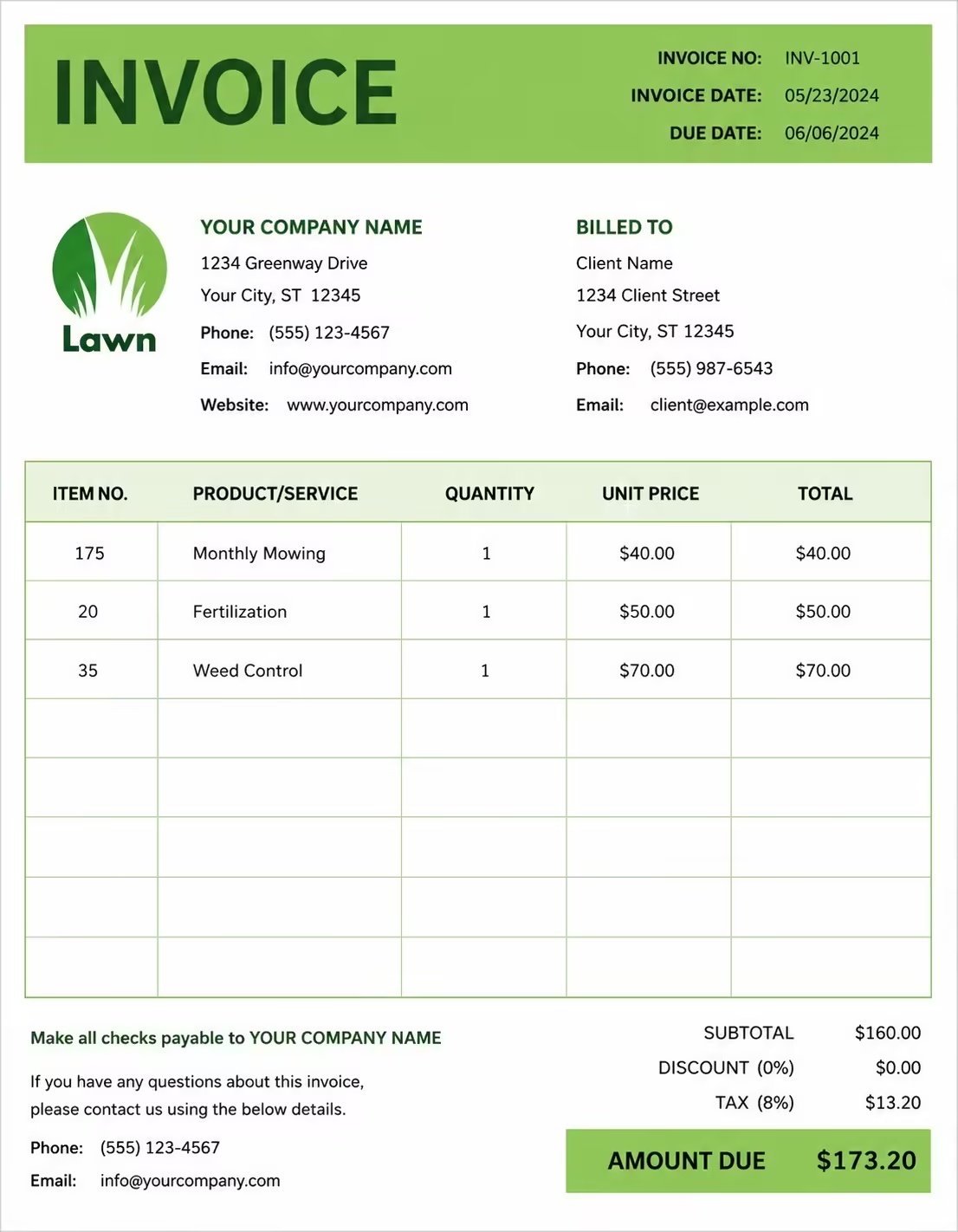
Free Accounting Invoice Template
Free invoice templates for accountants, accounting firms, bookkeepers, tax preparers, payroll providers, audit consultants, financial advisors, CPA firms, virtual accounting teams, and freelance accounting professionals. Download and edit in PDF, Word, Excel, Google Docs, or Google Sheets.
Use this accounting invoice template to bill for bookkeeping, tax preparation, payroll processing, financial reporting, audit support, reconciliation, advisory sessions, monthly retainers, cleanup work, catch-up accounting, filing support, taxes, discounts, deposits, and payment terms in a clear professional format.
Download the app and manage invoices anywhere


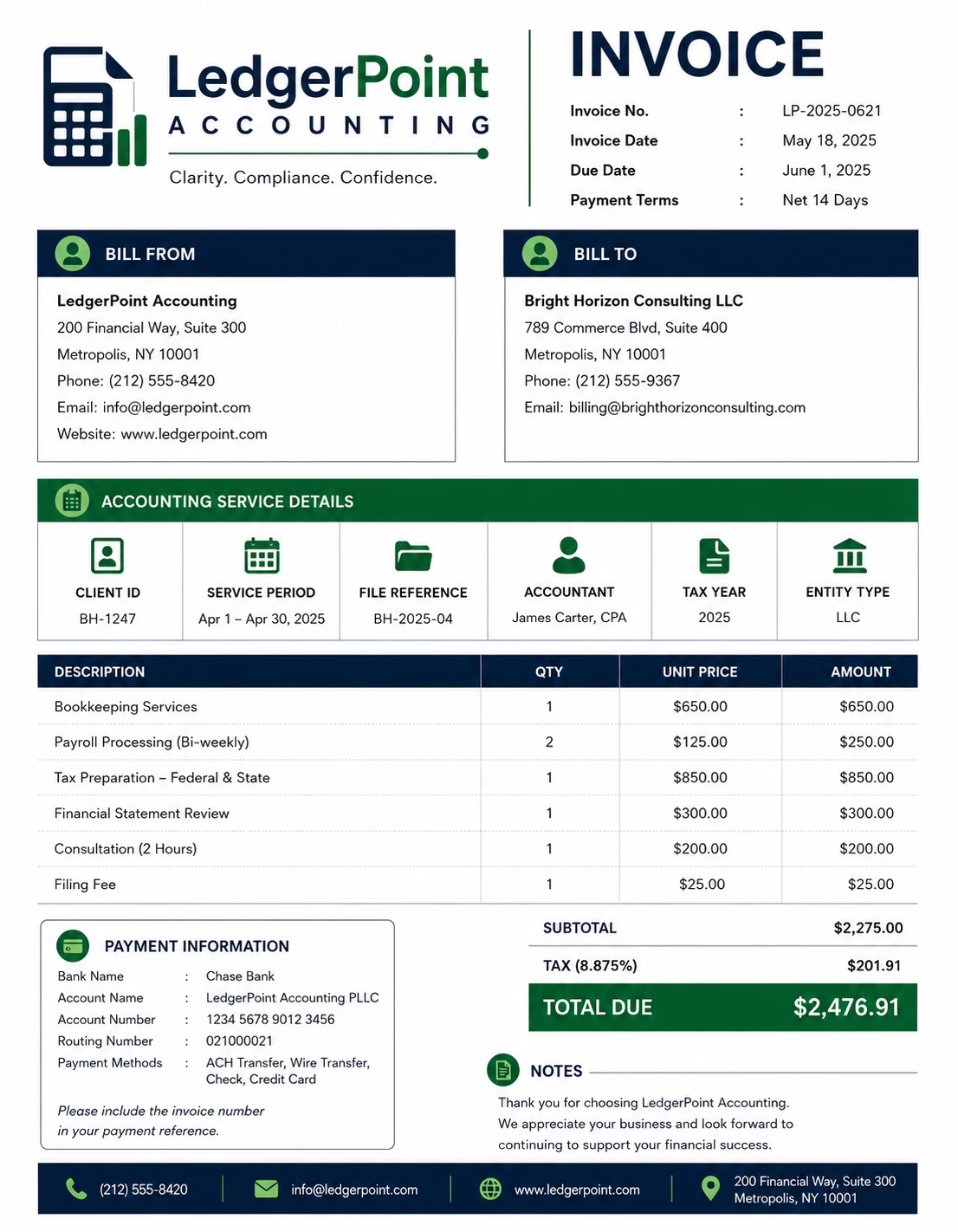
Download Free Accounting Invoice Templates
Download a template, then edit it in PDF, Word, Excel, Google Docs, or Google Sheets. Print it, save it, or send it to a client, business owner, finance department, tax contact, or accounts payable team when accounting work is ready for billing.
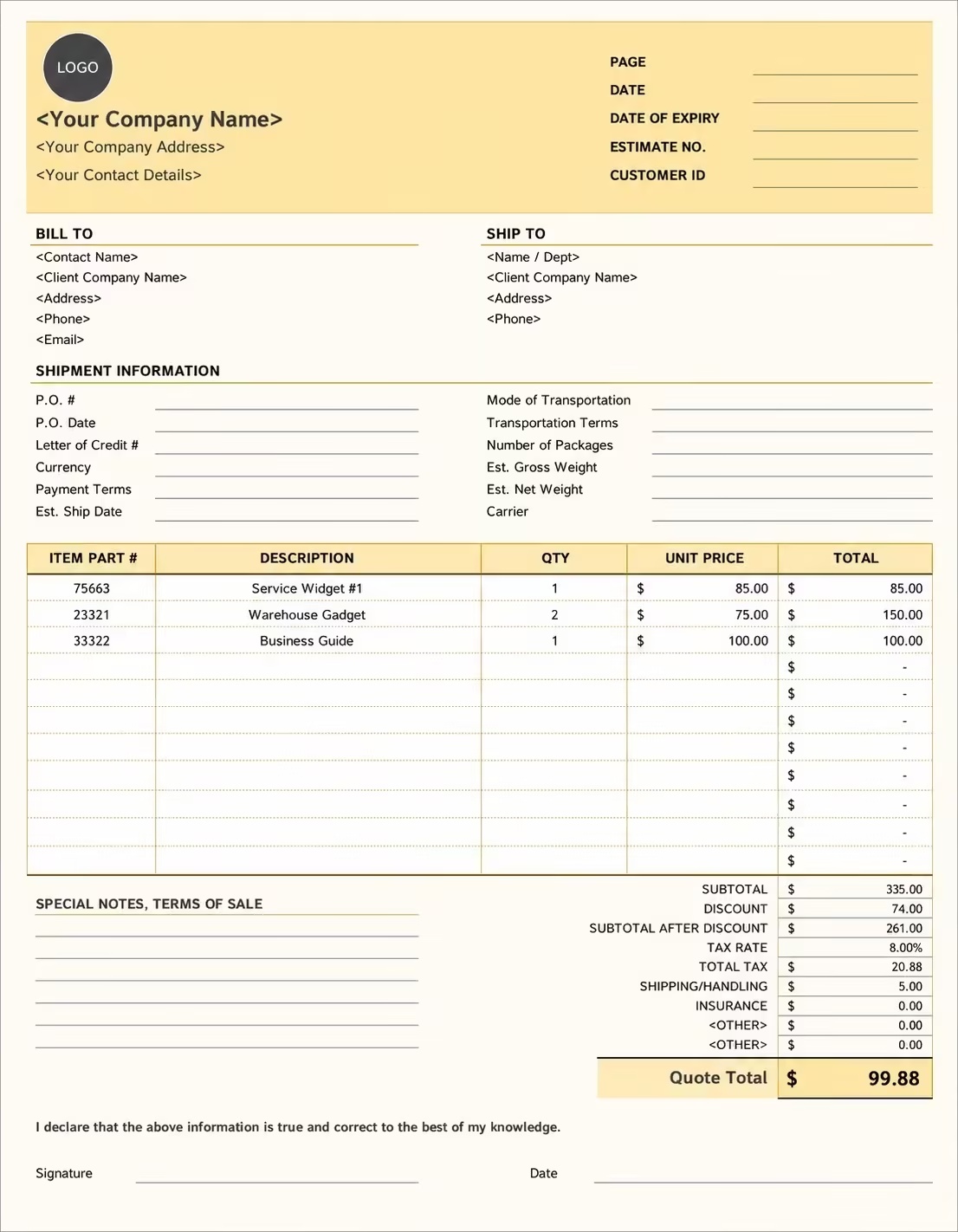
Editable Accounting Invoice Template
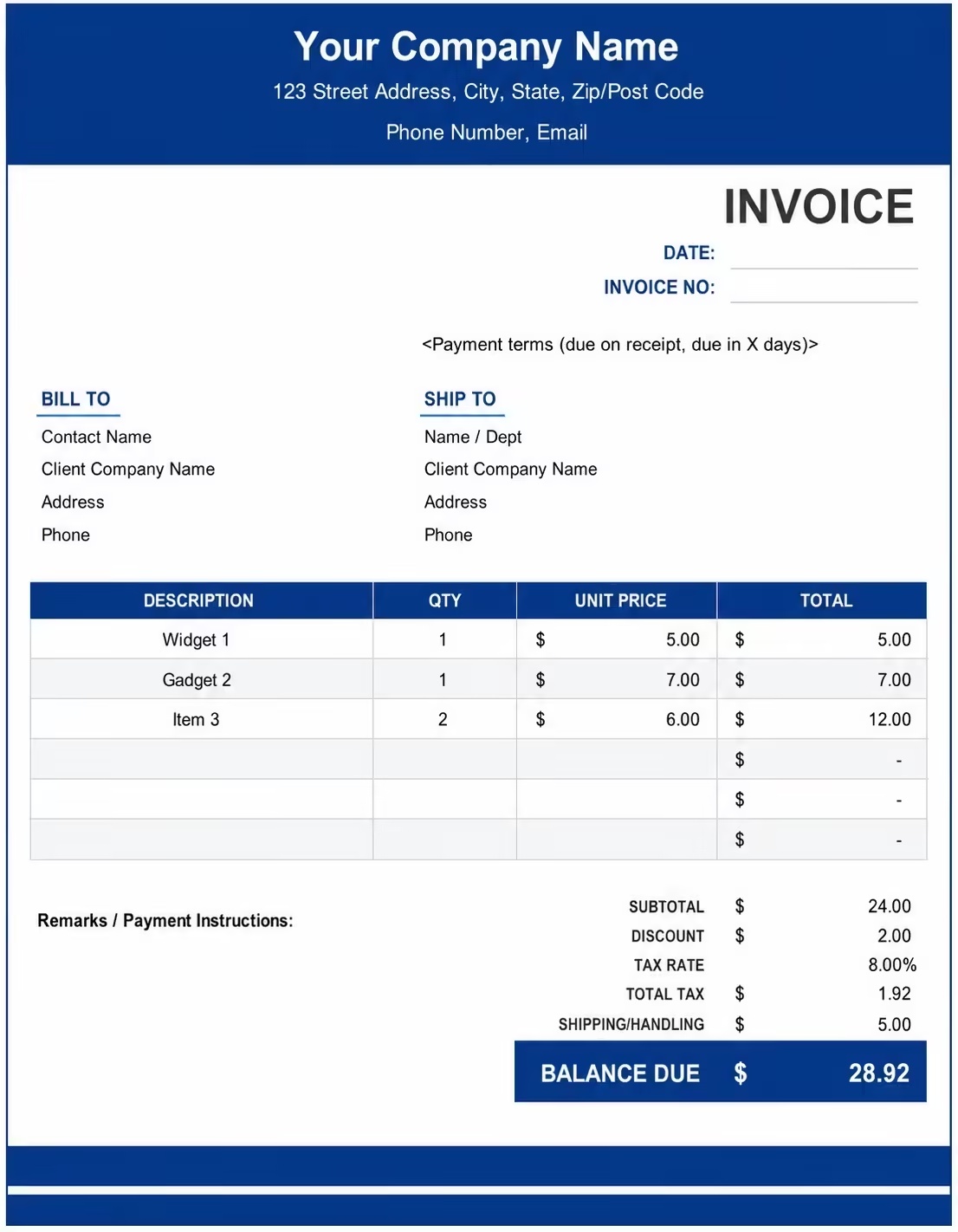
Printable Accounting Invoice Template
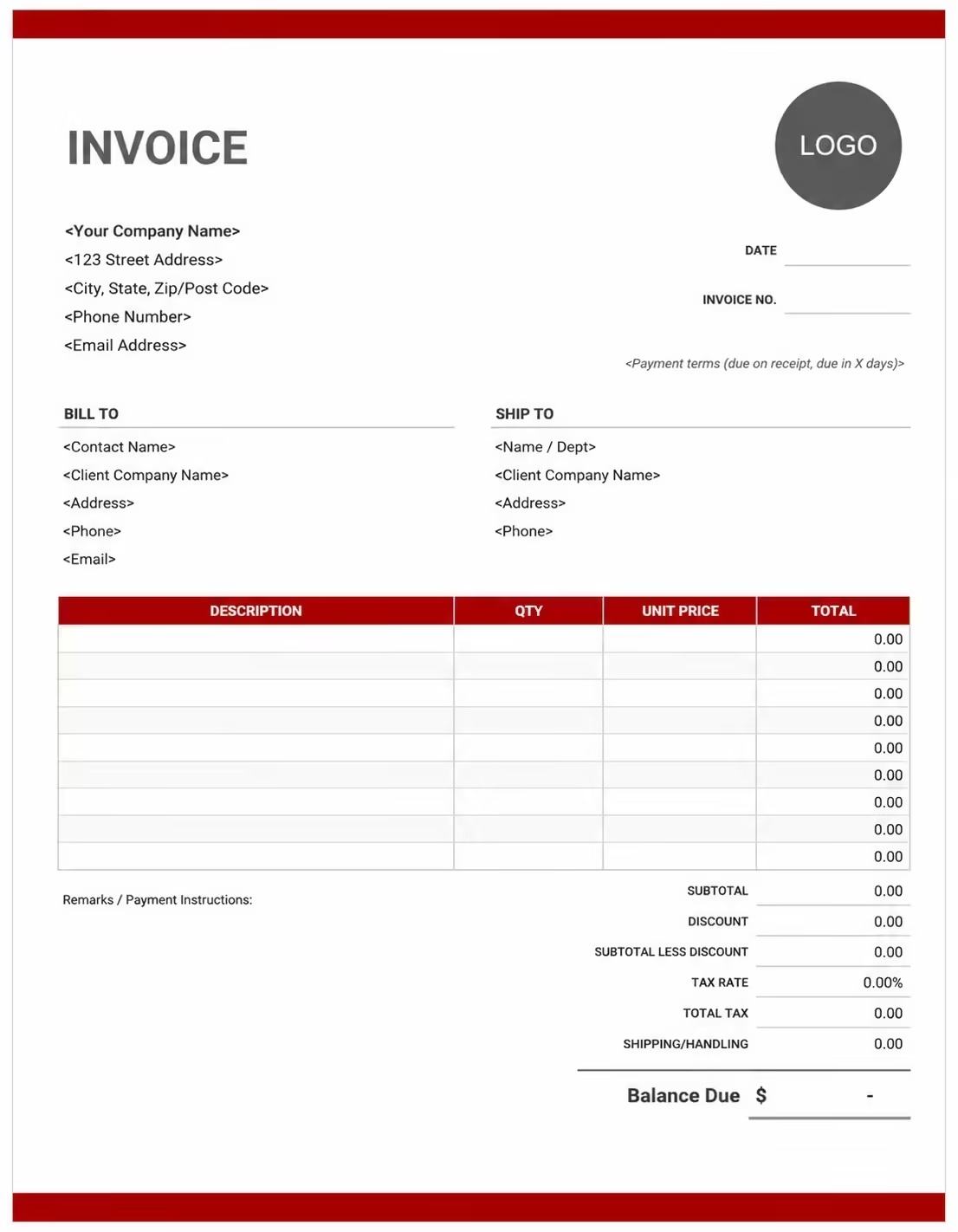
Free Accounting Invoice Template
Use these templates for bookkeeping, monthly accounting, payroll, tax preparation, audit support, financial reports, reconciliation, cleanup projects, advisory work, retainers, taxes, deposits, and final accounting service balances.
How to Invoice for Accounting Services
A good accounting invoice should clearly show the client, accounting service, billing period, work completed, professional fees, taxes, retainers, deposits, and payment due date.
Download Free TemplateIn 5 Steps:
- Confirm the client details, billing contact, accounting service, billing period, engagement scope, hourly rate or package fee, tax rules, deposits, retainers, and due date before preparing the invoice.
- List the accounting work completed, such as bookkeeping, tax preparation, payroll, reconciliations, monthly close, financial statements, audit support, advisory work, cleanup, or filing assistance.
- Separate recurring accounting fees from one-time services, catch-up work, software charges, filing fees, advisory sessions, reimbursable costs, and any extra work outside the agreed package.
- Calculate the subtotal, taxes or VAT, discounts, retainers, deposits, previous payments, approved expenses, and final balance due so the client can review the invoice quickly.
- Send the invoice with payment instructions, engagement notes, tax-year references, reporting periods, client approval details, and any supporting notes needed for the client’s records.
With Invoize, accountants and bookkeeping teams can create invoices faster, save client details, reuse common accounting line items, add tax or deposits, separate monthly retainers from extra work, and track payments from one place.
What to Include in an Accounting Invoice
A professional accounting invoice should include the details needed to identify the accountant, client, service period, accounting work completed, pricing, payment terms, and final amount due.
Invoice and Client Details
- Invoice numberHelps track the accounting invoice, payment status, client record, tax-year reference, and internal billing history.
- Accounting business detailsShows the accountant, accounting firm, CPA practice, bookkeeper, payroll provider, or financial service business responsible for the work.
- Client or company detailsIncludes the client business name, billing contact, address, email, department, purchase order number, or accounts payable contact.
- Invoice date, due date, and billing periodShows when the invoice was issued, when payment is due, and which month, quarter, tax year, or accounting period is covered.
- Engagement or service referenceConnects the invoice to the correct bookkeeping engagement, tax return, payroll cycle, advisory project, audit support task, or reporting period.
Accounting Service Details
- Service typeLists whether the invoice covers bookkeeping, payroll, tax preparation, reconciliations, reporting, audit support, advisory, cleanup, or accounting setup.
- Work completedDescribes the specific accounting tasks completed, such as bank reconciliation, monthly close, tax filing support, payroll runs, or financial statement preparation.
- Billing methodShows whether the service is charged hourly, monthly, per payroll run, per tax return, per report, per project, or as a fixed retainer.
- Hours, quantities, or deliverablesExplains hours worked, number of payroll runs, tax forms, reports, accounts reconciled, statements prepared, or project milestones billed.
- Professional notesAdds useful notes about the accounting period, client documents received, filing deadlines, report delivery, review meetings, or extra work completed.
Payment and Final Notes
- Subtotal, tax, VAT, discounts, and total dueShows the final amount owed after accounting fees, adjustments, taxes, and discounts.
- Retainers, deposits, and previous paymentsShows advance retainers, monthly deposits, credits, partial payments, and remaining balance.
- Software, filing, or reimbursable costsSeparates accounting software fees, filing charges, postage, document retrieval, payroll platform charges, and approved reimbursements.
- Payment methodsLists bank transfer, card payment, online payment, check, wallet, or other accepted payment methods.
- Terms, deadlines, and scope notesRecords payment terms, late fees, filing deadlines, document requirements, client approvals, scope limits, or next billing cycle details.
Billing Scenarios for Accounting Invoices
Use clear invoice labels so clients, business owners, finance teams, and accounts payable departments understand the service type, billing period, fees, reimbursements, and final balance due.
| Scenario | Invoice line items | Best used for | How to describe it |
|---|---|---|---|
| Monthly bookkeeping invoice | Transaction categorization, bank reconciliation, monthly close, management reports | Bookkeepers and accounting firms. | Include billing month, accounts covered, included services, and monthly fee. |
| Tax preparation invoice | Business tax returns, personal tax returns, tax review, filing support | Tax preparers, CPAs, and accounting practices. | Mention tax year, return type, forms prepared, and filing support included. |
| Payroll services invoice | Payroll runs, payroll tax support, employee records, payslip processing | Payroll providers and accountants. | Show payroll period, number of employees, number of runs, and service fee. |
| Accounting cleanup invoice | Backlog cleanup, catch-up bookkeeping, account corrections, historical reconciliations | Bookkeepers handling overdue accounts. | List months cleaned up, accounts reviewed, and extra work completed. |
| Financial reporting invoice | Profit and loss statement, balance sheet, cash flow report, management summary | Accountants preparing reports. | Include report period, report type, and delivery date. |
| Audit support invoice | Document preparation, schedules, audit questions, support work | Accounting teams helping with audits. | Mention audit period, documents prepared, and support hours. |
| Advisory invoice | Financial advice, cash flow review, budgeting, business planning | Accountants and financial advisors. | Show session dates, topics covered, and advisory fee. |
| Quarterly accounting invoice | Quarterly reports, reconciliations, tax estimates, review meeting | Businesses billed quarterly. | State quarter, included services, and payment due date. |
| Accounting setup invoice | Chart of accounts, software setup, opening balances, workflow setup | Accountants onboarding new clients. | List setup tasks, accounting software, and fixed setup fee. |
| Year-end accounts invoice | Year-end close, adjustments, financial statements, tax-ready records | Accountants preparing annual records. | Include fiscal year, closing tasks, and statements prepared. |
| Bookkeeping retainer invoice | Ongoing accounting support, monthly reports, email support, reconciliations | Recurring accounting engagements. | Mention retainer month, included hours, and out-of-scope billing terms. |
| Accounting consultation invoice | One-time review, financial health check, systems advice, process guidance | Freelance accountants and consultants. | Show consultation date, duration, and recommendations provided. |
Create Invoice Now
☝️ Create a professional invoice in seconds.
Common Charges and Fees for Accounting Invoices
Accounting invoices often include bookkeeping fees, tax preparation fees, payroll charges, advisory fees, report preparation, cleanup work, software costs, filing fees, retainers, taxes, and late fees.
| Charge or service | Unit | When to use | How to show it |
|---|---|---|---|
| Bookkeeping fee | Month | For recurring transaction categorization and reconciliations. | Show billing period and included bookkeeping tasks. |
| Tax preparation fee | Return | For preparing individual, business, or entity tax returns. | Include tax year and return type. |
| Payroll processing fee | Run or month | For payroll calculation, payslips, and payroll support. | Show payroll period and number of employees. |
| Bank reconciliation fee | Account | For matching bank, credit card, or payment processor activity. | List accounts and reconciliation period. |
| Financial statement fee | Report | For profit and loss, balance sheet, and cash flow reports. | Mention report type and reporting period. |
| Accounting cleanup fee | Project | For catch-up work, historical corrections, and backlog cleanup. | Show months reviewed and cleanup scope. |
| Advisory fee | Hour or session | For accounting advice, cash flow review, budgeting, or planning. | Include session date and advisory topic. |
| Software setup fee | Project | For setting up accounting software, chart of accounts, and workflows. | List platform and setup tasks. |
| Filing fee | Filing | For tax filings, document submissions, or compliance forms. | Separate filing fees from professional service charges. |
| Audit support fee | Hour or project | For preparing schedules and assisting with audit questions. | Include audit period and support tasks. |
| Monthly retainer | Month | For ongoing accounting support under a fixed monthly plan. | State included services and billing month. |
| Rush fee | Project | For urgent tax, payroll, or reporting deadlines. | Show rush charge separately with deadline notes. |
| Reimbursable costs | Expense | For approved software, postage, document fees, or platform costs. | Attach or describe approved expenses. |
| Tax or VAT | Invoice | For required tax on accounting services. | Apply tax according to local rules. |
| Late payment fee | Invoice | For overdue invoices when allowed by agreement. | Mention due date and late fee terms clearly. |
Common Accounting Invoicing Mistakes
Accounting invoices should be accurate, clear, and easy for clients to match with the correct service period, engagement, tax year, and payment record.
| Mistake | Why it causes problems | How to fix it |
|---|---|---|
| Missing the billing period | Clients may not know which month, quarter, payroll run, or tax year the invoice covers. | Add a clear service period or tax-year reference on every invoice. |
| Using vague service descriptions | Terms like accounting work or admin support can cause questions and delays. | List the actual service, such as bookkeeping, payroll, tax prep, reconciliation, or reporting. |
| Combining retainers and extra work | Clients may dispute charges if out-of-scope work is not separated. | Separate monthly retainers from cleanup work, advisory sessions, filing fees, or extra tasks. |
| Not showing previous payments | Deposits and retainers can be missed, causing balance confusion. | Show retainers, deposits, credits, and remaining balance clearly. |
| Leaving out tax-year details | Tax preparation invoices can be difficult to identify later. | Include tax year, return type, and filing reference where relevant. |
| Forgetting software or filing fees | Pass-through costs may look like hidden charges if not explained. | Separate software fees, filing charges, platform costs, and reimbursements. |
| No payment terms | Clients may delay payment if the due date or payment method is unclear. | Add due date, accepted payment methods, late fee terms, and bank details. |
| Incorrect totals | Small calculation mistakes reduce trust and create extra back-and-forth. | Review subtotals, taxes, discounts, deposits, and balance due before sending. |
| Missing client billing contact | Invoices can get stuck if they are sent to the wrong person. | Include the correct business name, department, and accounts payable contact. |
| Not documenting scope limits | Clients may expect unpaid extra work beyond the accounting engagement. | Add notes for included services, out-of-scope tasks, and next billing cycle. |
| Sending invoices too late | Late invoicing can affect cash flow and client payment habits. | Invoice right after the service period, payroll run, tax filing, or report delivery. |
| Not keeping a consistent invoice number | Accounting clients often need clean records for bookkeeping and tax files. | Use a unique invoice number and consistent numbering system for every client. |
More Invoice Templates You May Like
Explore closely related invoice templates for accounting work, similar services, and nearby billing scenarios before choosing the best format for your customer.
Questions
Frequently Asked Questions
What is an accounting invoice?
An accounting invoice is a billing document used by accountants, bookkeepers, CPA firms, tax preparers, payroll providers, and financial service businesses to charge clients for accounting work.
What should an accounting invoice include?
It should include business details, client details, invoice number, invoice date, due date, billing period, accounting service description, rates, taxes, deposits, payments, and final balance due.
Can I use this template for bookkeeping services?
Yes. The template works for monthly bookkeeping, bank reconciliation, transaction categorization, reports, cleanup work, and recurring bookkeeping retainers.
Can I use this template for tax preparation?
Yes. Add the tax year, return type, forms prepared, filing support, tax consultation, and any filing or document charges as separate line items.
How do I invoice for payroll services?
List the payroll period, number of employees, number of payroll runs, payroll tax support, payslip processing, and the service fee or monthly payroll package.
Should accounting retainers be shown on the invoice?
Yes. Show monthly retainers, deposits, previous payments, credits, and remaining balance clearly so the client can understand what is still due.
Can I add software fees to an accounting invoice?
Yes. If approved by the client, list accounting software fees, payroll platform charges, filing fees, postage, document costs, and other reimbursements separately.
How do I invoice for accounting cleanup work?
Mention the months or years cleaned up, accounts reviewed, corrections made, reconciliations completed, and whether the work is billed hourly or as a fixed project.
What payment terms should accounting invoices use?
Common terms include due on receipt, Net 7, Net 15, or Net 30. For recurring accounting work, many firms use monthly retainers or upfront billing.
Can I use this template for freelance accounting work?
Yes. Freelance accountants can use it for bookkeeping, tax preparation, reporting, payroll support, consulting, cleanup projects, and recurring client work.