
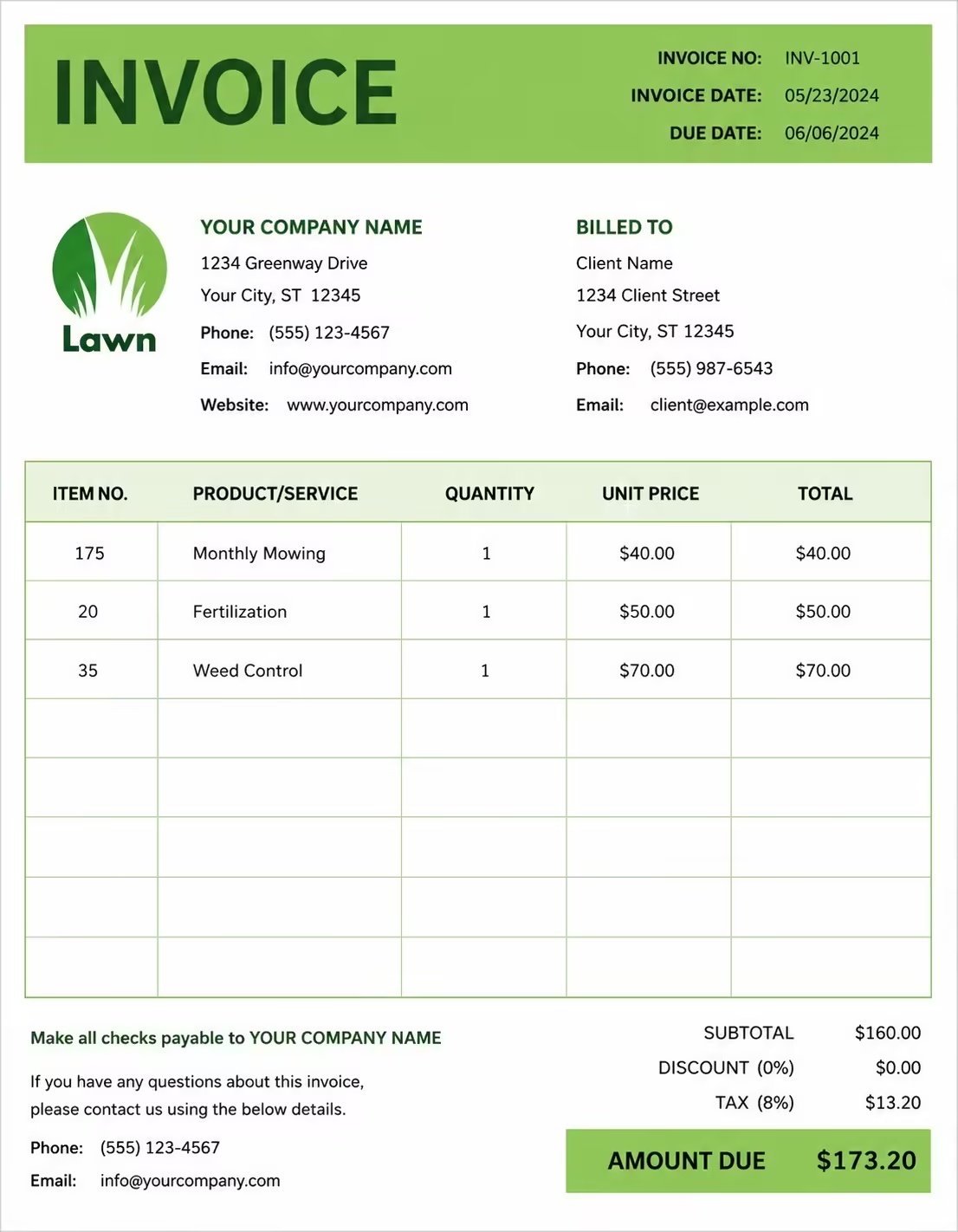
Free Contractor Invoice Template
Free invoice templates for general contractors, independent contractors, subcontractors, home improvement professionals, renovation teams, repair specialists, and project-based service providers. Download and edit in PDF, Word, Excel, Google Docs, or Google Sheets.
Use this contractor invoice template to bill for labor, materials, subcontractor work, equipment, travel, permits, deposits, progress payments, change orders, taxes, and payment terms in a clear and professional way.
Download the app and manage invoices anywhere


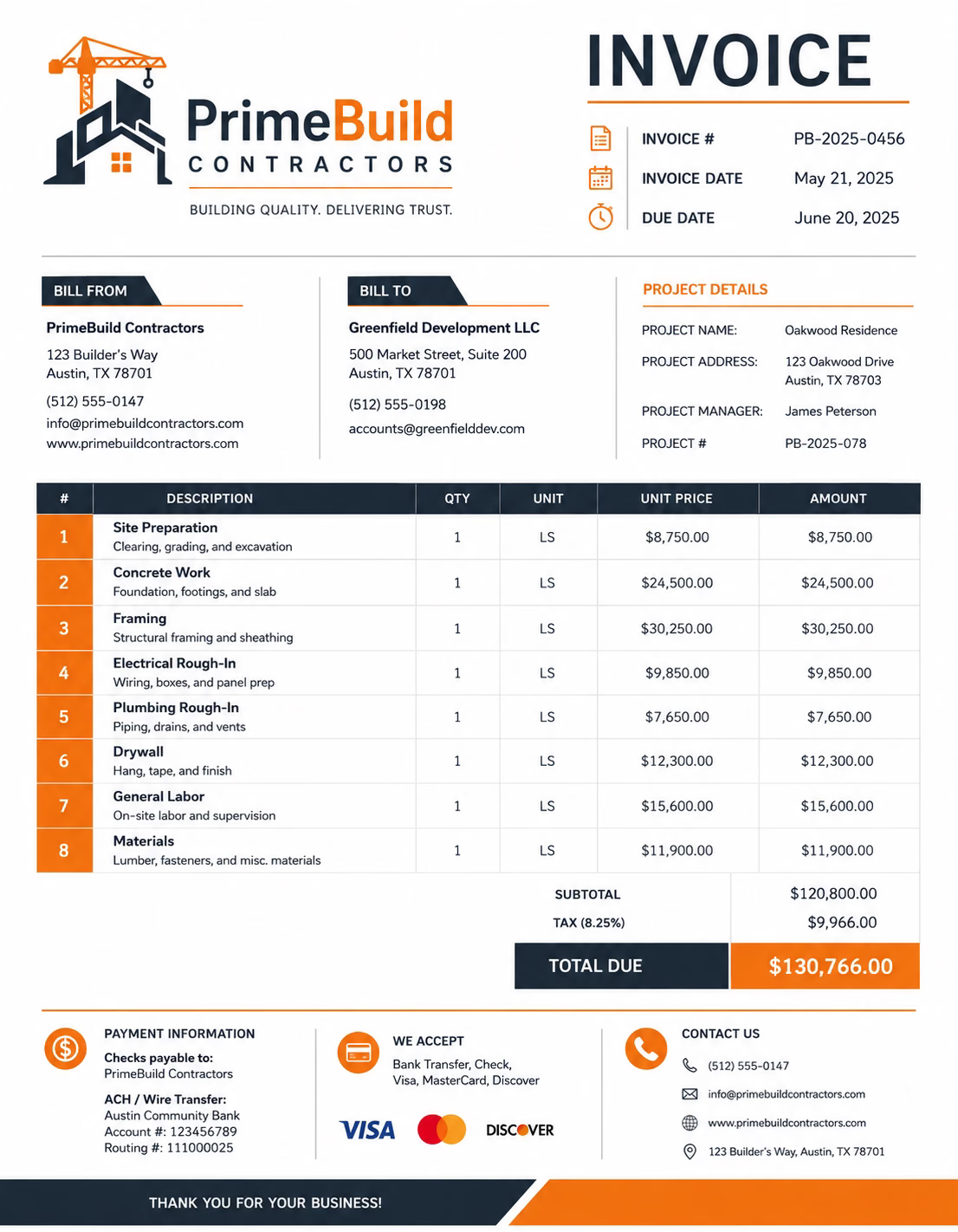
Download Free Contractor Invoice Templates
Download a contractor invoice template, then edit it in PDF, Word, Excel, Google Docs, or Google Sheets. Print it, save it, or send it to your client when a job, project phase, repair, or service call is ready to bill.
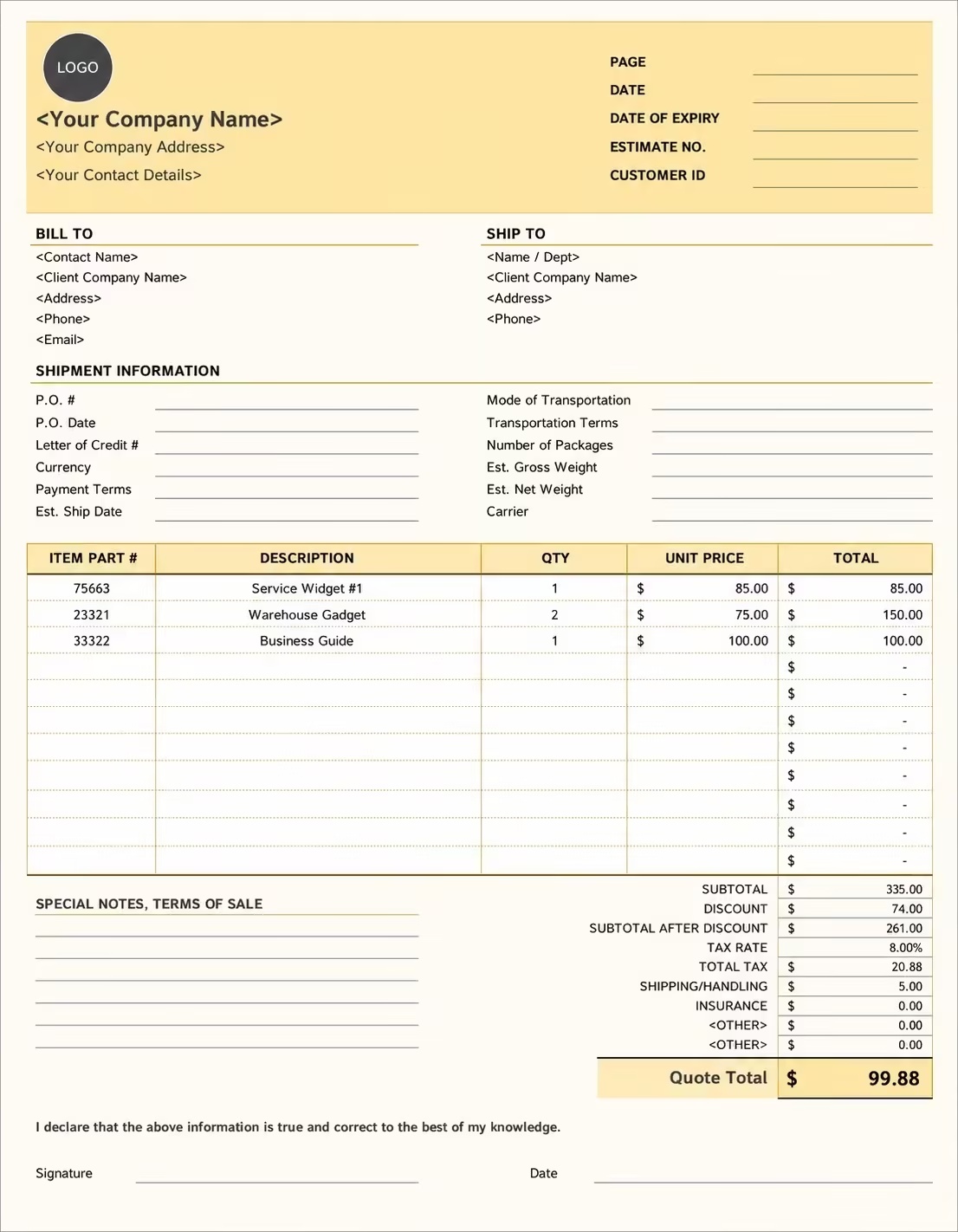
Editable Contractor Invoice Template
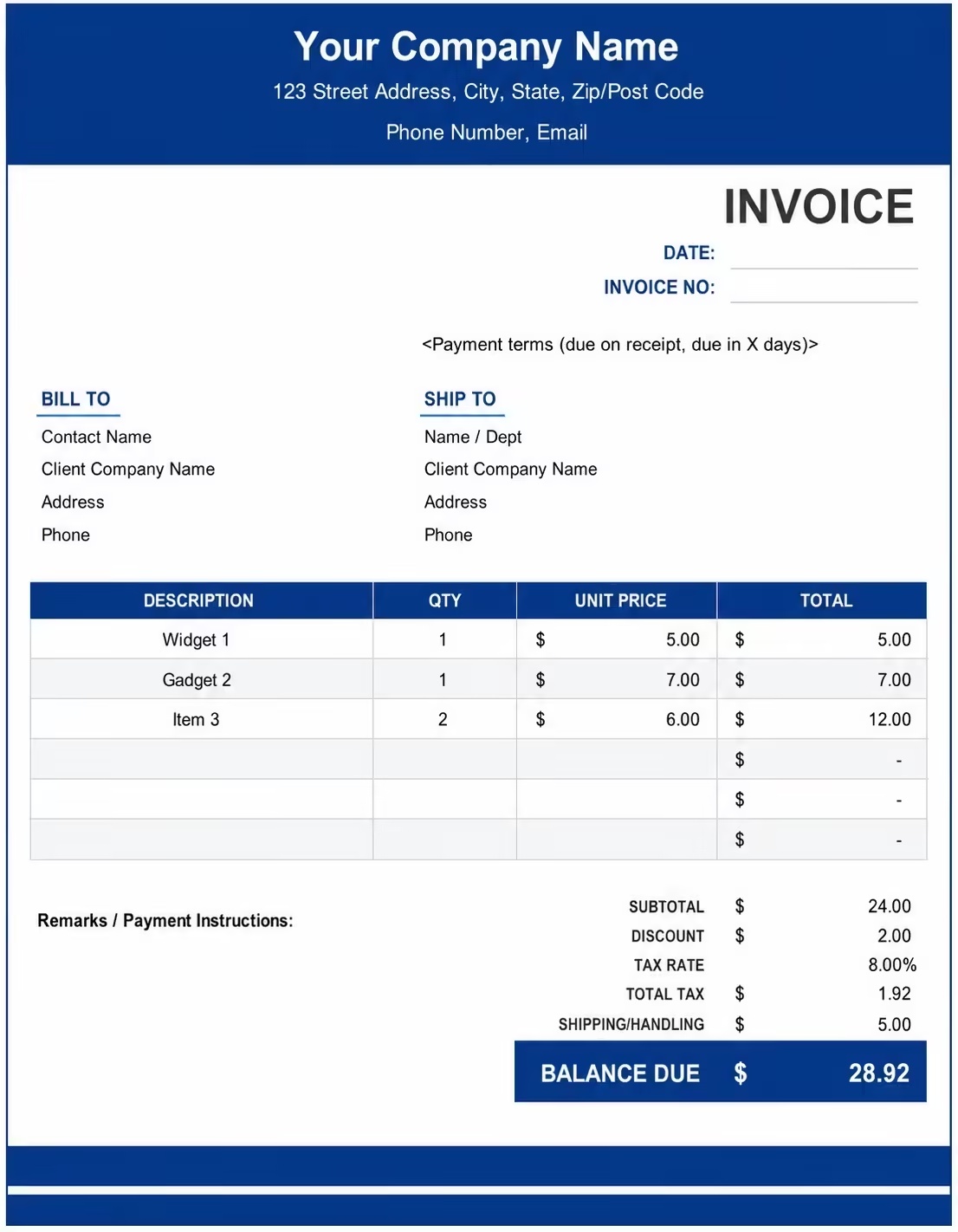
Printable Contractor Invoice Template
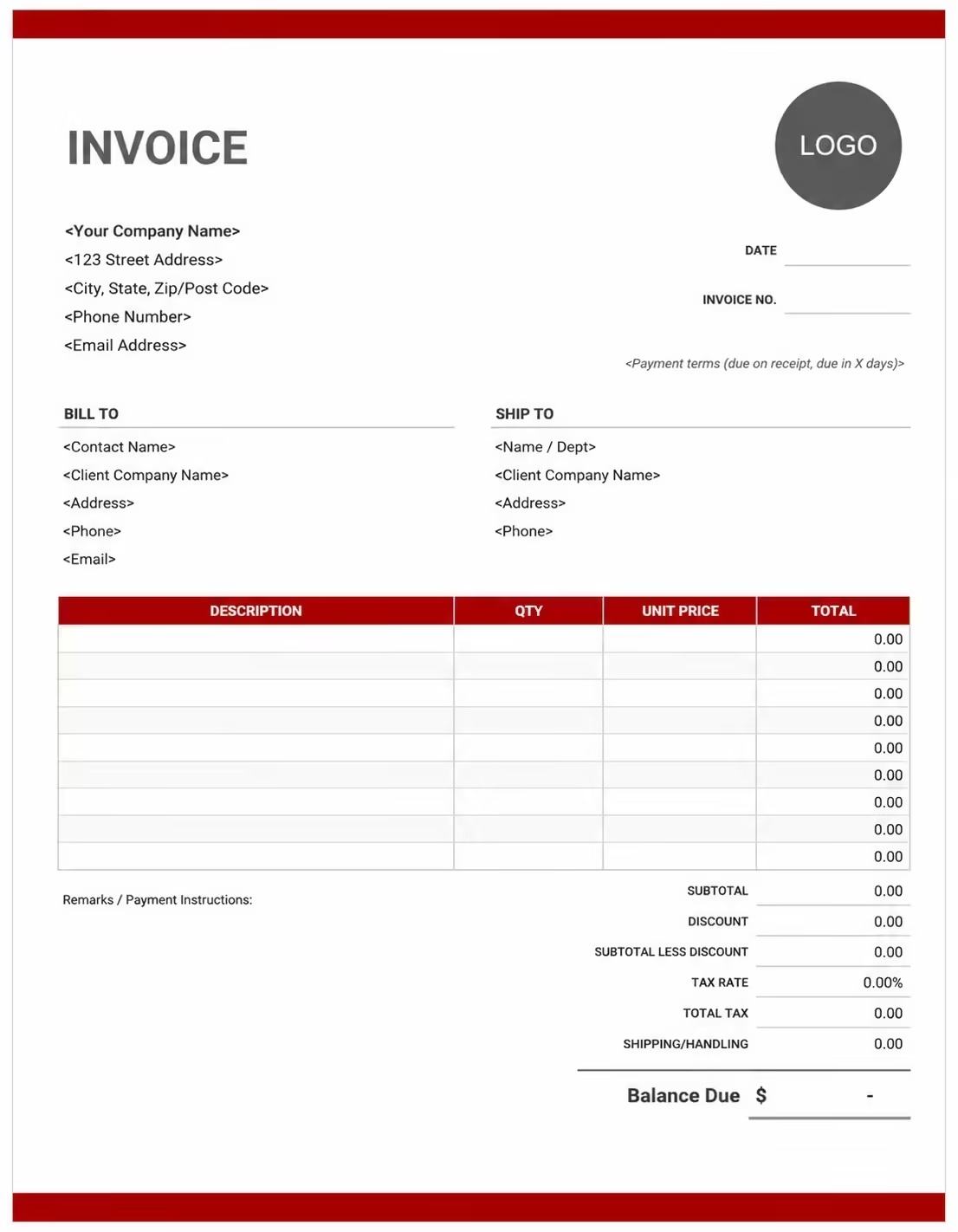
Free Contractor Invoice Template
Use these templates for general contractors, subcontractors, home repair contractors, remodeling businesses, installation teams, maintenance providers, and project-based service professionals.
How to Invoice for Contractor Work
A good contractor invoice should clearly show the project details, work completed, labor charges, materials used, job expenses, taxes, deposits, and payment terms.
Download Free TemplateIn 5 Steps:
- Confirm the scope of work, job location, client details, rates, materials, payment schedule, and any deposit before starting the invoice.
- Record completed work, labor hours, materials used, subcontractor costs, equipment charges, travel, and approved change orders.
- Separate labor, materials, project expenses, permits, taxes, discounts, deposits, and balance due so the client can review the total easily.
- Add invoice number, project reference, service dates, due date, payment methods, and any terms related to late fees or final handover.
- Send the invoice, save the record, and track whether the invoice is unpaid, partially paid, paid, overdue, or ready for follow-up.
With Invoize, contractors can create invoices faster, save client details, reuse service items, add materials, track payment status, and manage billing from anywhere.
What to Include in a Contractor Invoice
A professional contractor invoice should include the details needed to identify the client, job, work completed, charges, payment schedule, and final balance.
Invoice and Job Details
- Invoice numberHelps track the invoice, payment, and customer record.
- Estimate or project referenceConnects the invoice to the original quote, contract, work order, or approved job.
- Business name and contact detailsShows who completed or managed the contractor work.
- Client name and contact detailsIdentifies who is responsible for payment.
- Job location and service datesShows where and when the contractor work was completed.
Labor, Materials, and Project Costs
- Contractor service descriptionExplains the work completed, such as repairs, installation, renovation, maintenance, or project management.
- Labor hours and hourly rateShows how labor charges were calculated.
- Fixed project feeShows the agreed amount when the job is billed as a flat-rate project.
- Materials and suppliesLists materials, parts, fixtures, hardware, consumables, or supplies used for the job.
- Subcontractor or equipment costsShows outside labor, tool rental, machinery use, or approved job expenses separately.
Payment and Final Notes
- Deposits or progress paymentsShows money already paid before the final balance.
- Change ordersRecords approved changes, extra work, or revised project costs.
- Taxes, discounts, and feesShows adjustments before the final total.
- Total amount dueShows the final amount the client needs to pay.
- Payment due date and methodsTells the client when payment is expected and how they can pay.
Billing Scenarios for Contractors
Use clear invoice labels so clients understand the type of contractor work, project costs, payment stage, and final amount due.
| Scenario | Invoice line items | Best used for | How to describe it |
|---|---|---|---|
| General contractor project | Project management, site labor, materials, subcontractor work, permit fees | Multi-service projects where one contractor manages the full job. | Separate management, labor, materials, and subcontractor charges so the client can review each cost. |
| Home improvement job | Repair labor, installation materials, fixtures, cleanup, travel | Bathroom updates, room repairs, fixture installation, or small renovation work. | Describe the work completed and list materials separately from labor. |
| Progress billing | Milestone payment, percentage completed, previous payments, balance due | Longer jobs billed by phase or project completion stage. | Show the completed milestone, amount billed, payments received, and remaining balance. |
| Labor-only contractor work | Hourly labor, crew hours, customer-supplied materials note | Jobs where the client provides materials and the contractor bills only for work performed. | Make it clear the invoice covers labor only, not materials. |
| Subcontractor billing | Specialist labor, service description, approved subcontractor cost | Electrical, plumbing, drywall, roofing, HVAC, or other subcontracted work. | List the subcontractor service separately so the cost is easy to understand. |
| Change order billing | Extra labor, added materials, revised scope, approved change order | Projects where the client requests extra work after the original agreement. | Reference the approved change order and show the added cost clearly. |
Create Invoice Now
☝️ Create a professional invoice in seconds.
Common Charges and Fees for Contractors
Itemize contractor charges clearly so clients can see labor, materials, job expenses, subcontractors, taxes, deposits, and any extra costs.
| Charge or service | Unit | When to use | How to show it |
|---|---|---|---|
| Contractor labor | Time | Use for installation, repairs, remodeling, maintenance, demolition, setup, or finishing work. | Show labor hours multiplied by the hourly rate with a short work description. |
| Project fee | Fixed price | Use when the full contractor job is billed as one agreed project amount. | List the project name, scope, and agreed price clearly. |
| Materials and supplies | Item or quantity | Use when charging for parts, fixtures, lumber, drywall, paint, hardware, fasteners, or consumables. | Show material name, quantity, unit price, and total cost. |
| Subcontractor work | Service | Use when approved specialist services are included in the contractor bill. | Add the subcontractor service type and amount so the client understands the cost. |
| Equipment or tool rental | Time or fee | Use when machinery, ladders, lifts, mixers, tools, or other rented equipment are used for the job. | List equipment separately from labor and materials. |
| Travel or service call fee | Fee | Use when charging for travel time, site visits, inspection, pickup, or dispatch. | Show it as a separate fee so the client understands why it was added. |
| Permit or inspection fee | Fee | Use when project permits, inspections, or required approvals are part of the cost. | Show the fee separately with a short note about what it covers. |
| Cleanup or disposal fee | Fee | Use when removing debris, packaging, old materials, or job-site waste. | Add it as a separate line with a short cleanup or disposal note. |
| Tax | Percentage or amount | Use when tax applies to labor, materials, or fees based on local rules. | Show tax before the final total so the client can see how the balance was calculated. |
| Deposit or partial payment | Credit | Use when the client paid before or during the contractor project. | Subtract it from the invoice total and show the remaining balance due. |
Common Contractor Invoicing Mistakes
Contractor work can include labor, materials, subcontractors, milestone payments, job-site costs, permits, and approved changes. Missing details can confuse clients or delay payment. Avoid these common mistakes.
| Mistake | Why it causes problems | How to fix it |
|---|---|---|
| Missing job details | The client may not know which job, address, phase, or billing period the invoice refers to. | Add project name, job location, service dates, and a clear description of the work completed. |
| Combining labor and materials in one line | Clients may not understand how the total was calculated. | Separate labor hours, labor rate, materials, quantities, and prices. |
| Not listing subcontractor costs | Outside labor may look hidden or unexplained. | List subcontractor services separately with a clear description and amount. |
| Forgetting deposits or progress payments | The final balance may look higher than expected. | Show deposits, milestone payments, and partial payments as credits before the balance due. |
| Leaving out change orders | Extra work may be questioned if it was not documented. | Record approved changes, added labor, extra materials, and revised totals. |
| Not adding payment terms | The client may not know when or how to pay. | Add due date, accepted payment methods, and any late payment terms you use. |
| Missing permit or job expense details | Project expenses may appear vague or disputed. | Show permits, inspections, travel, equipment, disposal, and other job costs as separate invoice lines. |
| Not saving invoice records | Tracking payments, repeat clients, project history, and tax records becomes harder. | Keep copies of every contractor invoice for your business records. |
More Invoice Templates You May Like
Explore closely related invoice templates for contractor work, similar services, and nearby billing scenarios before choosing the best format for your customer.
Questions
Frequently Asked Questions
What should a contractor invoice include?
A contractor invoice should include your business details, client details, job location, invoice number, service dates, work description, labor charges, materials, subcontractor costs, job expenses, taxes, deposits, payment terms, and total amount due.
How should contractors show labor charges on an invoice?
List labor by task, hourly rate, crew hours, or project phase instead of using one general total. Example: Bathroom remodel labor: 18 hours × $65/hr = $1,170 or Phase 1 demolition and prep: $950.
Can I include materials on a contractor invoice?
Yes. Add materials as separate line items with names, quantities, unit prices, and totals. Examples include lumber, drywall, flooring, paint, fixtures, hardware, adhesives, fasteners, and finishing supplies.
How do I invoice for subcontractor work?
Add subcontractor services as separate line items with a clear description of the work. Example: Electrical subcontractor: outlet relocation and wiring: $480 or plumbing subcontractor: sink connection and drain repair: $350.
How should I show deposits or progress payments?
Show the full project amount, the deposit received, any progress payments, and the remaining balance. Example: Project total: $8,000, deposit paid: $2,000, progress payment received: $3,000, balance due: $3,000.
Should change orders be listed separately?
Yes. List each approved change order separately with a short description and added cost. This keeps extra work separate from the original scope and helps avoid payment disputes.
Can this template work for independent contractors and subcontractors?
Yes. The contractor invoice template works for general contractors, independent contractors, subcontractors, remodeling teams, repair specialists, installers, and project-based service providers.
What payment terms should a contractor invoice include?
Include payment due date, accepted payment methods, deposit terms, milestone payment terms, late fee policy if used, and any notes about scheduling, completion, warranty, or final handover.