
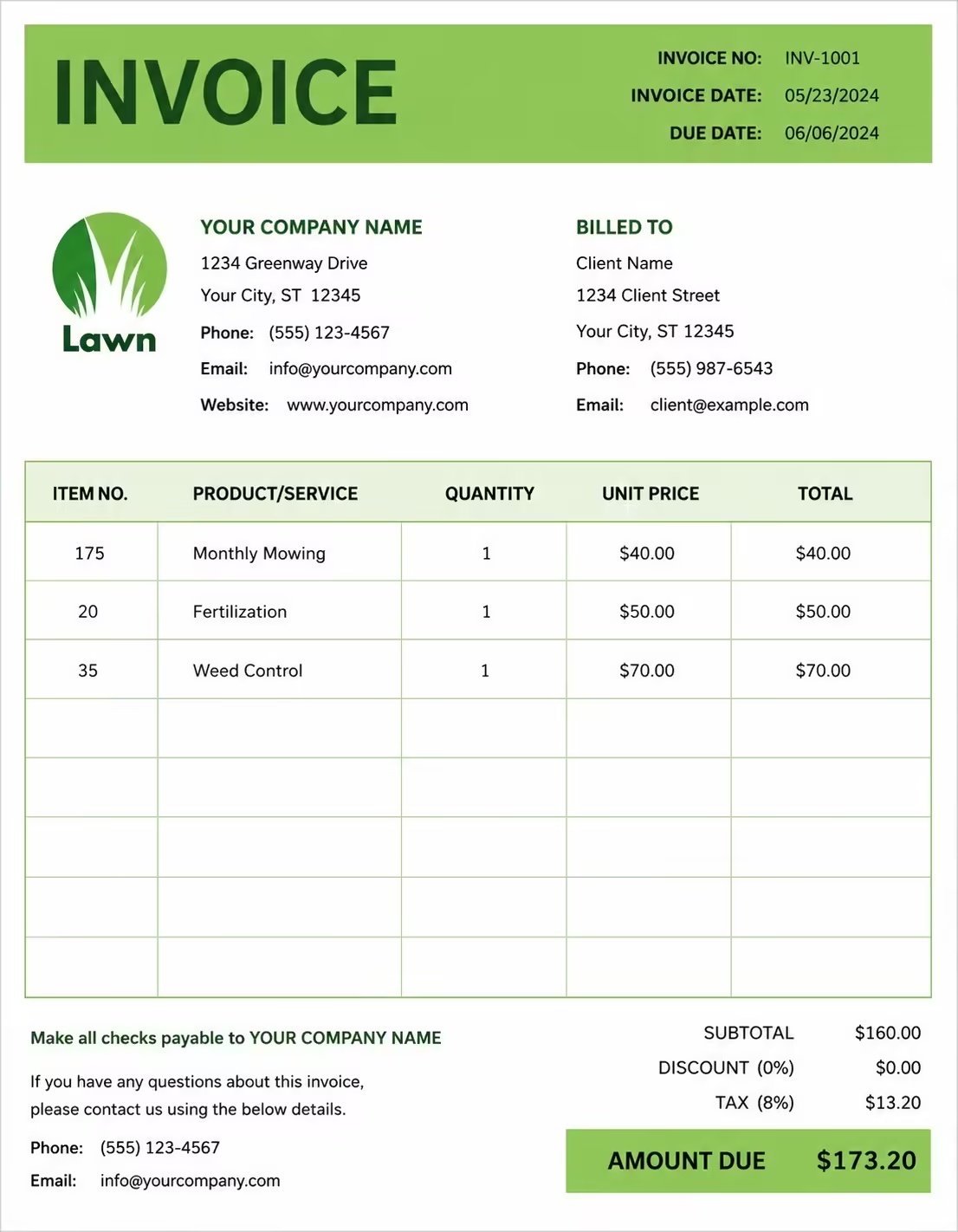
Free Freelance Invoice Template
Free invoice templates for freelancers, independent contractors, consultants, designers, writers, developers, marketers, virtual assistants, creatives, and self-employed professionals. Download and edit in PDF, Word, Excel, Google Docs, or Google Sheets.
Use this freelance invoice template to bill for hourly work, fixed-price projects, retainers, milestones, revisions, consultations, deliverables, expenses, deposits, taxes, discounts, and final client balances in a clear and professional way.
Download the app and manage invoices anywhere


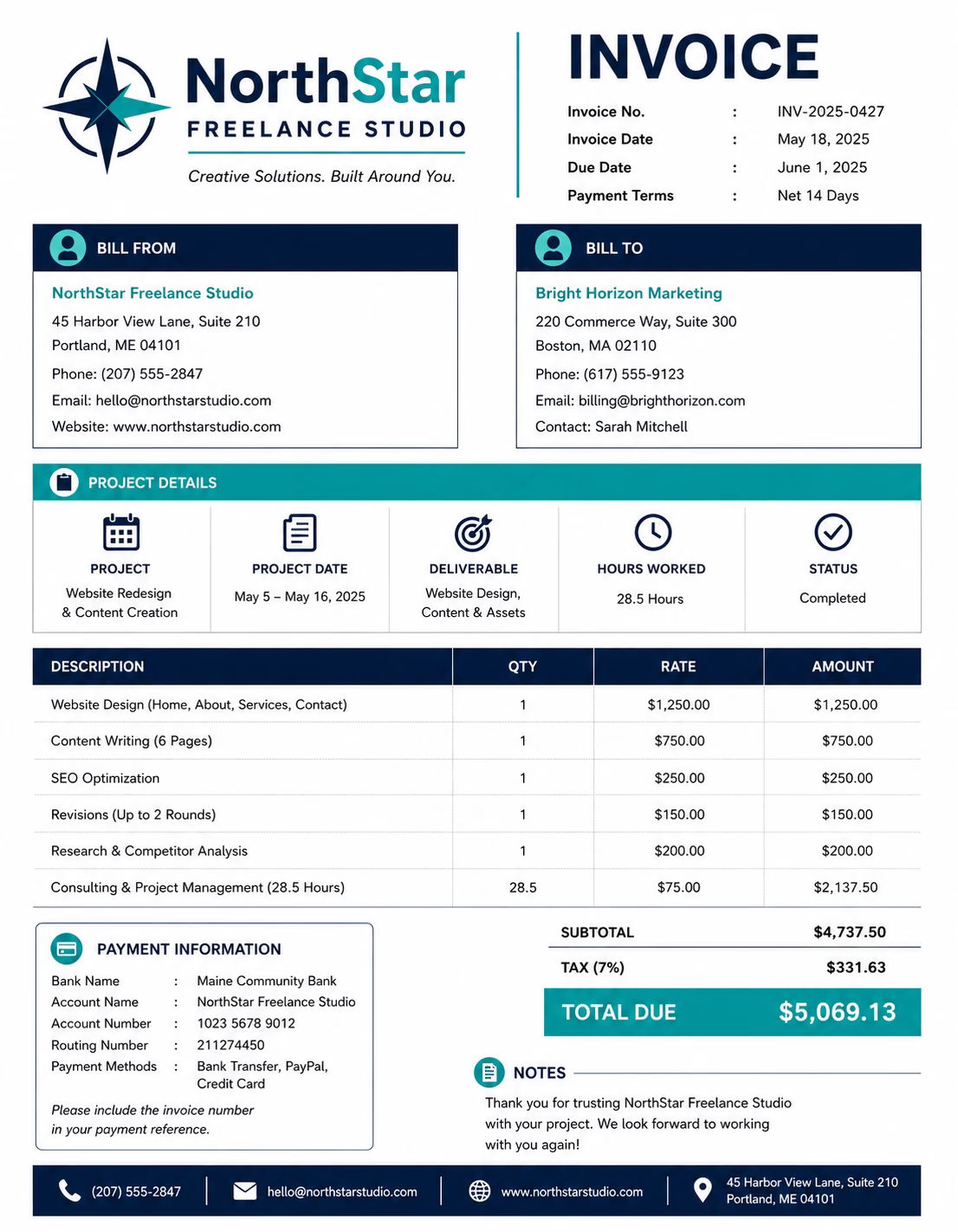
Download Free Freelance Invoice Templates
Download a template, then edit it in PDF, Word, Excel, Google Docs, or Google Sheets. Print it, save it, or send it to your client after the freelance project, milestone, hourly work, retainer period, or consultation is complete.
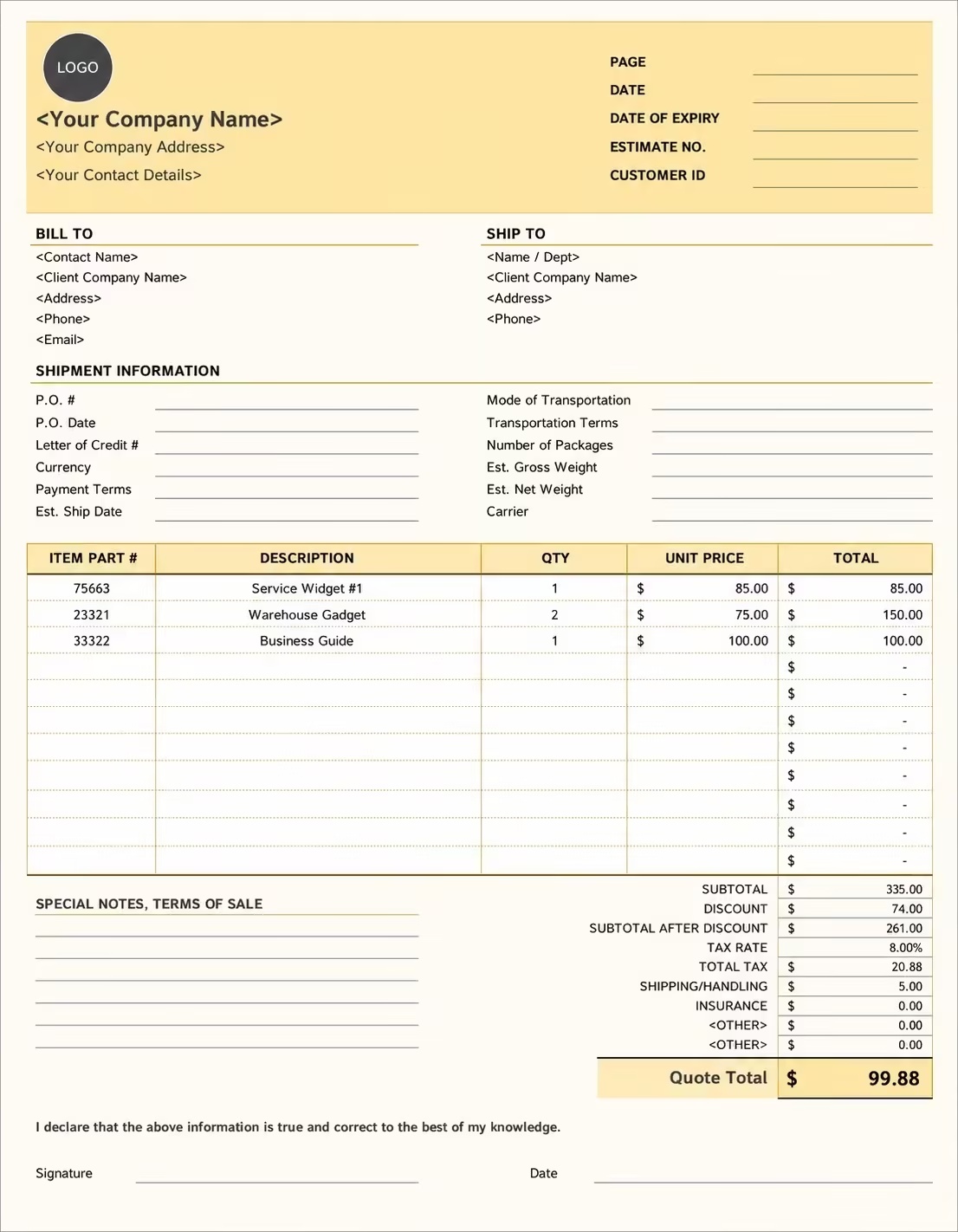
Editable Freelance Invoice Template
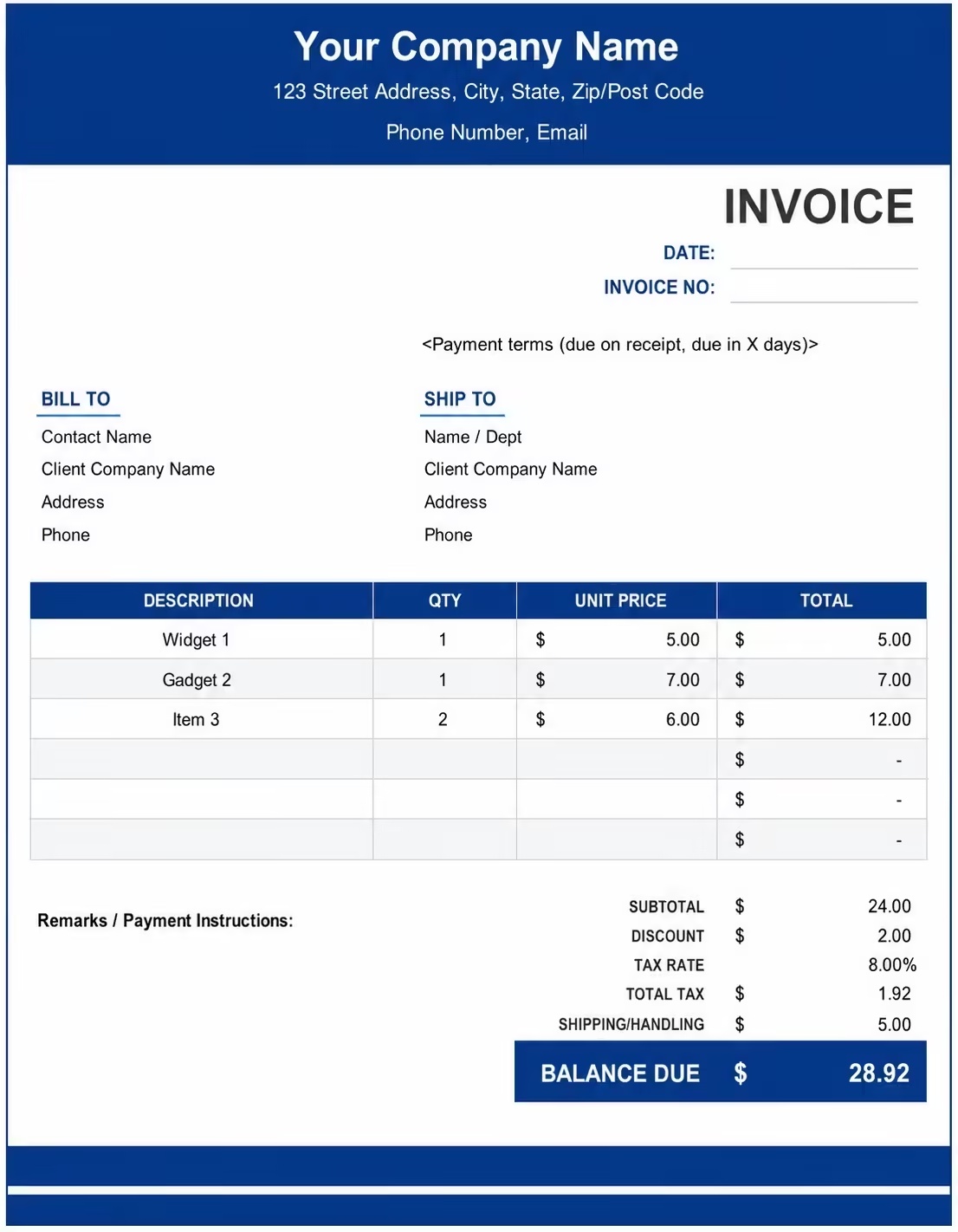
Printable Freelance Invoice Template
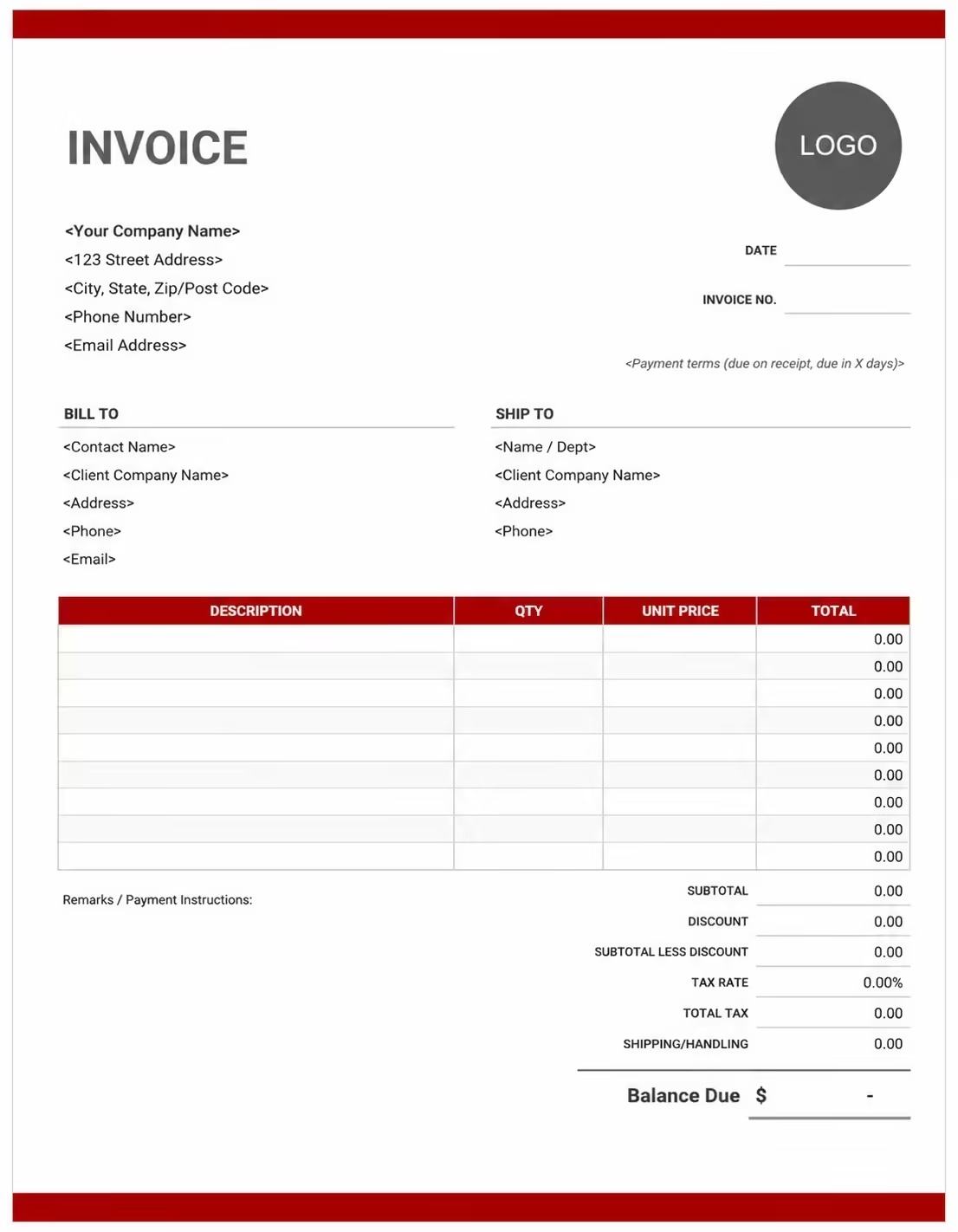
Free Freelance Invoice Template
Use these templates for freelancers, consultants, independent contractors, creative professionals, developers, writers, designers, marketers, virtual assistants, and self-employed businesses billing clients for freelance work.
How to Invoice for Freelance Work
A good freelance invoice should clearly show who the client is, what work was completed, how the work is priced, what expenses or deposits apply, and when payment is due.
Download Free TemplateIn 5 Steps:
- Confirm the client details, project scope, billing method, hourly rate, fixed fee, milestone amount, retainer terms, approved expenses, tax rules, deposit amount, and payment due date before preparing the invoice.
- Add invoice details such as the invoice number, invoice date, due date, client name, company name, project name, purchase order number if needed, and billing period.
- List each freelance service clearly, including design, writing, development, marketing, consulting, virtual assistance, research, editing, support, revisions, meetings, or project management work.
- Separate hourly work, fixed project fees, milestones, retainers, rush fees, revisions, reimbursable expenses, discounts, taxes, deposits, and the final balance due so the client can review the invoice quickly.
- Send the invoice with accepted payment methods, bank or online payment details, payment terms, late fee policy, delivery notes, approval references, or next milestone information when applicable.
With Invoize, you can create freelance invoices faster, save client details, reuse common service line items, add hourly or fixed-fee work, include expenses and deposits, and track paid, unpaid, and overdue invoices from your phone.
What to Include in a Freelance Invoice
A professional freelance invoice should include the details needed to identify the client, project, work completed, pricing method, payment terms, and final balance.
Invoice and Client Details
- Invoice numberHelps track the invoice, payment record, project, client account, and billing history.
- Client name, company name, billing contact, and addressShows who requested the freelance work and who is responsible for payment.
- Freelancer name, business name, address, email, phone, and websiteShows who completed the work and where payment should be sent.
- Project name, contract reference, purchase order, or milestone nameConnects the invoice to the correct freelance project, agreement, task list, or milestone.
- Invoice date, due date, service date, billing period, or milestone dateShows when the work was completed, which period is covered, and when payment is expected.
Freelance Service Details
- Service descriptionExplains the work performed, such as writing, design, development, marketing, consulting, editing, research, or support.
- Billing methodShows whether the work is billed hourly, per project, per milestone, per deliverable, per day, or as a monthly retainer.
- Hours, deliverables, revisions, meetings, or project unitsShows how the freelance work quantity and pricing were calculated.
- Rate, unit price, hourly fee, retainer fee, or fixed project amountShows the agreed pricing method for each line item.
- Scope notes, approval details, or delivery referencesGives clients context for reviewing completed tasks, deliverables, milestone approvals, or revision rounds.
Payment and Final Notes
- Service fees, expenses, rush fees, and reimbursable costsSeparates different cost types so the client can review each amount clearly.
- Discounts, deposits, retainers, milestone payments, or advance paymentsShows prepaid amounts, credits, package discounts, and remaining balance.
- Subtotal, tax, fees, and total amount dueShows the final amount the client needs to pay.
- Payment methodsLists bank transfer, card payment, PayPal, Stripe, Wise, check, or other accepted payment options.
- Freelance notes and payment termsRecords due date, late fees, revision limits, delivery notes, approval status, or next milestone details.
Billing Scenarios for Freelancers
Use clear invoice labels so clients understand the freelance service delivered, billing period, hours, deliverables, expenses, taxes, deposits, and final amount due.
| Scenario | Invoice line items | Best used for | How to describe it |
|---|---|---|---|
| Hourly freelance work | Hours worked, hourly rate, task descriptions, billing period | Freelancers, consultants, assistants, developers, and support providers. | Attach or summarize timesheet details when needed. |
| Fixed-price project | Project title, agreed scope, fixed fee, delivery date | Designers, writers, developers, marketers, and creative freelancers. | Mention what deliverables are included in the fixed price. |
| Milestone invoice | Milestone name, completed phase, amount due, approval date | Longer freelance projects with staged payments. | Show the milestone number or project phase clearly. |
| Monthly retainer | Billing month, included services, retainer fee, extra work | Consultants, marketers, designers, developers, and ongoing clients. | Separate retainer work from out-of-scope charges. |
| Per-deliverable billing | Deliverable names, quantities, unit price, revision details | Writers, designers, content creators, and production freelancers. | List each deliverable so the client can verify the total. |
| Consultation session | Meeting date, session length, topic, hourly or session fee | Freelance consultants, coaches, strategists, and advisors. | Add meeting notes or consultation topic for clarity. |
| Rush project invoice | Expedited timeline, rush fee, project details, final total | Freelancers completing urgent work. | Separate rush fees from standard service charges. |
| Expense reimbursement | Approved expenses, receipts, software, travel, materials | Freelancers who pay client-approved costs upfront. | List reimbursements separately from service fees. |
| Deposit or upfront payment | Deposit amount, total project value, remaining balance | New freelance projects and larger engagements. | Show the deposit paid and balance due clearly. |
| Final project balance | Completed deliverables, previous payments, remaining balance | Project completion and final handoff. | Include credits, deposits, and final payment due. |
Create Invoice Now
☝️ Create a professional invoice in seconds.
Common Charges and Fees for Freelance Invoices
Freelance invoices may include hourly fees, fixed project fees, retainers, milestones, rush fees, revisions, expenses, deposits, taxes, and late payment fees.
| Charge or service | Unit | When to use | How to show it |
|---|---|---|---|
| Hourly service fee | Time spent completing freelance work | When billing by the hour | Freelance service hours |
| Fixed project fee | A set price for a defined scope of work | For agreed project-based work | Fixed project fee |
| Milestone payment | Payment for a completed project phase | For staged freelance projects | Milestone payment |
| Monthly retainer | Ongoing freelance services for a fixed monthly fee | For recurring client work | Monthly freelance retainer |
| Per-deliverable fee | Price for each completed item or deliverable | For content, design, editing, or production work | Deliverable fee |
| Revision fee | Extra changes beyond the included scope | When revisions exceed the agreement | Additional revision fee |
| Rush fee | Expedited work completed on a short deadline | For urgent turnaround requests | Rush delivery fee |
| Consultation fee | Strategy calls, advisory sessions, or planning meetings | For freelance consulting work | Consultation session |
| Expense reimbursement | Client-approved expenses paid by the freelancer | For software, stock assets, travel, materials, or subscriptions | Approved expense reimbursement |
| Deposit or advance payment | Upfront amount paid before work begins | For new projects or larger engagements | Project deposit |
| Tax or VAT | Applicable tax based on location or service type | When tax applies | Sales tax / VAT |
| Late payment fee | Fee charged after the invoice due date | When allowed by agreement | Late payment fee |
Common Freelance Invoicing Mistakes
Freelance invoices should be clear, specific, and easy to approve. Avoid vague descriptions, missing dates, unclear scope, and payment terms that slow down collection.
| Mistake | Why it causes problems | How to fix it |
|---|---|---|
| Using vague service descriptions | Clients may not understand what they are paying for. | Use clear line items with project names, tasks, deliverables, or hours. |
| Not listing the billing period | Hourly work and retainers become hard to match to the correct dates. | Add the service dates or billing month. |
| Mixing expenses with service fees | Reimbursements can look like hidden charges. | Separate approved expenses from freelance service fees. |
| Forgetting deposits or credits | Clients may overpay or question the remaining balance. | Show deposits, retainers, credits, and balance due clearly. |
| Not separating revisions | Extra changes can be disputed if they are not shown clearly. | List included revisions and extra revision fees separately. |
| Missing payment terms | Clients may delay payment if the due date is unclear. | Add payment due date, accepted payment methods, and late fee terms. |
| No project or milestone reference | Clients with multiple projects may not know what the invoice covers. | Include project name, contract reference, or milestone title. |
| Incorrect hourly totals | Small calculation errors reduce trust and delay payment. | Review hours, rates, subtotals, taxes, and totals before sending. |
| Leaving out contact details | The client may not know who to contact for questions or where to send payment. | Add freelancer details, email, and payment information. |
| Sending the invoice late | Late invoicing can delay cash flow. | Send invoices as soon as milestones, billing periods, or projects are complete. |
More Invoice Templates You May Like
Explore closely related invoice templates for freelance work, similar services, and nearby billing scenarios before choosing the best format for your customer.
Questions
Frequently Asked Questions
What is a freelance invoice?
A freelance invoice is a billing document used by freelancers and independent contractors to request payment for completed work, hourly services, project fees, retainers, milestones, expenses, taxes, and remaining balances.
What should a freelance invoice include?
A freelance invoice should include freelancer details, client details, invoice number, invoice date, due date, project name, service descriptions, hours or deliverables, rates, subtotal, taxes, deposits, payments received, and final amount due.
Can I use this template for hourly freelance work?
Yes. Add the service dates, task descriptions, hours worked, hourly rate, subtotal, tax if applicable, and payment due date. You can also include a timesheet note or project reference.
Can I use this template for fixed-price projects?
Yes. List the project name, agreed scope, deliverables, fixed fee, deposit paid, and remaining balance. This makes the invoice easy for the client to approve.
Can freelancers charge a deposit?
Yes. Many freelancers request a deposit before starting work. Add the deposit amount, total project value, payment received, and remaining balance due.
How do I invoice for a freelance retainer?
Add the billing month, retainer package, included services, monthly fee, and any extra work completed outside the retainer. Separate out-of-scope work from the retainer amount.
Should expenses be included in a freelance invoice?
Approved expenses can be included, but they should be listed separately from service fees. Add receipts or descriptions for software, travel, materials, stock assets, or other reimbursable costs when needed.
Can I add taxes and discounts to a freelance invoice?
Yes. Add tax, VAT, discounts, deposits, retainer credits, or advance payments before showing the final amount due. Make sure the calculation is clear.
What payment terms should freelancers use?
Common payment terms include due on receipt, Net 7, Net 15, and Net 30. For larger projects, freelancers often use deposits, milestone payments, or retainers.
Can I use this template for creative or digital freelance work?
Yes. This template works for writing, design, development, marketing, SEO, consulting, editing, virtual assistance, content creation, and other freelance services.