
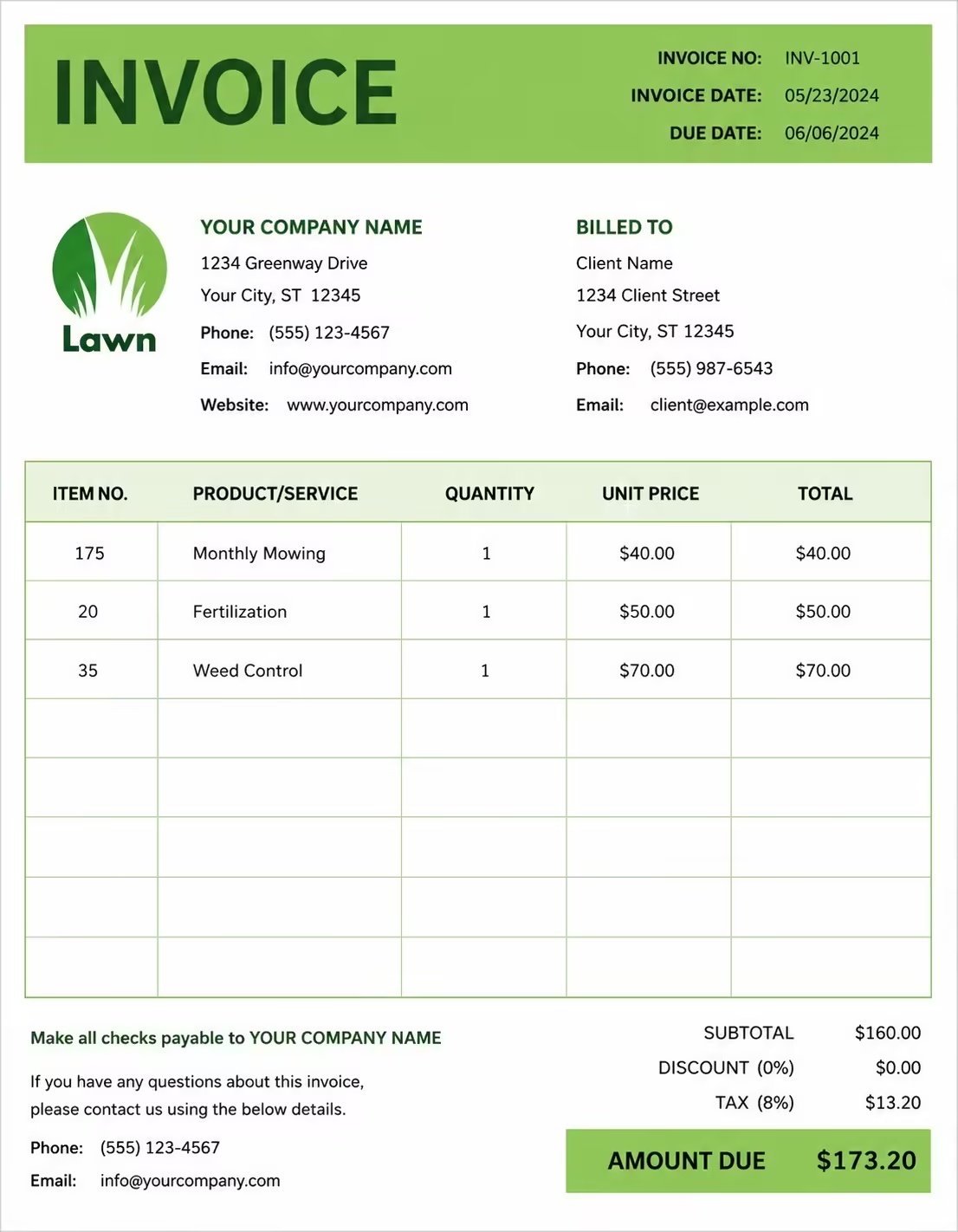
Free Freight Invoice Template
Free invoice templates for freight companies, carriers, logistics providers, freight brokers, dispatchers, owner-operators, shipping businesses, import/export teams, 3PL companies, and transport service providers. Download and edit in PDF, Word, Excel, Google Docs, or Google Sheets.
Use this freight invoice template to bill for freight loads, shipment handling, line haul charges, mileage, fuel surcharge, pickup and delivery fees, detention, storage, accessorial charges, taxes, deposits, discounts, and final client balances in a clear and professional way.
Download the app and manage invoices anywhere


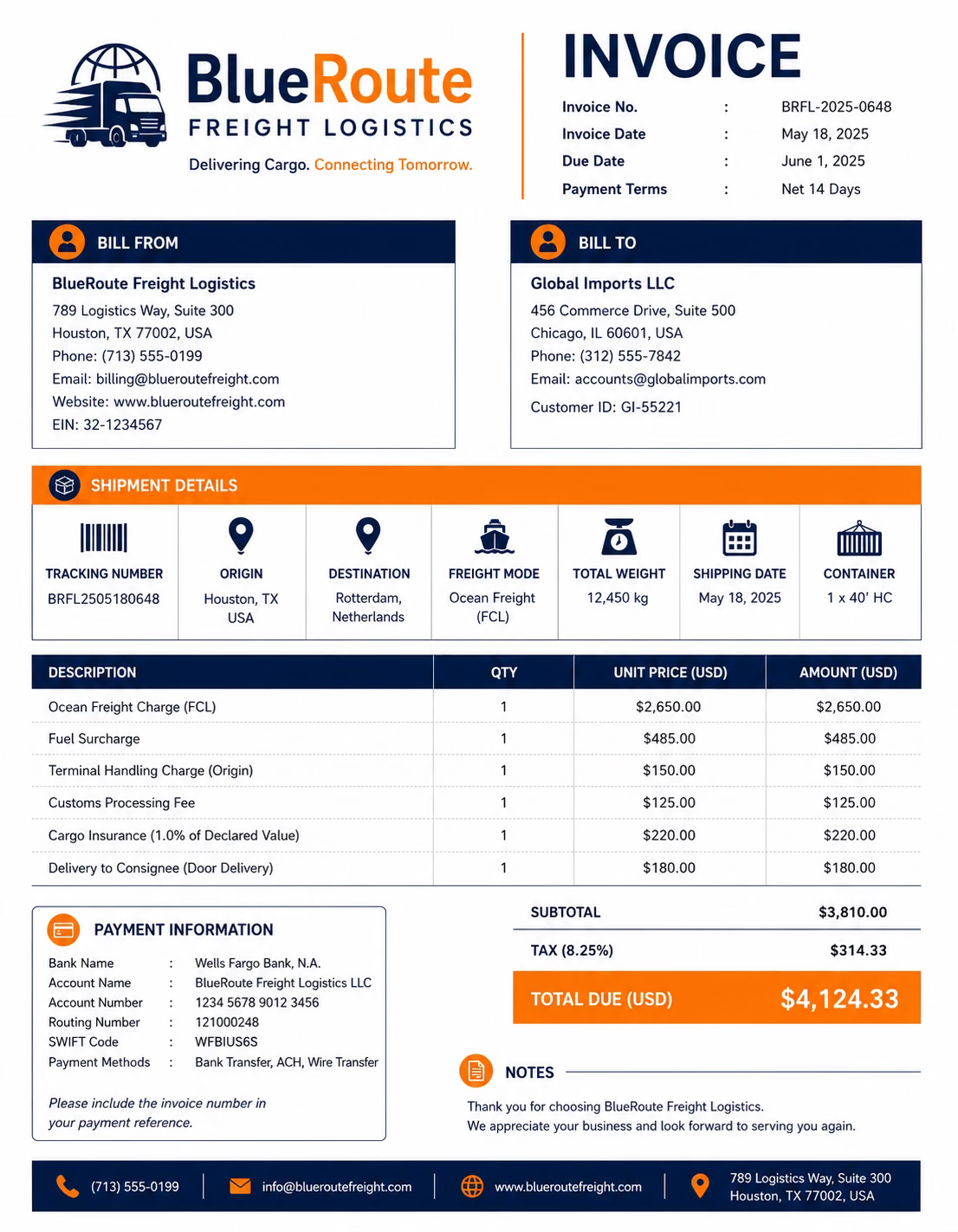
Download Free Freight Invoice Templates
Download a template, then edit it in PDF, Word, Excel, Google Docs, or Google Sheets. Print it, save it, or send it to your customer after a shipment, load, delivery route, freight movement, or logistics service is complete.
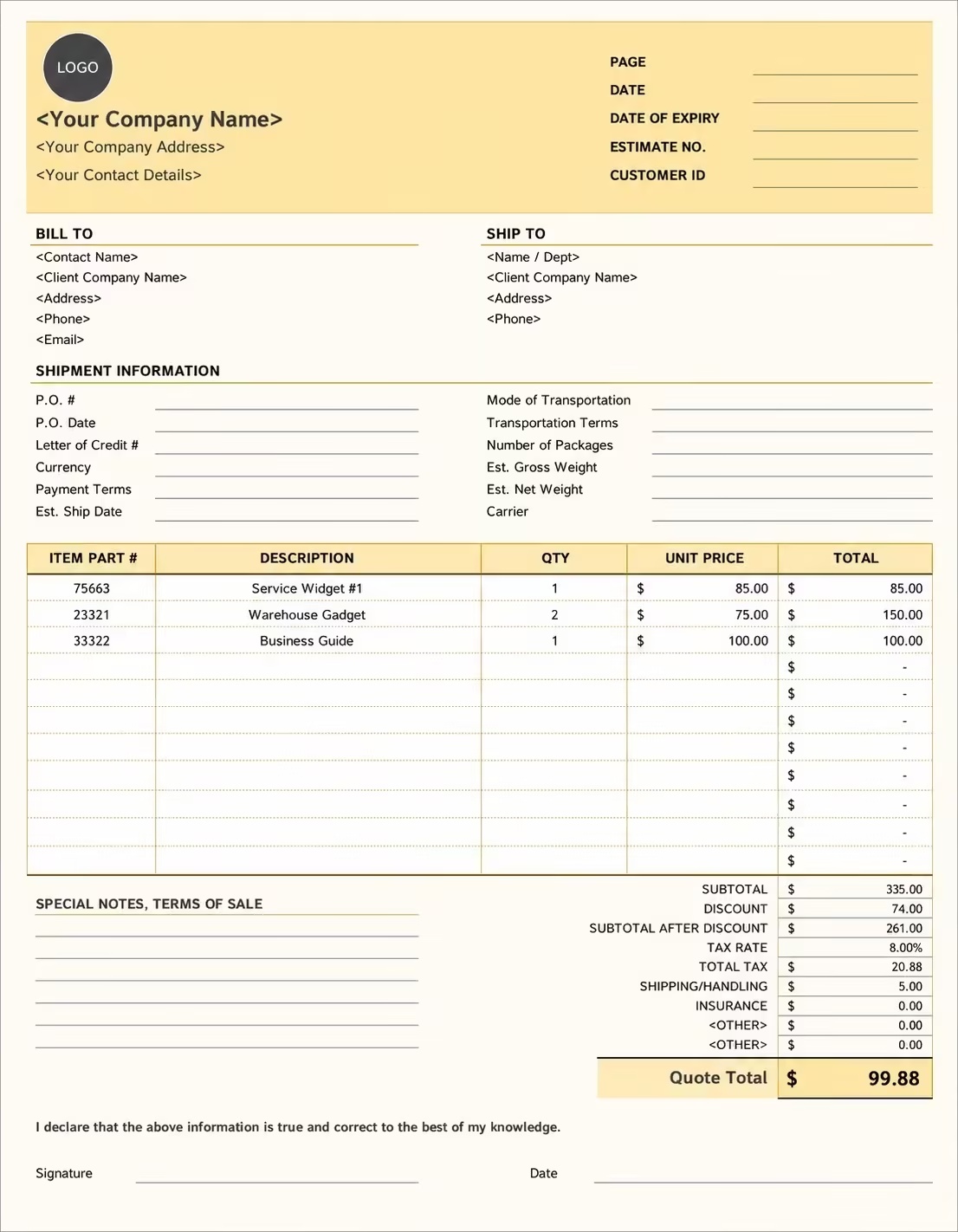
Editable Freight Invoice Template
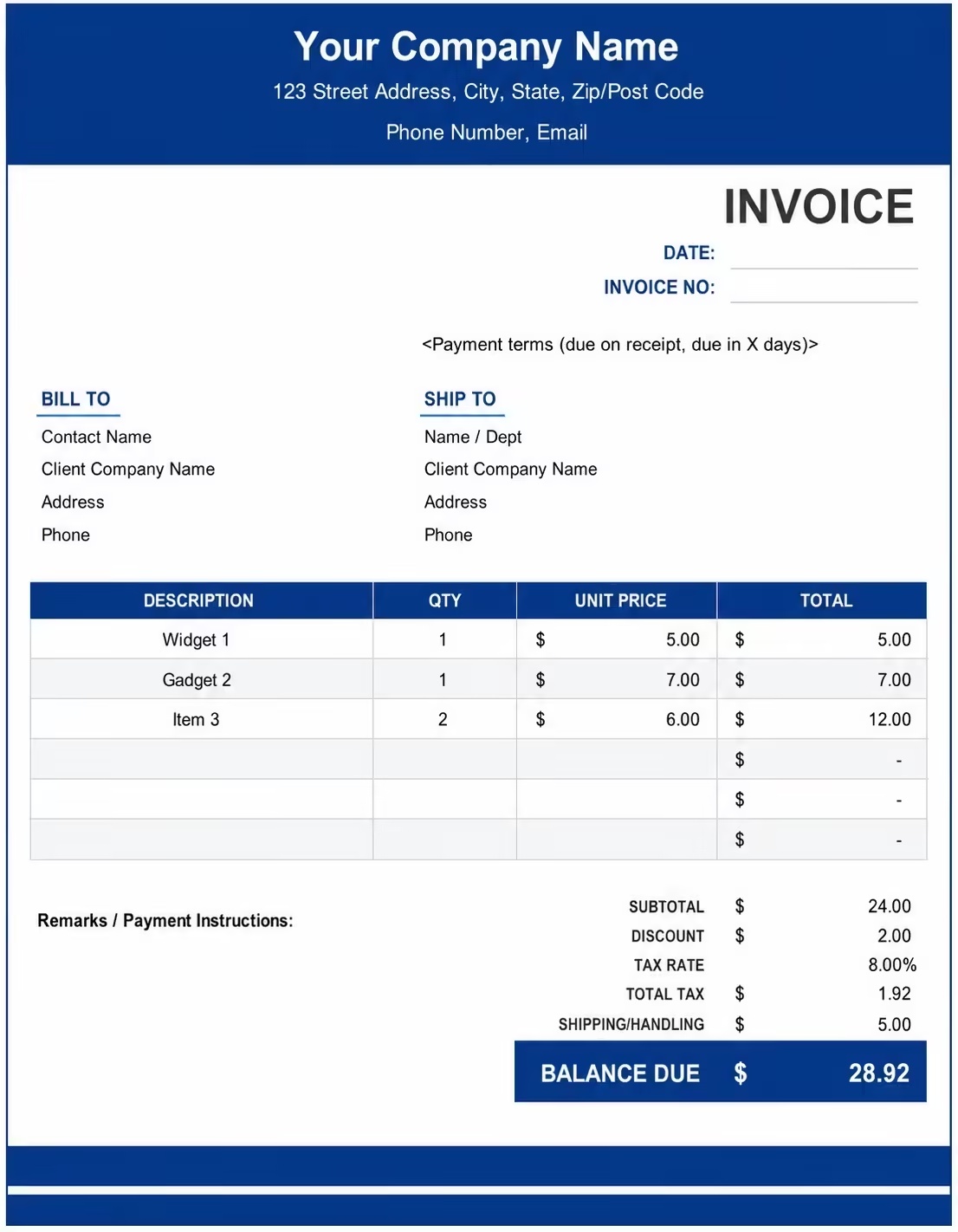
Printable Freight Invoice Template
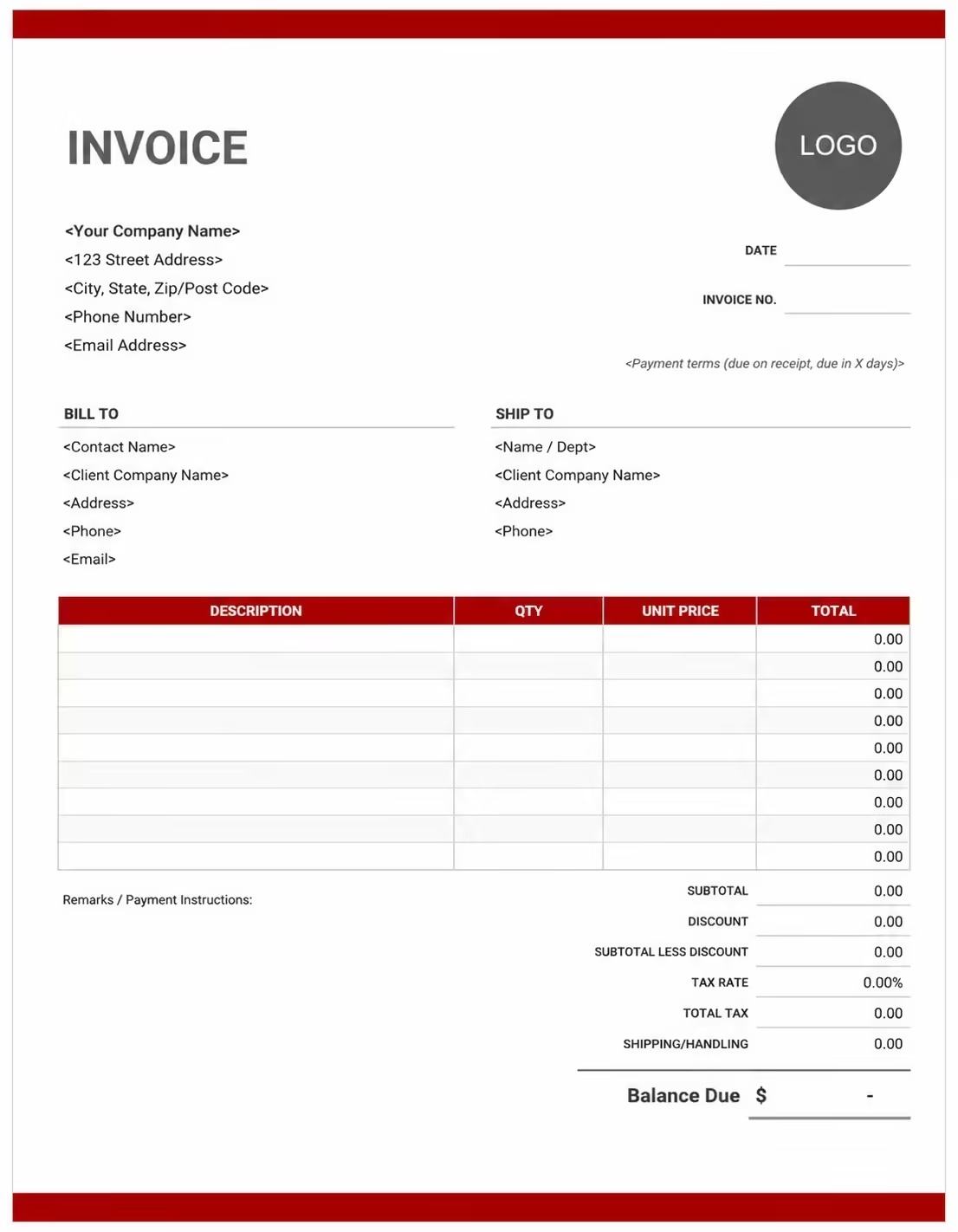
Free Freight Invoice Template
Use these templates for freight carriers, logistics companies, shipping providers, freight brokers, warehouse teams, transport businesses, 3PL providers, and owner-operators billing clients for freight movement and related charges.
How to Invoice for Freight Services
A good freight invoice should clearly show the customer, shipment reference, carrier details, route, load information, freight charges, accessorial fees, taxes, and payment terms.
Download Free TemplateIn 5 Steps:
- Confirm the customer details, freight service type, shipment date, pickup location, delivery location, load number, bill of lading reference, carrier details, mileage, rates, surcharges, taxes, and payment terms before preparing the invoice.
- Add invoice details such as the invoice number, invoice date, due date, customer name, billing contact, shipment reference, purchase order number, load number, BOL number, or tracking reference.
- List each freight charge clearly, including line haul, mileage, fuel surcharge, pickup fee, delivery fee, loading, unloading, detention, storage, handling, permits, tolls, or other accessorial fees.
- Separate base freight charges, extra service fees, reimbursable expenses, discounts, deposits, taxes, and the final balance due so the customer can review the invoice quickly.
- Send the invoice with accepted payment methods, bank or online payment details, shipment notes, proof-of-delivery references, payment terms, and late fee terms when applicable.
With Invoize, you can create freight invoices faster, save customer details, reuse common shipping line items, add mileage, fuel surcharges, accessorial fees, taxes, discounts, and track paid, unpaid, and overdue invoices from your phone.
What to Include in a Freight Invoice
A professional freight invoice should include the details needed to identify the customer, shipment, route, freight charges, service fees, payment terms, and final amount due.
Invoice and Customer Details
- Invoice numberHelps track the freight invoice, customer account, shipment record, payment status, and billing history.
- Customer name, company name, billing contact, and addressShows who requested the freight service and who is responsible for payment.
- Carrier, freight broker, logistics company, or transport provider detailsShows who provided the freight service and where payment should be sent.
- Load number, bill of lading number, shipment reference, purchase order, or tracking IDConnects the invoice to the correct shipment, dispatch record, delivery, approval, or finance record.
- Invoice date, shipment date, pickup date, delivery date, and payment due dateShows when the freight service was performed and when payment is expected.
Freight Service and Shipment Details
- Freight service descriptionExplains the transportation service being billed, such as line haul, full truckload, less-than-truckload, local delivery, expedited freight, or freight brokerage.
- Pickup and delivery locationsShows the route, origin, destination, and delivery point for the shipment.
- Weight, pallet count, container count, mileage, load size, or shipment quantityShows how the freight quantity, distance, or load amount was calculated.
- Rate, unit price, mileage rate, load rate, or flat freight feeShows the agreed pricing method for each freight line item.
- Shipment notes, delivery status, or proof-of-delivery referenceGives customers context for reviewing the freight movement, delivery completion, or supporting documents.
Payment and Final Notes
- Line haul, accessorial fees, fuel surcharge, and reimbursable costsSeparates different freight cost types so the customer can review each charge clearly.
- Discounts, deposits, advance payments, or creditsShows prepaid amounts, customer credits, negotiated discounts, and remaining balance.
- Subtotal, tax, fees, and total amount dueShows the final amount the customer needs to pay.
- Payment methodsLists bank transfer, ACH, card payment, check, PayPal, Stripe, or other accepted payment options.
- Freight notes and payment termsRecords due date, late fees, delivery notes, claim notes, POD references, or special shipment terms.
Billing Scenarios for Freight Businesses
Use clear invoice labels so customers understand the shipment, freight service, route, load details, mileage, surcharges, accessorial fees, taxes, deposits, and final amount due.
| Scenario | Invoice line items | Best used for | How to describe it |
|---|---|---|---|
| Full truckload shipment | Load number, route, truckload rate, pickup and delivery dates | Carriers and logistics providers billing full truckload freight. | Show the load reference and delivery route clearly. |
| Less-than-truckload shipment | Weight, pallet count, class, route, LTL rate | Freight companies handling smaller shipments. | Add shipment quantity and freight class when relevant. |
| Freight brokerage invoice | Broker fee, carrier charge, shipment reference, customer details | Freight brokers coordinating carrier services. | Separate brokerage fees and carrier-related charges when needed. |
| Mileage-based freight | Miles traveled, mileage rate, fuel surcharge, tolls | Owner-operators and transport businesses billing by distance. | List miles and rate per mile so totals are easy to verify. |
| Expedited freight | Rush service, priority pickup, dedicated vehicle, delivery deadline | Businesses handling urgent shipments. | Mention rush terms and required delivery time. |
| International freight | Customs documentation, port fees, container details, duties, handling | Import/export teams and freight forwarders. | Separate shipping, customs, and handling charges. |
| Warehousing and freight handling | Storage, loading, unloading, packaging, handling, shipment prep | 3PL providers and warehouse teams. | Separate warehouse services from transportation charges. |
| Detention or waiting time | Waiting hours, free time allowed, hourly detention rate | Carriers charging for delays at pickup or delivery. | Include the delay date and location. |
| Accessorial services | Liftgate, inside delivery, residential delivery, appointment delivery | Freight providers billing extra services beyond transport. | List each accessorial fee as its own line item. |
| Recurring freight account | Billing period, shipment summary, account reference, total charges | Businesses with ongoing freight clients. | Add a billing period and shipment summary for account review. |
Create Invoice Now
☝️ Create a professional invoice in seconds.
Common Charges and Fees for Freight Invoices
Freight invoices may include base shipping charges, mileage, fuel surcharges, loading, handling, detention, storage, tolls, permits, accessorial fees, taxes, and payment adjustments.
| Charge or service | Unit | When to use | How to show it |
|---|---|---|---|
| Line Haul Charge | Base transportation charge for moving freight from pickup to delivery. | When billing the main freight movement. | Line haul freight charge |
| Mileage Fee | Distance-based transportation pricing. | When charging by miles traveled. | Mileage charge for freight route |
| Fuel Surcharge | Additional charge to cover changing fuel costs. | When fuel surcharge applies to the shipment. | Fuel surcharge |
| Pickup Fee | Cost for collecting freight from the origin location. | When pickup is billed separately. | Freight pickup fee |
| Delivery Fee | Cost for delivering freight to the destination. | When delivery is billed separately. | Freight delivery fee |
| Loading Fee | Labor or equipment used to load freight. | When loading services are provided. | Loading service fee |
| Unloading Fee | Labor or equipment used to unload freight. | When unloading services are provided. | Unloading service fee |
| Detention Fee | Waiting time caused by delays at pickup or delivery. | When the driver or truck waits beyond allowed free time. | Detention charge |
| Storage Fee | Temporary storage of freight before pickup or delivery. | When freight is held in a warehouse or facility. | Freight storage fee |
| Accessorial Fee | Extra freight services such as liftgate, inside delivery, appointment delivery, or residential delivery. | When extra services are requested. | Accessorial service fee |
| Tolls and Permits | Road tolls, route permits, overweight permits, or special movement costs. | When tolls or permits are reimbursable. | Tolls and permit reimbursement |
| Packaging or Handling Fee | Packing, palletizing, labeling, or shipment preparation. | When freight preparation is billed separately. | Packaging and handling fee |
| Customs or Documentation Fee | Export documents, customs paperwork, or freight forwarding admin. | For international or cross-border freight. | Customs documentation fee |
| Tax or VAT | Required tax based on location and service type. | When tax applies to freight services. | Sales tax / VAT |
| Late Payment Fee | Fee charged after the invoice due date. | If payment is overdue and terms allow it. | Late payment fee |
Common Freight Invoicing Mistakes
Freight invoices should be detailed enough for customers to match each charge to the shipment, route, delivery record, and agreed terms.
| Mistake | Why it causes problems | How to fix it |
|---|---|---|
| Missing shipment references | Customers may not know which load or delivery the invoice belongs to. | Include load number, bill of lading number, PO number, or tracking reference. |
| Not listing pickup and delivery locations | The route may be unclear or hard to verify. | Add origin, destination, pickup date, and delivery date. |
| Combining all charges into one total | Customers cannot review base freight, surcharges, or accessorial fees. | Separate line haul, fuel surcharge, detention, accessorial fees, and taxes. |
| Forgetting fuel surcharge details | Fuel charges can be questioned if they are not clearly shown. | Add the fuel surcharge as a separate line item. |
| Leaving out mileage or load quantity | Mileage-based and quantity-based invoices may be hard to verify. | Add miles, weight, pallets, containers, or load quantity where applicable. |
| Not documenting detention or waiting time | Delay fees may be disputed without details. | Show waiting hours, location, date, and allowed free time. |
| Missing proof-of-delivery references | Customers may request delivery confirmation before paying. | Add POD, delivery note, or tracking reference when available. |
| Mixing freight and warehouse charges | Storage and handling fees can be confused with transport costs. | List warehousing, loading, unloading, and freight charges separately. |
| Forgetting taxes or reimbursable expenses | Totals may be inaccurate or incomplete. | Add taxes, tolls, permits, and reimbursements as separate lines. |
| No payment terms | Customers may delay payment if the due date is unclear. | Add due date, payment methods, late fees, and remittance details. |
More Invoice Templates You May Like
Explore closely related invoice templates for freight work, similar services, and nearby billing scenarios before choosing the best format for your customer.
Questions
Frequently Asked Questions
What is a freight invoice?
A freight invoice is a billing document used to charge customers for transporting goods. It can include shipment details, line haul charges, mileage, fuel surcharge, accessorial fees, storage, handling, detention, taxes, and payment terms.
What should a freight invoice include?
A freight invoice should include customer details, carrier or logistics company details, invoice number, invoice date, due date, pickup and delivery locations, load number, bill of lading number, service description, charges, taxes, and total amount due.
Can I use this template for trucking and freight hauling?
Yes. Freight carriers, trucking companies, and owner-operators can use this template to bill line haul, mileage, fuel surcharge, tolls, permits, loading, unloading, detention, and delivery charges.
Can freight brokers use this invoice template?
Yes. Freight brokers can use it to bill customers for arranged freight services, brokerage fees, carrier-related charges, shipment references, and payment terms.
Should fuel surcharge be listed separately?
Yes. Fuel surcharge should be shown as a separate line item so the customer can understand the base freight charge and fuel-related adjustment.
How do I invoice for detention or waiting time?
Add the detention date, location, waiting hours, allowed free time, hourly rate, and detention total. This helps reduce disputes and makes the charge easier to verify.
Can I include accessorial fees on a freight invoice?
Yes. Add accessorial fees such as liftgate service, inside delivery, appointment delivery, residential delivery, loading, unloading, storage, or special handling as separate line items.
Can I add proof-of-delivery details?
Yes. You can include a POD reference, delivery note number, tracking ID, delivery date, receiver name, or supporting document reference on the invoice.
Can I add taxes and discounts to a freight invoice?
Yes. Add applicable taxes, VAT, discounts, deposits, credits, or advance payments before showing the final balance due.
Can this template be used for logistics and shipping businesses?
Yes. It works for freight companies, logistics providers, shipping businesses, freight brokers, 3PL providers, warehouse teams, carriers, and transport service providers.