
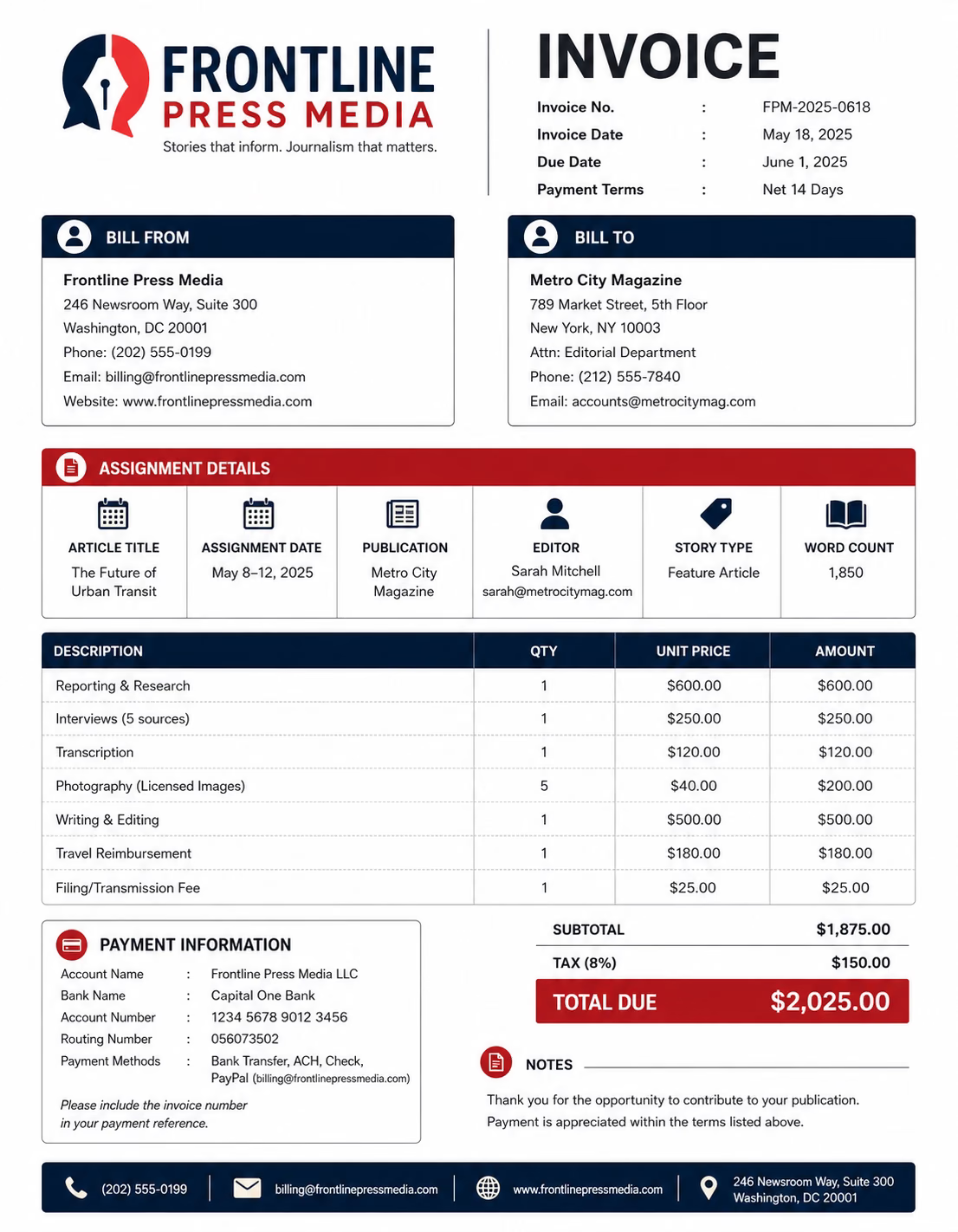
Free Journalist Invoice Template
Free invoice templates for freelance journalists, reporters, editors, magazine writers, news contributors, photojournalists, investigative writers, media consultants, content journalists, and editorial professionals. Download and edit in PDF, Word, Excel, Google Docs, or Google Sheets.
Use this journalist invoice template to bill for articles, interviews, field reporting, research, fact-checking, editing, photography, travel expenses, publication fees, retainers, rush assignments, taxes, discounts, deposits, and client payments in a clear and professional way.
Download the app and manage invoices anywhere


Download Free Journalist Invoice Templates
Download a template, then edit it in PDF, Word, Excel, Google Docs, or Google Sheets. Print it, save it, or send it to a publisher, magazine, newsroom, agency, nonprofit, brand, or client when the assignment is ready to bill.
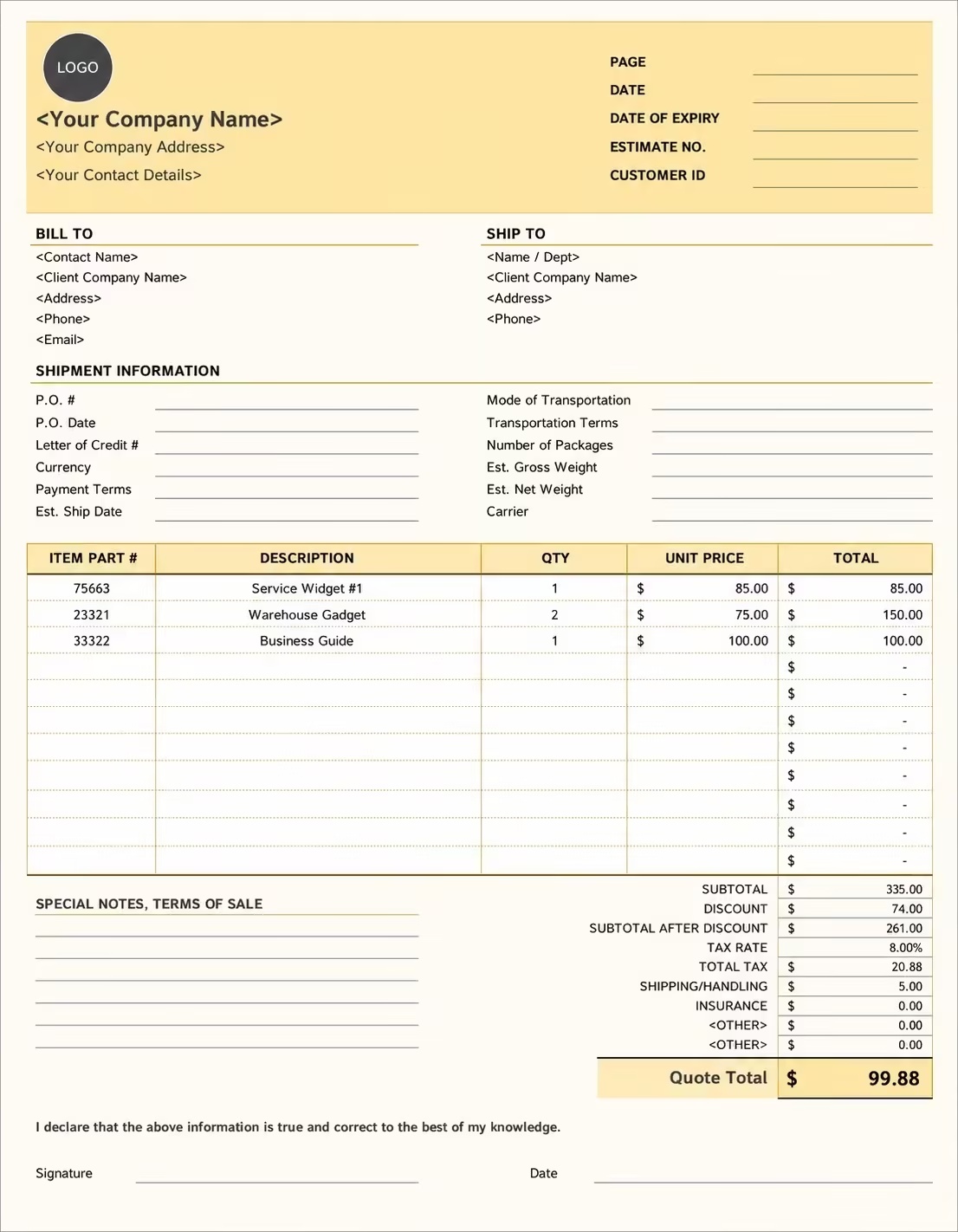
Editable Journalist Invoice Template
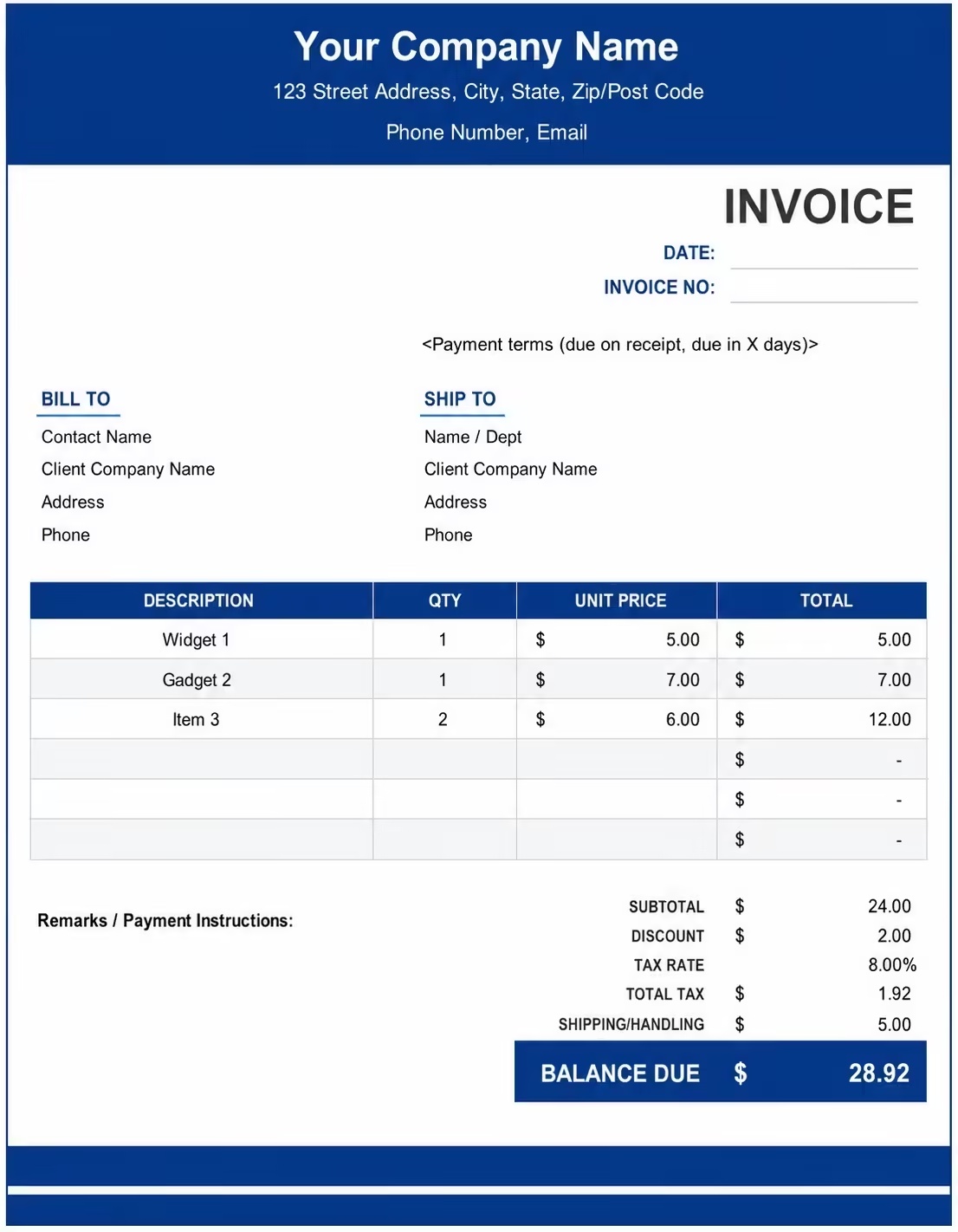
Printable Journalist Invoice Template
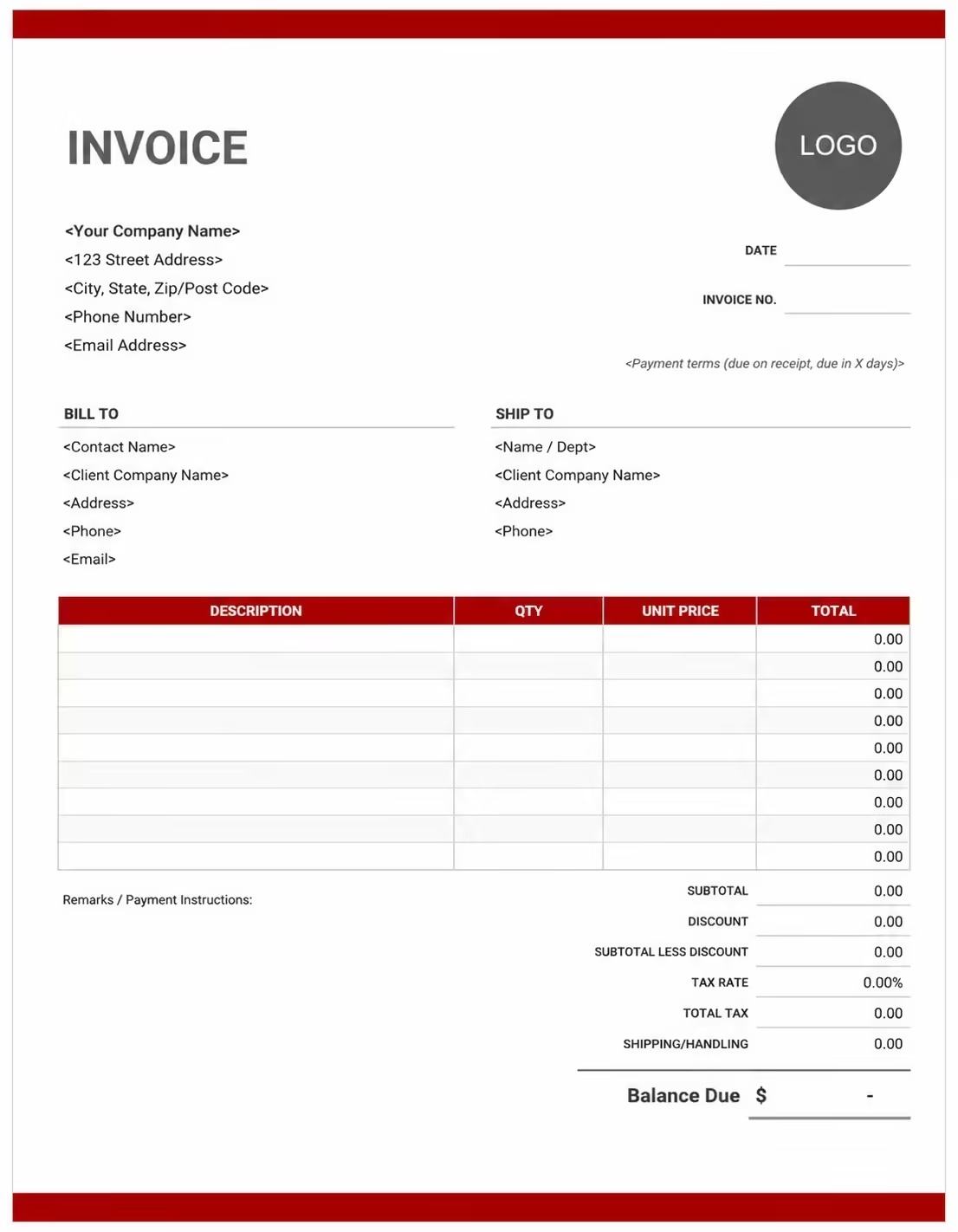
Free Journalist Invoice Template
Use these templates for freelance journalism, feature writing, interviews, reporting assignments, photojournalism, editorial projects, investigative research, copy editing, fact-checking, media consulting, and publication work.
How to Invoice for Journalism Work
A good journalist invoice should clearly show the publication or client, assignment details, delivered work, usage terms, expenses, rates, taxes, and payment terms so editors and finance teams can approve it quickly.
Download Free TemplateIn 5 Steps:
- Confirm the client name, publication, assignment brief, article title, word count, reporting dates, agreed rate, reimbursable expenses, usage rights, deadline, and payment terms before preparing the invoice.
- Add invoice details such as the invoice number, invoice date, due date, assignment reference, publication name, editor contact, story title, or project code.
- List each journalism service clearly, including reporting, interviews, writing, research, fact-checking, editing, photography, transcription, travel, revisions, rush work, or media consulting.
- Separate writing fees, day rates, per-word fees, photo fees, usage rights, reimbursable expenses, taxes, discounts, retainers, deposits, and the final amount due so the client can review the invoice easily.
- Send the invoice with accepted payment methods, payment due date, publication notes, rights or licensing notes, expense receipts, and billing contact information for follow-up.
With Invoize, journalists can create professional invoices faster, save publication and client details, reuse common assignment line items, add expenses and taxes, and track paid, unpaid, and overdue invoices from one place.
What to Include in a Journalist Invoice
A professional journalist invoice should include the details needed to identify the client, assignment, delivered work, usage rights, expenses, payment terms, and final balance due.
Invoice and Client Details
- Invoice numberHelps track the journalist invoice, assignment, publication account, payment status, and billing history.
- Journalist, reporter, writer, or business detailsShows who completed the work and where payment should be sent.
- Publisher, newsroom, agency, brand, or client detailsShows who requested the assignment and who is responsible for payment.
- Assignment title, story title, project code, or publication referenceConnects the invoice to the correct article, report, interview, editorial project, or media assignment.
- Invoice date, assignment date, submission date, publication date, and payment due dateShows when the journalism work was completed and when payment is expected.
Journalism Service Details
- Article, report, interview, or editorial service descriptionExplains the journalism work delivered to the client.
- Word count, article count, hours, day rate, photo count, or deliverable quantityShows the exact billing unit for writing, reporting, editing, photography, or research work.
- Rate, per-word fee, fixed fee, hourly rate, day rate, or usage feeShows the agreed pricing method for each journalism line item.
- Rights, licensing, syndication, or usage notesClarifies whether the fee covers one-time publication, digital use, print use, exclusive rights, or additional licensing.
- Expense and receipt detailsDocuments approved travel, accommodation, meals, transcription, research tools, access fees, or other reimbursable costs.
Payment and Final Notes
- Writing fees, reporting fees, editing fees, photo fees, and expensesSeparates different journalism cost types so the editor or client can approve each charge clearly.
- Discounts, deposits, retainers, credits, or partial paymentsShows prepaid amounts, adjustments, or remaining balances.
- Subtotal, tax, service charge, and total amount dueShows the final amount the client needs to pay.
- Payment methodsLists bank transfer, card payment, online payment, PayPal, Stripe, check, or other accepted payment options.
- Assignment notes and payment termsRecords due date, late fees, publication notes, usage terms, approved expenses, or editor approval notes.
Billing Scenarios for Journalism Work
Use clear invoice labels so clients understand the assignment, delivered content, rate type, publication rights, expenses, taxes, and final amount due.
| Scenario | Invoice line items | Best used for | How to describe it |
|---|---|---|---|
| Feature article | Article title, word count, fixed fee or per-word fee | Freelance journalists writing magazine, newspaper, or online features. | Include the story title, publication, word count, and agreed writing fee. |
| News reporting assignment | Reporting date, story topic, filed copy, day rate or assignment fee | Reporters covering news events or field assignments. | Add the assignment date and newsroom reference if available. |
| Interview-based article | Interviewee name, article title, research, writing fee | Journalists billing for interviews, profiles, and Q&A features. | Mention interview preparation, interview time, writing, and revisions if included. |
| Photojournalism work | Shoot date, image count, editing, usage rights, photo fee | Photojournalists billing publications, agencies, or brands. | Separate photography fees, editing, travel, and image licensing. |
| Investigative research | Research hours, document review, interviews, reporting notes | Investigative journalists and research contributors. | Describe the research scope without exposing confidential sources. |
| Copy editing or fact-checking | Article title, hours, rate, editing notes | Editors and journalists reviewing copy before publication. | List editing, fact-checking, source review, and revision work separately. |
| Travel reporting | Location, reporting days, travel expenses, accommodation, per diem | Journalists traveling for assignments, events, or stories. | Attach approved expenses or list reimbursements clearly. |
| Retainer journalism work | Monthly scope, number of articles, reporting support, retainer fee | Ongoing editorial contributors or media consultants. | State the billing period and what the retainer includes. |
| Rush assignment | Urgent deadline, expedited writing, rush fee | Fast-turnaround news, campaign, or editorial work. | Show the rush fee separately from the writing fee. |
| Syndication or reuse rights | Article title, rights type, usage period, licensing fee | When a client pays to reuse, republish, or license existing work. | Clarify print, digital, exclusive, non-exclusive, or time-limited rights. |
Create Invoice Now
☝️ Create a professional invoice in seconds.
Common Charges and Fees for Journalist Invoices
Journalist invoices may include writing fees, reporting fees, research, interviews, editing, photography, licensing, travel, and approved expenses depending on the assignment.
| Charge or service | Unit | When to use | How to show it |
|---|---|---|---|
| Article writing fee | Per article, per word, or fixed fee | When billing for completed written content. | Article writing fee for assigned story |
| Reporting fee | Assignment fee, hourly rate, or day rate | For field reporting, event coverage, interviews, or news assignments. | Reporting assignment fee |
| Research fee | Hourly rate or fixed research fee | For background research, source review, data review, or document analysis. | Research and source review |
| Interview fee | Per interview or hourly rate | When interviews are billed separately from writing. | Interview preparation and interview time |
| Editing fee | Hourly rate or fixed fee | For editing, rewriting, proofreading, or fact-checking work. | Editorial review and revisions |
| Fact-checking fee | Hourly or project-based | For verifying claims, quotes, dates, data, or source material. | Fact-checking and verification |
| Photojournalism fee | Per shoot, per image, or day rate | For original photos, event coverage, or visual reporting. | Photojournalism assignment fee |
| Usage or licensing fee | Per use, rights package, or time period | When work is licensed for print, digital, syndication, or reuse. | Content licensing fee |
| Travel reimbursement | Actual expense or agreed allowance | For transportation, fuel, lodging, meals, or assignment travel. | Approved travel expense reimbursement |
| Transcription fee | Per audio minute, per interview, or fixed fee | When transcription is required for interviews or research. | Interview transcription fee |
| Rush fee | Flat fee or percentage | For urgent deadlines or same-day turnaround. | Rush assignment fee |
| Tax or VAT | Percentage-based | When required by location or business rules. | Sales tax / VAT |
Common Journalist Invoicing Mistakes
Clear journalist invoices help avoid payment delays, editor questions, rights confusion, and expense disputes.
| Mistake | Why it causes problems | How to fix it |
|---|---|---|
| Missing the assignment reference | Editors and finance teams may not know which story the invoice belongs to. | Include story title, assignment code, publication name, or editor contact. |
| Using vague service descriptions | Generic wording can delay approval or create questions. | Describe the work clearly, such as feature article, interview, reporting, editing, or research. |
| Not stating the billing unit | Clients may not know whether the fee is per word, per article, hourly, or fixed. | Add word count, hours, article count, day rate, or fixed project fee. |
| Leaving out usage rights | Clients may assume broader rights than agreed. | Add print, digital, exclusive, non-exclusive, syndication, or reuse terms where relevant. |
| Mixing expenses with service fees | Travel and reimbursements can look like hidden charges. | List approved expenses separately and attach receipts when needed. |
| Forgetting submission or publication dates | Payment teams may need date details to match assignment records. | Add assignment date, submission date, or publication date. |
| Not showing retainers or deposits | The remaining balance can be unclear. | Show deposits, credits, partial payments, or retainers separately. |
| No due date | The client may not know when payment is expected. | Include a clear payment due date and payment terms. |
| Forgetting tax | Tax errors can create accounting issues. | Add tax or VAT where applicable and calculate totals accurately. |
| Not including payment details | Clients may need to ask where or how to pay. | Add bank details, payment link, PayPal, Stripe, check instructions, or other payment methods. |
More Invoice Templates You May Like
Explore closely related invoice templates for journalist work, similar services, and nearby billing scenarios before choosing the best format for your customer.
Questions
Frequently Asked Questions
What is a journalist invoice?
A journalist invoice is a billing document used by freelance journalists, reporters, editors, and media professionals to charge clients for articles, interviews, reporting, research, editing, photojournalism, travel expenses, licensing, and related editorial work.
What should a journalist invoice include?
A journalist invoice should include journalist details, client or publication details, invoice number, invoice date, due date, assignment title, service descriptions, word count or hours, rates, expenses, taxes, payment methods, usage notes, and total amount due.
Can I use this template for freelance journalism?
Yes. Freelance journalists can use it for feature articles, news reports, interviews, investigative research, event coverage, editorial projects, photojournalism, and ongoing publication work.
Can I invoice by word count?
Yes. Add the article title, approved word count, rate per word, subtotal, tax, and final balance. You can also bill by fixed project fee, hourly rate, day rate, or article fee.
Should travel expenses be included?
Yes, if they were approved by the client. List travel, accommodation, meals, mileage, access fees, or other reimbursable costs separately from writing or reporting fees.
Can I include usage rights or licensing notes?
Yes. Add notes for print use, digital use, exclusive rights, non-exclusive rights, syndication, republication, photography usage, or reuse fees when rights are part of the agreement.
Can editors use this template for copy editing?
Yes. Editors can use it to bill for copy editing, proofreading, rewriting, fact-checking, source review, and editorial consulting.
Can I use this template for photojournalism?
Yes. Add shoot date, image count, editing, usage rights, travel expenses, licensing fees, and delivery notes for photojournalism assignments.
What payment terms should a journalist invoice include?
Common terms include due on receipt, Net 7, Net 15, or Net 30. Add the due date, payment method, late fee policy, and billing contact information.
Can I add taxes to a journalist invoice?
Yes. Add sales tax, VAT, or service tax where required. Keep tax calculations clear and separate from writing fees, expenses, licensing, and discounts.