
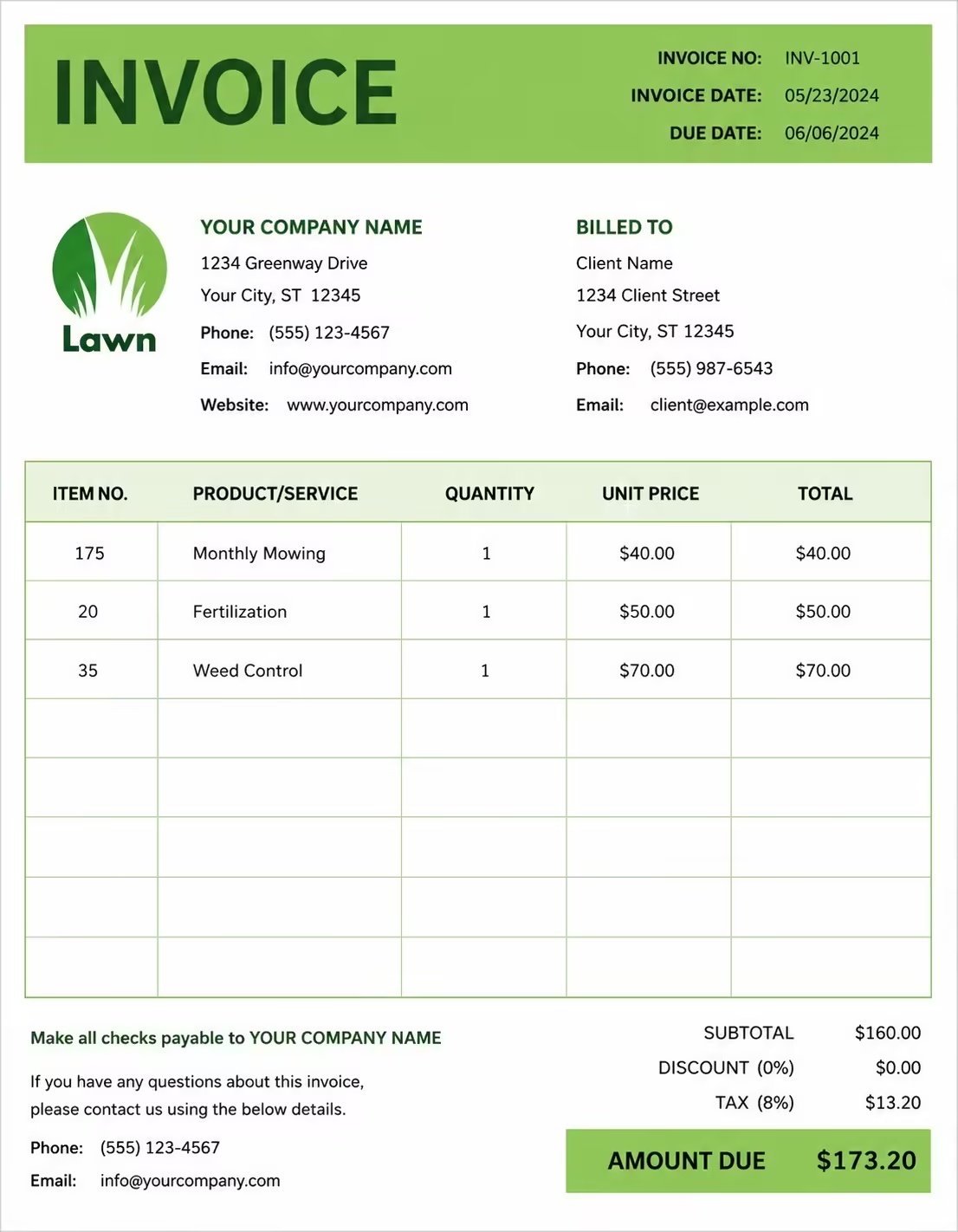
Free Pre Insurance Invoice Template
Free invoice templates for insurance agents, brokers, underwriting teams, pre-insurance inspection providers, risk consultants, agencies, and finance teams that need to bill clients before a policy is finalized. Download and edit in PDF, Word, Excel, Google Docs, or Google Sheets.
Use this pre insurance invoice template to bill for policy deposits, binder fees, application charges, inspection fees, risk assessments, broker service fees, consultation, document preparation, administrative costs, taxes, discounts, retainers, and pre-coverage balances in a clear and professional way.
Download the app and manage invoices anywhere


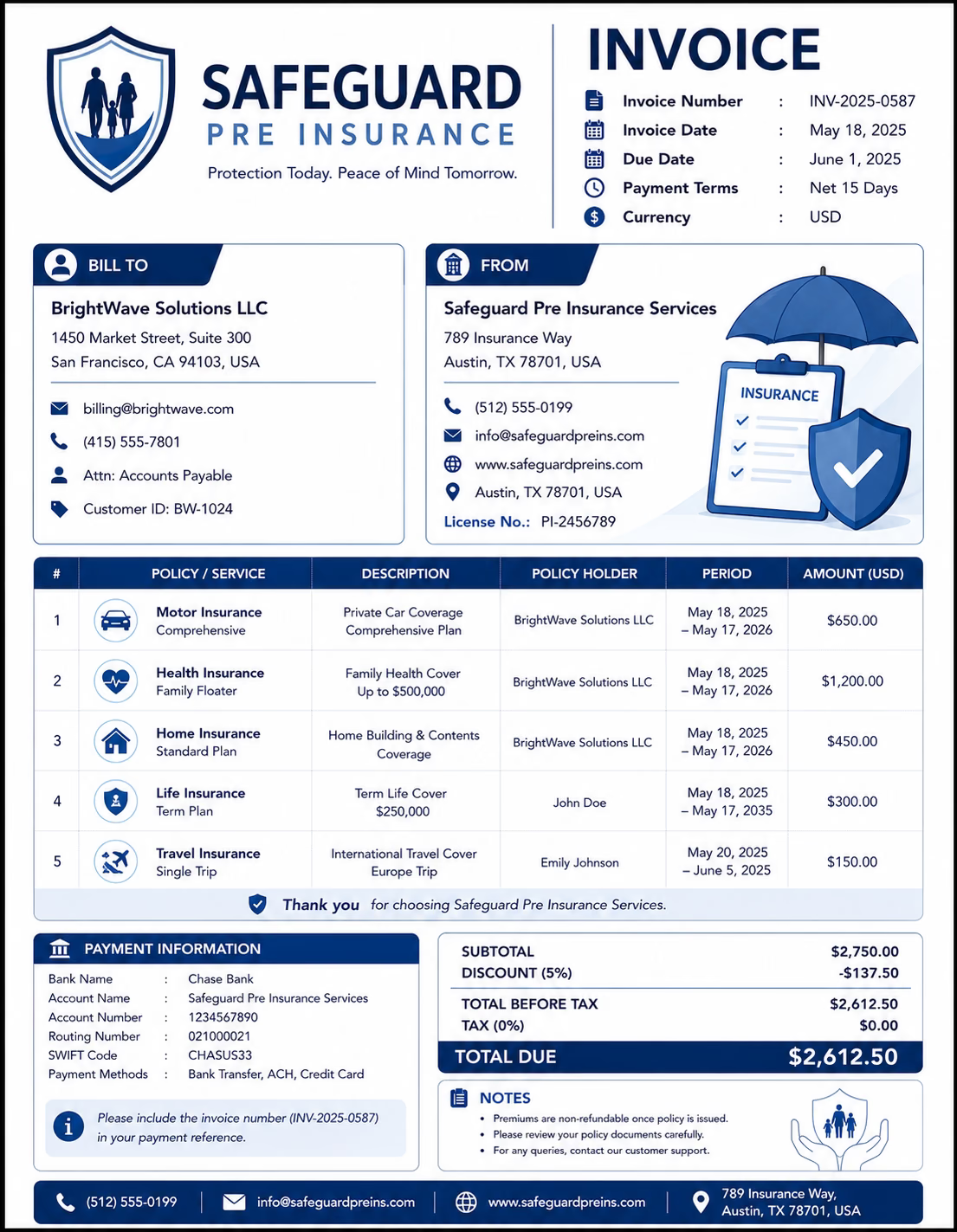
Download Free Pre Insurance Invoice Templates
Download a template, then edit it in PDF, Word, Excel, Google Docs, or Google Sheets. Print it, save it, or send it to a client, policy applicant, business owner, property owner, vehicle owner, or insurance customer before coverage is issued.
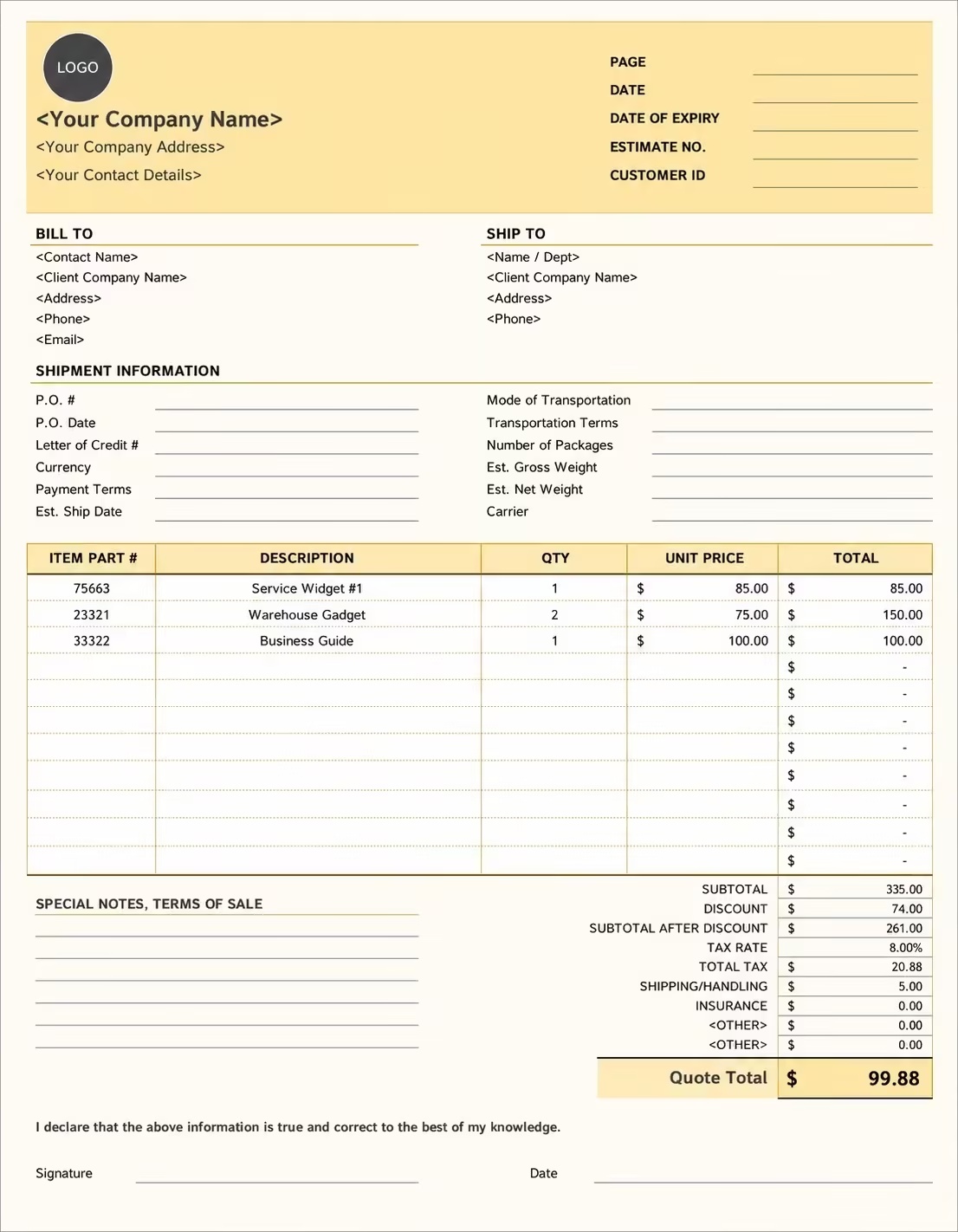
Editable Pre Insurance Invoice Template
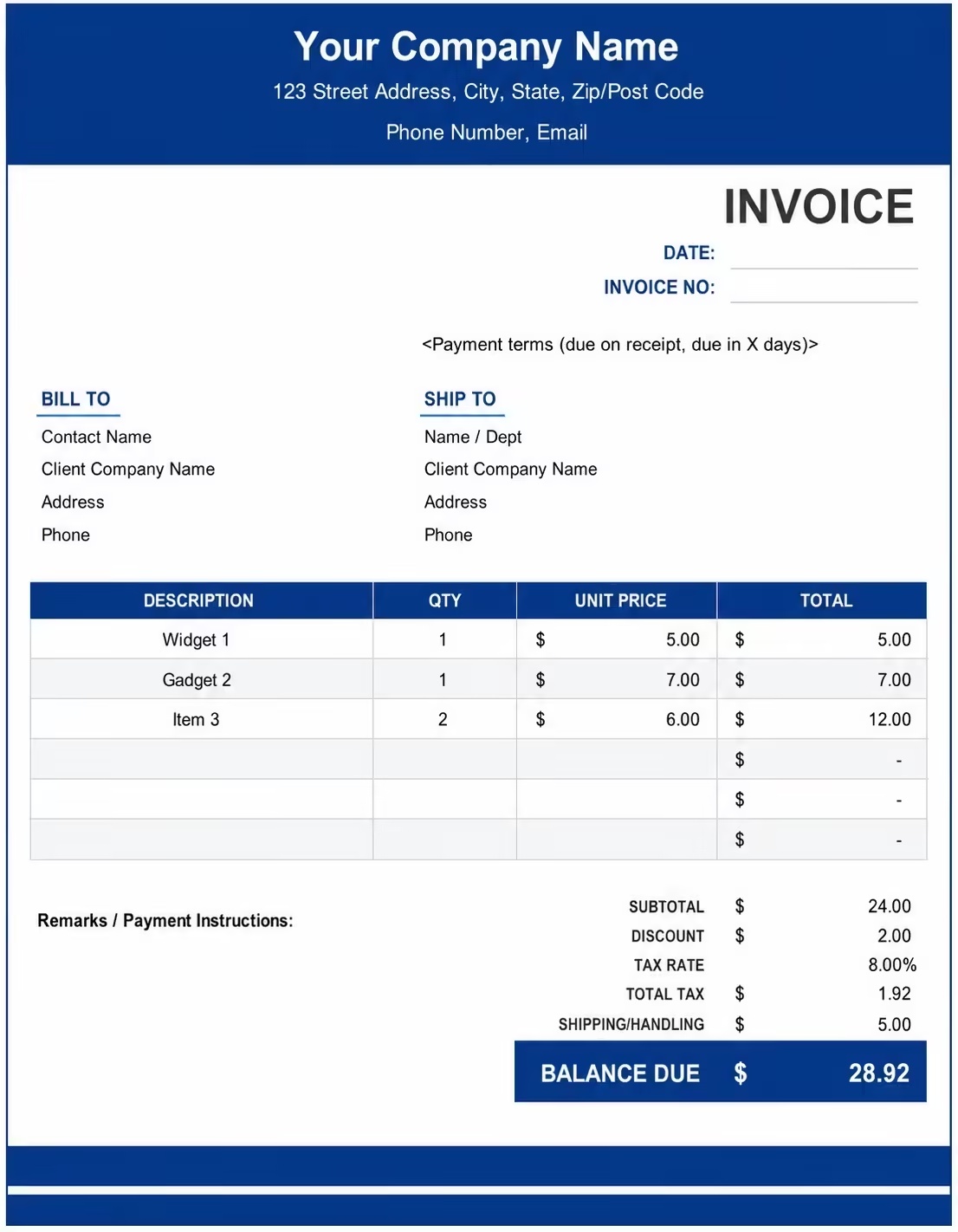
Printable Pre Insurance Invoice Template
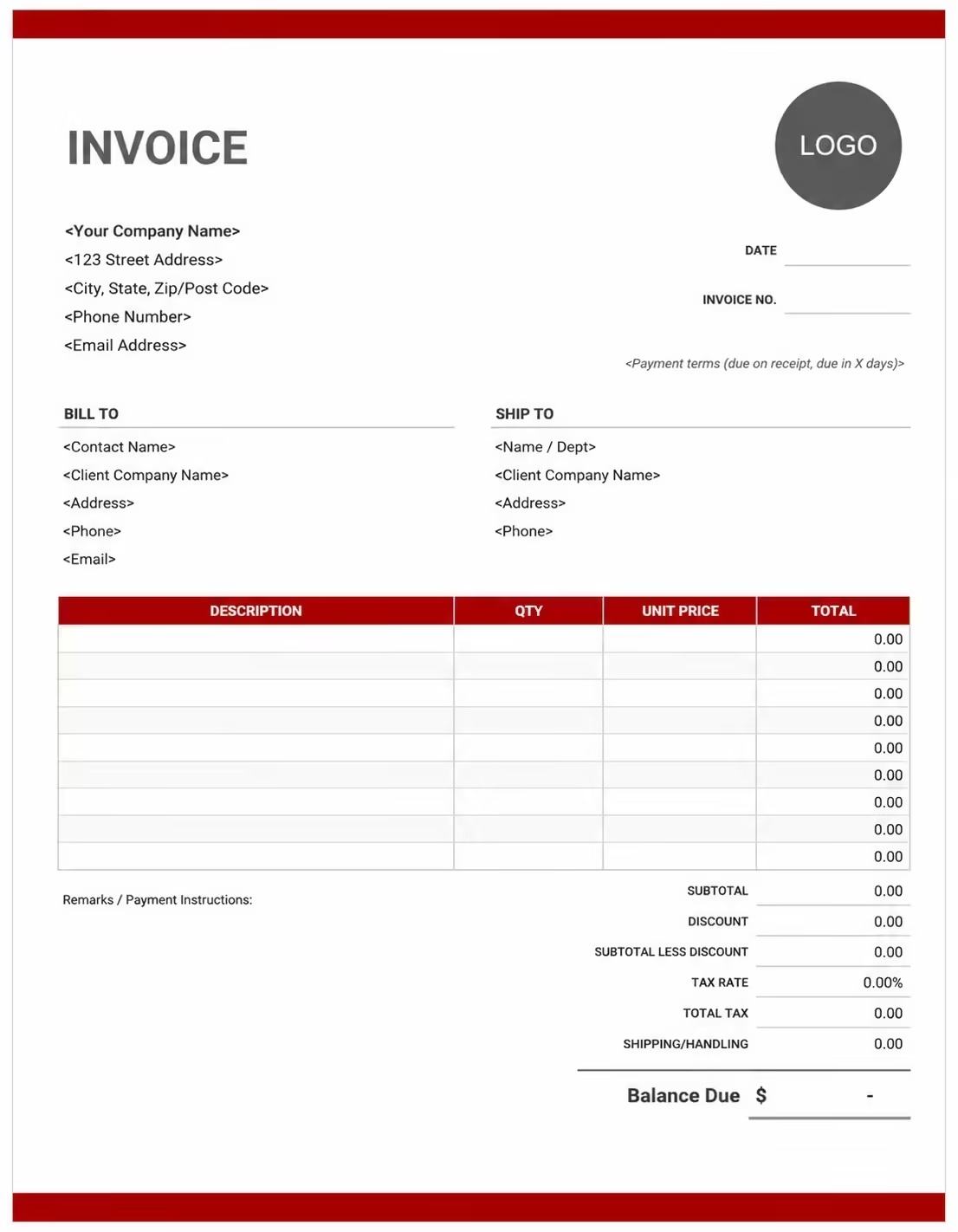
Free Pre Insurance Invoice Template
Use these templates for insurance agencies, brokers, risk advisors, pre-insurance inspection teams, underwriting support providers, consultants, and service businesses billing clients for policy setup, pre-coverage fees, deposits, inspections, and documentation.
How to Invoice for Pre Insurance Services
A good pre insurance invoice should clearly show the client, policy applicant, insurance type, policy reference, pre-coverage service, deposits, fees, taxes, and payment terms before the policy is activated or finalized.
Download Free TemplateIn 5 Steps:
- Confirm the client details, applicant name, insurance type, policy quote number, coverage start date, inspection details, deposit amount, broker fee, taxes, and payment terms before preparing the invoice.
- Add invoice details such as the invoice number, invoice date, due date, applicant name, business name, policy quote reference, risk assessment reference, or pre-insurance case number.
- List each pre insurance charge clearly, including policy deposit, binder fee, inspection fee, consultation fee, underwriting support, application processing, document preparation, broker service fee, or administrative charge.
- Separate policy-related deposits, service fees, third-party costs, taxes, discounts, advance payments, credits, and the final amount due so the client can review the invoice quickly.
- Send the invoice with accepted payment methods, payment due date, policy notes, refund terms, coverage disclaimers, and billing contact information for questions.
With Invoize, you can create pre insurance invoices faster, save client and policy applicant details, reuse common fee line items, add taxes and deposits, and track paid, unpaid, and overdue invoices from your phone.
What to Include in a Pre Insurance Invoice
A professional pre insurance invoice should include the details needed to identify the client, applicant, insurance request, pre-coverage services, deposits, fees, payment terms, and final amount due.
Invoice and Client Details
- Invoice numberHelps track the pre insurance invoice, quote, client account, payment status, and billing history.
- Client, policy applicant, company, or insured party detailsShows who requested the insurance service and who is responsible for payment.
- Insurance agency, broker, consultant, or service provider detailsShows who prepared the invoice and where payment should be sent.
- Policy quote number, application ID, risk reference, or inspection referenceConnects the invoice to the correct insurance request, quote, inspection, or pre-coverage file.
- Invoice date, service date, application date, expected coverage date, and payment due dateShows when the pre insurance service was provided and when payment is expected.
Pre Insurance Service Details
- Insurance type or coverage categoryExplains whether the invoice relates to property, auto, business, health, liability, travel, marine, or another insurance type.
- Pre insurance service descriptionDescribes policy setup, quote preparation, inspection, risk review, broker support, document handling, or application processing.
- Deposit, binder, inspection, or consultation detailsShows the exact pre-coverage item or service the client is paying for.
- Rate, fixed fee, deposit amount, percentage, or reimbursement amountShows the agreed pricing method for each pre insurance line item.
- Policy notes, coverage notes, refund notes, or approval requirementsGives the client context for reviewing payment before the policy is issued or activated.
Payment and Final Notes
- Policy deposits, service fees, inspection fees, broker fees, and third-party chargesSeparates different pre insurance cost types so the client can review each amount clearly.
- Discounts, advance payments, retainers, credits, or refundsShows prepaid amounts, adjustments, or remaining balances.
- Subtotal, tax, service charge, and total amount dueShows the final amount the client needs to pay.
- Payment methodsLists bank transfer, card payment, online payment, cash, check, PayPal, Stripe, or other accepted payment options.
- Pre insurance notes and payment termsRecords due date, late fees, policy activation notes, refund terms, coverage conditions, or final approval notes.
Billing Scenarios for Pre Insurance Services
Use clear invoice labels so clients understand the policy request, pre-coverage service, deposit, inspection, broker charge, tax, refund rule, and final amount due.
| Scenario | Invoice line items | Best used for | How to describe it |
|---|---|---|---|
| Policy deposit before activation | Client details, policy type, quote reference, deposit amount | Insurance agencies or brokers collecting upfront policy deposits. | State that payment is a deposit toward the selected policy or quote. |
| Binder fee invoice | Binder reference, coverage type, effective date, binder fee | Agencies charging a binder or temporary coverage fee. | Clarify whether the binder fee is refundable, non-refundable, or applied to the premium. |
| Pre-insurance inspection | Inspection address, date, inspector, inspection fee | Property, vehicle, equipment, marine, or commercial risk inspections. | Add the inspection date and related application or quote number. |
| Broker service fee | Broker name, consultation details, service fee, policy reference | Insurance brokers billing client service or placement fees. | Separate broker fees from premium deposits or third-party costs. |
| Risk assessment | Risk review, site assessment, report preparation, fixed fee | Risk consultants or insurance advisors preparing pre-coverage reports. | List the report type and assessment scope. |
| Application processing | Application ID, document preparation, admin fee | Agencies charging for setup, documentation, or pre-approval work. | Show the application reference and what the processing fee covers. |
| Business insurance quote support | Business name, coverage type, consultation, quote preparation | Brokers helping businesses prepare insurance applications. | Include the business name and coverage category. |
| Third-party cost reimbursement | Inspection vendor, report fee, document cost, reimbursement amount | When the agency pays external costs on behalf of the client. | Label reimbursable costs separately from service fees. |
| Pre-renewal service invoice | Renewal review, policy comparison, consultation, fee | Agencies billing for work before renewal placement. | Add the existing policy or renewal reference. |
| Policy change before issue | Endorsement request, revised quote, admin fee | When a client changes details before policy issuance. | Explain the change and reference the revised quote. |
Create Invoice Now
☝️ Create a professional invoice in seconds.
Common Charges and Fees for Pre Insurance Invoices
Pre insurance invoices may include policy deposits, binder fees, inspection fees, broker service fees, risk assessments, application processing, document preparation, taxes, reimbursements, credits, and late payment fees.
| Charge or service | Unit | When to use | How to show it |
|---|---|---|---|
| Policy Deposit | Upfront payment toward a policy, quote, or coverage setup. | When collecting payment before the policy is finalized. | Policy deposit |
| Binder Fee | Temporary coverage or binder-related charge. | When a binder is issued before the final policy documents are ready. | Insurance binder fee |
| Inspection Fee | Pre-insurance inspection of property, vehicle, equipment, site, or risk. | When an inspection is required before coverage approval. | Pre-insurance inspection fee |
| Broker Service Fee | Broker support, policy placement, consultation, or client service work. | When a broker charges separately from the premium. | Broker service fee |
| Risk Assessment Fee | Risk review, underwriting support, field assessment, or report preparation. | For business, property, liability, or specialty insurance assessments. | Risk assessment fee |
| Application Processing Fee | Administrative work for application setup, review, and submission. | When billing pre-approval or setup work. | Insurance application processing |
| Document Preparation Fee | Forms, certificates, schedules, quote documents, or policy support paperwork. | When preparing documents before coverage is issued. | Document preparation fee |
| Consultation Fee | Professional advice, policy review, quote comparison, or planning session. | When billing hourly or session-based insurance support. | Insurance consultation |
| Third-Party Report Fee | External reports, inspections, valuations, or verification costs. | When passing approved external costs to the client. | Third-party report reimbursement |
| Administrative Fee | General handling, account setup, file review, or service administration. | For agency setup or operational billing. | Administrative fee |
| Tax or VAT | Required tax based on service type or location. | When tax applies to fees or services. | Tax / VAT |
| Credit or Adjustment | Deposit adjustment, discount, overpayment, or refund credit. | When reducing the final balance. | Credit adjustment |
| Late Payment Fee | Fee charged after the invoice due date. | If payment is overdue and terms allow it. | Late payment fee |
Common Pre Insurance Invoicing Mistakes
Pre insurance invoices should be detailed enough for clients to understand what they are paying before coverage is active, approved, issued, or finalized.
| Mistake | Why it causes problems | How to fix it |
|---|---|---|
| Missing policy or quote references | Clients may not know which insurance request the invoice belongs to. | Include quote number, application ID, binder reference, or policy reference. |
| Not explaining the pre-coverage charge | Clients may confuse deposits, service fees, and premiums. | Describe each charge clearly, such as deposit, binder, inspection, broker fee, or application fee. |
| Combining premium deposits and service fees | It can be unclear which amount goes toward coverage and which is an agency fee. | Separate deposits, broker fees, taxes, reimbursements, and service charges. |
| Leaving out refund terms | Clients may dispute whether a fee or deposit can be refunded. | Add refund notes for deposits, binder fees, inspections, and administrative charges. |
| Missing service dates | The timing of inspections, consultations, or application work may be unclear. | Add service date, inspection date, application date, or expected coverage date. |
| Not showing third-party costs | Reimbursements can look like hidden fees. | Label external reports, inspections, or verification costs separately. |
| Using vague descriptions | Generic line items can create billing questions. | Use specific descriptions tied to the policy type, service, quote, or risk review. |
| No payment due date | Coverage setup may be delayed if payment timing is unclear. | Add due date, payment method, and payment instructions. |
| Forgetting taxes | Tax errors can affect accounting and compliance. | Add tax or VAT where applicable and calculate totals accurately. |
| Suggesting coverage is active before approval | This may create confusion about policy status. | Add a note that coverage depends on approval, payment, and final policy issuance when applicable. |
More Invoice Templates You May Like
Explore closely related invoice templates for pre insurance work, similar services, and nearby billing scenarios before choosing the best format for your customer.
Questions
Frequently Asked Questions
What is a pre insurance invoice?
A pre insurance invoice is a billing document used before an insurance policy is finalized or activated. It can include policy deposits, binder fees, inspections, risk assessments, broker fees, application processing, documentation, taxes, and pre-coverage service charges.
What should a pre insurance invoice include?
A pre insurance invoice should include business details, client details, invoice number, invoice date, due date, insurance type, quote or application reference, service descriptions, fees, deposits, taxes, payment methods, refund notes, and total amount due.
Can insurance brokers use this template?
Yes. Insurance brokers can use it to bill for broker service fees, policy placement support, quote preparation, consultations, renewals, application handling, and pre-coverage client services.
Can this template include policy deposits?
Yes. Add the policy deposit as a separate line item and mention whether it applies toward the final premium, is refundable, or is subject to policy approval terms.
Can I invoice for a pre-insurance inspection?
Yes. Add the inspection date, inspection address or item, inspector name, inspection type, fee, tax, and related quote or application reference.
Should broker fees be separate from premium deposits?
Yes. Broker fees, service fees, deposits, third-party charges, and taxes should be separated so the client understands exactly what each charge covers.
Can I add refund or coverage notes?
Yes. Pre insurance invoices should include clear notes about refunds, approval conditions, policy issuance, binder terms, cancellation rules, and whether payment activates or only supports the application process.
Can I use this template for business insurance quotes?
Yes. It works for business insurance quote support, risk assessments, application processing, broker consultation, policy setup fees, and pre-coverage deposits.
Can taxes be added to a pre insurance invoice?
Yes. Add tax, VAT, or service tax where required. Keep taxes separate from deposits, broker fees, and third-party reimbursements for clear accounting.
What payment terms should a pre insurance invoice include?
Include the due date, accepted payment methods, late fee policy, refund terms, coverage approval notes, policy activation conditions, and billing contact information.