
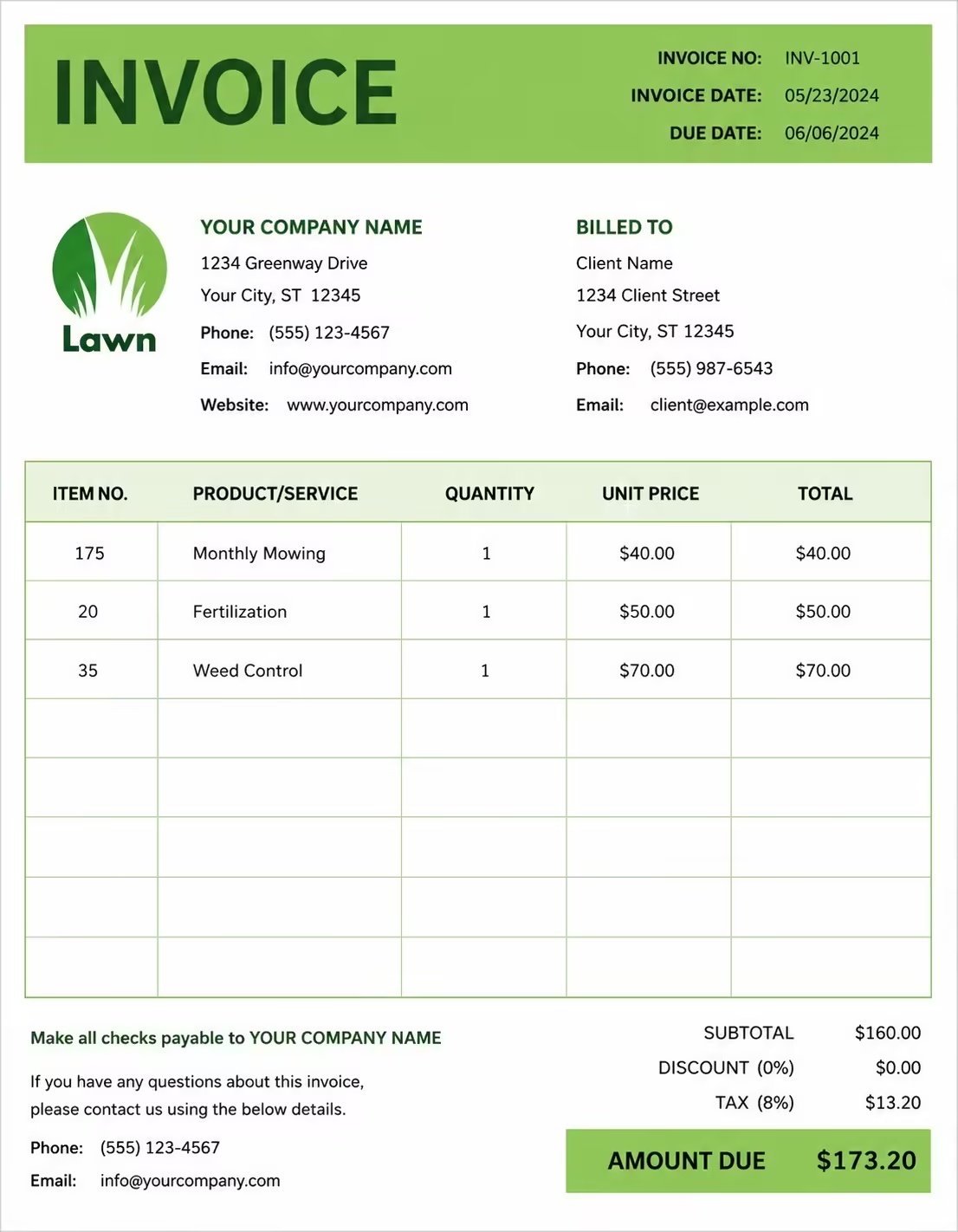
Free Pro Forma Invoice Template
Free invoice templates for sellers, exporters, wholesalers, manufacturers, suppliers, distributors, freight teams, online sellers, trading companies, and businesses that need to send a pre-sale invoice before goods or services are supplied. Download and edit in PDF, Word, Excel, Google Docs, or Google Sheets.
Use this pro forma invoice template to show estimated charges, product descriptions, quantities, prices, shipping costs, taxes, discounts, payment terms, delivery details, customs information, buyer approval notes, and the expected total before issuing the final commercial invoice.
Download the app and manage invoices anywhere


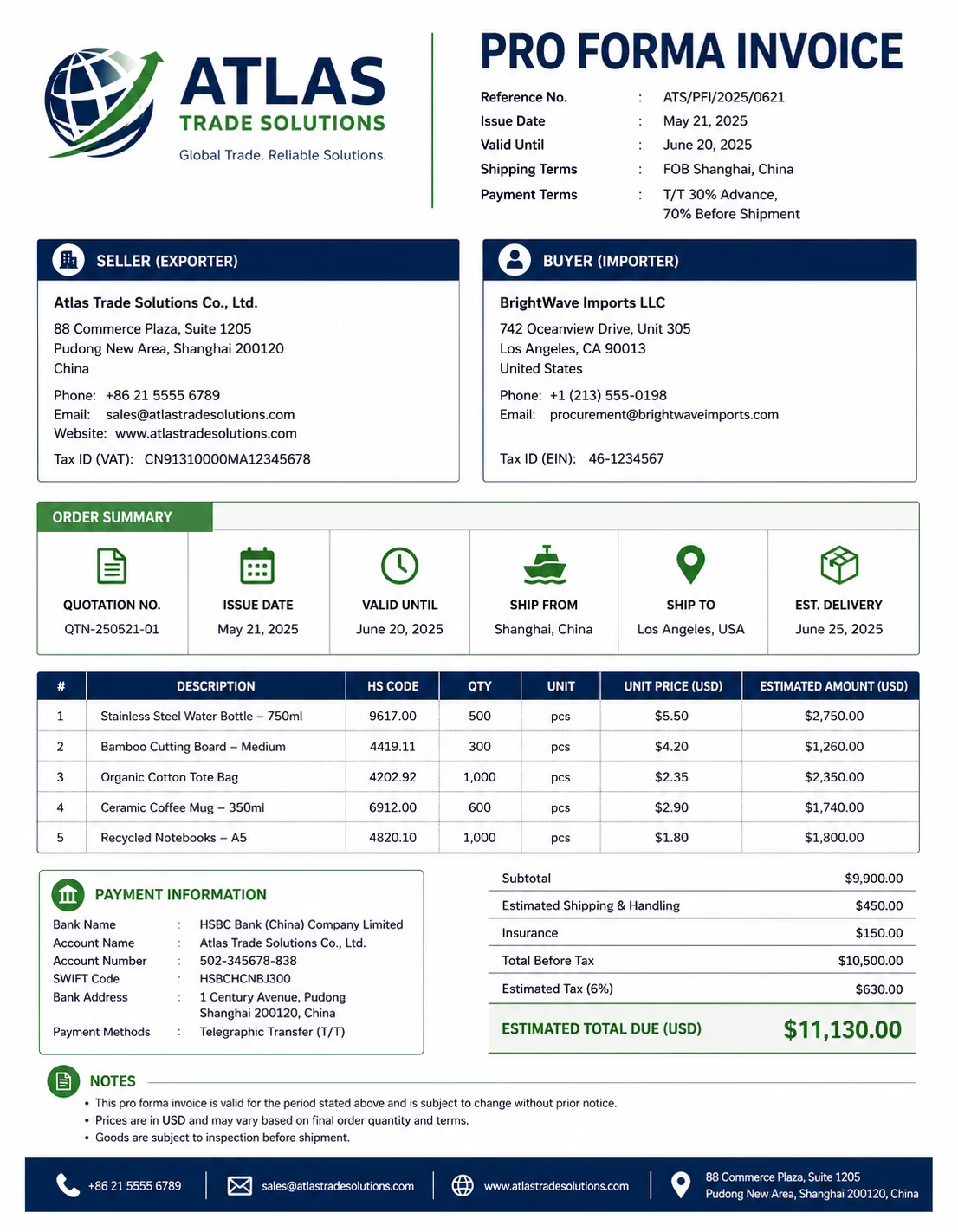
Download Free Pro Forma Invoice Templates
Download a template, then edit it in PDF, Word, Excel, Google Docs, or Google Sheets. Print it, save it, or send it to buyers, importers, exporters, finance teams, customs brokers, shipping partners, or approval managers before the sale is finalized.
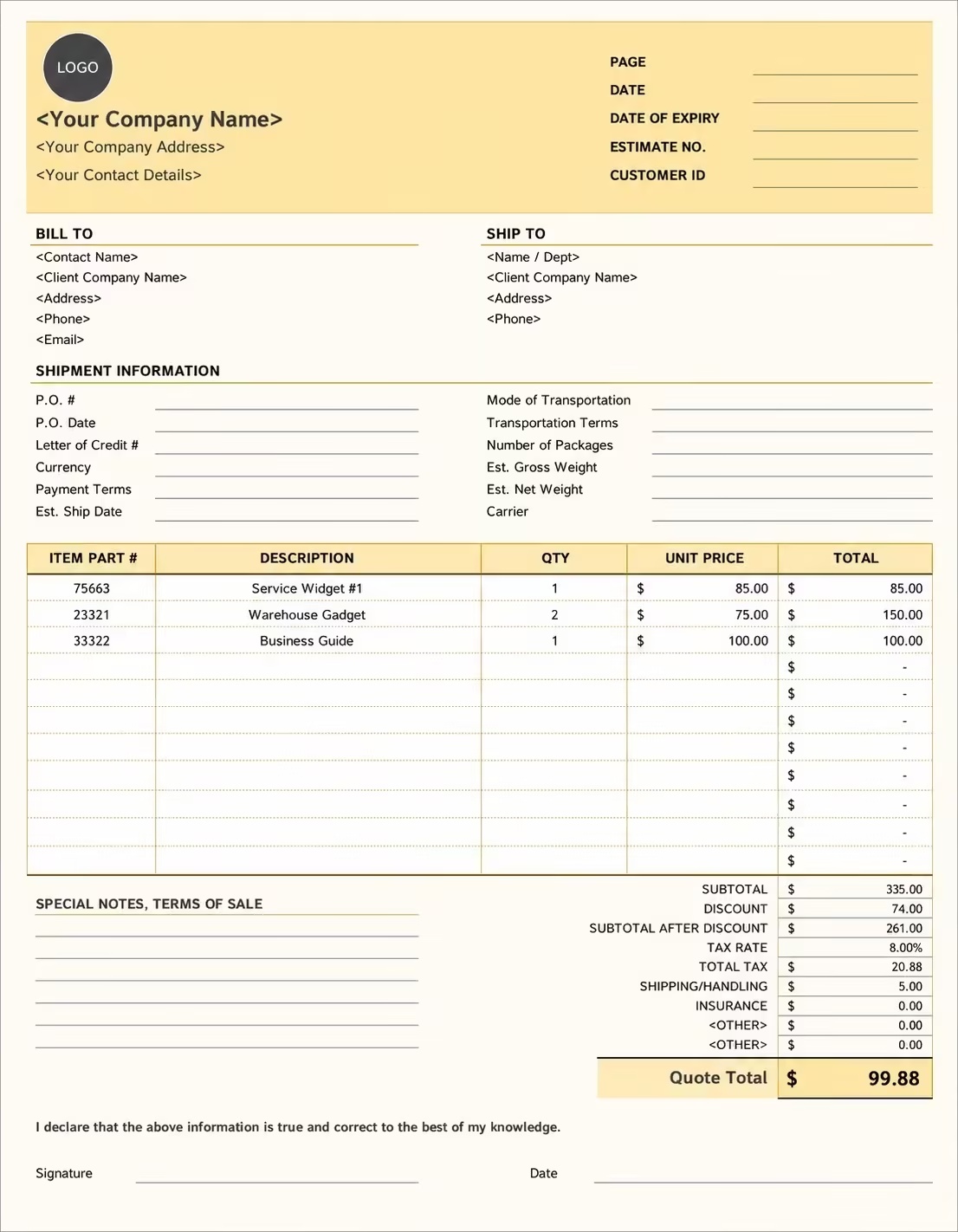
Editable Pro Forma Invoice Template
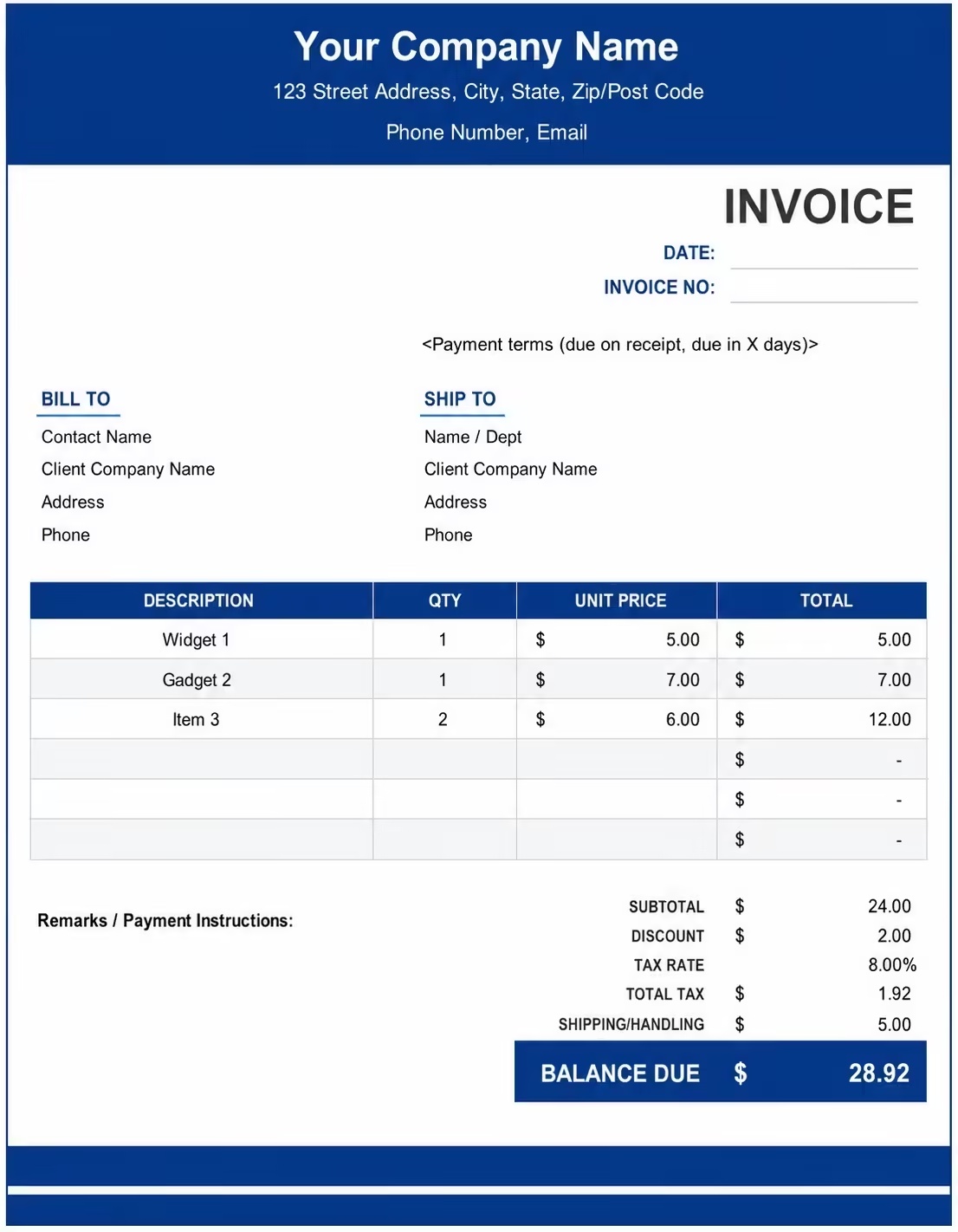
Printable Pro Forma Invoice Template
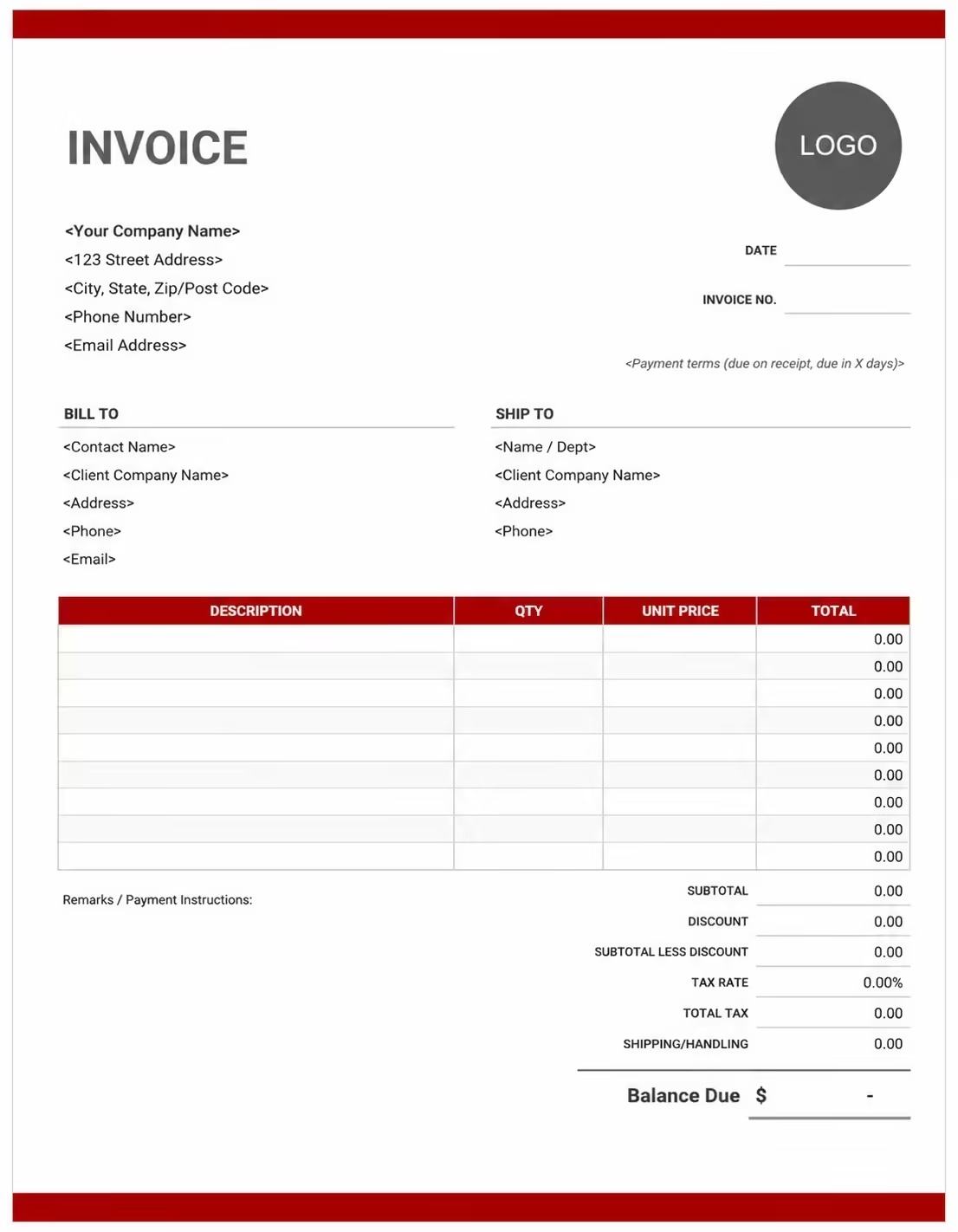
Free Pro Forma Invoice Template
Use these templates for quotations, export documentation, prepayment requests, purchase approvals, international shipments, product orders, wholesale sales, manufacturing orders, supplier billing, deposits, estimated taxes, shipping costs, and buyer confirmations.
How to Create a Pro Forma Invoice
A pro forma invoice should clearly show the buyer what is expected before the final sale, including estimated product charges, delivery details, taxes, shipping, payment terms, and the total amount for approval.
Download Free TemplateIn 5 Steps:
- Confirm the buyer details, product list, quantities, estimated prices, currency, shipping method, delivery address, payment terms, and whether the document is for quotation, export, prepayment, or buyer approval.
- Add your business details, buyer information, pro forma invoice number, issue date, validity date, order reference, purchase order number, and contact person for the transaction.
- List each product or service clearly with descriptions, SKU or item codes, quantities, unit prices, expected delivery dates, product origin, package details, or service scope where relevant.
- Add shipping costs, handling fees, insurance, discounts, taxes, duties, deposits, advance payments, currency, and estimated total payable so the buyer can review the full expected amount.
- Include terms such as payment instructions, bank details, quotation validity, delivery terms, incoterms, customs notes, approval notes, and a reminder that a pro forma invoice is not the final tax invoice.
With Invoize, businesses can create pro forma invoices faster, reuse product and buyer details, add shipping fees or taxes, convert approved estimates into final invoices, and keep pre-sale billing organized in one place.
What to Include in a Pro Forma Invoice
A professional pro forma invoice should include the details needed to identify the seller, buyer, goods or services, estimated pricing, delivery terms, payment instructions, and approval conditions before the final invoice is issued.
Invoice and Buyer Details
- Pro forma invoice numberHelps track the pre-sale document, quotation, buyer approval, export paperwork, purchase order, and future final invoice.
- Seller business detailsShows your company name, address, phone number, email, website, tax details, export registration, or business identification details.
- Buyer detailsIncludes the customer name, company name, billing contact, shipping contact, address, email, phone number, and buyer reference.
- Issue date and validity dateShows when the pro forma invoice was created and how long the pricing, terms, or offer remains valid.
- Order or reference numberConnects the document to a quote, purchase order, sales order, export order, shipment reference, or internal approval request.
Product, Service, and Shipping Details
- Product or service descriptionExplains the goods, services, packages, manufacturing order, wholesale items, export products, or planned work being quoted.
- Quantity and unit priceShows the number of items, units, cartons, cases, pallets, hours, or service units and the estimated unit rate.
- SKU, model, or item codeHelps buyers, suppliers, warehouses, and customs teams identify the correct product or order line.
- Shipping and delivery detailsRecords delivery address, shipping method, carrier, estimated delivery date, freight cost, packaging details, or shipment route.
- Trade or customs informationCan include country of origin, HS code, incoterms, export notes, customs value, or package weight when needed for international sales.
Payment and Final Notes
- Subtotal, tax, and estimated totalShows the expected amount after product totals, shipping, handling, discounts, taxes, duties, deposits, and adjustments.
- Deposits or advance paymentsShows upfront payment requests, partial payments, prepayments, credits, or balance due before shipment or delivery.
- Currency and exchange detailsClarifies the billing currency and helps international buyers understand the expected payable amount.
- Payment methodsLists bank transfer, card, wire transfer, ACH, online payment, letter of credit, or other accepted payment methods.
- Terms and approval notesRecords quotation validity, payment deadline, delivery conditions, incoterms, customs notes, cancellation terms, or final invoice instructions.
Billing Scenarios for Pro Forma Invoices
Use clear pro forma invoice labels so buyers, importers, finance teams, customs brokers, suppliers, and approval managers understand the estimated products, services, shipping costs, taxes, deposits, and payment terms before the final invoice is created.
| Scenario | Invoice line items | Best used for | How to describe it |
|---|---|---|---|
| Export pro forma invoice | Products, HS codes, country of origin, incoterms, shipping, customs value | Exporters preparing documents for international buyers or customs review. | Include export details, delivery terms, package information, and estimated customs value. |
| Prepayment request | Deposit amount, balance due, payment deadline, bank details | Businesses requesting payment before production, shipment, or delivery. | Clearly state the advance payment amount and remaining balance. |
| Wholesale product order | Bulk products, cartons, cases, unit prices, discounts, freight | Wholesalers and distributors sending pre-sale pricing to buyers. | Show quantities, volume pricing, discount terms, and shipping cost separately. |
| Manufacturing order approval | Custom products, materials, labor, setup fees, production schedule | Manufacturers quoting before production begins. | Add production details, estimated delivery date, and approval requirements. |
| Import documentation | Seller details, buyer details, product value, shipping route, currency | Importers needing paperwork before shipment or customs processing. | Include trade terms, currency, country of origin, and shipment details. |
| Quotation-style pro forma | Estimated product or service pricing, validity date, terms | Businesses sending an offer before a purchase order is confirmed. | Add a clear validity date and note that pricing is subject to approval. |
| Shipping cost estimate | Freight, handling, insurance, delivery fees, packaging | Sellers showing transport costs before final dispatch. | Separate shipping and handling from product prices. |
| Service pre-approval | Estimated service scope, hourly rates, fixed fees, deposit | Consultants or service providers seeking approval before work starts. | Show scope, assumptions, and payment terms clearly. |
| Custom order invoice | Made-to-order goods, specifications, deposit, delivery timeline | Businesses selling custom products or special orders. | Include specifications, approval notes, cancellation terms, and expected completion date. |
| Buyer finance approval | Expected total, payment schedule, taxes, shipping, documents | Clients who need internal approval before purchase. | Make totals, terms, and supporting details easy for finance teams to review. |
Create Invoice Now
☝️ Create a professional invoice in seconds.
Common Charges and Fees for Pro Forma Invoices
A pro forma invoice can include estimated product prices, service fees, freight, insurance, duties, deposits, and taxes. Keep every charge clear so the buyer knows what is expected before the final invoice.
| Charge or service | Unit | When to use | How to show it |
|---|---|---|---|
| Product charge | The estimated price of goods being offered or sold. | Use for product orders, export sales, wholesale orders, and supplier quotes. | List item names, quantities, unit prices, and line totals. |
| Service charge | The estimated cost of services or work to be performed. | Use when quoting consulting, installation, setup, or service work. | Describe the service scope, rate, and expected total. |
| Freight or shipping fee | Transport cost for moving goods to the buyer or delivery location. | Use for domestic or international shipping. | Separate freight from product charges for clarity. |
| Handling fee | Packing, loading, documentation, warehouse handling, or processing costs. | Use when additional handling is required before delivery. | Explain what the handling fee covers. |
| Insurance fee | Estimated insurance cost for shipment or goods in transit. | Use when goods require shipment insurance. | Show insurance separately if it is charged to the buyer. |
| Packaging fee | Boxes, cartons, pallets, protective packaging, labels, or special packing. | Use for export, fragile goods, bulk shipments, or custom packaging. | List packaging charges clearly. |
| Setup or tooling fee | Initial setup, molds, tooling, artwork, configuration, or production preparation. | Use for custom manufacturing or special orders. | State whether the fee is one-time or repeatable. |
| Deposit or advance payment | Amount requested before work, production, or shipping begins. | Use for prepayment, custom orders, or buyer commitment. | Show deposit paid and remaining balance due. |
| Discount | Price reduction, volume discount, trade discount, or promotional adjustment. | Use when offering reduced pricing. | Show the discount before the final estimated total. |
| Tax or VAT | Estimated tax based on location, product type, or service type. | Use when tax applies or needs to be estimated. | Show tax rate and estimated tax amount clearly. |
| Duties or customs estimate | Estimated import duties, customs charges, or trade-related fees. | Use when international shipping requires estimated customs costs. | Clarify that duties may vary by customs authority. |
| Bank or wire fee | Transfer charges or processing fees related to payment. | Use when bank charges are passed to the buyer. | List payment-related fees separately. |
| Rush order fee | Additional cost for urgent production, shipping, or processing. | Use when the buyer requests faster handling. | State the reason for the rush fee. |
| Late payment or expiry condition | Terms that apply if payment is not made within the validity period. | Use for offers with limited validity. | Mention the expiry date and approval deadline. |
Common Pro Forma Invoicing Mistakes
Pro forma invoices are often used for approvals, prepayments, exports, and customs documentation. Missing details can delay buyer approval, shipment, or payment. Avoid these common mistakes.
| Mistake | Why it causes problems | How to fix it |
|---|---|---|
| Not labeling it as pro forma | The buyer may confuse it with a final tax invoice. | Clearly title the document as Pro Forma Invoice. |
| Missing validity date | Buyers may assume pricing is valid indefinitely. | Add an expiration or validity date for the offer. |
| Using vague product descriptions | Customs teams, buyers, and finance departments may reject unclear items. | Use specific product names, item codes, quantities, and units. |
| Leaving out shipping terms | The buyer may not know who pays freight, insurance, or duties. | Add delivery terms, shipping method, incoterms, and cost responsibility. |
| Not separating deposits | The buyer may not understand what is due now and what remains later. | Show deposit, prepayment, balance due, and final total clearly. |
| Missing currency | International transactions can become confusing without currency details. | Show the billing currency on every line and total. |
| Forgetting customs information | International shipments may be delayed if required details are missing. | Add HS codes, origin, package details, or customs notes where needed. |
| No payment instructions | The buyer may approve the order but delay payment. | Include bank details, wire instructions, card links, or payment method. |
| Treating estimates as final charges | The buyer may dispute changes later if the document is unclear. | Mention that totals are estimated and subject to final invoice if applicable. |
| Missing purchase order reference | Finance teams may not be able to match the document to approval records. | Add purchase order, quotation number, sales order, or buyer reference. |
| Mixing shipping and product totals | Buyers may not understand what they are paying for. | Separate product totals, shipping, handling, insurance, tax, and duties. |
| Sending without approval terms | The seller may start work without clear buyer acceptance. | Add approval notes, signature instructions, or payment deadline. |
More Invoice Templates You May Like
Explore closely related invoice templates for pro forma work, similar services, and nearby billing scenarios before choosing the best format for your customer.
Questions
Frequently Asked Questions
What is a pro forma invoice?
A pro forma invoice is a preliminary invoice sent before the final sale. It shows expected products, services, quantities, prices, shipping, taxes, payment terms, and total amount so the buyer can review or approve the transaction.
What should a pro forma invoice include?
A pro forma invoice should include seller details, buyer details, pro forma invoice number, issue date, validity date, product or service descriptions, quantities, unit prices, shipping costs, taxes, currency, payment terms, and estimated total.
Is a pro forma invoice the same as a final invoice?
No. A pro forma invoice is usually issued before the final sale or shipment. It is used for approval, quotation, prepayment, customs, or planning. A final invoice is issued after the sale is confirmed or completed.
Can I use this template for export shipments?
Yes. The template can include export details such as country of origin, HS codes, incoterms, package details, shipping method, freight costs, insurance, customs notes, and estimated value.
Can a pro forma invoice request payment?
Yes. Many businesses use a pro forma invoice to request a deposit, advance payment, or full payment before production, delivery, or shipment. Clearly state the amount due and payment instructions.
Should a pro forma invoice include taxes?
If taxes or VAT are expected, include them as estimated amounts. Make it clear whether the amount is final or subject to adjustment on the final invoice.
What is the difference between a quote and a pro forma invoice?
A quote usually shows proposed pricing, while a pro forma invoice is more formal and often includes invoice-style details, payment terms, shipment details, and buyer approval information before a final invoice is issued.
Can I use a pro forma invoice for customs?
Yes. Pro forma invoices are commonly used for customs review, export preparation, and import documentation when a final commercial invoice is not yet available.
Should I add a validity date to a pro forma invoice?
Yes. A validity date tells the buyer how long the pricing, terms, shipping estimate, or offer remains active. This is especially helpful when prices, freight, taxes, or exchange rates may change.
Can I convert a pro forma invoice into a final invoice?
Yes. Once the buyer approves the order, pays the deposit, or confirms the sale, you can use the same details to prepare the final invoice with confirmed totals and final payment terms.