
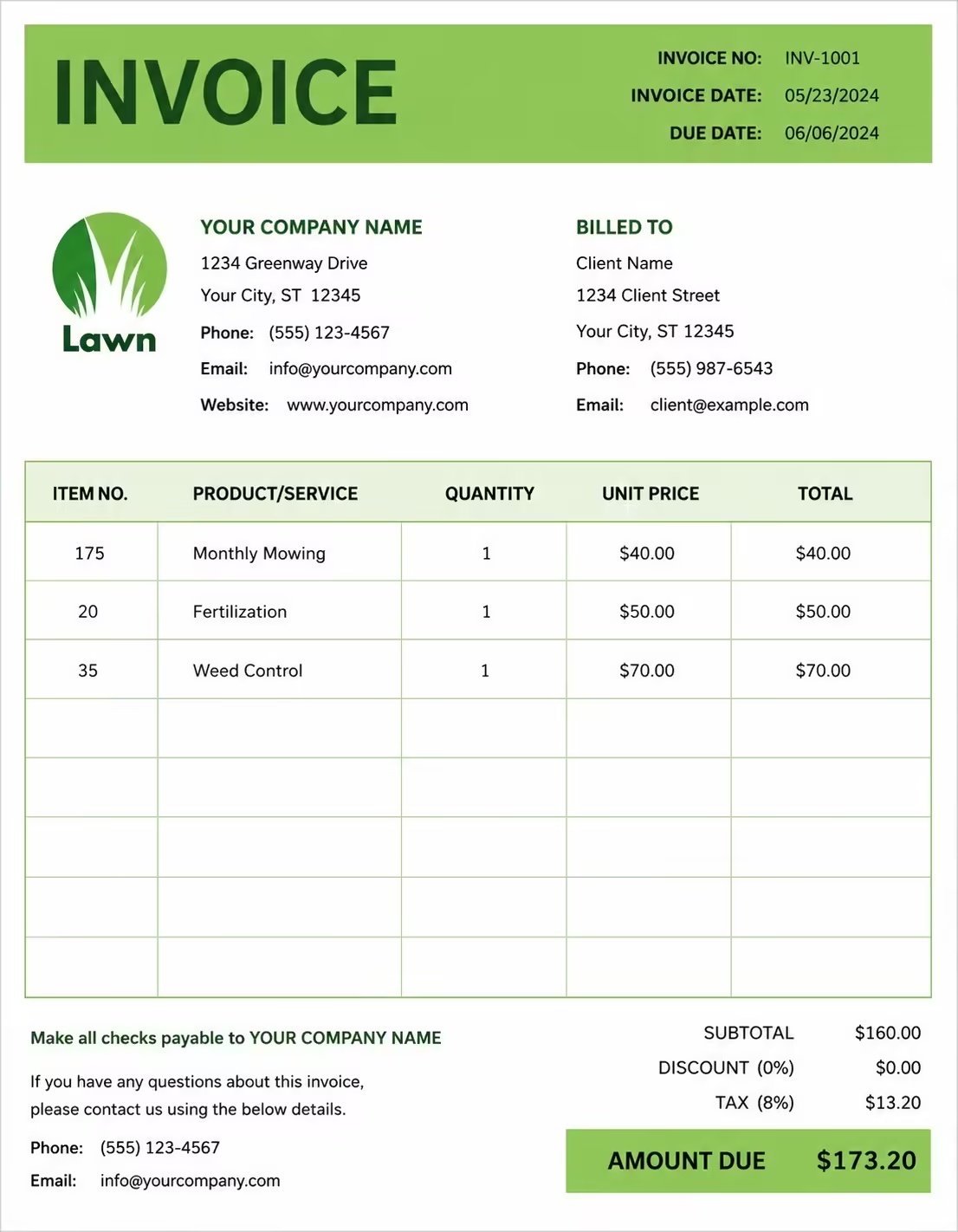
Free HVAC Invoice Template
Free invoice templates for HVAC contractors, heating and cooling technicians, AC repair companies, furnace installers, ventilation specialists, and maintenance service businesses. Download and edit in PDF, Word, Excel, Google Docs, or Google Sheets.
Use this HVAC invoice template to bill for heating repairs, cooling service, AC installation, furnace work, duct repairs, thermostat replacement, refrigerant, parts, labor, maintenance plans, emergency service calls, taxes, deposits, and final balances in a professional format.
Download the app and manage invoices anywhere


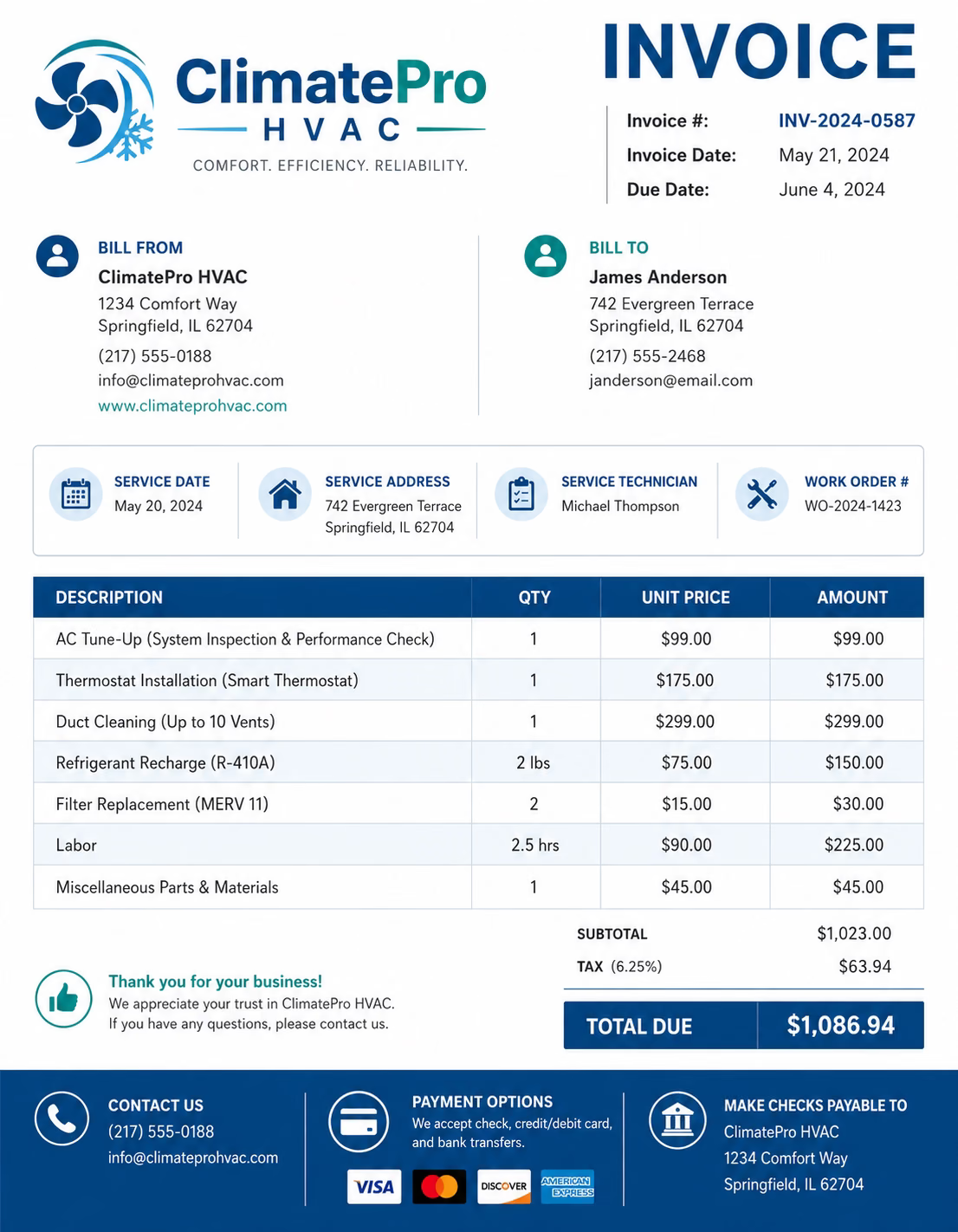
Download Free HVAC Invoice Templates
Download an HVAC invoice template, then edit it in PDF, Word, Excel, Google Docs, or Google Sheets. Print it, save it, or send it to your client after an AC repair, heating installation, maintenance visit, inspection, or service call.
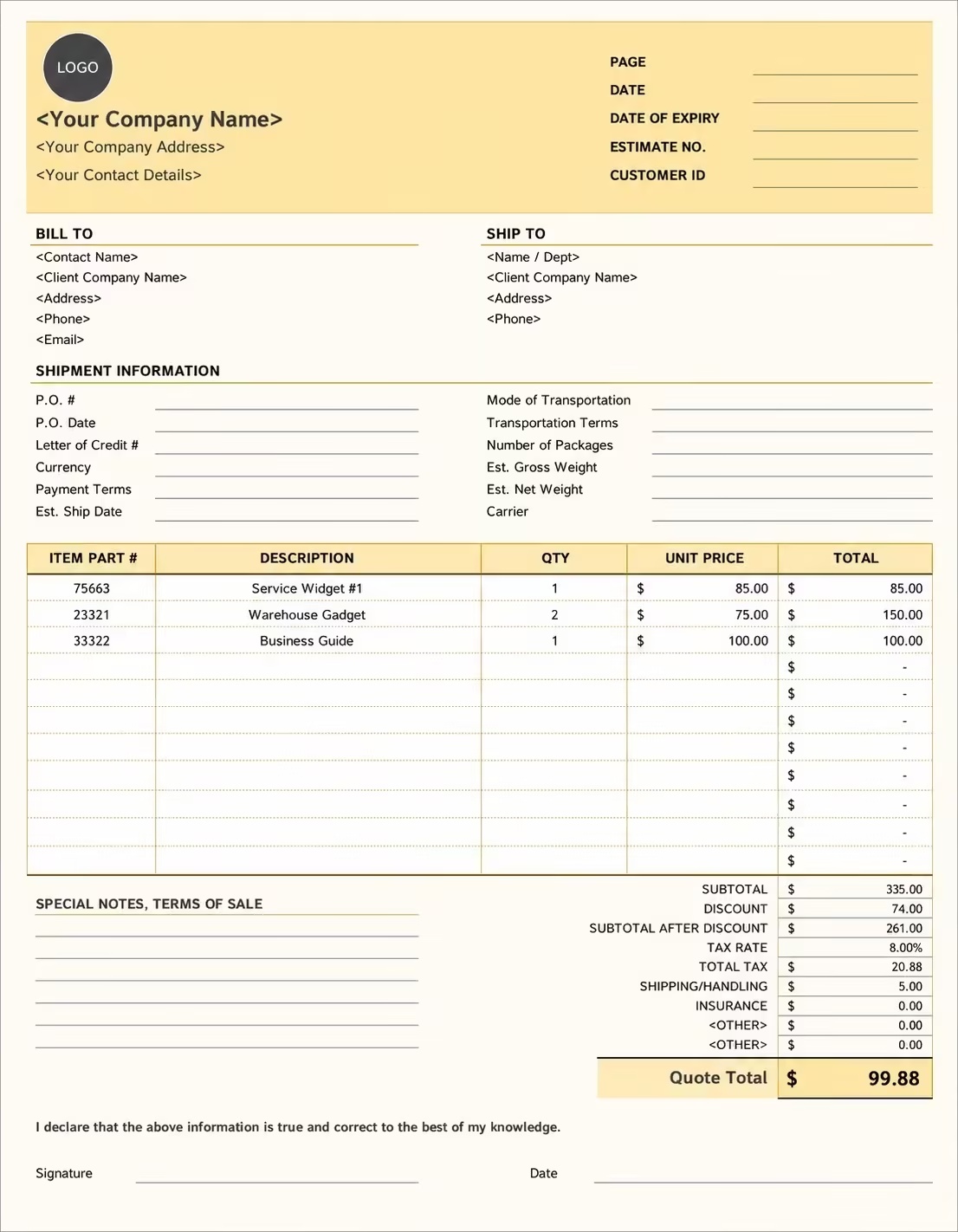
Editable HVAC Invoice Template
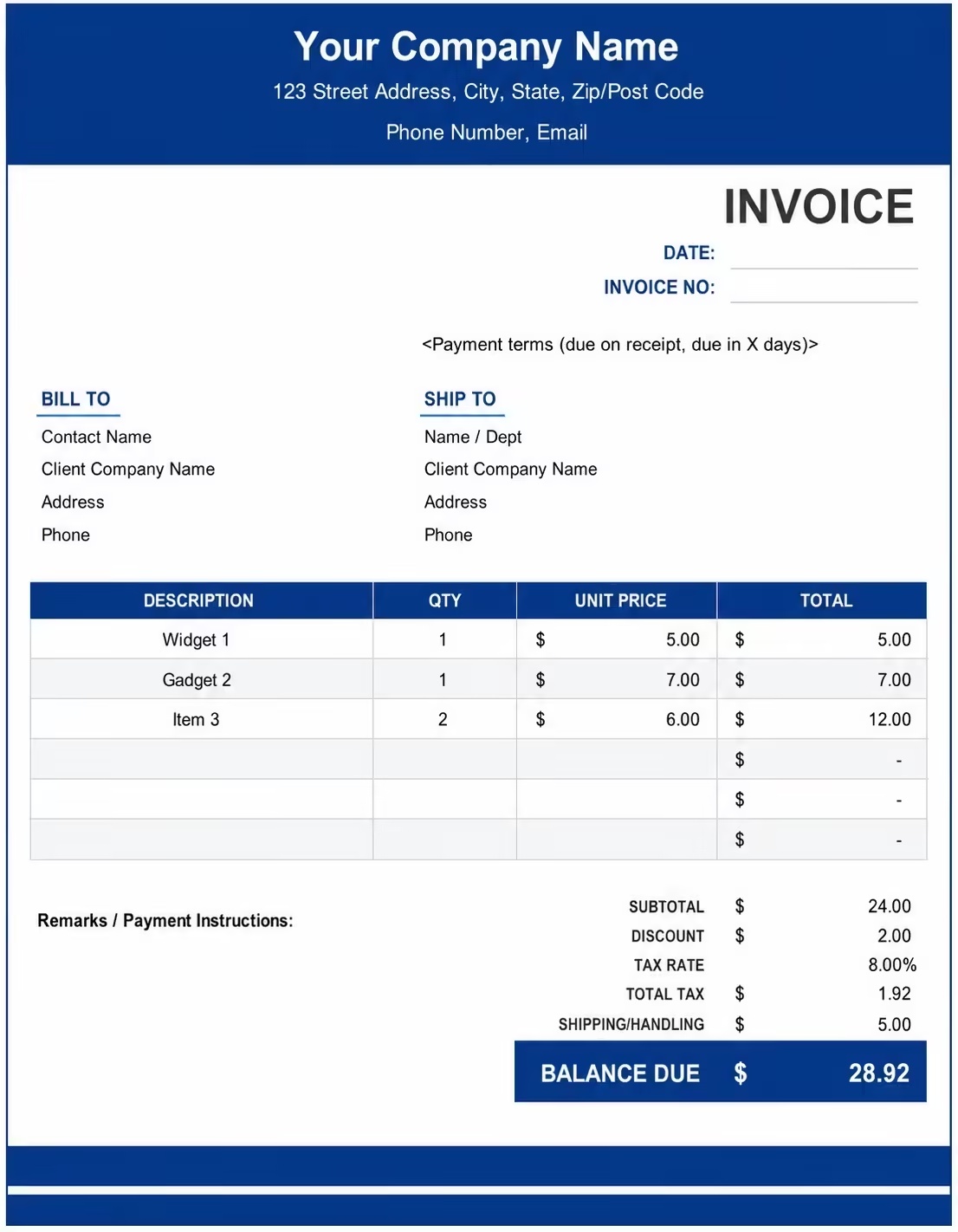
Printable HVAC Invoice Template
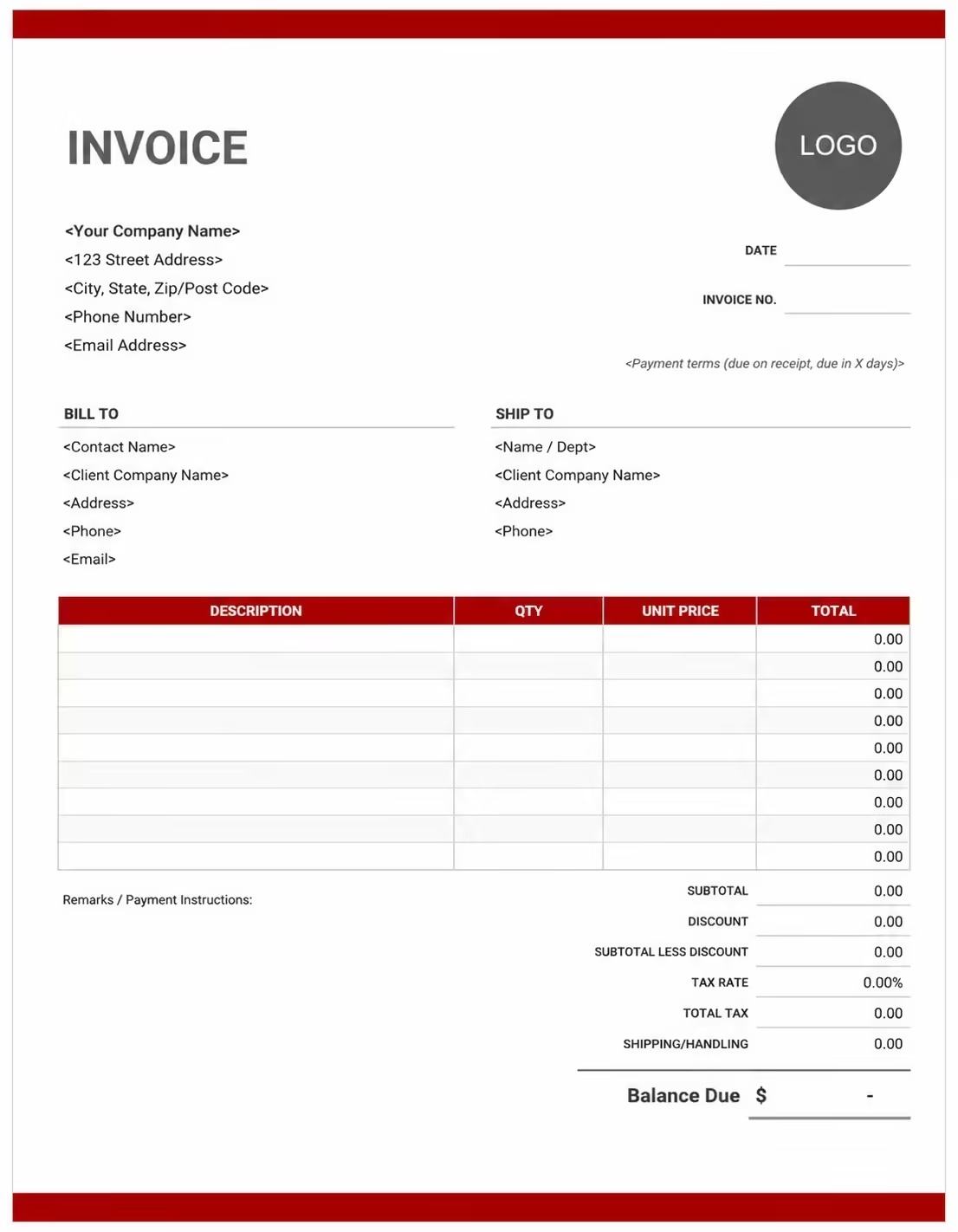
Free HVAC Invoice Template
Use these templates for residential HVAC work, commercial heating and cooling service, AC repairs, furnace repairs, equipment installation, ductwork, thermostat service, maintenance contracts, emergency calls, and contractor billing.
How to Invoice for HVAC Work
A good HVAC invoice should clearly show the client, service address, equipment details, work completed, technician labor, parts, materials, service call fees, taxes, deposits, and balance due.
Download Free TemplateIn 5 Steps:
- Confirm the service type, property address, system details, equipment model, warranty status, diagnosis, approved work, rate, parts needed, and payment terms before creating the invoice.
- Record completed HVAC work, technician hours, diagnostic findings, repairs, installation tasks, maintenance checks, parts used, refrigerant, filters, thermostat work, ductwork, and approved extras.
- Separate service call fees, labor, parts, equipment, materials, permits, travel, emergency charges, taxes, discounts, deposits, and previous payments so the client can review every cost clearly.
- Add invoice number, service date, due date, technician notes, accepted payment methods, equipment notes, warranty notes, and any follow-up recommendations.
- Send the invoice, save a copy for your records, and track whether it is unpaid, partially paid, paid, overdue, or ready for follow-up.
With Invoize, HVAC contractors can create professional invoices faster, reuse common service and parts items, save client and property details, track deposits, and manage payment status from anywhere.
What to Include in an HVAC Invoice
A professional HVAC invoice should include the details needed to identify the client, property, system, service performed, parts used, payment terms, and final amount due.
Invoice and Service Details
- Invoice numberHelps track the invoice, payment, client record, and service history.
- Work order or service ticket referenceConnects the invoice to the original service request, estimate, maintenance visit, or approved repair.
- Business name and HVAC company contact detailsShows who completed or managed the heating, cooling, or ventilation work.
- Client name and billing detailsIdentifies who is responsible for payment.
- Service address and service dateShows where and when the HVAC repair, installation, inspection, or maintenance work was completed.
HVAC Labor, Parts, and Equipment Details
- HVAC service descriptionExplains the completed work, such as AC repair, furnace service, thermostat replacement, duct repair, system installation, or seasonal maintenance.
- Technician labor hours and rateShows how service labor, diagnostic time, repair work, or installation time was calculated.
- Parts and materialsLists filters, capacitors, contactors, thermostats, refrigerant, belts, motors, sensors, wiring, duct materials, fittings, and other parts used.
- Equipment informationShows unit type, model, serial number, system location, or installed equipment when relevant.
- Service call, emergency, or travel feeShows call-out, after-hours, travel, fuel, parking, or emergency charges separately from labor and parts.
Payment and Final Notes
- Deposits or partial paymentsShows money already paid before the remaining balance.
- Maintenance plan or warranty notesRecords whether the work is covered by a service agreement, warranty, or maintenance plan.
- Taxes, discounts, and feesShows adjustments before the final total.
- Total amount dueShows the final amount the client needs to pay.
- Payment due date and methodsTells the client when payment is expected and how they can pay.
Billing Scenarios for HVAC Contractors
Use clear invoice labels so clients understand the HVAC service, labor, parts, equipment, service call fees, taxes, deposits, and final balance due.
| Scenario | Invoice line items | Best used for | How to describe it |
|---|---|---|---|
| AC repair | Diagnostic fee, technician labor, parts, refrigerant, testing | Residential and commercial air conditioning service calls, cooling issues, and repair visits. | Show the diagnosis, replaced parts, labor time, and whether refrigerant or testing was included. |
| Heating or furnace repair | Service call, labor, ignition parts, blower parts, filters, safety check | Furnace problems, heating failures, seasonal repairs, and emergency heat service. | List parts and labor separately and include any safety or follow-up notes. |
| HVAC installation | Equipment, installation labor, materials, permits, startup testing | New AC units, furnaces, heat pumps, mini-splits, air handlers, or full system installs. | Show equipment details, model or system type, installation labor, materials, and deposit/payment schedule. |
| Preventive maintenance | Inspection, cleaning, filter replacement, tune-up labor | Seasonal AC tune-ups, heating checks, maintenance contracts, and property management service. | Describe the checklist items completed and list parts or filters separately. |
| Ductwork or ventilation service | Duct repair, fittings, materials, sealing, labor | Airflow issues, ventilation repairs, duct replacement, and indoor air quality work. | List materials, sections repaired, labor, and any airflow or inspection notes. |
| Emergency or after-hours service | Emergency call fee, labor, parts, travel | Urgent HVAC repairs outside normal business hours or same-day service. | Show the emergency fee separately so the client understands the premium charge. |
Create Invoice Now
☝️ Create a professional invoice in seconds.
Common Charges and Fees for HVAC Work
Itemize HVAC charges clearly so clients can see service calls, labor, parts, equipment, maintenance, deposits, taxes, and final project balance.
| Charge or service | Unit | When to use | How to show it |
|---|---|---|---|
| Service call or diagnostic fee | Flat fee | Use for inspection, troubleshooting, system diagnosis, and technician dispatch. | List it separately from repair labor and parts. |
| HVAC technician labor | Hourly or project | Use for AC repair, furnace repair, installation labor, maintenance, ductwork, and testing. | Show hours, rate, and a short description of the work performed. |
| Replacement parts | Item or quantity | Use for capacitors, contactors, thermostats, filters, motors, belts, sensors, boards, wiring, and fittings. | List part names and quantities separately from labor. |
| Refrigerant or charging | Amount or service | Use when refrigerant is added, recovered, tested, or charged based on system needs. | Show the quantity or service description where applicable. |
| Equipment installation | Item or project | Use for AC units, furnaces, heat pumps, mini-splits, air handlers, or ventilation equipment. | Show equipment details, model/type, and installation labor separately. |
| Maintenance plan or tune-up | Visit or contract | Use for seasonal maintenance, cleaning, inspection, filter changes, and service agreements. | Describe what was included in the visit or plan. |
| Emergency or after-hours fee | Fee | Use for urgent, weekend, holiday, or after-hours service calls. | Label the fee clearly and keep it separate from normal labor. |
| Travel, delivery, or permit fee | Fee | Use for travel, equipment delivery, fuel, parking, permits, or inspection-related costs. | Add the fee as a separate line item with a clear label. |
| Deposit or progress payment | Credit | Use when the client already paid before or during installation or repair work. | Subtract it from the invoice total and show the remaining balance due. |
| Tax | Percentage or amount | Use when tax applies to labor, parts, equipment, or service charges based on local rules. | Show tax before the final total so the client can review the balance. |
Common HVAC Invoicing Mistakes
HVAC invoices often include diagnostics, labor, parts, equipment, emergency fees, maintenance plans, deposits, and warranty notes. Missing details can confuse clients or slow down payment. Avoid these common mistakes.
| Mistake | Why it causes problems | How to fix it |
|---|---|---|
| Missing service address or equipment details | The client may not know which property, system, or unit the invoice refers to. | Add service address, service date, system type, equipment location, model, serial number, or work order reference when available. |
| Not separating labor and parts | Clients may not understand how the total was calculated. | Separate technician labor, parts, equipment, refrigerant, fees, taxes, deposits, and discounts. |
| Vague repair descriptions | Generic descriptions can lead to questions or payment delays. | Describe the diagnosis, repair performed, replaced parts, and completed tests in clear language. |
| Leaving out service call or emergency fees | Clients may dispute call-out or after-hours charges if they are not listed clearly. | Show diagnostic, dispatch, emergency, travel, or after-hours fees as separate line items. |
| Not showing warranty or maintenance plan notes | Clients may not know what is covered or what future service is recommended. | Add warranty notes, maintenance agreement details, recommended follow-up, or excluded items where relevant. |
| Forgetting deposits or progress payments | The balance due may look higher than expected. | Show deposits, progress payments, credits, and remaining balance clearly. |
| Missing permits or inspection charges | Installation clients may question added costs if permit or inspection fees are hidden. | List permit, inspection, or compliance fees separately when they apply. |
| No payment terms | The client may not know when or how to pay. | Add due date, accepted payment methods, and any late payment policy you use. |
More Invoice Templates You May Like
Explore closely related invoice templates for hvac work, similar services, and nearby billing scenarios before choosing the best format for your customer.
Questions
Frequently Asked Questions
What should an HVAC invoice include?
An HVAC invoice should include your business details, client details, service address, invoice number, service date, work completed, labor charges, parts, equipment, service call fees, taxes, deposits, payment terms, and total amount due.
How should I list HVAC parts on an invoice?
List HVAC parts as separate line items with names, quantities, and prices. Common items include filters, capacitors, contactors, thermostats, motors, belts, sensors, wiring, refrigerant, and duct materials.
Can I use this template for AC repair invoices?
Yes. This template works for AC repairs, cooling service, refrigerant work, thermostat replacement, diagnostics, technician labor, parts, and maintenance billing.
Can this template be used for HVAC installation work?
Yes. You can use it for AC installation, furnace installation, heat pump installation, mini-split installation, ductwork, materials, permits, deposits, and progress payments.
Should service call fees be listed separately?
Yes. Diagnostic, dispatch, service call, travel, emergency, and after-hours fees should be shown separately so the client understands the charge.
How do I show a maintenance plan or tune-up?
Add a clear line item for the maintenance visit or plan, then describe the inspection, cleaning, filter change, testing, and any parts or recommendations included.
How do I show deposits or partial payments?
Show the project total, deposit received, progress payment received, current amount due, and remaining balance. This helps the client understand what has already been paid and what is still owed.
What payment terms should an HVAC invoice include?
Include the payment due date, accepted payment methods, deposit terms, late fee policy if used, and any notes about warranty, follow-up service, parts, or maintenance recommendations.