
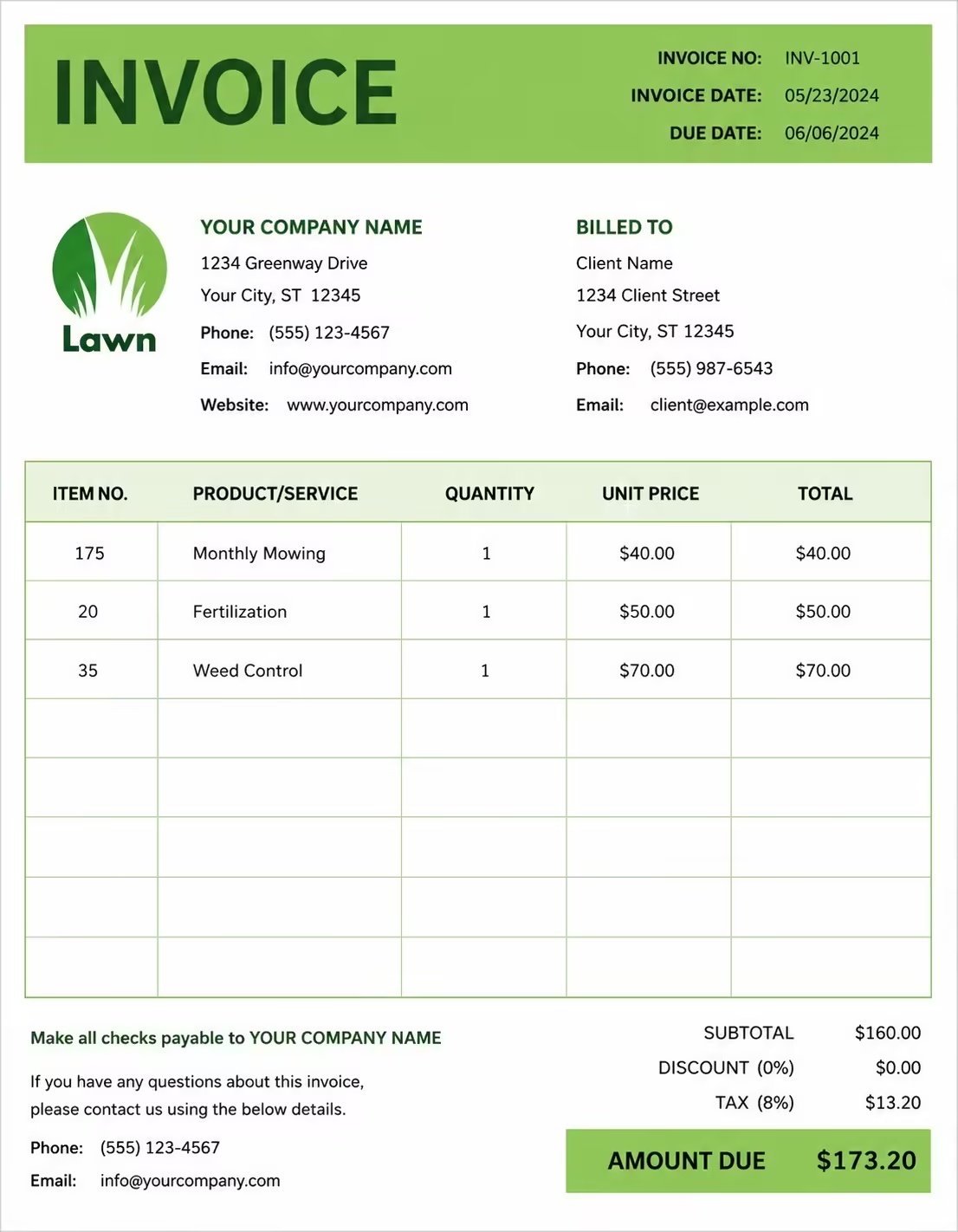
Free Painting Invoice Template
Free invoice templates for painting contractors, interior painters, exterior painters, residential painting crews, commercial painters, drywall and paint repair specialists, cabinet painters, and skilled trade businesses. Download and edit in PDF, Word, Excel, Google Docs, or Google Sheets.
Use this painting invoice template to bill for surface preparation, priming, interior painting, exterior painting, paint supplies, labor hours, room counts, square footage, trim work, touch-ups, equipment, cleanup, taxes, deposits, progress payments, and final balances in a clear professional format.
Download the app and manage invoices anywhere


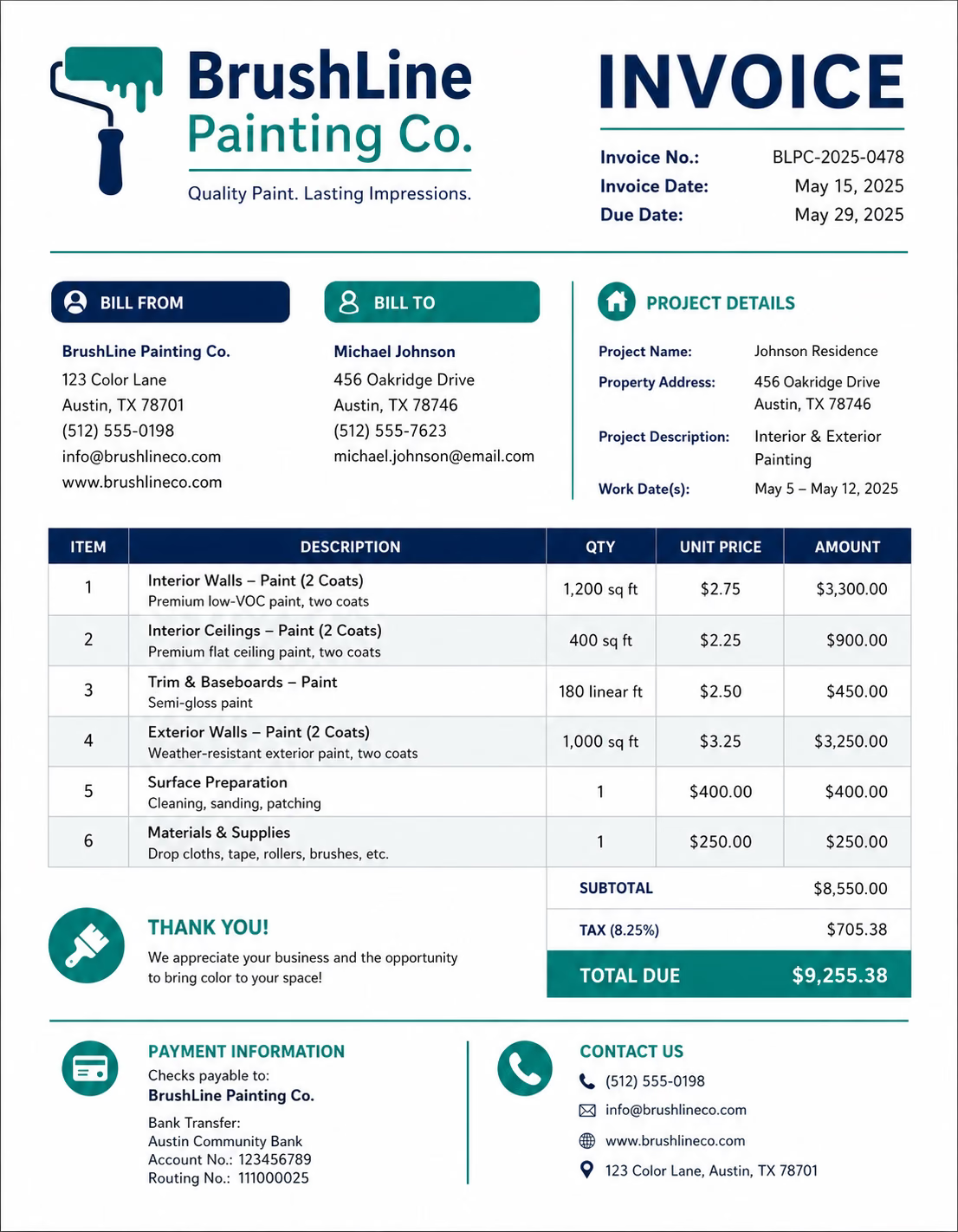
Download Free Painting Invoice Templates
Download a painting invoice template, then edit it in PDF, Word, Excel, Google Docs, or Google Sheets. Print it, save it, or send it after an interior painting job, exterior repaint, apartment turnover, cabinet painting project, commercial painting job, repair touch-up, or repainting service.
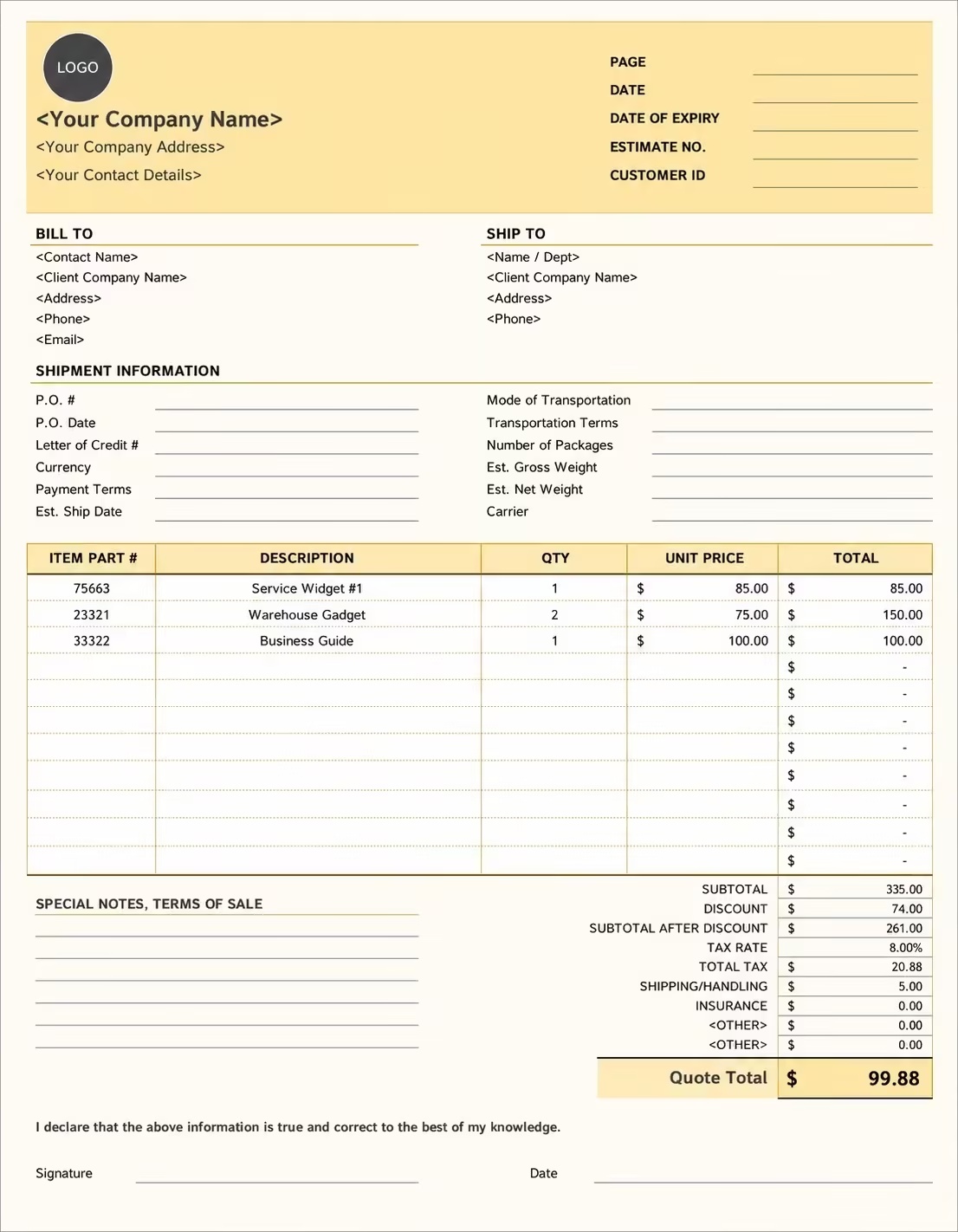
Editable Painting Invoice Template
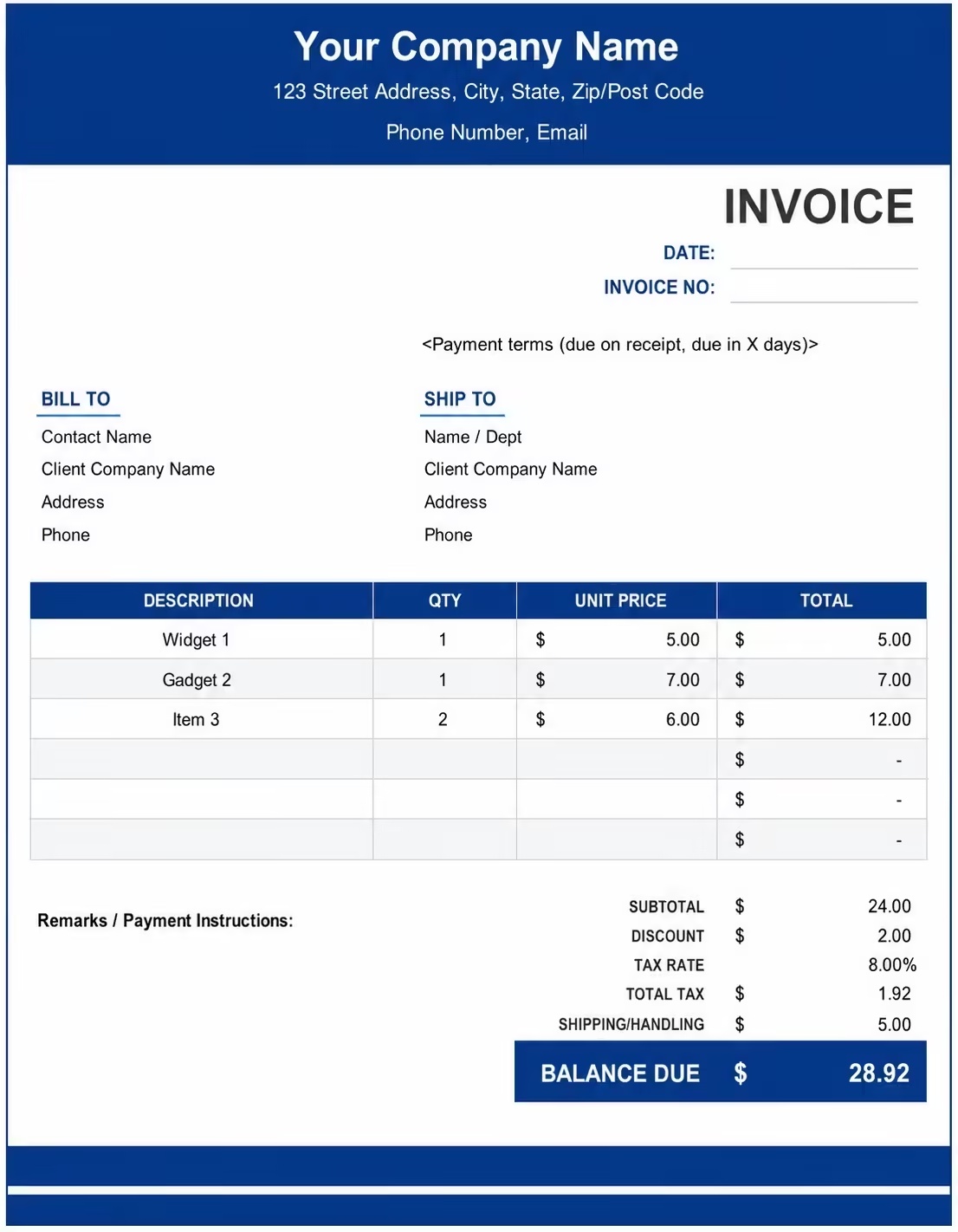
Printable Painting Invoice Template
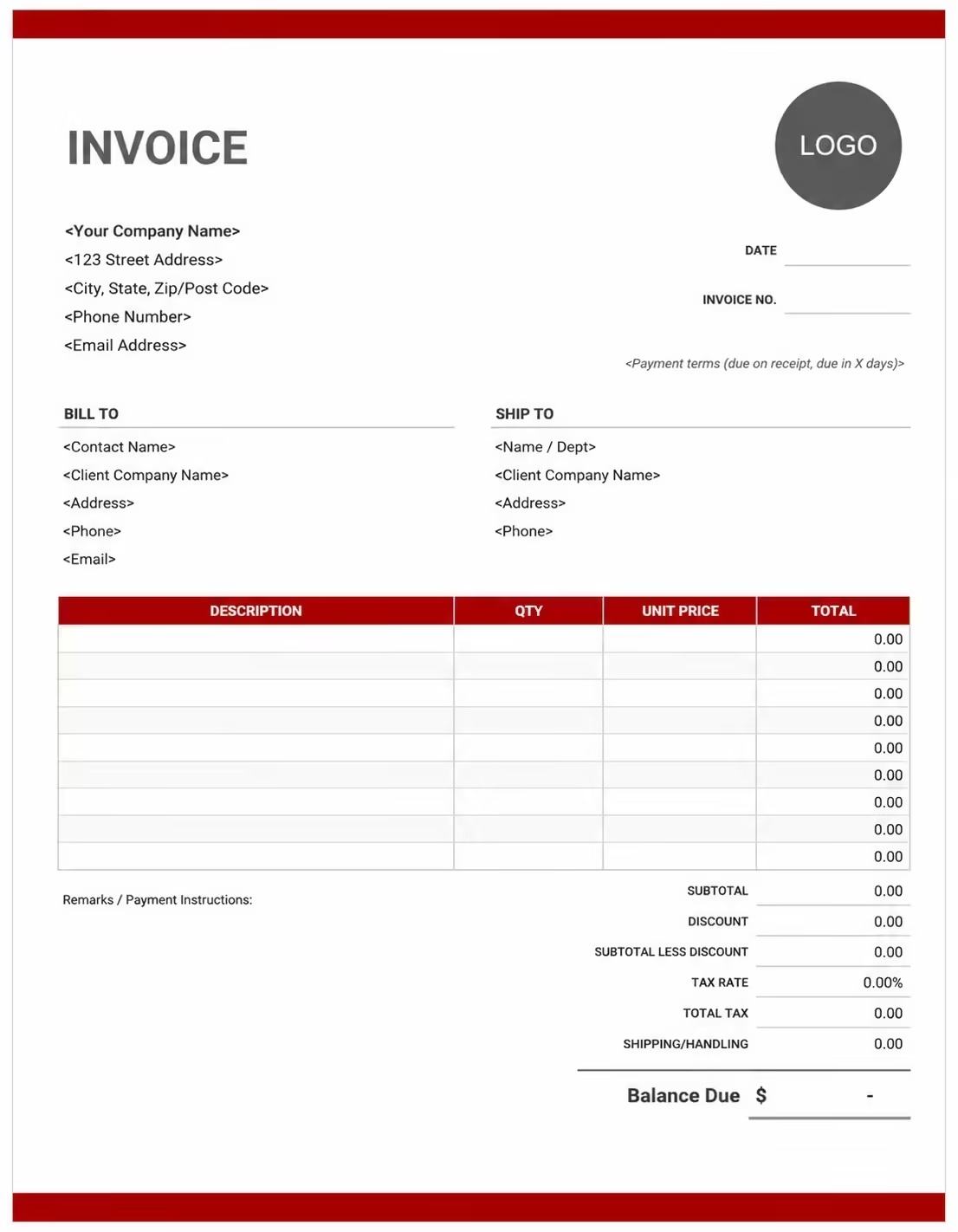
Free Painting Invoice Template
Use these templates for interior painting, exterior painting, residential repaints, commercial painting, prep work, priming, drywall patching, trim painting, cabinet painting, staining, touch-ups, materials, labor, equipment, deposits, and final payment billing.
How to Invoice for Painting Work
A good painting invoice should clearly show the customer, job site, painting service, rooms or surfaces painted, labor, paint supplies, prep work, equipment, cleanup, taxes, deposits, and balance due.
Download Free TemplateIn 5 Steps:
- Confirm the customer details, job site address, approved estimate, service scope, surface condition, room list, square footage, paint type, finish, color notes, labor rate, material plan, deposit, and payment terms before creating the invoice.
- Record the completed painting work, including interior painting, exterior painting, trim work, doors, cabinets, ceilings, walls, siding, fences, drywall patching, priming, staining, touch-ups, or final cleanup.
- Separate labor, paint, primer, caulk, tape, brushes, rollers, drop cloths, sprayer use, ladders, scaffolding, surface prep, repairs, cleanup, taxes, discounts, deposits, and previous payments so every cost is easy to review.
- Add invoice number, service dates, payment due date, warranty or touch-up notes, accepted payment methods, color references, and any follow-up recommendations for drying, curing, ventilation, or maintenance.
- Send the invoice, save a copy for your records, and track whether it is unpaid, partially paid, paid, overdue, or ready for follow-up.
With Invoize, painting contractors can create professional invoices faster, save client and job-site details, reuse common painting service items, add paint and labor charges, and track payment status from anywhere.
What to Include in a Painting Invoice
A professional painting invoice should include the details needed to identify the customer, project location, surfaces painted, paint materials, labor, payment terms, and final amount due.
Invoice and Project Details
- Invoice numberHelps track the invoice, payment, customer record, and painting job history.
- Estimate or work order referenceConnects the invoice to the original approved estimate, repaint request, property turnover, or project agreement.
- Business name and contact detailsShows which painting company, contractor, or crew completed the work.
- Customer name and billing detailsIdentifies who requested the painting service and who is responsible for payment.
- Job site address and service datesShows where and when the interior painting, exterior painting, touch-up, or repainting work was completed.
Painting Labor, Materials, and Scope
- Service descriptionExplains the completed work, such as interior wall painting, exterior repainting, cabinet painting, trim painting, ceiling painting, staining, or touch-up service.
- Labor hours and rateShows how painter time, prep labor, coating, cleanup, crew size, or project labor was calculated.
- Paint and supplies usedLists paint, primer, stain, caulk, tape, rollers, brushes, trays, drop cloths, sandpaper, masking materials, and other supplies.
- Rooms, surfaces, or quantitiesShows square footage, number of rooms, walls, ceilings, doors, cabinets, trim sections, coats applied, or project phases.
- Prep work, repairs, and equipmentSeparates patching, sanding, scraping, washing, caulking, ladder use, scaffolding, sprayer setup, floor protection, and cleanup from paint and labor.
Payment and Final Notes
- Deposits or progress paymentsShows money already paid before the remaining balance is calculated.
- Color, finish, or touch-up notesRecords paint colors, finish type, room notes, warranty terms, drying guidance, or follow-up touch-up instructions.
- Taxes, discounts, and feesShows adjustments before the final total.
- Total amount dueShows the final amount the customer needs to pay.
- Payment due date and methodsTells the customer when payment is expected and how they can pay.
Billing Scenarios for Painting Businesses
Use clear invoice labels so customers understand the painting service, labor, materials, prep work, equipment, cleanup, taxes, deposits, and final balance due.
| Scenario | Invoice line items | Best used for | How to describe it |
|---|---|---|---|
| Interior painting | Wall painting, ceiling painting, trim, paint, supplies, labor | Homes, apartments, offices, bedrooms, living rooms, kitchens, and interior repaint projects. | Show rooms painted, paint colors, number of coats, prep work, labor, materials, and cleanup notes. |
| Exterior painting | Pressure washing, scraping, priming, exterior paint, labor | Siding, doors, trim, shutters, fences, decks, garages, and exterior repainting jobs. | List surfaces painted, weather or prep notes, paint type, labor, equipment, and warranty notes. |
| Commercial painting | Project labor, paint materials, after-hours work, equipment | Retail stores, offices, warehouses, property management, and business repaint projects. | Break down areas painted, schedule, crew labor, equipment, materials, and project phases. |
| Cabinet painting | Cleaning, sanding, primer, cabinet paint, spraying, labor | Kitchen cabinets, bathroom vanities, built-ins, and refinishing work. | Describe cabinet count, prep, primer, paint type, coats, hardware notes, and curing guidance. |
| Drywall patch and paint | Patch repair, sanding, primer, paint match, touch-up labor | Small repairs, move-out work, water-damage touch-ups, holes, cracks, and scuffed walls. | Show repair areas, materials, labor, color match notes, and final touch-up details. |
| Trim, doors, and baseboards | Surface prep, enamel paint, trim labor, caulk | Interior finishing, baseboards, doors, frames, crown molding, and detailed brush work. | List linear footage, number of doors or trim areas, paint type, labor, and prep notes. |
| Staining or sealing | Stain, sealer, sanding, application labor, cleanup | Decks, fences, doors, wood trim, furniture, and exterior wood surfaces. | Show surface area, stain or sealer type, coats, prep, labor, and drying instructions. |
| Property turnover painting | Touch-ups, wall repaint, supplies, labor, quick turnaround | Rental units, apartments, property managers, and move-out repaint services. | Label unit address, rooms completed, patching, paint match, labor, supplies, and due date clearly. |
Create Invoice Now
☝️ Create a professional invoice in seconds.
Common Charges and Fees for Painting Work
Itemize painting charges clearly so customers can see labor, paint supplies, prep work, equipment, cleanup, taxes, deposits, and final balance.
| Charge or service | Unit | When to use | How to show it |
|---|---|---|---|
| Painting labor | Hourly or project | Use for surface prep, priming, painting, trim work, touch-ups, cleanup, and job coordination. | Show hours, crew rate, or project price with a short service description. |
| Paint and primer | Gallon or item | Use for wall paint, exterior paint, primer, stain, enamel, specialty coatings, and sealers. | List product type, finish, quantity, unit price, and total separately from labor. |
| Supplies and materials | Item or bundle | Use for tape, caulk, rollers, brushes, trays, masking paper, plastic, sandpaper, and drop cloths. | Show quantities and material costs when possible. |
| Surface preparation | Hourly or project | Use when walls, siding, cabinets, trim, or exterior surfaces need scraping, sanding, patching, caulking, or washing. | Describe prep areas and separate prep charges from final painting. |
| Drywall or minor repair | Patch or project | Use for small holes, cracks, dents, water stains, texture repair, and paint-match touch-ups. | Show repair area, materials, labor, and final finish notes. |
| Equipment or setup | Daily or project | Use for ladders, scaffolding, sprayers, masking setup, floor protection, or specialty tools. | Show equipment type, setup need, and cost. |
| Cleanup and disposal | Fee | Use for removing tape, plastic, paint cans, debris, dust, overspray protection, or job-site cleanup. | Describe cleanup scope and disposal cost clearly. |
| Deposit or progress payment | Amount | Use when the customer paid a booking deposit, material deposit, or milestone payment before completion. | Subtract it clearly from the final amount due. |
| Tax | Percentage or amount | Use when tax applies to labor, materials, supplies, or service fees. | Show tax before the final total so the balance is transparent. |
Common Painting Invoicing Mistakes
Painting invoices often include labor, materials, prep work, paint colors, room details, equipment, deposits, and warranty notes. Missing details can confuse customers or delay payment. Avoid these common mistakes.
| Mistake | Why it causes problems | How to fix it |
|---|---|---|
| Leaving out the job site address | The customer may not know which home, rental unit, office, room, or property the invoice belongs to. | Add the exact service address or project location to every painting invoice. |
| Not describing the painting scope | A generic invoice line can make interior painting, exterior painting, cabinet painting, or touch-up charges unclear. | Add a short service description for each line item. |
| Combining labor and materials into one total | Customers may not understand how the final price was calculated. | Separate labor, paint, primer, supplies, prep work, equipment, cleanup, taxes, and deposits. |
| Missing rooms, surfaces, or quantities | The customer may question the number of rooms, walls, coats, doors, cabinets, or square feet billed. | Show rooms, surfaces, quantities, rates, and totals where relevant. |
| Forgetting prep work details | Sanding, patching, scraping, caulking, washing, and masking can look unexpected if not explained. | Label preparation work clearly and explain why it was needed. |
| No paint color or finish notes | Customers may need records for future touch-ups or warranty questions. | Add color names, finish type, brand notes, room notes, and touch-up guidance when available. |
| Not showing deposits or progress payments | The remaining balance may look higher than expected. | Show deposits received, previous payments, current amount due, and remaining balance. |
| No payment due date | Clients may delay payment if the invoice does not say when payment is expected. | Add payment terms, due date, accepted methods, and late payment notes if needed. |
| Not keeping project records | Tracking job sites, colors, materials, room notes, photos, and payment history becomes harder. | Save every painting invoice with the customer, service address, and project notes. |
More Invoice Templates You May Like
Explore closely related invoice templates for painting work, similar services, and nearby billing scenarios before choosing the best format for your customer.
Questions
Frequently Asked Questions
What should a painting invoice include?
A painting invoice should include your business details, customer details, job site address, invoice number, service dates, work performed, rooms or surfaces painted, labor, paint supplies, prep work, equipment, taxes, deposits, payment terms, and total amount due.
Can I use this template for interior and exterior painting?
Yes. Add interior painting, exterior painting, rooms, surfaces, square footage, paint type, finish, labor, materials, taxes, deposits, and the final balance as line items.
How should I invoice for paint and supplies?
List paint, primer, stain, caulk, tape, rollers, brushes, masking materials, drop cloths, and other supplies separately from labor so the customer can review the full cost.
Should painting labor and materials be separate line items?
Yes. Separate labor, paint, primer, supplies, prep work, equipment, cleanup, taxes, and deposits so the customer can understand the full bill.
Can this template be used for cabinet painting?
Yes. Add cleaning, sanding, primer, paint, spraying or brush work, cabinet count, hardware notes, labor, materials, curing notes, and payment terms.
How do I show quantities on a painting invoice?
Use clear quantities such as number of rooms, square feet, gallons of paint, number of coats, doors, cabinets, trim sections, or hours of labor.
Can I include prep work and cleanup fees?
Yes. Add patching, sanding, scraping, washing, caulking, masking, floor protection, equipment, cleanup, and disposal as separate line items when they are part of the project.
What payment terms should a painting invoice include?
Include the due date, accepted payment methods, deposit terms, progress payment terms, warranty or touch-up notes, drying or curing instructions, and late payment notes if used.