
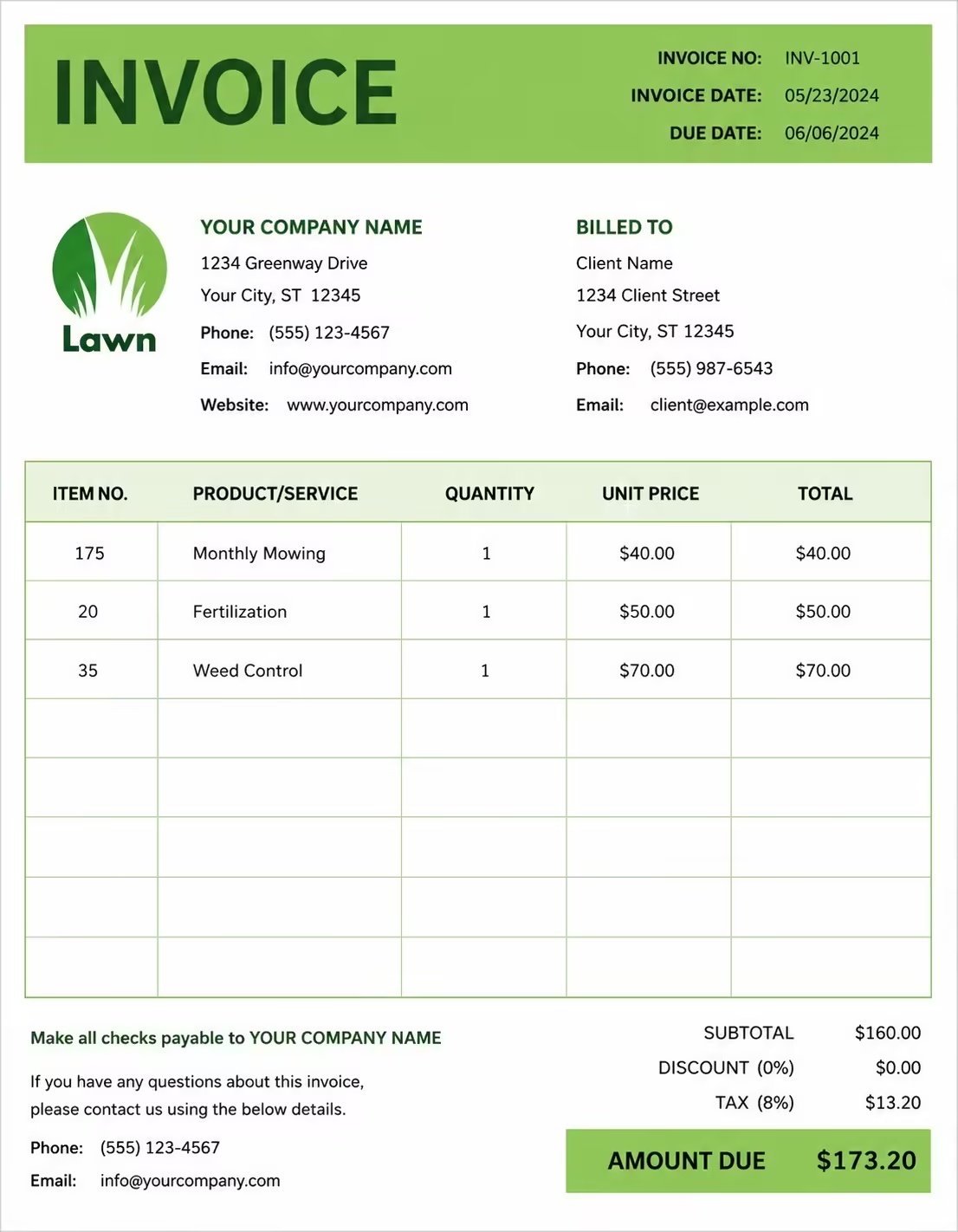
Free Care Invoice Template
Free invoice templates for care providers, home care agencies, personal care assistants, elderly care providers, disability support workers, respite care services, and private care businesses. Download and edit in PDF, Word, Excel, Google Docs, or Google Sheets.
Use this template to bill for personal care, home care visits, elderly care, companion care, respite care, disability support, care hours, travel, supplies, taxes, discounts, deposits, and payment terms in a clear and professional way.
Download the app and manage invoices anywhere


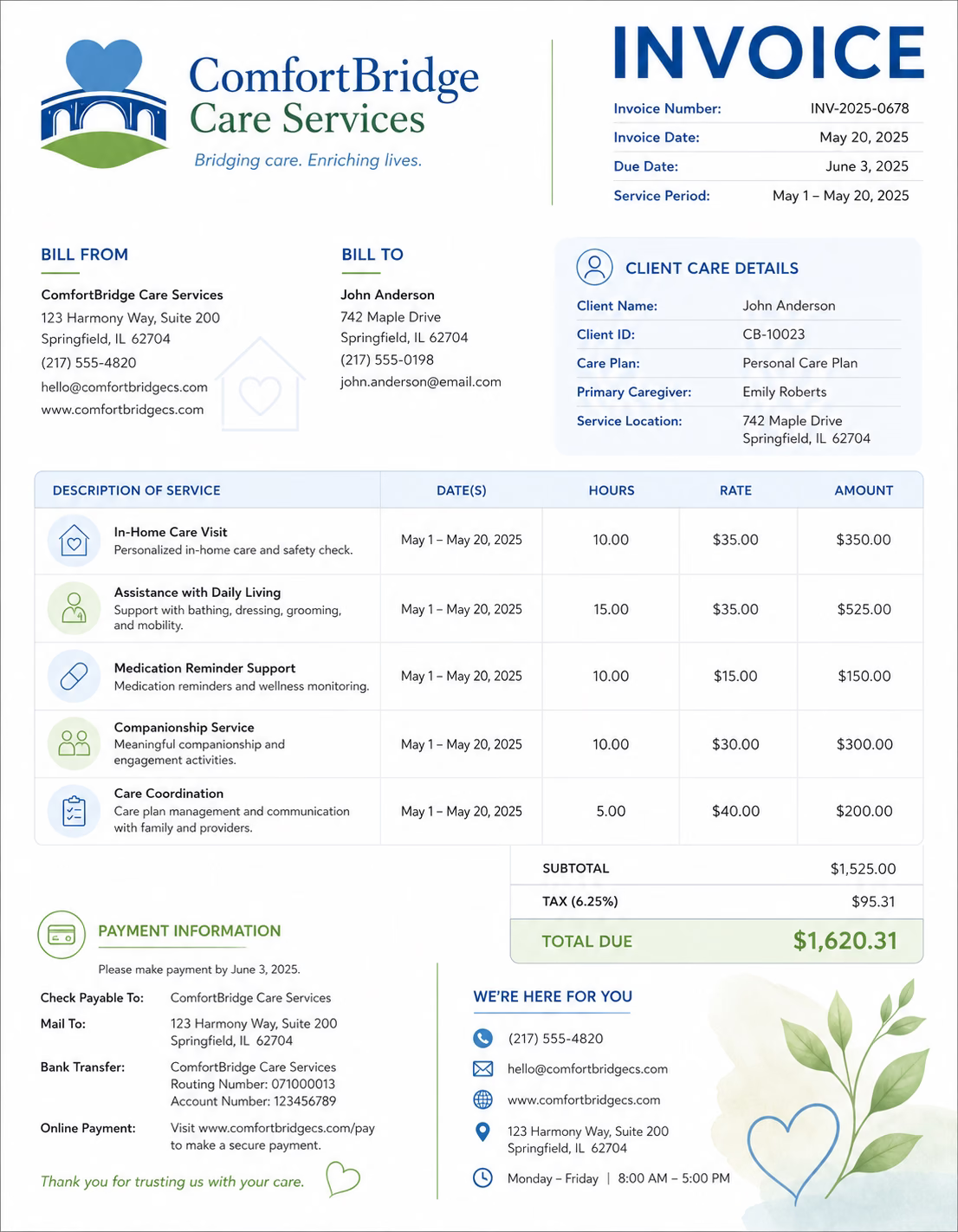
Download Free Care Invoice Templates
Download a template, then edit it in PDF, Word, Excel, Google Docs, or Google Sheets. Print it, save it, or send it to your client, family, patient, care agency, insurer, or organization when the care service is complete or when a billing period ends.
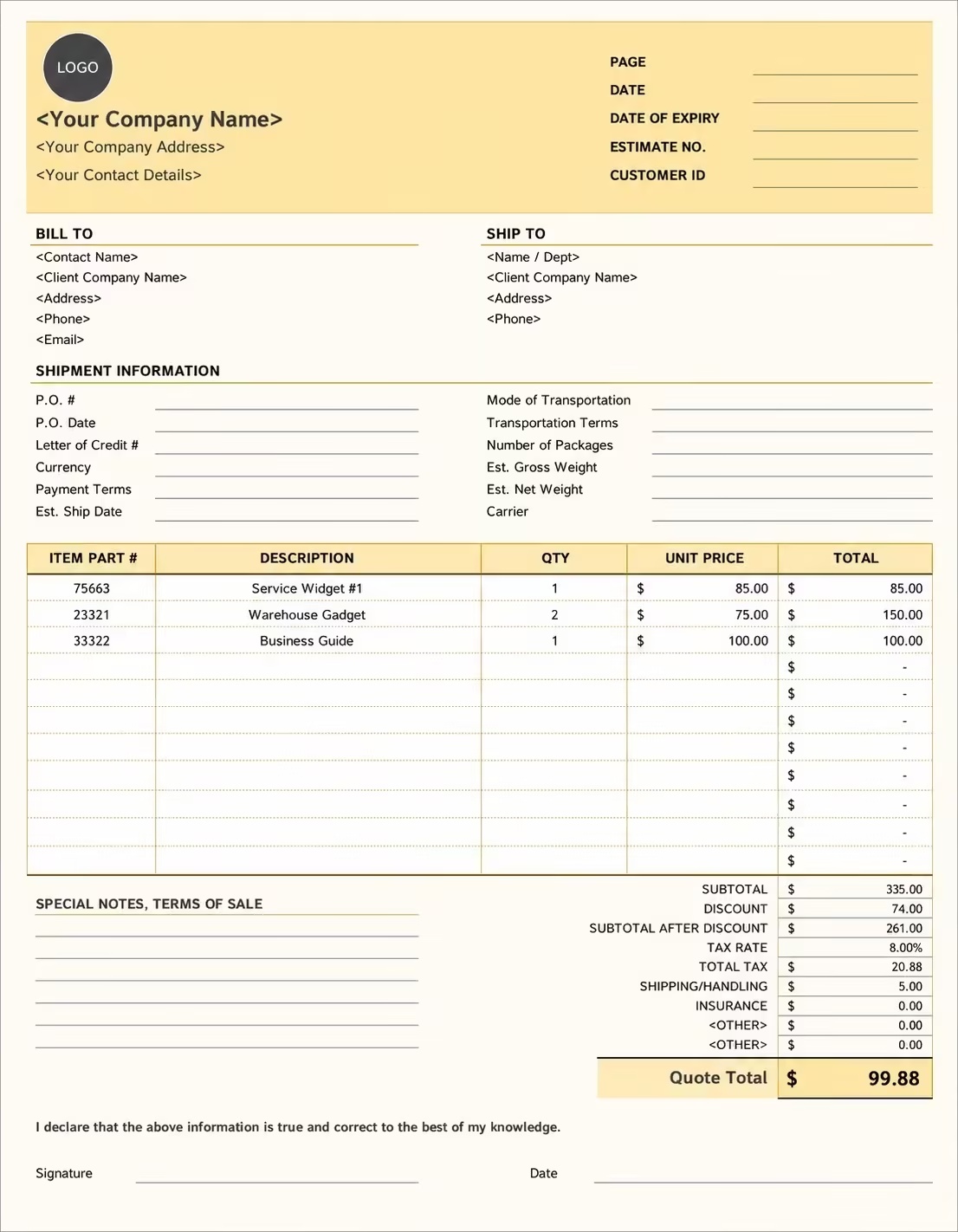
Editable Care Invoice Template
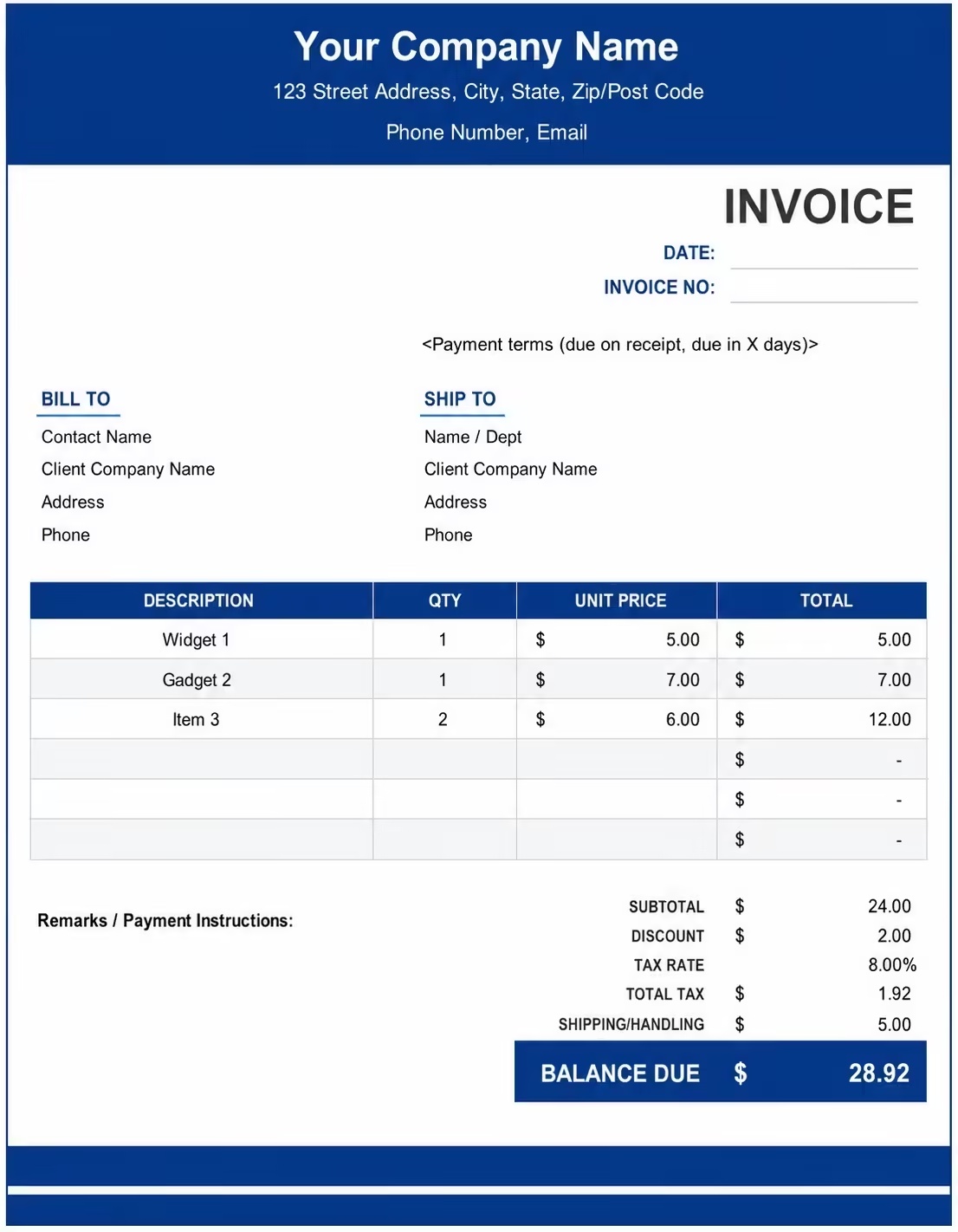
Printable Care Invoice Template
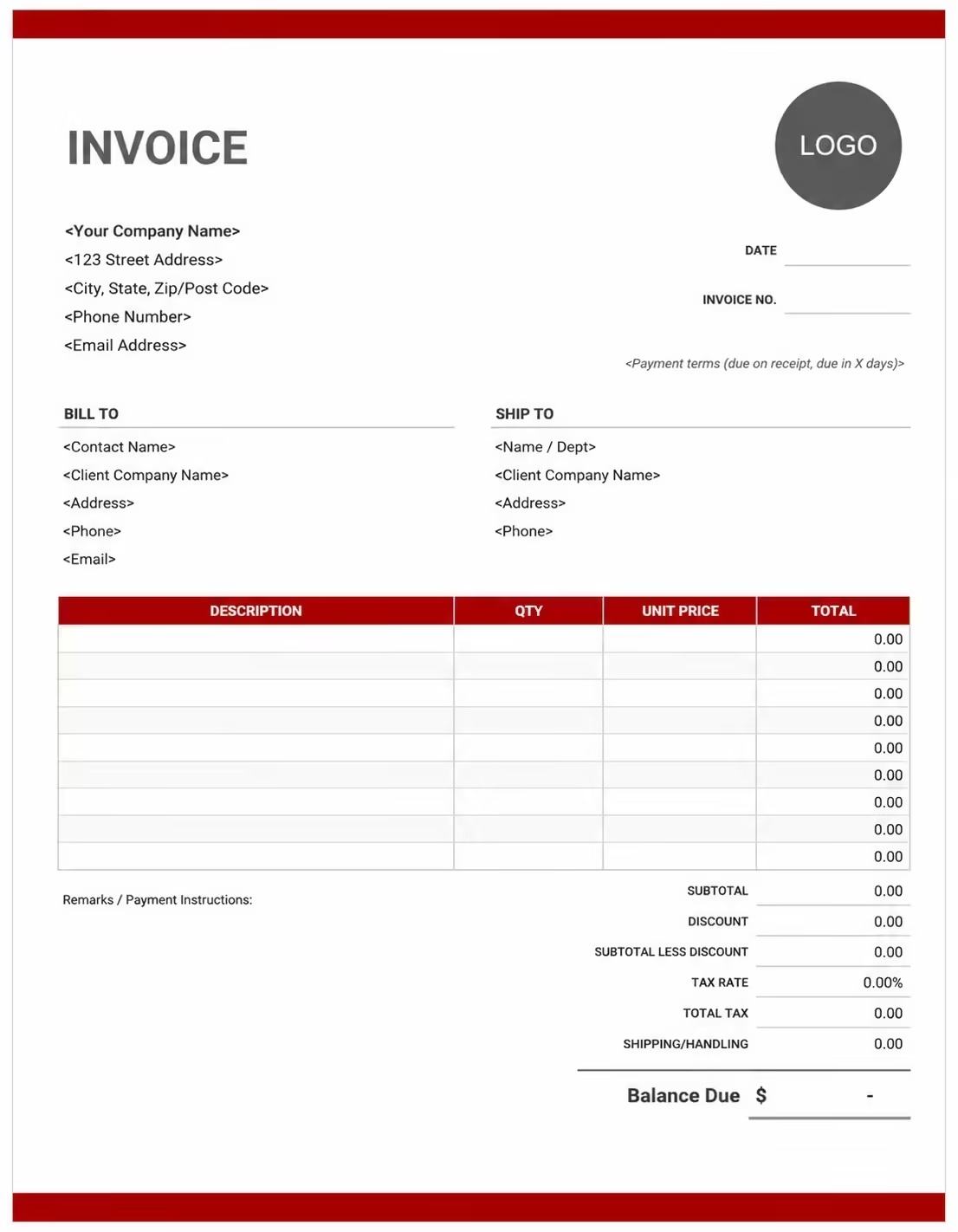
Free Care Invoice Template
Use these templates for home care providers, private carers, care agencies, elderly care services, disability support workers, respite care providers, companion care providers, and personal care businesses.
How to Invoice for Care Services
A good care invoice should clearly show the client details, care service date, care type, hours worked, hourly rate, travel fees, care supplies, deposits, taxes, and payment terms.
Download Free TemplateIn 5 Steps:
- Confirm the client, family, patient, agency, insurer, or organization details, care schedule, service type, care location, hourly rate, and agreed pricing before starting the service.
- Record completed care work, personal care, companion care, elderly care, respite care, disability support, home visits, care hours, and any approved extra services.
- Track care-related costs such as travel, parking, gloves, care supplies, equipment use, documentation time, meal support, overnight care, and urgent call-out fees.
- Calculate care hours, visit fees, shift charges, travel costs, supply fees, discounts, deposits, taxes if applicable, and the final balance due.
- Send the invoice with payment options, due date, care dates, service notes, billing period, and any remaining balance instructions.
With Invoize, you can create care invoices faster, save client details, reuse common care service items, add care hours and travel fees, and track payments from your phone.
What to Include in a Care Invoice
A professional care invoice should include the details needed to identify the client, care provider, service dates, care work, charges, and payment terms.
Invoice and Care Details
- Invoice numberHelps track the invoice, payment record, and care service history.
- Client, family, patient, agency, or organization detailsShows who received the care service and who is responsible for payment.
- Care provider, carer, agency, or business detailsShows which carer, support worker, agency, or care business provided the service.
- Service date or billing periodShows when the care service was provided or which care period the invoice covers.
- Care service typeShows home care, personal care, elderly care, respite care, companion care, or disability support.
Care Work Details
- Care locationShows whether care was provided at a home, care facility, hospital, clinic, workplace, or other approved location.
- Service descriptionExplains daily support, companionship, mobility help, meal support, personal care, care monitoring, or support work provided.
- Hours worked, shift length, or visit countShows how the care charge was calculated.
- Rate, visit fee, shift rate, or fixed care feeShows whether the care service was billed by hourly rate, visit fee, shift rate, or fixed care fee.
- Special care chargesShows day care, night care, weekend care, holiday care, overnight care, or other charges outside the regular care rate.
Payment and Final Notes
- Supplies and extra feesLists care supplies, gloves, masks, hygiene items, mobility aids, support materials, travel, parking, home visits, documentation, urgent call-outs, or equipment fees.
- Discounts, deposits, or insurance paymentsShows credits, insurance payments, agency payments, deposits, or amounts already paid before the final balance.
- Total amount dueShows the final amount the client, family, agency, insurer, or organization needs to pay.
- Payment due date and methodsTells the payer when payment is expected and how they can pay.
- Care notes or payment termsRecords care schedule, cancellation rules, billing notes, agency terms, insurance notes, next visit details, or final service notes.
Billing Scenarios for Care Providers
Use clear invoice labels so clients, families, agencies, or organizations understand the type of care service, care hours, travel cost, supply charge, and final amount due.
| Scenario | Invoice line items | Best used for | How to describe it |
|---|---|---|---|
| Home care visit | Home visit fee, care time, service notes, travel, supplies | Short care visits at a client home, private residence, or care facility. | Show the visit date, care location, services completed, visit length, and final care charge. |
| Personal care support | Personal care hours, hourly rate, hygiene support, mobility help, service notes | Daily personal support, hygiene assistance, dressing support, mobility help, and routine care services. | List the service date, care tasks completed, hours worked, and hourly or shift rate clearly. |
| Elderly care service | Elderly care, companion support, meal support, monitoring, care notes | Older adults needing home support, companionship, daily assistance, or regular care visits. | Describe the support provided, service dates, care hours, and any travel or supply charges. |
| Respite care service | Respite care hours, shift fee, overnight care, travel, service notes | Families or caregivers who need temporary care cover for a short period, day, night, or weekend. | Show the respite period, care duties, shift length, rate, and final amount due. |
| Disability support service | Support work, daily assistance, travel, care materials, service notes | Clients needing disability support, community access, daily living support, or personal assistance. | Show the service date, support type, hours worked, location, and support charge clearly. |
| Night or overnight care | Night care, overnight shift, monitoring, special shift rate, service notes | Overnight support, elderly care, patient monitoring, and extended care shifts. | Show the overnight shift time, care duties, special rate, and any added night care fees. |
Create Invoice Now
☝️ Create a professional invoice in seconds.
Common Charges and Fees for Care Services
Itemize care charges clearly so clients can see visit fees, care hours, shift charges, travel, supplies, taxes, and any extra costs.
| Charge or service | Unit | When to use | How to show it |
|---|---|---|---|
| Care service fee | Visit or service | Use when charging for one completed care visit or care service. | Show the service date, care service type, visit length, and service fee. |
| Hourly care fee | Hour | Use when billing by time for home care, personal care, companion care, respite care, or support work. | Show hours worked multiplied by the hourly rate with a short service description. |
| Shift care fee | Shift | Use when billing for a full day shift, night shift, weekend shift, or scheduled care shift. | List the shift date, start time, end time, and shift amount clearly. |
| Home visit fee | Visit | Use when care is provided at the client’s home or private care location. | Show the care location and home visit charge separately when useful. |
| Personal care support | Visit, hour, or shift | Use for hygiene support, dressing assistance, mobility help, meal support, or daily living support. | Describe the personal care support and show the charge clearly. |
| Companion care | Visit or hour | Use when providing companionship, check-ins, conversation, light support, or social care visits. | Show companion care separately when it has its own rate or service description. |
| Respite care | Hour, shift, or day | Use when providing temporary care cover for families, caregivers, or care agencies. | Show the respite period, hours or shifts, and respite care rate clearly. |
| Care supplies | Item, package, or quantity | Use when gloves, masks, hygiene items, care kits, or support materials are billed separately. | Show supply name, quantity, unit price, and total cost when useful. |
| Travel or mileage fee | Mile, kilometer, visit, or fee | Use when the care provider travels to a home, facility, clinic, workplace, or client location. | Show travel separately from the care service fee. |
| Urgent, weekend, or after-hours fee | Fee | Use when care is requested urgently, after hours, overnight, on weekends, or during holidays. | Add a clear label so the payer understands why the extra fee applies. |
| Tax | Percentage or amount | Use when tax applies to care services, supplies, travel, or extra fees based on local rules. | Show tax before the final total so the payer can see how the balance was calculated. |
| Deposit, insurance payment, or previous payment | Credit | Use when the client, family, insurer, agency, or organization paid before the invoice. | Subtract it from the invoice total and show the remaining balance due. |
Common Care Invoicing Mistakes
Care billing can include service dates, care hours, shift times, care locations, supplies, travel, deposits, insurance notes, and payment terms. Missing details can confuse clients, families, agencies, or payers and delay payment. Avoid these common mistakes.
| Mistake | Why it causes problems | How to fix it |
|---|---|---|
| Not listing the service date | The payer may not know which care visit, shift, care period, or billing period the invoice covers. | Add the service date, visit date, shift date, or billing period clearly. |
| Not describing the care service clearly | The payer may not understand whether the charge is for home care, personal care, companion care, respite care, or disability support. | Add a simple service description for each care service or support task. |
| Combining all charges in one line | The total may look unclear because the payer cannot see care hours, shift fees, travel, supplies, deposits, and taxes separately. | Separate care hours, visit fees, shift fees, supplies, travel, deposits, insurance payments, and taxes into clear line items. |
| Not showing hours or shift times | The payer may question the charge if the care time and rate are not visible. | Show start time, end time, hours worked, hourly rate, shift fee, or fixed visit price clearly. |
| Leaving out care location details | The invoice may be hard to match with the correct home visit, care facility shift, agency booking, or client location. | Add the service address, care facility, home location, or approved care location when useful. |
| Forgetting care supplies | Gloves, hygiene items, care kits, masks, or support materials may look unexpected if not listed. | Add care supplies as separate line items with quantities and simple descriptions when charged. |
| Not recording travel or after-hours fees | Home visit travel, parking, weekend care, night care, or urgent service charges may be questioned. | Add travel, parking, urgent service, night shift, weekend, or holiday fees separately when they apply. |
| Forgetting insurance or previous payment details | The final balance may look higher than expected or unclear for reimbursement. | Show insurance payments, deposits, advance payments, partial payments, agency payments, or credits before the balance due. |
| Leaving out payment terms | The client, family, agency, insurer, or organization may not know when payment is due or how to pay. | Add due date, payment methods, cancellation terms, billing notes, and balance instructions. |
| Not keeping invoice records | Tracking care visits, shifts, payments, care details, supplies, and client history becomes harder. | Keep a copy of every care invoice for your care business or agency records. |
More Invoice Templates You May Like
Explore closely related invoice templates for care work, similar services, and nearby billing scenarios before choosing the best format for your customer.
Questions
Frequently Asked Questions
How should I show care service charges on an invoice?
List each care service with the date, time, duration, rate, and total amount. Example: “Personal care visit: 3 hours × $28/hr = $84” or “Daily care support: 5 visits × $60 = $300.” This helps the client or family understand exactly what care was provided.
What client details should be included on a care invoice?
Include the client name, care recipient name if different, service dates, care location, billing period, provider name, and invoice number. Example: “Care recipient: Sarah Miller, service period: June 1–June 7, care location: home visit.” This connects the invoice to the correct care record.
How do I invoice for home care visits?
Show the number of visits, visit length, and rate per visit. Example: “Home care visits: 6 visits × $55 = $330.” If each visit included different tasks, list them separately or add a short note such as “meal support, mobility help, and companionship.”
Should personal care tasks be listed separately?
Yes. Personal care tasks should be shown clearly, especially if they are billed separately from general care. Example: “Bathing and dressing assistance: $45” or “Mobility support and transfer assistance: $35.” This helps the family see what support was included.
Can I include medication reminders or meal assistance?
Yes. List medication reminders, meal preparation, feeding support, hydration checks, or wellness checks as separate line items if they are charged outside the main visit fee. Example: “Medication reminder support: $15” or “Meal preparation assistance: $25.”
How should I bill for overnight or extended care?
List overnight care, weekend care, or extended hours separately because they may use a different rate. Example: “Overnight care support: 1 night: $180” or “Extended care hours: 4 extra hours × $30/hr = $120.” This keeps special care time clear.
How do I show travel or care supplies on the invoice?
Add travel, mileage, parking, or supplies separately from care labor. Example: “Travel fee: Home visit outside standard area: $20” or “Disposable care supplies: Gloves and wipes: $15.” This helps explain costs beyond the care visit itself.
What payment terms should a care invoice include?
Include the due date, accepted payment methods, cancellation policy, recurring care terms, and extra care approval rules. Example: “Payment due within 7 days. Extra visits, extended hours, care supplies, or added support tasks may require an updated invoice.”