
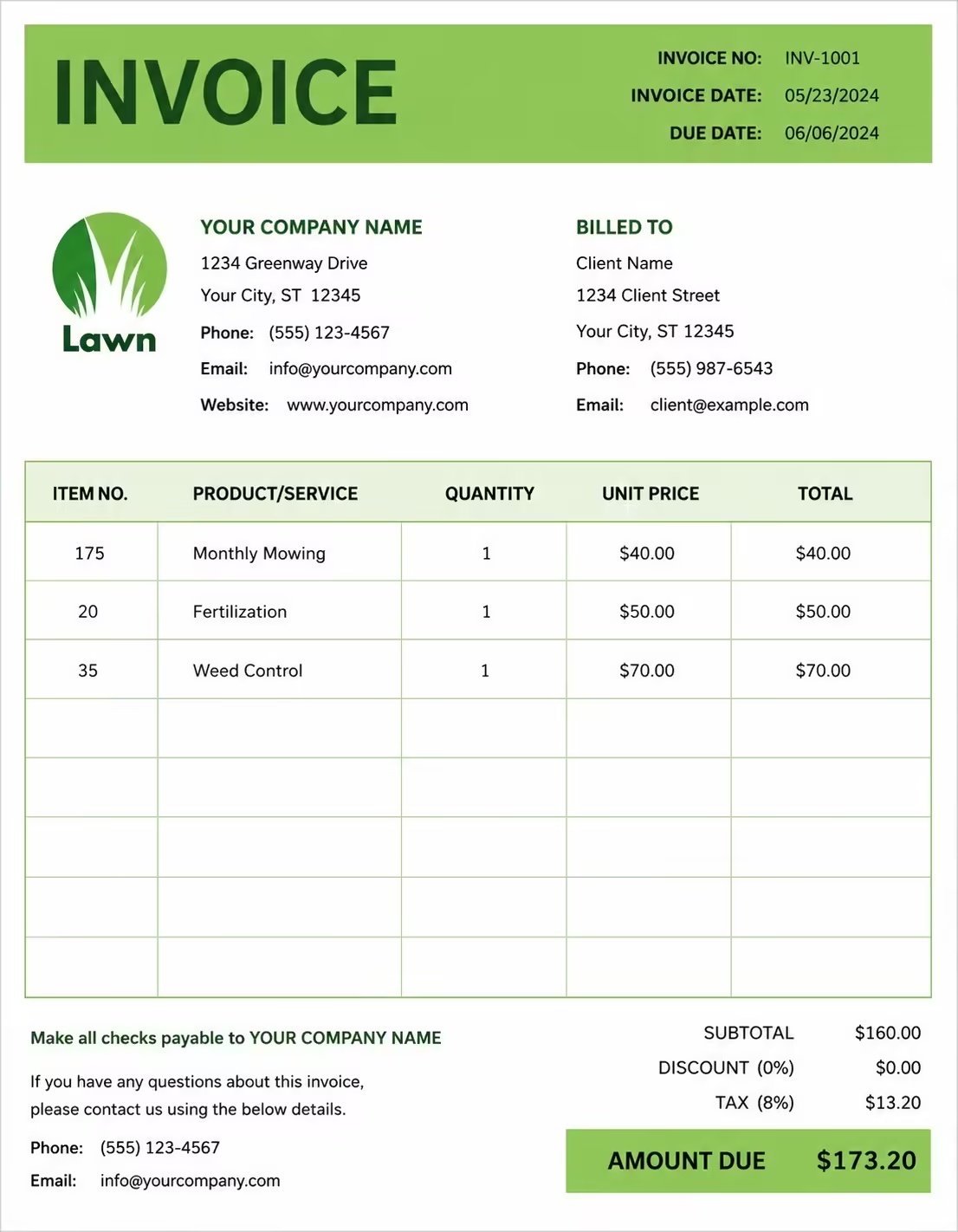
Free Developer Invoice Template
Free invoice templates for developers, software developers, web developers, app developers, freelance programmers, coding agencies, SaaS consultants, and software service providers. Download and edit in PDF, Word, Excel, Google Docs, or Google Sheets.
Use this template to bill for development work, coding, bug fixes, app features, website updates, software setup, API integration, maintenance, testing, deposits, taxes, discounts, and payment terms in a clear and professional way.
Download the app and manage invoices anywhere


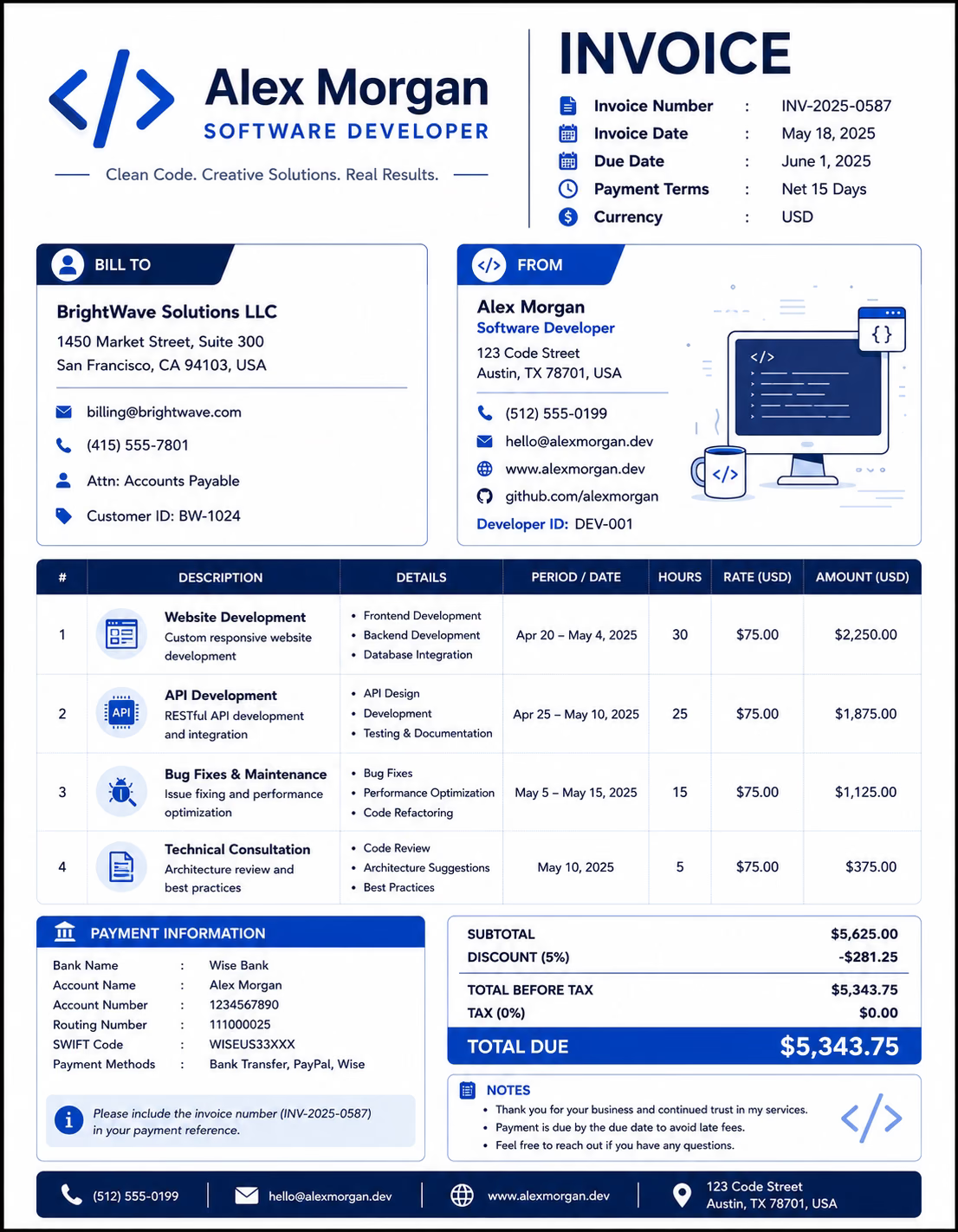
Download Free Developer Invoice Templates
Download a template, then edit it in PDF, Word, Excel, Google Docs, or Google Sheets. Print it, save it, or send it to your client, startup, company, agency, business owner, or organization when the development work is complete or when a billing period ends.
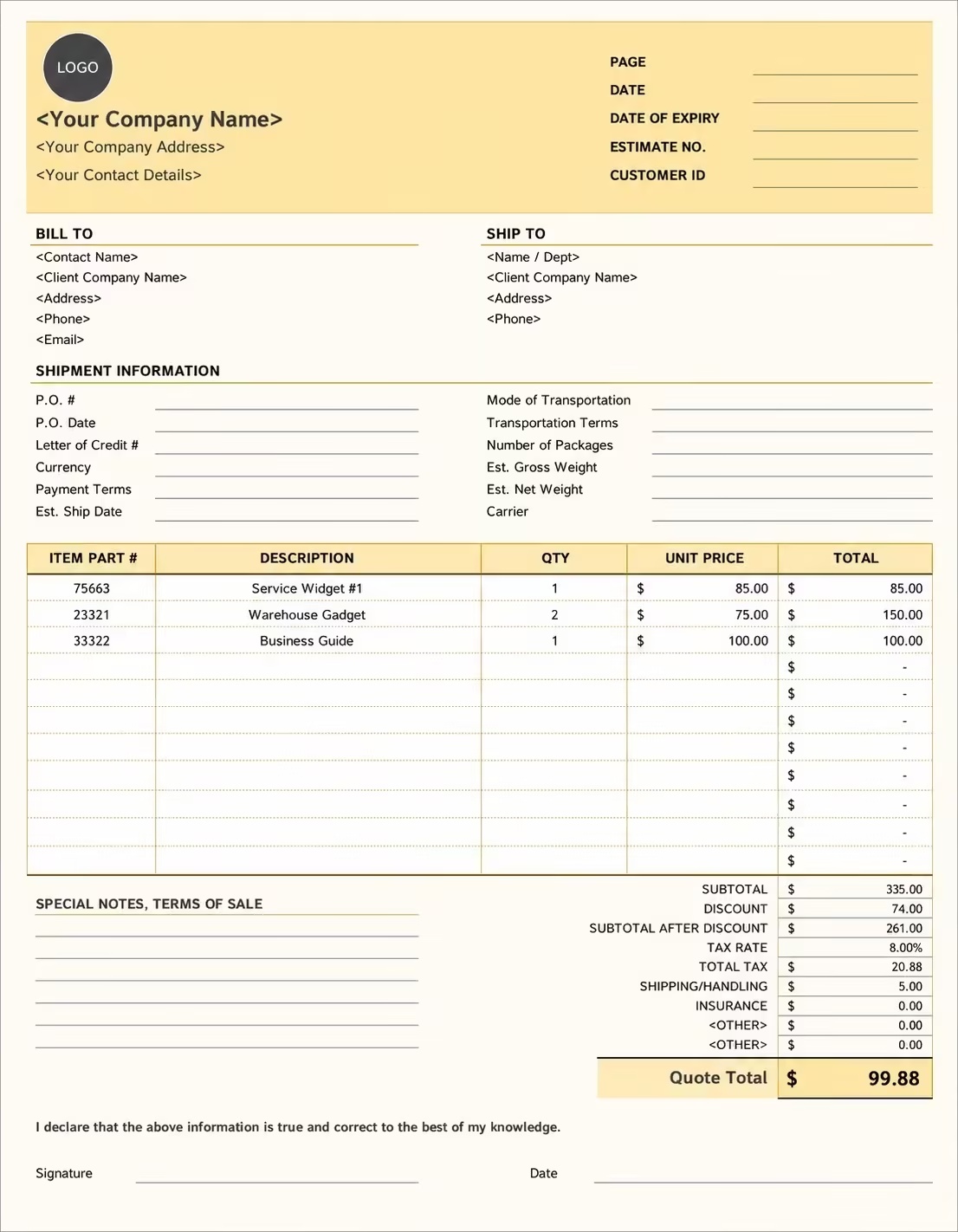
Editable Developer Invoice Template
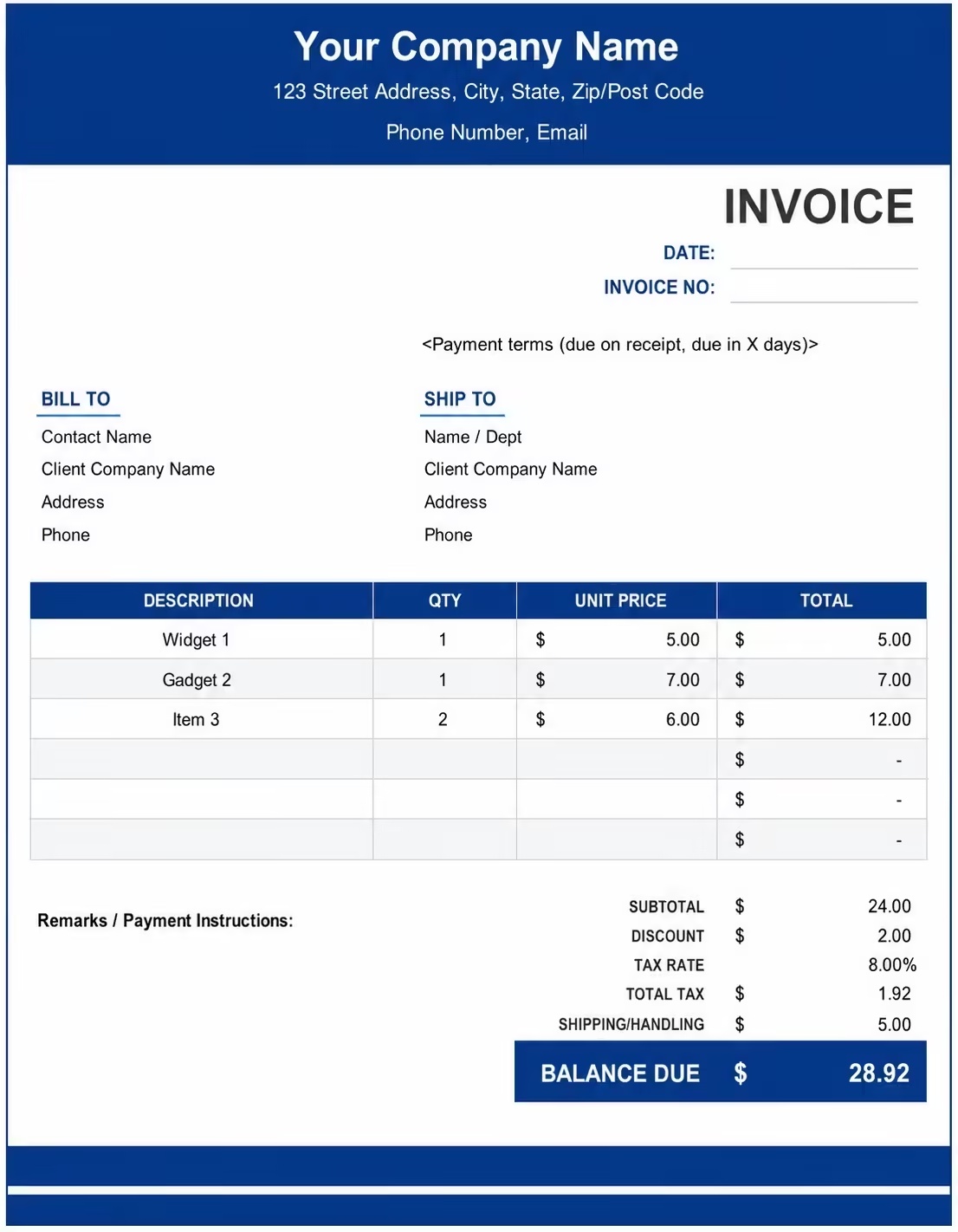
Printable Developer Invoice Template
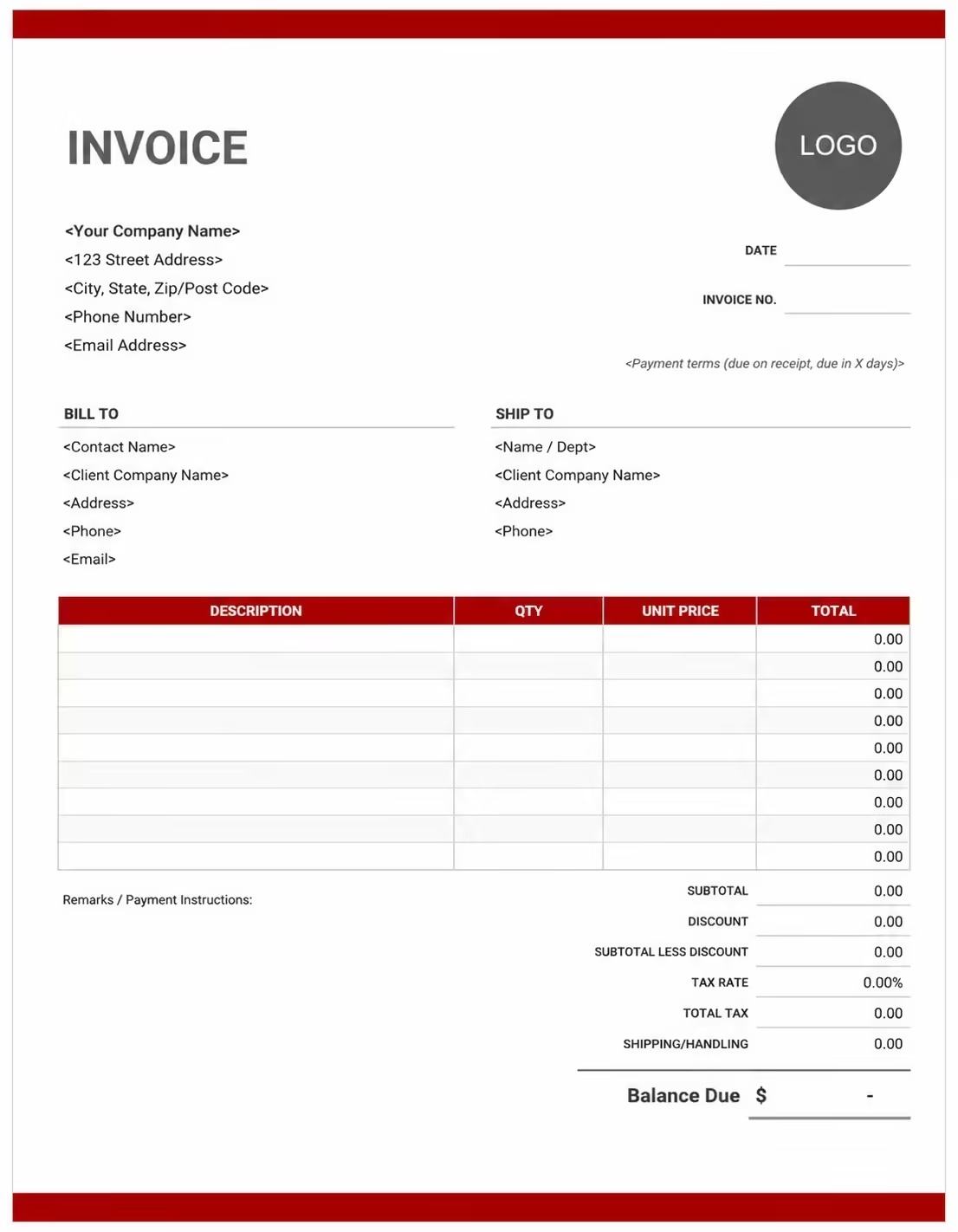
Free Developer Invoice Template
Use these templates for freelance developers, software engineers, web developers, mobile app developers, coding agencies, SaaS developers, WordPress developers, backend developers, frontend developers, and technical service providers.
How to Invoice for Developer Services
A good developer invoice should clearly show the client details, project name, development service provided, hours worked, feature details, milestone completed, maintenance charges, deposits, taxes, and payment terms.
Start Creating Invoices FreeIn 5 Steps:
- Confirm the client details, project scope, development platform, feature requirements, milestone, timeline, revision terms, and agreed pricing before preparing the invoice.
- Record completed development work, coding tasks, bug fixes, website updates, app features, API integrations, database work, testing, deployment, and any approved extra services.
- Track developer-related costs such as development time, software tools, hosting setup, plugin costs, testing, code review, support work, documentation, and project management.
- Calculate hourly development fees, fixed project fees, milestone charges, maintenance fees, support costs, discounts, deposits, taxes if applicable, and the final balance due.
- Send the invoice with payment options, due date, project notes, completed task details, milestone summary, and any remaining balance instructions.
With Invoize, you can create developer invoices faster, save client details, reuse common development service items, add hourly rates and project fees, and track payments from your phone.
What to Include in a Developer Invoice
A professional developer invoice should include the details needed to identify the client, development project, completed work, technical services, charges, and payment terms.
Invoice and Project Details
- Invoice numberHelps track the invoice, payment record, and development project history.
- Client, startup, company, agency, or project contact detailsShows who requested the development service and who is responsible for payment.
- Developer, software engineer, coding agency, or studio detailsShows which developer, freelancer, development studio, agency, or business completed the work.
- Project name, project number, quote, contract, or sprint referenceConnects the invoice to the correct development project, sprint, contract, quote, or client account.
- Invoice date, service date, milestone date, or sprint periodShows when the development work was completed or which delivery date, sprint period, billing period, or project period the invoice covers.
Development Service Details
- Website URL, app name, software name, repository, or platformShows where the development work was completed or which system, platform, repository, or environment the invoice relates to.
- Development service typeShows web development, app development, backend work, frontend work, API integration, maintenance, bug fixing, or developer support.
- Service descriptionExplains coding, feature development, database setup, UI updates, testing, deployment, support, or development work completed.
- Feature, task, bug fix, module, sprint item, or deliverableHelps the client understand which development tasks, features, milestones, modules, or deliverables are included in the invoice.
- Hours, day count, task count, milestone count, or agreed rateShows how the invoice total was calculated by hours worked, day count, task count, milestone count, feature count, service quantity, hourly rate, fixed project fee, milestone fee, maintenance fee, support fee, or agreed rate.
Payment and Final Notes
- Extra costs and feesLists software tools, plugin costs, hosting setup, domain support, API costs, testing tools, license fees, rush work, extra revisions, added features, emergency fixes, deployment support, or documentation.
- Discounts, deposits, retainers, or advance paymentsShows credits, retainers, advance payments, deposits, discounts, or amounts already paid before the final balance.
- Subtotal, tax, and total amount dueShows the final amount the client, company, startup, agency, or organization needs to pay.
- Payment due date and methodsTells the client when payment is expected and how they can pay.
- Project notes or payment termsRecords revision limits, maintenance terms, delivery notes, source file terms, late fees, project scope notes, support terms, or balance instructions.
Billing Scenarios for Developers
Use clear invoice labels so clients, startups, companies, agencies, and organizations understand the development work, milestone charge, hourly rate, support cost, deposit, and final amount due.
| Scenario | Invoice line items | Best used for | How to describe it |
|---|---|---|---|
| Hourly development work | Development hours, task description, hourly rate, sprint notes, balance due | Freelance coding, technical support, bug fixes, small updates, and flexible development projects. | Show the task dates, hours worked, development work completed, hourly rate, and final charge clearly. |
| Fixed project development | Project fee, development scope, deliverables, deposit, final balance | Websites, apps, software tools, dashboards, portals, and full development projects with agreed pricing. | Show the project name, included features, completed deliverables, fixed fee, deposit, and amount due. |
| Milestone or sprint invoice | Sprint work, completed features, bug fixes, testing, milestone payment | Agile development, long-term software projects, app builds, SaaS projects, and staged project billing. | List the sprint number, milestone completed, features delivered, testing work, and milestone amount. |
| Bug fix and maintenance | Bug fixes, troubleshooting, updates, support time, maintenance fee | Ongoing website, app, software, plugin, API, server, or system maintenance. | Show the issue fixed, system affected, work completed, support time, and maintenance charge. |
| API or integration work | API setup, third-party integration, testing, documentation, deployment | Payment gateways, CRMs, shipping APIs, analytics tools, automation systems, and SaaS integrations. | Show the integration name, setup work, testing details, delivery status, and integration fee. |
| Emergency developer support | Urgent fix, downtime support, priority service, deployment rollback, extra charge | Critical bugs, broken websites, failed releases, urgent app fixes, server issues, and time-sensitive support. | Show the issue, emergency request, time spent, priority fee, fix summary, and updated total. |
Start Creating Invoices Free
☝️ Create your first invoice in seconds.
Common Charges and Fees for Developer Services
Itemize developer charges clearly so clients can see coding work, hourly rates, project fees, milestones, maintenance, testing, taxes, and any extra costs.
| Charge or service | Unit | When to use | How to show it |
|---|---|---|---|
| Development service fee | Service, task, feature, project, or milestone | Use when billing for coding, feature development, website work, app work, software setup, or technical implementation. | Show the service type, project name, completed work, and development fee clearly. |
| Hourly developer fee | Hour | Use when billing by time for coding, debugging, updates, meetings, code review, testing, or technical support. | Show hours worked multiplied by the hourly rate with a short task description. |
| Fixed project fee | Project or package | Use when the development work is priced as one agreed amount for a website, app, software tool, or platform. | Show the project scope, included deliverables, fixed fee, and payment stage. |
| Milestone or sprint fee | Milestone, sprint, phase, or release | Use when billing after a project phase, sprint, release, or agreed development milestone is completed. | Show the milestone name, sprint number, completed features, and milestone fee. |
| Bug fix fee | Issue, ticket, hour, or service | Use when fixing errors, broken features, website issues, app bugs, plugin problems, or system defects. | Show the issue reported, fix completed, time spent if useful, and bug fix charge. |
| API integration fee | Integration, API, feature, or service | Use when connecting payment gateways, CRMs, shipping tools, analytics, databases, or third-party services. | Show the integration name, setup work, testing details, and integration fee. |
| Maintenance or support fee | Month, hour, ticket, or service period | Use when billing for ongoing updates, monitoring, small fixes, technical support, or software maintenance. | Show the support period, included work, ticket count if useful, and maintenance fee. |
| Testing or QA fee | Hour, test cycle, feature, or project | Use when testing websites, apps, features, integrations, forms, payments, browsers, or devices. | Show the testing scope, test cycle, issues checked, and QA charge. |
| Deployment or launch fee | Release, setup, environment, or service | Use when pushing code live, setting up servers, configuring hosting, publishing apps, or launching a website. | Show the deployment environment, launch date, setup work, and deployment fee. |
| Rush or emergency support fee | Fee, hour, issue, or request | Use when the client requests urgent fixes, weekend support, emergency recovery, or fast delivery. | Add a clear label so the client understands why the rush or emergency fee applies. |
| Tax | Percentage or amount | Use when tax applies to development services, software setup, support work, integrations, maintenance, or extra charges based on local rules. | Show tax before the final total so the client can see how the balance was calculated. |
| Deposit, retainer, or previous payment | Credit | Use when the client paid a deposit, retainer, advance payment, milestone payment, or previous amount toward the development project. | Subtract it from the invoice total and show the remaining balance due. |
Common Developer Invoicing Mistakes
Developer billing can include project names, task lists, milestones, hours worked, bug fixes, integrations, deposits, taxes, and payment terms. Missing details can confuse clients or delay payment. Avoid these common mistakes.
| Mistake | Why it causes problems | How to fix it |
|---|---|---|
| Not listing the project name or reference | The client may not know which website, app, software project, sprint, ticket, or billing period the invoice covers. | Add the project name, project number, sprint number, contract number, quote number, repository reference, or billing period clearly. |
| Not describing development work clearly | The client may not understand whether the charge is for coding, bug fixes, integrations, testing, maintenance, or deployment. | Add a simple description for each task, feature, bug fix, milestone, support item, or technical service. |
| Combining all charges in one line | The total may look unclear because the client cannot see development work, support, testing, deposits, discounts, and taxes separately. | Separate coding work, bug fixes, integrations, milestones, maintenance, testing, deposits, credits, and taxes into clear line items. |
| Not showing hours or pricing method | The client may question the total if billable hours, fixed fees, milestone charges, or support rates are not visible. | Show hours worked, hourly rate, fixed project fee, milestone fee, retainer amount, or support charge clearly. |
| Forgetting milestone or sprint details | The client may not know which feature set, sprint, release, or delivery stage has been completed. | Add sprint number, milestone name, completed features, delivery notes, release date, or task summary. |
| Not recording approved extra work | Extra features, urgent fixes, added revisions, new integrations, or extra support may be questioned later. | Show approved extra work, added hours, feature changes, emergency fees, and updated totals clearly. |
| Leaving out maintenance or support terms | The client may not know what support is included after delivery or how future fixes are billed. | Add maintenance period, support limits, revision terms, response time notes, and extra support fees when useful. |
| Forgetting deposits or retainers | The final balance may look higher than expected. | Show deposits, retainers, advance payments, milestone payments, partial payments, discounts, or credits before the balance due. |
| Leaving out payment terms | The client may not know when payment is due, how to pay, or how late payment is handled. | Add payment due date, payment methods, project terms, delivery notes, late fees, and balance instructions. |
| Not keeping invoice records | Tracking development projects, clients, milestones, support work, payments, deposits, and project history becomes harder. | Keep a copy of every developer invoice for your freelance, agency, or software development business records. |
More Invoice Templates You May Like
Explore closely related invoice templates for developer work, similar services, and nearby billing scenarios before choosing the best format for your customer.
Questions
Frequently Asked Questions
How should I show developer charges on an invoice?
List each development task with the project name, hours, rate, or fixed price. Example: “Frontend dashboard development: 8 hours × $60/hr = $480” or “Mobile app login feature: Fixed fee: $350.” This helps the client understand exactly what coding work was completed.
What project details should be included on a developer invoice?
Include the client name, project name, billing period, service dates, development task, invoice number, and payment due date. Example: “Project: Customer booking app, billing period: June 1–June 15.” This connects the invoice to the correct development work.
How do I invoice for bug fixes?
List each bug fix separately with a short description and time spent. Example: “Fix checkout button error: 2 hours × $55/hr = $110” or “Resolve mobile layout issue on product page: $85.” This makes technical fixes easy for the client to review.
Should API or integration work be listed separately?
Yes. API setup, payment gateway integration, CRM connection, database sync, or third-party tool setup should be shown as separate line items. Example: “Stripe payment integration: $450” or “CRM API connection: 6 hours × $65/hr = $390.”
Can I include testing or quality assurance charges?
Yes. Testing, debugging, browser checks, mobile testing, performance testing, or QA review can be listed separately if they are charged outside development. Example: “App testing and bug report: $180” or “Cross-browser website testing: $95.”
How should I bill for maintenance or ongoing support?
Show the billing period, support package, and included services. Example: “Monthly developer maintenance: Updates, bug fixes, and monitoring: $300.” This works well for ongoing website, app, or software support.
How do I show deposits or milestone payments?
Show the full project amount, deposit paid, current milestone charge, and remaining balance. Example: “Development project total: $3,000,” “Deposit received: $900,” “Feature milestone completed: $1,200,” and “Remaining balance: $900.” This helps both the developer and client track payment clearly.
What payment terms should a developer invoice include?
Include the due date, accepted payment methods, deposit terms, revision policy, source code delivery terms, and extra work rules. Example: “Payment due within 7 days. Extra features, added revisions, third-party tools, hosting setup, or scope changes may require an updated invoice.”