
Free Hospital Invoice Template
Free invoice templates for hospitals, private hospitals, healthcare centers, medical facilities, inpatient care providers, outpatient departments, emergency care units, and hospital billing offices. Download and edit in PDF, Word, Excel, Google Docs, or Google Sheets.
Use this template to bill for hospital services, patient care, doctor consultations, room charges, procedures, lab tests, imaging, medication, medical supplies, insurance notes, taxes, discounts, deposits, and payment terms in a clear and professional way.
Download the app and manage invoices anywhere


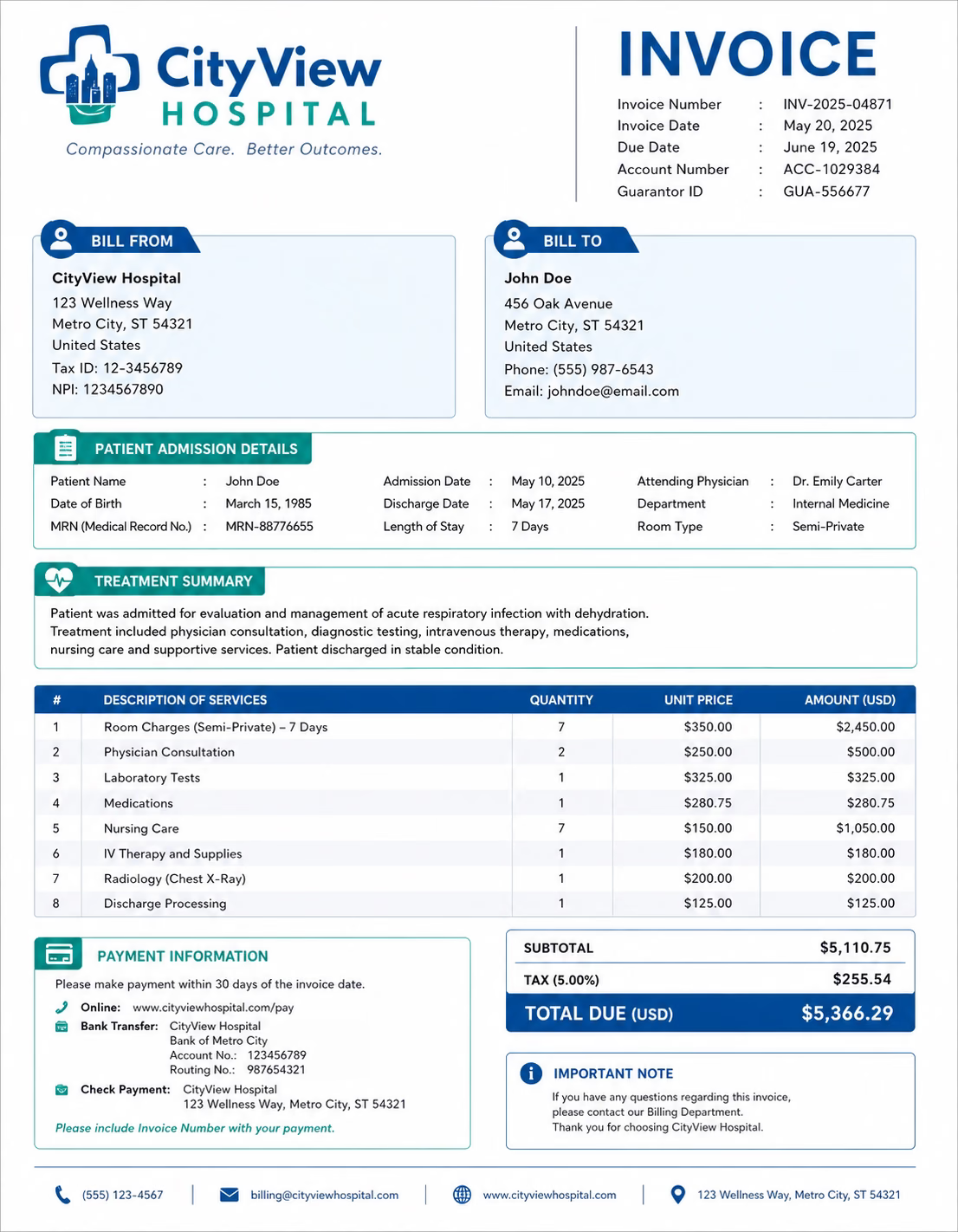
Download Free Hospital Invoice Templates
Download a template, then edit it in PDF, Word, Excel, Google Docs, or Google Sheets. Print it, save it, or send it to your patient, payer, insurer, company, or organization when the hospital service is complete or when a billing period ends.
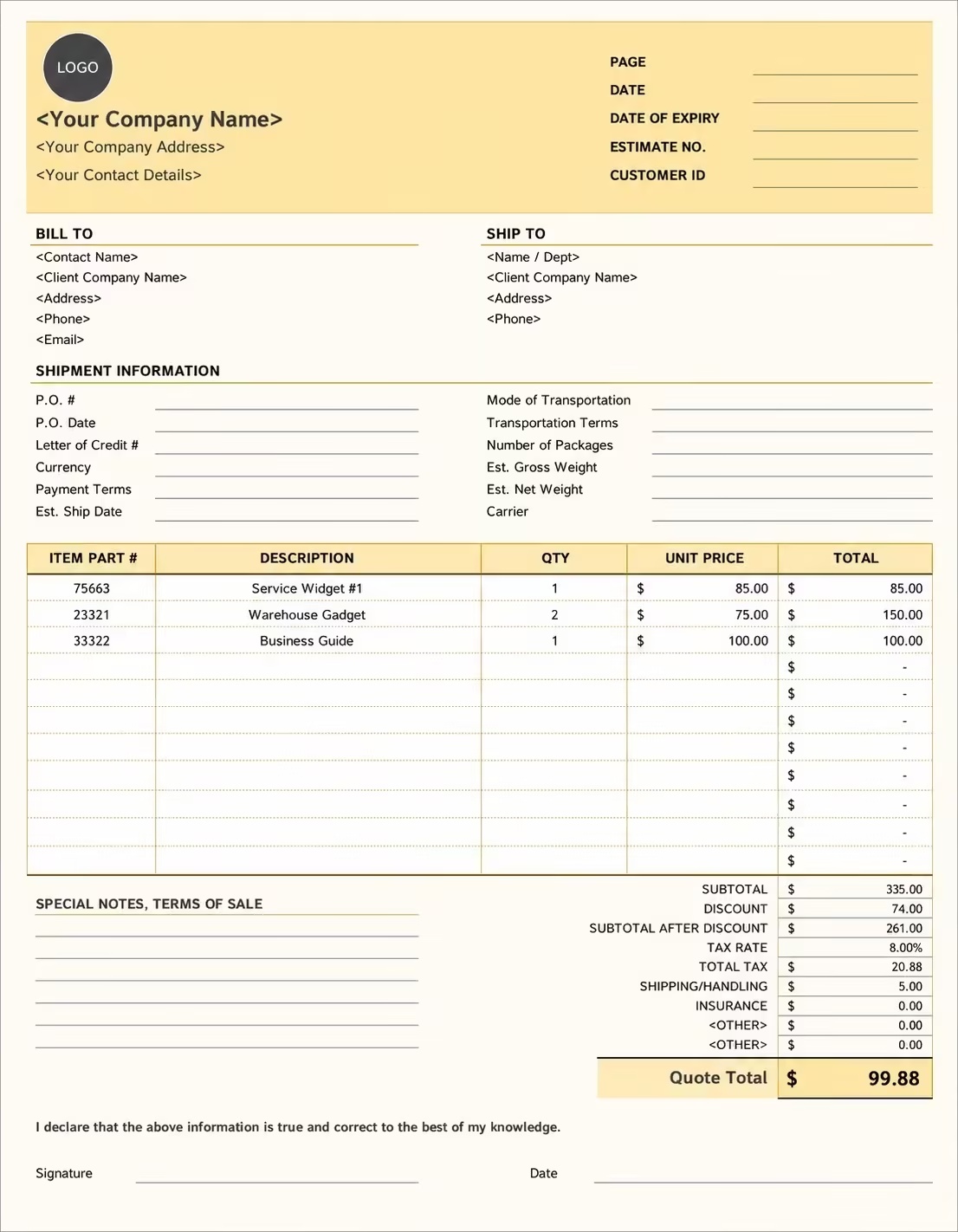
Editable Hospital Invoice Template
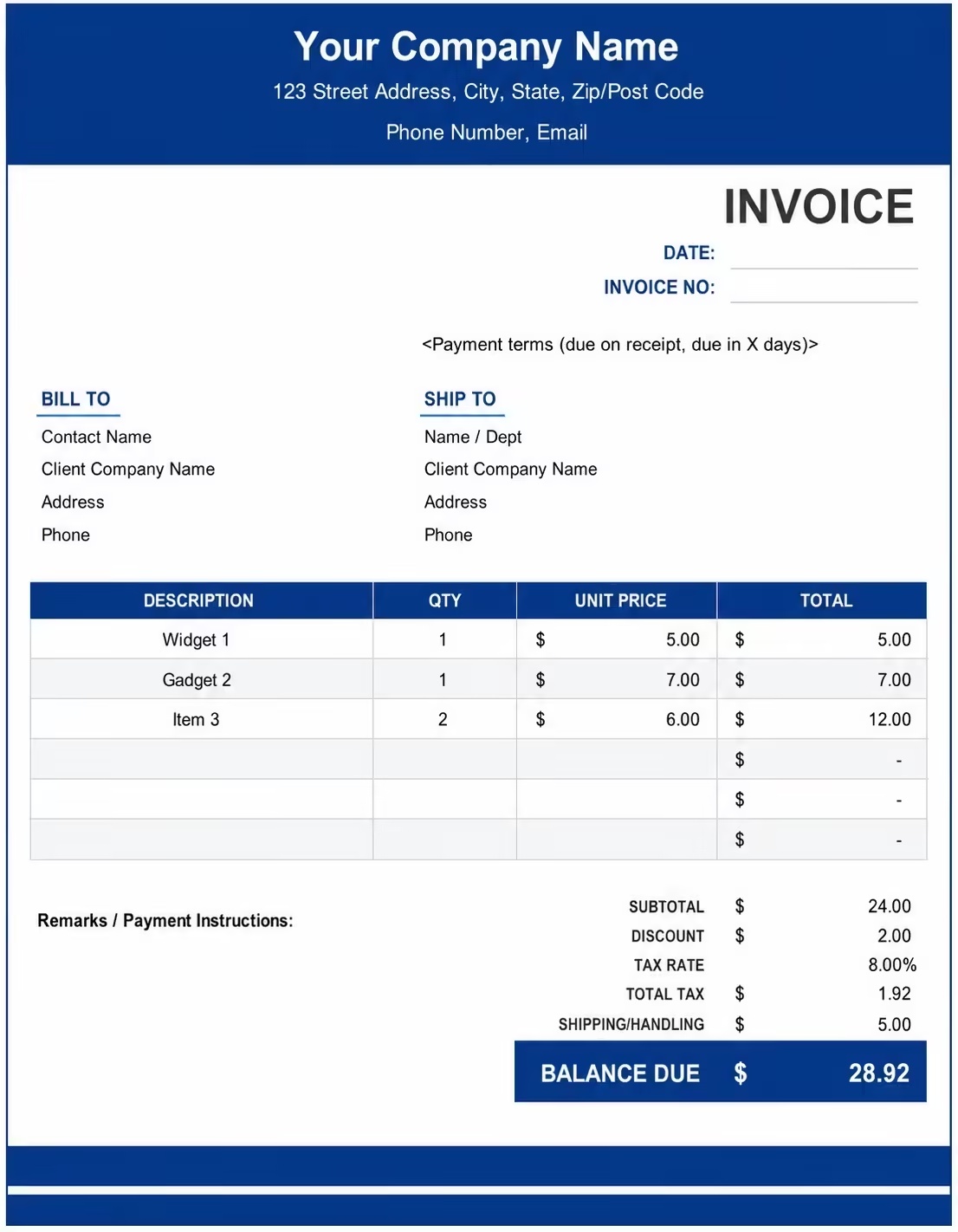
Printable Hospital Invoice Template
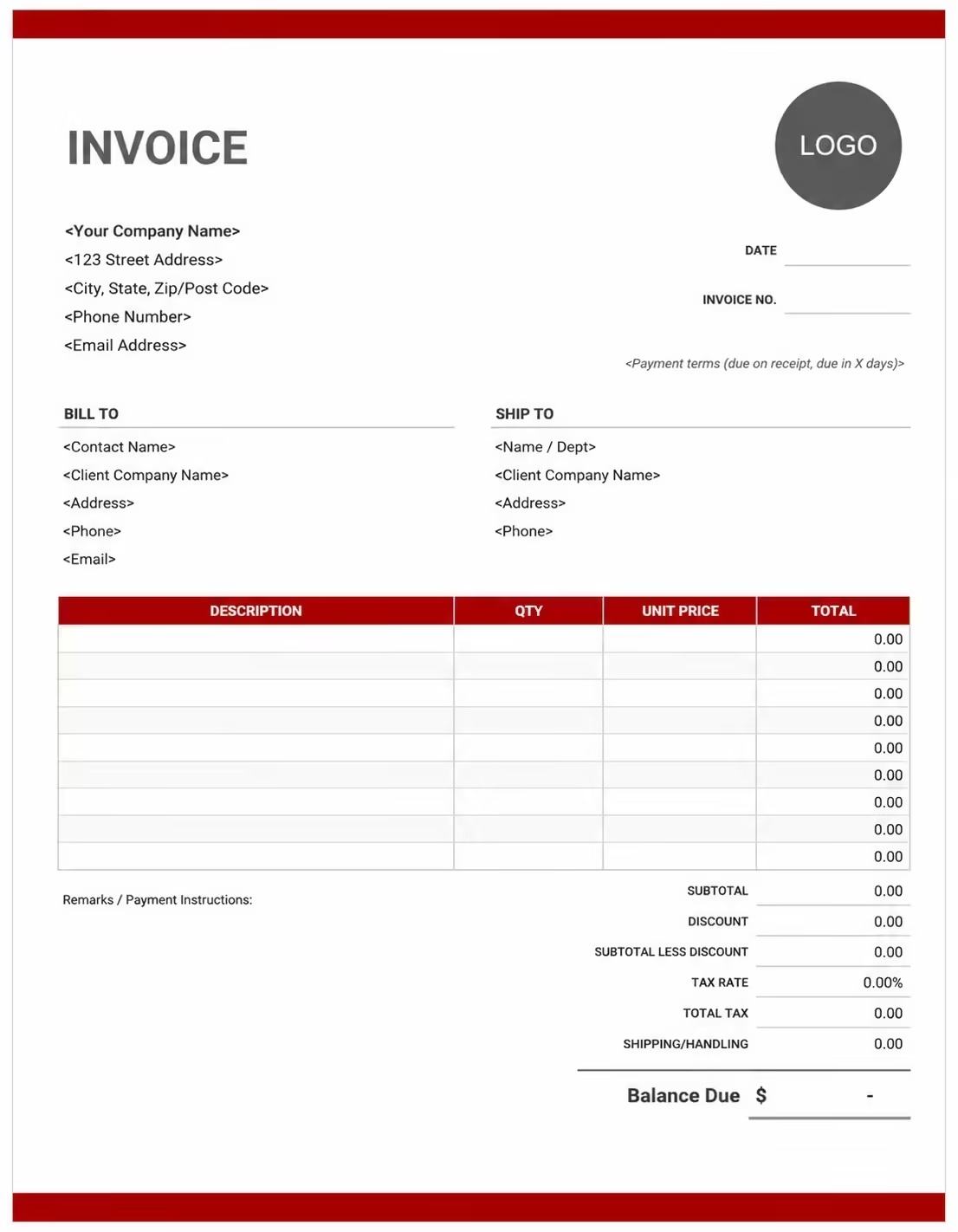
Free Hospital Invoice Template
Use these templates for hospitals, private hospitals, healthcare centers, medical facilities, inpatient care providers, outpatient departments, emergency care units, and hospital billing offices.
How to Invoice for Hospital Services
A good hospital invoice should clearly show the patient details, hospital service date, department, room charges, consultation fees, procedures, medication, lab fees, insurance payments, deposits, and payment terms.
Download Free TemplateIn 5 Steps:
- Confirm the patient, payer, insurer, company, or organization details, admission date, service type, department, billing method, insurance details if needed, and agreed payment terms before preparing the invoice.
- Record completed hospital services, consultations, inpatient care, outpatient visits, emergency treatment, procedures, surgery, lab tests, imaging, medication, and any approved extra services.
- Track hospital-related costs such as doctor fees, room charges, nursing care, tests, scans, medication, injections, medical supplies, operation theatre use, documentation, and facility fees.
- Calculate consultation fees, treatment charges, room fees, procedure costs, lab fees, medication, insurance payments, discounts, deposits, taxes if applicable, and the final balance due.
- Send the invoice with payment options, due date, service details, patient account reference, insurance or claim information if needed, and any remaining balance instructions.
With Invoize, you can create hospital invoices faster, save patient details, reuse common hospital service items, add treatment charges and payments, and track balances from your phone.
What to Include in a Hospital Invoice
A professional hospital invoice should include the details needed to identify the patient, hospital, department, medical service, service dates, charges, and payment terms.
Invoice and Patient Details
- Invoice numberHelps track the invoice, payment record, and hospital billing history.
- Patient, client, or payer detailsShows who received the hospital service and who is responsible for payment.
- Hospital or facility detailsShows which hospital, medical center, or healthcare facility provided the service.
- Patient ID or medical record numberConnects the invoice to the correct patient record, claim, file number, or billing account.
- Admission, discharge, or service dateShows when the hospital service was provided or which care period the invoice covers.
Hospital Service Details
- Department, ward, room, or locationShows whether the service was provided in emergency, outpatient, inpatient, surgery, lab, imaging, ICU, or another department.
- Hospital service typeShows admission, consultation, emergency care, surgery, treatment, lab tests, imaging, or hospital stay services.
- Service descriptionExplains doctor visits, treatment, procedures, hospital stays, tests, scans, follow-up care, or medical services provided.
- Doctor, specialist, or department nameShows which provider, medical team, specialist, or department handled the hospital service.
- Fee, days, quantity, or service countShows whether charges were based on consultation fee, room fee, procedure fee, surgery fee, fixed fee, number of days, sessions, or services.
Payment and Final Notes
- Tests, medication, and suppliesLists lab tests, imaging, medication, injections, dressings, medical supplies, procedure materials, facility fees, nursing fees, operation theatre fees, admin fees, documentation fees, or report fees.
- Discounts, deposits, or insurance paymentsShows credits, deposits, insurance payments, company payments, or amounts already paid before the final balance.
- Total amount dueShows the final amount the patient, payer, insurer, company, or organization needs to pay.
- Payment due date and methodsTells the payer when payment is expected and how they can pay.
- Billing notes or payment termsRecords insurance notes, claim details, discharge billing notes, reimbursement notes, payment policy, balance instructions, or final billing details.
Billing Scenarios for Hospitals
Use clear invoice labels so patients, families, insurers, companies, or organizations understand the type of hospital service, treatment charge, room fee, test fee, supply cost, and final amount due.
| Scenario | Invoice line items | Best used for | How to describe it |
|---|---|---|---|
| Outpatient hospital visit | Consultation fee, department visit, service date, provider name, payment due | General outpatient visits, specialist appointments, routine checkups, and follow-up visits. | Show the service date, department, provider name, consultation type, visit fee, and final balance clearly. |
| Inpatient hospital stay | Room charges, nursing care, doctor rounds, medication, tests, discharge balance | Patients admitted for treatment, monitoring, recovery, surgery, or extended hospital care. | List the admission date, discharge date, room type, number of days, services provided, and remaining balance. |
| Emergency hospital care | Emergency fee, doctor consultation, treatment, medication, tests, urgent care charge | Urgent hospital visits, emergency department care, accidents, sudden illness, or after-hours treatment. | Show the emergency service date, department, treatment provided, tests completed, and urgent care charges. |
| Surgery or procedure billing | Procedure fee, surgeon fee, operation theatre fee, anesthesia, supplies, recovery care | Hospital procedures, surgeries, minor operations, outpatient procedures, and planned treatment services. | Show the procedure name, service date, provider fees, facility charges, supplies, and final amount due. |
| Lab test or imaging billing | Lab test fee, imaging fee, sample handling, report fee, review notes | Blood tests, urine tests, X-rays, ultrasound, scans, ECG, screening tests, and diagnostic reports. | List the test or scan name, service date, department, report fee if needed, and diagnostic charge. |
| Insurance-related hospital invoice | Hospital service, insurance payment, deductible, claim reference, patient balance | Patients using insurance coverage, corporate health plans, reimbursement support, or deductible-based billing. | Show insurance payment, claim reference if available, deductible, previous payments, and remaining balance. |
Create Invoice Now
☝️ Create a professional invoice in seconds.
Common Charges and Fees for Hospital Services
Itemize hospital charges clearly so patients and payers can see consultations, hospital stay charges, procedures, tests, medication, insurance payments, taxes, and any extra costs.
| Charge or service | Unit | When to use | How to show it |
|---|---|---|---|
| Hospital consultation fee | Visit or appointment | Use when charging for a doctor visit, specialist consultation, outpatient visit, or general checkup. | Show the service date, consultation type, provider name, and consultation price. |
| Room or bed charge | Day, night, or stay | Use when billing for inpatient admission, hospital stay, ward bed, private room, semi-private room, or ICU bed. | Show the room type, number of days, daily rate, and total room charge. |
| Nursing care fee | Day, shift, or service | Use when nursing care, monitoring, ward care, recovery support, or patient assistance is billed separately. | List nursing care separately when it is not included in the room or service fee. |
| Treatment or procedure fee | Service or procedure | Use when providing treatment, procedures, wound care, injections, dressing changes, or outpatient services. | Describe the treatment or procedure and show the charge separately from supplies. |
| Surgery or operation theatre fee | Procedure or service | Use when the hospital provides surgery, operation theatre access, surgical care, or procedure room support. | Show surgery, theatre use, surgeon fees, and related charges clearly. |
| Lab test fee | Test or sample | Use when blood work, urine tests, screening tests, or diagnostic lab work is performed. | Show the test name, quantity if needed, and test fee clearly. |
| Imaging or diagnostic fee | Scan, test, or service | Use when X-rays, ultrasound, CT scans, MRI, ECG, or other diagnostic services are provided. | List the diagnostic service separately from consultation or treatment charges. |
| Medication or injection charge | Item, dose, or service | Use when medication, injections, vaccines, prescriptions, or treatment products are provided. | Show item name, quantity, unit price, and total cost when useful. |
| Medical supplies | Item, package, or quantity | Use when dressings, bandages, syringes, gloves, kits, surgical materials, or other supplies are billed separately. | Show supply name, quantity, unit price, and total cost when appropriate. |
| Facility, admin, or documentation fee | Visit, service, form, or report | Use when facility use, patient file handling, discharge papers, medical certificates, reports, or claim documents are billed. | Show facility, admin, or documentation fees separately when charged. |
| Emergency or after-hours fee | Fee | Use when hospital service is requested urgently, after hours, on weekends, or during holidays. | Add a clear label so the payer understands why the extra fee applies. |
| Deposit, insurance payment, or previous payment | Credit | Use when the patient, payer, insurer, company, or organization paid before the invoice. | Subtract it from the invoice total and show the remaining balance due. |
Common Hospital Invoicing Mistakes
Hospital billing can include patient details, admission dates, room charges, consultations, treatments, tests, medication, supplies, insurance payments, deposits, and payment terms. Missing details can confuse patients, families, insurers, or payers and delay payment. Avoid these common mistakes.
| Mistake | Why it causes problems | How to fix it |
|---|---|---|
| Not listing the patient or account details | The invoice may be hard to match with the correct patient record, hospital file, insurance claim, or billing account. | Add the patient name, patient ID, file number, medical record number, or account reference when useful. |
| Not showing service dates clearly | The payer may not know which appointment, admission, discharge, procedure, test, or billing period the invoice covers. | Add the service date, admission date, discharge date, appointment date, or billing period clearly. |
| Combining all charges in one line | The total may look unclear because the payer cannot see consultations, room charges, tests, medication, insurance payments, and taxes separately. | Separate consultations, room fees, procedures, tests, supplies, medication, deposits, insurance payments, and taxes into clear line items. |
| Not describing the hospital service clearly | The payer may not understand whether the charge is for outpatient care, inpatient stay, emergency care, surgery, lab tests, or imaging. | Add a simple service description for each hospital service or item. |
| Leaving out room or admission details | Inpatient charges may be questioned if the room type, number of days, or admission period is not shown. | Show room type, admission date, discharge date, daily rate, and number of days when billing for a hospital stay. |
| Forgetting lab test or diagnostic details | Testing and imaging charges may look unexpected if the test name or diagnostic service is not listed clearly. | Add lab test names, imaging services, report charges, and diagnostic notes as separate line items when billed. |
| Forgetting medication or supply charges | Medication, injections, dressings, surgical supplies, or medical materials may be questioned if not listed. | Show medication, supplies, quantity, unit price, and total cost when appropriate. |
| Not recording insurance or previous payment details | The final balance may look higher than expected or unclear for reimbursement. | Show insurance payments, company payments, deposits, advance payments, partial payments, discounts, or credits before the balance due. |
| Leaving out payment terms | The patient, family, payer, insurer, or organization may not know when payment is due or how to pay. | Add due date, payment methods, claim notes, reimbursement notes, discharge billing notes, and balance instructions. |
| Not keeping invoice records | Tracking hospital services, payments, patient billing history, insurance notes, claims, and balances becomes harder. | Keep a copy of every hospital invoice for your hospital, clinic, or healthcare billing records. |
More Invoice Templates You May Like
Explore closely related invoice templates for hospital work, similar services, and nearby billing scenarios before choosing the best format for your customer.
Questions
Frequently Asked Questions
How should I show hospital room charges on an invoice?
List the room type, number of days, daily rate, and total amount clearly. Example: “Private hospital room: 3 days × $250/day = $750” or “General ward stay: 2 days × $120/day = $240.” This helps the patient understand how the stay cost was calculated.
What patient details should be included on a hospital invoice?
Include the patient name, patient ID, admission date, discharge date, doctor name, department, invoice number, and billing period. Example: “Patient: Sarah Miller, Admission: June 10, Discharge: June 13, Department: General Medicine.” This connects the invoice to the correct hospital record.
How do I invoice for doctor visits or specialist consultations?
List each consultation separately with the doctor or department name and fee. Example: “Physician consultation: $90” or “Cardiology specialist review: $150.” This keeps consultation charges separate from room, medicine, and procedure costs.
Should lab tests and imaging charges be listed separately?
Yes. Lab tests, X-rays, ultrasound, CT scans, MRI scans, and other diagnostics should be shown as separate line items. Example: “Complete blood count test: $45,” “Chest X-ray: $80,” and “Ultrasound scan: $120.” This makes diagnostic billing easier to review.
Can I include medication and medical supplies?
Yes. List medicines and supplies separately if they are charged to the patient. Example: “IV fluids: 3 units: $60,” “Antibiotic medication: $45,” and “Disposable medical supplies: $25.” This helps explain costs beyond the hospital room and doctor fees.
How should I bill for surgery or medical procedures?
Break the procedure into clear charges, such as procedure fee, operating room use, anesthesia, surgeon fee, nursing support, and post-procedure care. Example: “Minor surgery procedure fee: $850,” “Anesthesia charge: $250,” and “Operating room use: $400.”
How do I show insurance, deposits, or patient balance?
Show the total hospital bill, insurance adjustment if applicable, deposit received, payment made, and remaining balance. Example: “Hospital bill total: $2,800,” “Insurance payment: -$1,500,” “Deposit paid: -$500,” and “Balance due: $800.” This makes the patient’s payment responsibility clear.
What payment terms should a hospital invoice include?
Include the due date, accepted payment methods, insurance note, deposit terms, and unpaid balance policy. Example: “Payment due at discharge unless covered by insurance. Insurance approval may affect the final balance. Additional tests, medicines, or procedures may require an updated invoice.”