
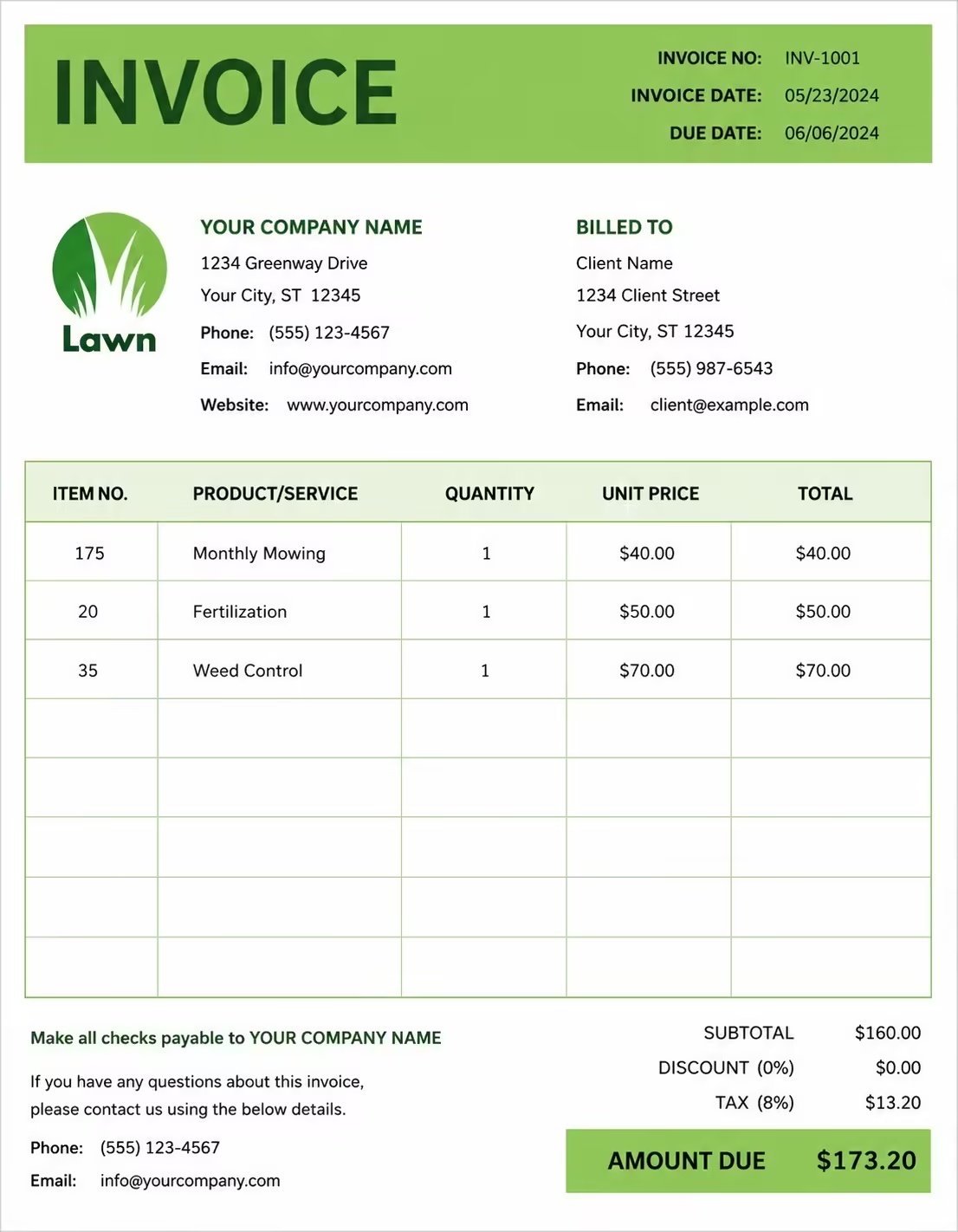
Free Blogger Invoice Template
Free invoice templates for bloggers, freelance writers, content creators, website publishers, niche bloggers, affiliate bloggers, guest post writers, and digital content professionals. Download and edit in PDF, Word, Excel, Google Docs, or Google Sheets.
Use this template to bill for blog writing, sponsored posts, guest posts, article editing, SEO content, content planning, affiliate campaign content, images, revisions, publishing support, taxes, discounts, deposits, and payment terms in a clear and professional way.
Download the app and manage invoices anywhere


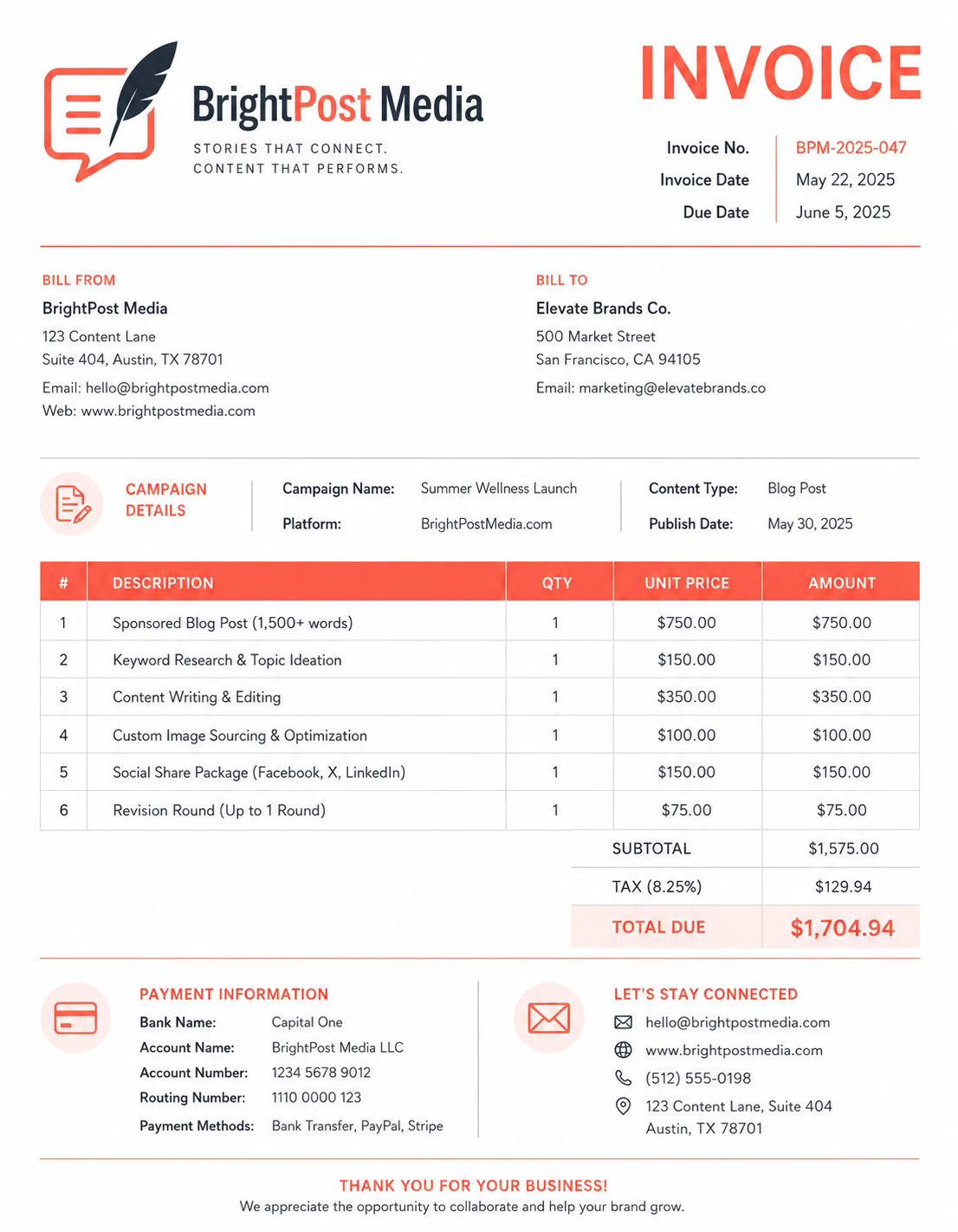
Download Free Blogger Invoice Templates
Download a template, then edit it in PDF, Word, Excel, Google Docs, or Google Sheets. Print it, save it, or send it to your client, brand, agency, or publisher when the blogging work is complete or when a billing period ends.
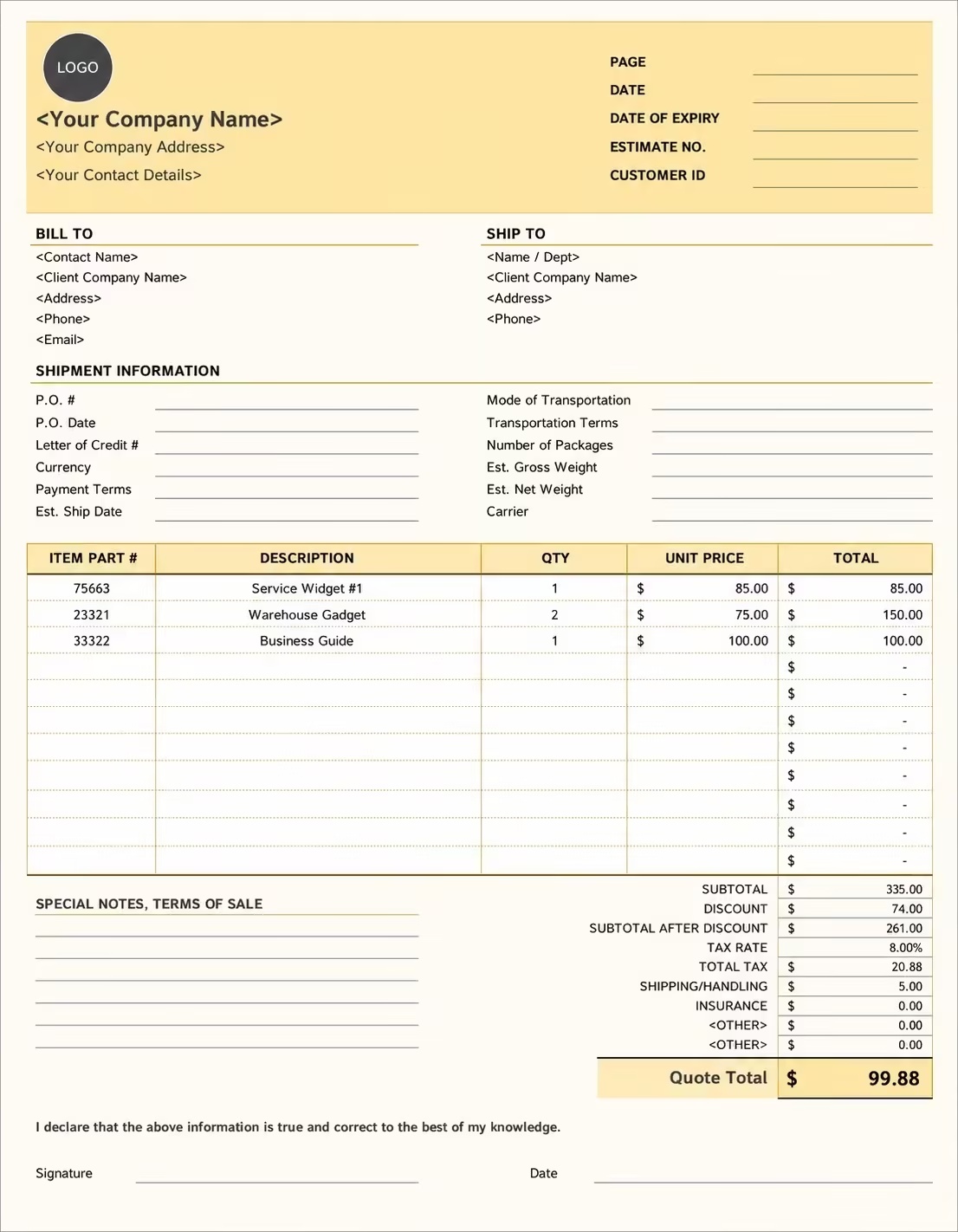
Editable Blogger Invoice Template
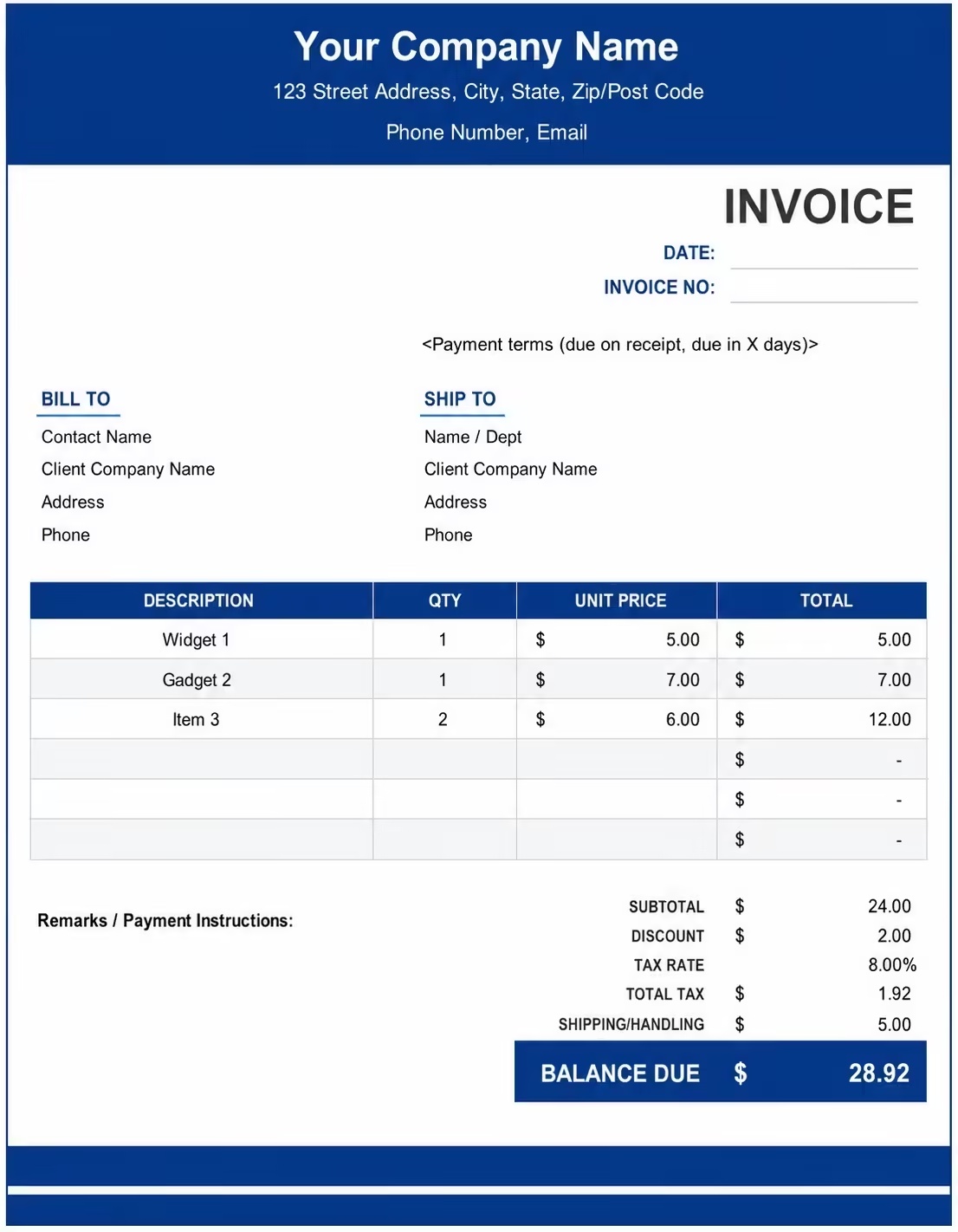
Printable Blogger Invoice Template
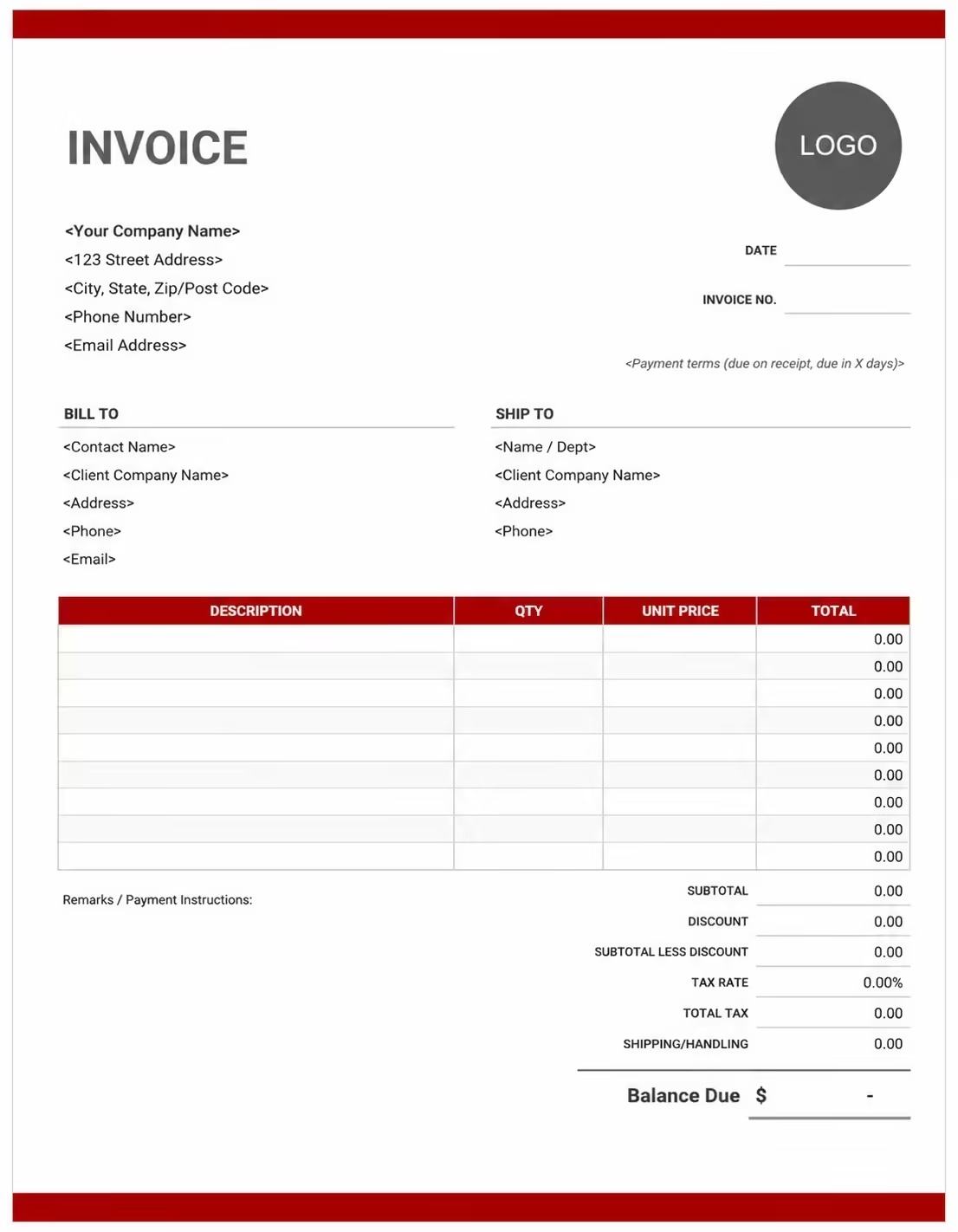
Free Blogger Invoice Template
Use these templates for bloggers, freelance writers, content creators, website publishers, SEO writers, guest post writers, affiliate bloggers, and sponsored content creators.
How to Invoice for Blogger Services
A good blogger invoice should clearly show the client details, blog project name, article title, word count, writing fee, editing work, publishing support, usage terms, deposits, taxes, and payment terms.
Download Free TemplateIn 5 Steps:
- Confirm the client details, blog topic, article count, word count, SEO requirements, publishing platform, revision terms, usage rights, and agreed pricing before starting the work.
- Record completed blogging work, article writing, research, editing, SEO formatting, image sourcing, internal linking, publishing support, sponsored content, and any approved extra services.
- Track blogging-related costs such as research tools, stock images, editing tools, SEO tools, content planning software, writing support, subcontractors, and licensed assets.
- Calculate blog writing fees, article charges, hourly work, editing fees, sponsored content fees, image costs, discounts, deposits, taxes if applicable, and the final balance due.
- Send the invoice with payment options, due date, article details, blog links, delivery notes, revision terms, and any remaining balance instructions.
With Invoize, you can create blogger invoices faster, save client details, reuse common blog writing items, add article fees and sponsored post charges, and track payments from your phone.
What to Include in a Blogger Invoice
A professional blogger invoice should include the details needed to identify the client, blog project, content delivered, writing charges, and payment terms.
Invoice and Project Details
- Invoice numberHelps track the invoice, payment record, and blogging project history.
- Client, brand, agency, publisher, or company detailsShows who requested the blogging service and who is responsible for payment.
- Blogger, writer, content creator, or business detailsShows which blogger, writer, website, content creator, or content business completed the work.
- Blog project, campaign, website, or content referenceConnects the invoice to the correct blog project, sponsored campaign, guest post, website, or client content plan.
- Service date, delivery date, or posting dateShows when the blog content was written, delivered, published, billed, or which content phase the invoice covers.
Blogger Service Details
- Blog platform, website, niche, or publishing channelShows whether the content was for WordPress, Shopify blog, Medium, company website, affiliate site, newsletter, or another platform.
- Service typeShows blog writing, sponsored posts, guest posts, SEO articles, editing, content planning, or publishing support.
- Service descriptionExplains topic research, article writing, SEO formatting, editing, image sourcing, blog publishing, or blogging work completed.
- Article title, topic, keyword, or content briefShows which blog post, topic, keyword, article, or content brief the invoice covers.
- Word count, article count, package, or project feeShows how the charge was calculated by word count, article count, page count, content package, hourly rate, per-word rate, article fee, package fee, or fixed project price.
Payment and Final Notes
- Content and publishing detailsLists SEO notes, meta titles, meta descriptions, internal links, images, tags, formatting, revisions, edits, content updates, publishing support, or live blog links.
- Usage and extra feesShows usage rights, sponsored content terms, affiliate notes, image licenses, rush work, extra research, or added costs outside the regular blog writing fee.
- Discounts, deposits, retainers, or milestone paymentsShows credits, retainers, milestone payments, deposits, or amounts already paid before the final balance.
- Total amount dueShows the final amount the client, brand, agency, or publisher needs to pay.
- Project notes or payment termsRecords the due date, payment methods, revision limits, publishing terms, content ownership, sponsored post terms, late fees, or final payment instructions.
Billing Scenarios for Bloggers
Use clear invoice labels so clients, brands, agencies, and publishers understand the type of blogging service, article fee, content package, usage cost, deposit, and final amount due.
| Scenario | Invoice line items | Best used for | How to describe it |
|---|---|---|---|
| Blog article writing | Article writing, topic research, word count, editing, final draft | Business blogs, niche websites, personal blogs, company content, and regular article writing. | Show the article title, word count, delivery date, writing fee, and included revisions clearly. |
| SEO blog post | SEO article, keyword use, headings, meta description, internal links | Clients who need search-focused blog content for websites, affiliate blogs, ecommerce blogs, or service pages. | List the keyword, article title, SEO tasks, word count, and final SEO writing fee. |
| Sponsored blog post | Sponsored article, brand mention, product feature, publishing, live link | Brands, agencies, and advertisers paying for sponsored content on a blog or website. | Show the campaign name, brand mention, posting date, live link, usage terms, and sponsored post fee. |
| Guest post writing | Guest article, topic research, draft writing, editing, submission support | Guest blogging campaigns, outreach content, contributor posts, and publication submissions. | Show the target website or publication, article title, word count, delivery date, and writing charge. |
| Blog editing or content update | Article editing, content refresh, SEO update, formatting, link updates | Updating old blog posts, improving drafts, refreshing SEO content, and editing client-provided articles. | Describe the article updated, editing work completed, content changes, and editing fee clearly. |
| Monthly blogging package | Content plan, blog articles, editing, publishing support, reporting | Ongoing blog writing, monthly content retainers, agency support, and regular website content plans. | Show the billing month, number of articles, included services, package price, and remaining balance. |
Create Invoice Now
☝️ Create a professional invoice in seconds.
Common Charges and Fees for Blogger Services
Itemize blogger charges clearly so clients can see writing fees, editing costs, sponsored content fees, publishing support, image costs, taxes, and any extra costs.
| Charge or service | Unit | When to use | How to show it |
|---|---|---|---|
| Blog writing fee | Article, word count, or project | Use when charging for writing a blog post, article, guide, review, or website content piece. | Show the article title, word count, topic, and writing fee clearly. |
| Hourly blogger fee | Hour | Use when billing by time for research, writing, editing, publishing, formatting, or content planning. | Show hours worked multiplied by the hourly rate with a short service description. |
| Per-word writing fee | Word | Use when the blog writing price depends on the final or agreed word count. | Show the word count, rate per word, and total writing amount. |
| SEO blog article fee | Article or package | Use when the blog post includes keyword use, headings, meta description, internal links, or SEO formatting. | Show the keyword, article title, SEO tasks, and SEO article fee. |
| Sponsored post fee | Post or campaign | Use when a brand pays for a sponsored blog post, product feature, review, or campaign mention. | Show the campaign name, brand, post title, posting date, and sponsored content fee. |
| Editing or proofreading fee | Article, hour, or word count | Use when editing drafts, proofreading blog posts, improving flow, checking grammar, or updating content. | Show the article title, editing scope, word count or hours, and editing fee. |
| Content planning fee | Plan, month, or project | Use when preparing blog topics, editorial calendars, content briefs, keyword plans, or posting schedules. | List the planning period, included topics, and content planning charge. |
| Image or media sourcing fee | Image, asset, license, or article | Use when sourcing stock images, screenshots, graphics, licensed media, or visual assets for blog content. | Show approved media costs separately when they are not included in the writing fee. |
| Publishing or formatting fee | Post, hour, or service | Use when uploading content to WordPress, formatting headings, adding links, inserting images, or scheduling posts. | Show publishing support separately when it adds to the content cost. |
| Extra revision or rush fee | Round, hour, article, or fee | Use when the client requests extra edits, urgent delivery, more research, added sections, or work outside the agreed scope. | Add a clear label so the client understands why the extra fee applies. |
| Tax | Percentage or amount | Use when tax applies to blogging services, sponsored content, editing, publishing support, or extra fees based on local rules. | Show tax before the final total so the client can see how the balance was calculated. |
| Deposit, retainer, or previous payment | Credit | Use when the client, brand, agency, or publisher paid before or during the blogging project. | Subtract it from the invoice total and show the remaining balance due. |
Common Blogger Invoicing Mistakes
Blogger billing can include article titles, word counts, SEO work, sponsored content, editing, publishing support, usage terms, deposits, and payment rules. Missing details can confuse clients or delay payment. Avoid these common mistakes.
| Mistake | Why it causes problems | How to fix it |
|---|---|---|
| Not listing the article title or project name | The client may not know which blog post, sponsored campaign, content package, or billing period the invoice covers. | Add the article title, project name, campaign name, website name, delivery date, or billing period clearly. |
| Not describing the blogging service clearly | The client may not understand whether the charge is for writing, editing, SEO, publishing, sponsored content, or content planning. | Add a simple service description for each blog article, content task, campaign item, or deliverable. |
| Combining all charges in one line | The total may look unclear because the client cannot see writing, editing, SEO work, image costs, publishing support, and taxes separately. | Separate writing fees, SEO work, editing, sponsored post fees, publishing support, deposits, and taxes into clear line items. |
| Not showing word count or article count | The client may question the charge if the number of articles, words, pages, or content pieces is not visible. | Show article count, word count, post count, hourly rate, per-word rate, package fee, or fixed project price clearly. |
| Leaving out SEO or publishing details | The client may not know whether headings, keywords, meta description, images, links, or upload work are included. | Add SEO notes, keyword details, formatting work, publishing support, live links, and delivery notes when useful. |
| Not recording approved extra revisions | Additional edits, new sections, extra research, urgent changes, or content rewrites may be questioned later. | Show approved extra revisions, added writing work, added research, extra hours, and updated totals clearly. |
| Forgetting sponsored content terms | The brand may not understand posting dates, link terms, disclosure notes, live link delivery, or content placement details. | Add sponsored post terms, posting date, live link, brand mention, link notes, and campaign details when useful. |
| Forgetting image or stock asset costs | Images, screenshots, graphics, or licensed assets may look unexpected if not listed separately. | Add approved image costs, stock assets, media licenses, screenshots, and graphic fees as separate line items when billed. |
| Forgetting deposits or retainer payments | The final balance may look higher than expected. | Show deposits, retainers, advance payments, milestone payments, partial payments, or credits before the balance due. |
| Not keeping invoice records | Tracking blog projects, articles, payments, revisions, sponsored campaigns, links, and client history becomes harder. | Keep a copy of every blogger invoice for your content business records. |
More Invoice Templates You May Like
Explore closely related invoice templates for blogger work, similar services, and nearby billing scenarios before choosing the best format for your customer.
Questions
Frequently Asked Questions
What should a blogger invoice include?
A blogger invoice should include client details, blog project name, article title, word count, writing or editing services, SEO work, sponsored content details, image or publishing costs, deposits, taxes, payment terms, and the final amount due.
How should I show blog writing charges on an invoice?
List each blog post with the topic, word count, and price clearly. Example: “SEO blog post: 1,500 words: $180” or “Lifestyle article: 800 words × $0.12/word = $96.” This helps the client understand exactly what written content was delivered.
What project details should be included on a blogger invoice?
Include the client name, blog title, website name, content topic, word count, delivery date, and invoice number. Example: “Project: Travel blog content for June, deliverables: 4 blog posts for client website.” This connects the invoice to the correct content project.
How do I invoice for sponsored blog posts?
List the sponsored post as a separate line item with the brand name, topic, and publishing details. Example: “Sponsored blog post: Product feature article for skincare brand: $350.” If social sharing or newsletter promotion is included, mention it clearly or list it separately.
Should keyword research or SEO work be listed separately?
Yes, if keyword research, meta title writing, internal linking, or SEO optimization is charged outside the writing fee. Example: “Keyword research for blog article: $45” or “SEO optimization and meta description: $35.” This shows the planning work behind the blog post.
Can I include editing or proofreading charges?
Yes. Editing, proofreading, rewriting, or content polishing should be listed separately if they are billed as extra services. Example: “Blog post editing: 2 articles × $40 = $80” or “Proofreading and formatting: $30.” This keeps writing and editing charges clear.
How should I bill for images, graphics, or media used in a blog post?
List image sourcing, custom graphics, stock photo licenses, or formatting work separately if they are not included in the blog writing rate. Example: “Stock image license: $15” or “Blog header graphic design: $60.” This helps the client see what visual content was added.
How do I show deposits or milestone payments?
Show the full blogging project amount, deposit paid, current milestone charge, and remaining balance. Example: “Blog content project total: $1,000,” “Deposit received: $250,” “First 5 blog posts delivered: $500,” and “Remaining balance: $250.” This helps both sides track payment clearly.
What payment terms should a blogger invoice include?
Include the due date, accepted payment methods, revision policy, publishing terms, usage rights, and late payment rules. Example: “Payment due within 7 days. Extra revisions, added word count, image sourcing, rush delivery, or extended content usage may require an updated invoice.”