Free Fashion Invoice Template
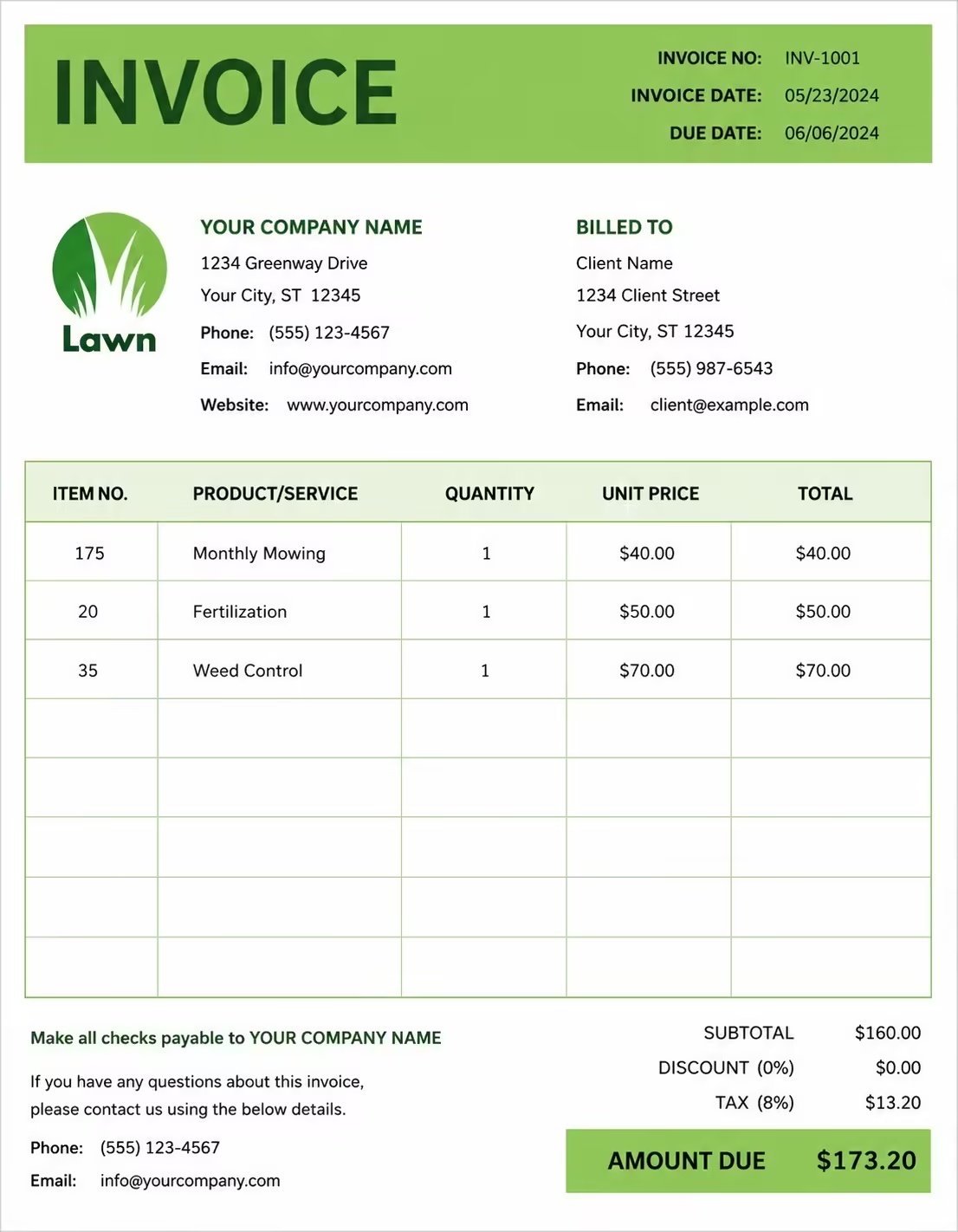
Free invoice templates for fashion designers, clothing brands, boutiques, stylists, apparel makers, fashion consultants, and creative fashion businesses. Download and edit in PDF, Word, Excel, Google Docs, or Google Sheets.
Use this template to bill for fashion design work, custom clothing, styling services, garment production, alterations, fabric costs, samples, fittings, wholesale orders, taxes, discounts, deposits, and payment terms in a clear and professional way.
Download the app and manage invoices anywhere



Download Free Fashion Invoice Templates
Download a template, then edit it in PDF, Word, Excel, Google Docs, or Google Sheets. Print it, save it, or send it to your client when the fashion service, clothing order, or project is complete.
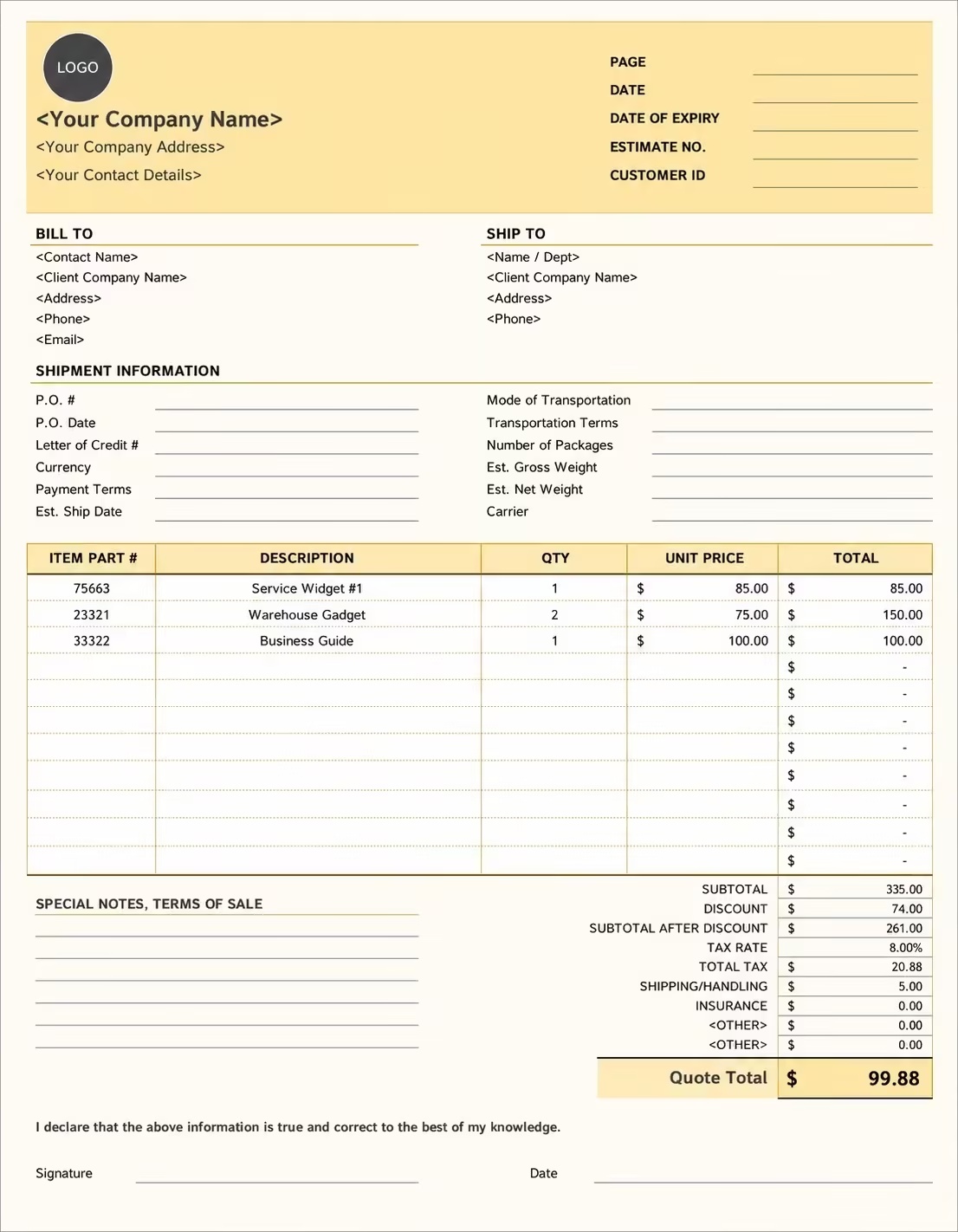
Editable Fashion Invoice Template
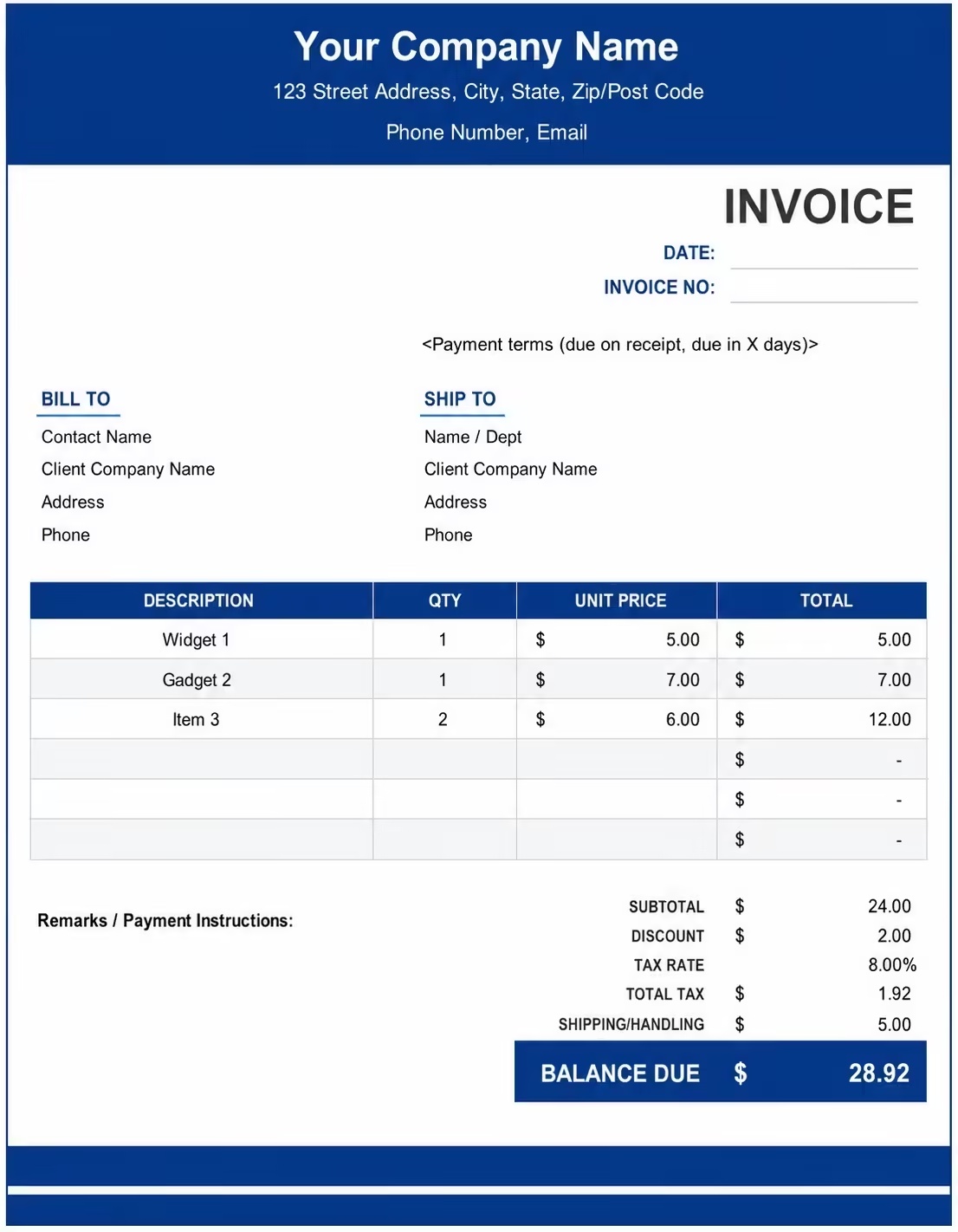
Printable Fashion Invoice Template
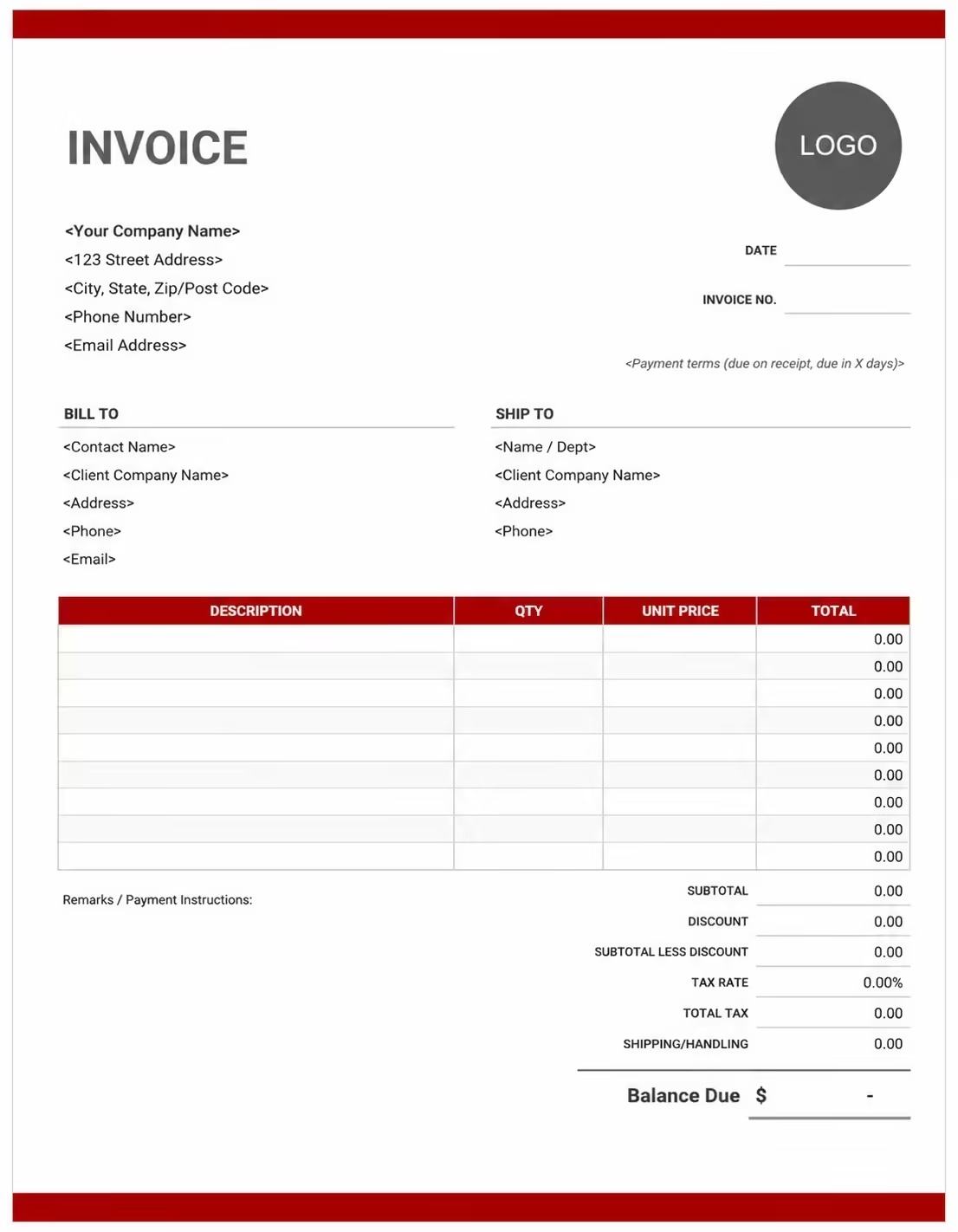
Free Fashion Invoice Template
Use these templates for fashion designers, clothing brands, boutiques, stylists, apparel makers, alteration services, fashion consultants, garment producers, and creative fashion businesses.
How to Invoice for Fashion Services
A good fashion invoice should clearly show the client details, project name, clothing items, design service, material costs, labor charges, deposits, taxes, and payment terms.
Download Free TemplateIn 5 Steps:
- Confirm the client details, fashion service type, clothing items, design scope, sizes, fabric choices, delivery date, and agreed pricing before starting the work.
- Record completed fashion work, design sketches, styling sessions, custom garments, alterations, fittings, samples, production work, and any approved extra services.
- Track fashion-related costs such as fabric, trims, buttons, zippers, lining, labels, packaging, delivery, tailoring labor, studio time, and supplier fees.
- Calculate design fees, garment costs, styling fees, production charges, material costs, discounts, deposits, taxes if applicable, and the final balance due.
- Send the invoice with payment options, due date, item details, project notes, delivery terms, and any remaining balance instructions.
With Invoize, you can create fashion invoices faster, save client details, reuse common clothing items, add material costs and deposits, and track payments from your phone.
What to Include in a Fashion Invoice
A professional fashion invoice should include the details needed to identify the client, fashion service, clothing items, materials, charges, and payment terms.
Invoice and Order Details
- Invoice numberHelps track the invoice, payment record, and fashion project history.
- Client name and contact detailsShows who ordered the fashion service, clothing item, or styling work.
- Fashion designer, boutique, stylist, or studio detailsShows which fashion provider, boutique, stylist, studio, or business completed the work or supplied the items.
- Project, order, collection, or clothing referenceConnects the invoice to the correct fashion project, garment, collection, style number, or client order.
- Order date, service date, or delivery dateShows when the fashion work was ordered, completed, delivered, billed, or which billing period the invoice covers.
Fashion Service Details
- Item name, size, colour, or quantityHelps identify the exact garment, accessory, design, product, size, colour, or quantity being billed.
- Fashion service typeShows design, styling, custom clothing, tailoring, alterations, production, retail fashion items, or garment work.
- Service descriptionExplains garment design, sketching, cutting, stitching, fitting, styling, sourcing, or fashion work completed.
- Hours, item count, garment count, or project feeShows how the charge was calculated by hours worked, item count, garment count, package details, hourly rate, item price, design fee, package fee, or fixed project price.
- Fittings, revisions, alterations, or adjustmentsShows extra work connected to size changes, fit checks, garment corrections, design changes, revisions, or final adjustments.
Payment and Final Notes
- Materials and product costsLists fabric, trims, buttons, zippers, lining, labels, thread, packaging, accessories, quantities, unit prices, supplier costs, or item totals.
- Extra feesShows rush work, delivery, shipping, sourcing, sample making, production setup, consultation fees, or added costs outside the standard fashion service price.
- Discounts, deposits, retainers, or partial paymentsShows credits, retainers, partial payments, deposits, or amounts already paid before the final balance.
- Total amount dueShows the final amount the client needs to pay.
- Order notes or payment termsRecords the due date, payment methods, fitting terms, delivery notes, return terms, custom order policy, late fees, or final handover details.
Billing Scenarios for Fashion Businesses
Use clear invoice labels so clients understand the type of fashion service, clothing cost, material charge, production fee, deposit, and final amount due.
| Scenario | Invoice line items | Best used for | How to describe it |
|---|---|---|---|
| Custom clothing order | Custom garment, fabric cost, tailoring labor, fittings, final delivery | Dresses, suits, gowns, jackets, uniforms, and made-to-measure clothing. | Show the garment type, size, fabric, fitting dates, deposit, and remaining balance clearly. |
| Fashion design project | Design concept, sketches, technical drawing, revisions, final design files | Fashion designers creating new clothing concepts, collection pieces, or client-requested designs. | List the project name, number of designs, included revisions, final files, and design fee. |
| Personal styling service | Styling consultation, outfit planning, shopping support, lookbook, service fee | Wardrobe styling, event styling, personal shopping, photoshoot styling, and image consulting. | Show the styling date, session length, service type, outfit count, and final styling charge. |
| Alteration or tailoring work | Alteration service, garment adjustment, fitting, stitching, repair work | Hem adjustments, resizing, repairs, zipper replacement, sleeve changes, and garment fitting corrections. | Show the garment name, alteration type, labor fee, material cost, and pickup or delivery date. |
| Fashion collection production | Sample making, pattern work, garment production, materials, production labor | Small clothing collections, sample lines, boutique production, brand launches, and fashion studio work. | Show the collection name, garment count, production stage, material cost, and milestone payment. |
| Boutique or wholesale order | Clothing items, quantities, unit prices, packaging, shipping, discounts | Boutiques, clothing stores, fashion brands, pop-up shops, and wholesale apparel buyers. | List each item, size, colour, quantity, unit price, discount, shipping, and final order total. |
Create Invoice Now
☝️ Create a professional invoice in seconds.
Common Charges and Fees for Fashion Services
Itemize fashion charges clearly so clients can see design fees, garment prices, materials, labor, fittings, delivery, taxes, and any extra costs.
| Charge or service | Unit | When to use | How to show it |
|---|---|---|---|
| Fashion design fee | Design, hour, or project | Use when charging for clothing concepts, sketches, technical designs, style planning, or creative direction. | Show the design type, number of designs, hours worked, or fixed project fee. |
| Custom garment fee | Garment or project | Use when making a custom dress, suit, jacket, gown, uniform, costume, or special clothing item. | Show the garment name, size, style, included work, and garment price. |
| Hourly fashion service fee | Hour | Use when billing by time for design work, styling, fittings, sourcing, alterations, or consultation. | Show hours worked multiplied by the hourly rate with a short service description. |
| Fabric or material cost | Yard, meter, item, or roll | Use when charging for fabric, lining, thread, buttons, zippers, trims, labels, or other garment materials. | Show material name, quantity, unit price, and total cost when useful. |
| Pattern making fee | Pattern, size, or project | Use when creating patterns, grading sizes, preparing templates, or developing garment construction plans. | List pattern making separately when it is not included in the design or production fee. |
| Sample making fee | Sample or garment | Use when creating a sample garment, prototype, test fit, or first version before final production. | Show the sample item, sample purpose, material cost, and labor fee. |
| Fitting or alteration fee | Session, garment, or service | Use when adjusting size, hemming, repairing, resizing, replacing zippers, or improving garment fit. | Show the alteration type, garment name, fitting date, and alteration charge. |
| Styling consultation fee | Session or hour | Use when providing personal styling, wardrobe advice, outfit planning, shopping support, or event styling. | Show the session date, styling focus, session length, and styling fee. |
| Production labor fee | Garment, hour, batch, or project | Use when billing for cutting, stitching, sewing, finishing, pressing, quality checks, or small-batch production. | Show garment count, labor type, production stage, and production fee. |
| Packaging, delivery, or shipping fee | Package, order, or delivery | Use when packing, shipping, courier delivery, garment bags, boxes, or branded packaging are charged separately. | Show delivery method, package count, shipping cost, or delivery fee clearly. |
| Tax | Percentage or amount | Use when tax applies to fashion services, clothing items, materials, delivery, or extra fees based on local rules. | Show tax before the final total so the client can see how the balance was calculated. |
| Deposit, retainer, or previous payment | Credit | Use when the client paid before or during the fashion project or clothing order. | Subtract it from the invoice total and show the remaining balance due. |
Common Fashion Invoicing Mistakes
Fashion billing can include design work, clothing items, sizes, materials, fittings, alterations, production fees, deposits, delivery, and payment terms. Missing details can confuse clients or delay payment. Avoid these common mistakes.
| Mistake | Why it causes problems | How to fix it |
|---|---|---|
| Not listing the garment or project name | The client may not know which clothing item, design project, styling session, or order the invoice covers. | Add the garment name, project name, style number, order number, or collection reference clearly. |
| Not describing the fashion service clearly | The client may not understand whether the charge is for design, styling, custom clothing, alterations, sourcing, or production. | Add a simple service description for each fashion task, garment, product, or project stage. |
| Combining all charges in one line | The total may look unclear because the client cannot see design fees, materials, labor, fittings, delivery, and taxes separately. | Separate design work, garment fees, material costs, labor, alterations, delivery, deposits, and taxes into clear line items. |
| Not showing quantity, size, or item details | The client may question the charge if the number of items, size, colour, or style is not visible. | Show item name, size, colour, quantity, unit price, and item total when useful. |
| Forgetting fabric or material costs | Fabric, trims, buttons, zippers, lining, labels, or packaging may look unexpected if not listed. | Add material names, quantities, unit prices, and approved costs as separate line items. |
| Not recording fittings or alterations | Extra fitting work, size changes, repairs, or design adjustments may be questioned later. | Show fitting dates, alteration details, adjustment work, extra labor, and updated totals clearly. |
| Leaving out delivery or pickup details | The client may not know when the garment, order, or fashion project will be delivered or collected. | Add delivery date, pickup date, shipping method, courier fee, or handover notes when useful. |
| Forgetting deposits or partial payments | The final balance may look higher than expected. | Show deposits, retainers, advance payments, partial payments, discounts, or credits before the balance due. |
| Leaving out custom order or return terms | The client may not know whether custom clothing, altered garments, or special orders can be returned or changed. | Add custom order terms, alteration policy, return notes, fitting rules, and final payment instructions. |
| Not keeping invoice records | Tracking fashion projects, client orders, fittings, payments, material costs, and delivery history becomes harder. | Keep a copy of every fashion invoice for your studio, boutique, or fashion business records. |
More Invoice Templates You May Like
Explore closely related invoice templates for fashion work, similar services, and nearby billing scenarios before choosing the best format for your customer.
Questions
Frequently Asked Questions
How should I show fashion design charges on an invoice?
List each fashion service separately with the design type, quantity, or rate. Example: “Custom dress design: $450” or “Fashion sketch package: 5 looks × $80 = $400.” This helps the client understand exactly what creative fashion work was completed.
What project details should be included on a fashion invoice?
Include the client name, collection name, garment type, service date, billing period, quantity, and invoice number. Example: “Project: Summer capsule collection, items: 3 dresses and 2 jackets.” This connects the invoice to the correct fashion order or design project.
How do I invoice for custom clothing or garment production?
Break the work into clear line items such as design, fabric sourcing, pattern making, cutting, stitching, fitting, and finishing. Example: “Custom evening gown production: $850” and “Pattern making and fitting adjustments: $180.” This makes custom clothing costs easier to review.
Should fabric and materials be listed separately?
Yes. Fabric, lining, buttons, zippers, thread, trims, beads, lace, and other materials should be shown separately if they are charged to the client. Example: “Silk fabric: 5 yards × $35/yard = $175” or “Decorative trim and buttons: $45.”
Can I include alterations or tailoring work?
Yes. Alterations should be listed as separate services with the garment and work completed. Example: “Dress hem adjustment: $45,” “Suit jacket sleeve alteration: $60,” or “Waist adjustment for trousers: $35.” This keeps tailoring charges clear.
How should I bill for fashion styling services?
List styling by session, event, look, or package. Example: “Personal styling session: 2 hours × $90/hr = $180” or “Photoshoot styling: 6 looks: $500.” This helps the client see what styling support was included.
How do I show deposits or milestone payments?
Show the full fashion project amount, deposit paid, current milestone charge, and remaining balance. Example: “Custom fashion order total: $1,500,” “Deposit received: $400,” “First fitting milestone: $500,” and “Remaining balance: $600.” This helps both sides track payment clearly.
What payment terms should a fashion invoice include?
Include the due date, accepted payment methods, deposit terms, fitting schedule, material approval rules, and change policy. Example: “Final payment due before garment pickup. Fabric changes, extra fittings, rush work, or added design details may require an updated invoice.”