
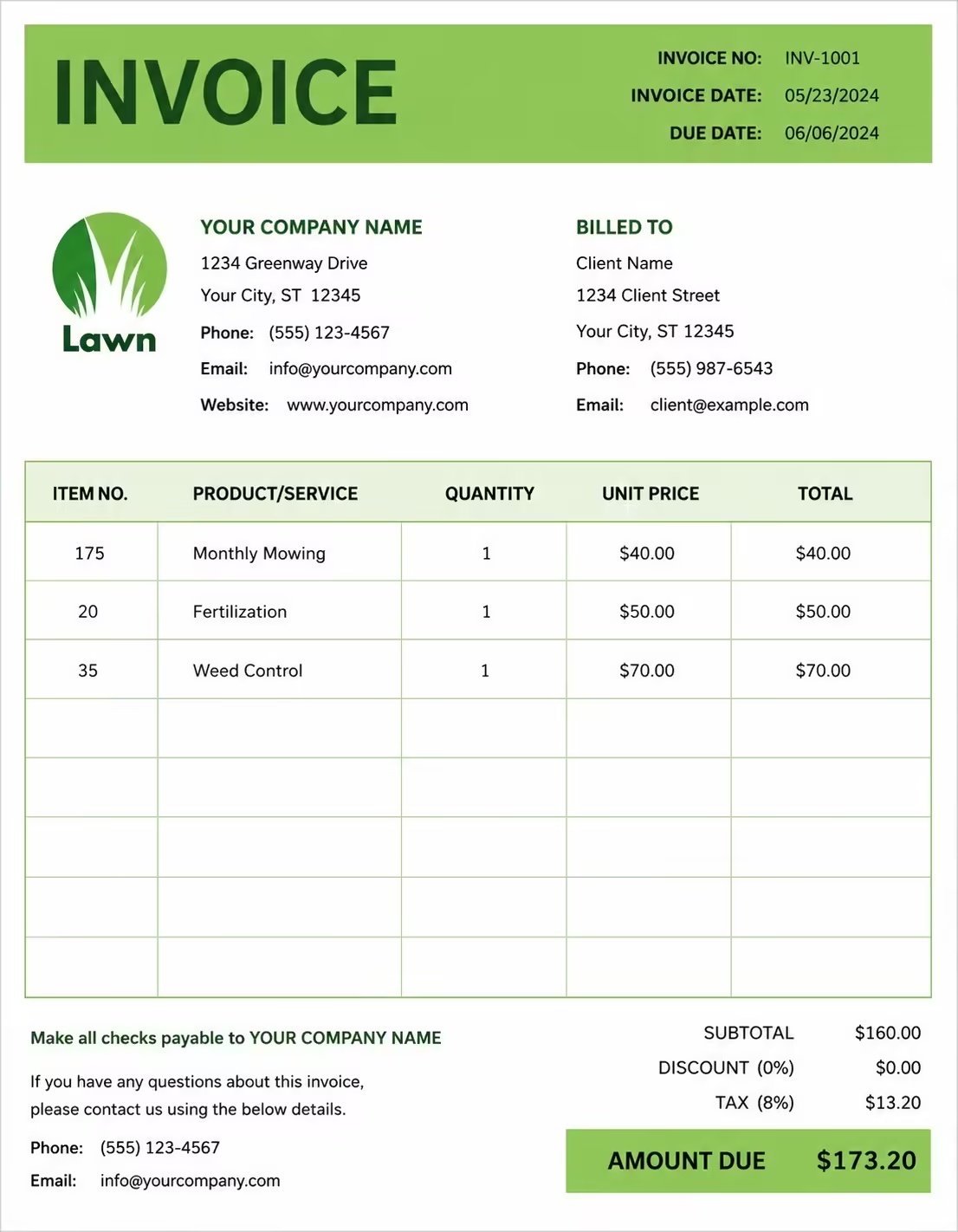
Free Carpentry Invoice Template
Free invoice templates for carpenters, woodworking businesses, cabinet makers, furniture repair services, trim installers, framing contractors, and custom woodwork projects. Download and edit in PDF, Word, Excel, Google Docs, or Google Sheets.
Use this template to bill for carpentry labor, materials, custom woodwork, repairs, installation, measurements, delivery, taxes, discounts, and payment terms in a clear and professional way.
Download the app and manage invoices anywhere


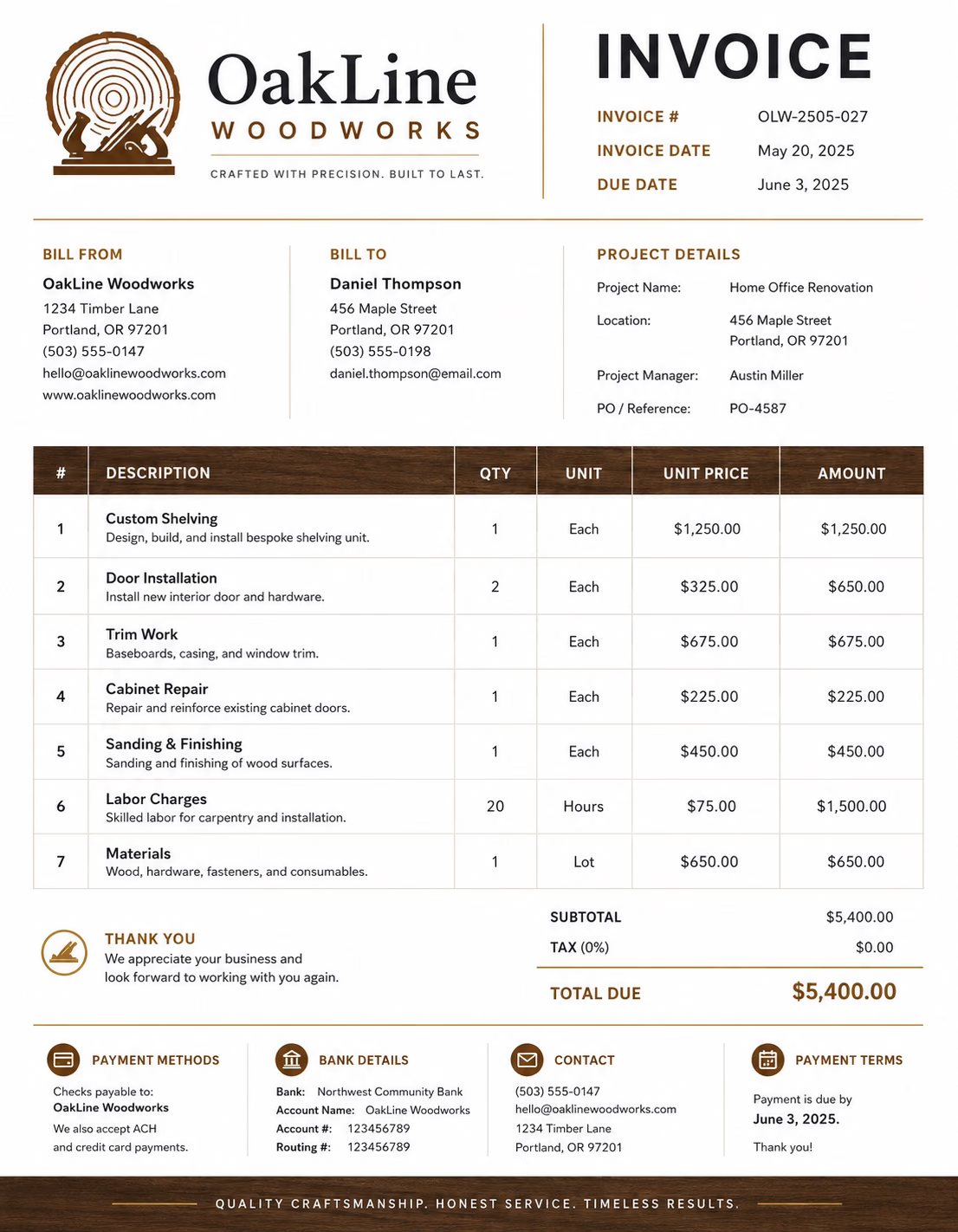
Download Free Carpentry Invoice Templates
Download a carpentry invoice template, then edit it in PDF, Word, Excel, Google Docs, or Google Sheets. Print it, save it, or send it to your client when the woodworking, repair, installation, or custom carpentry project is complete.
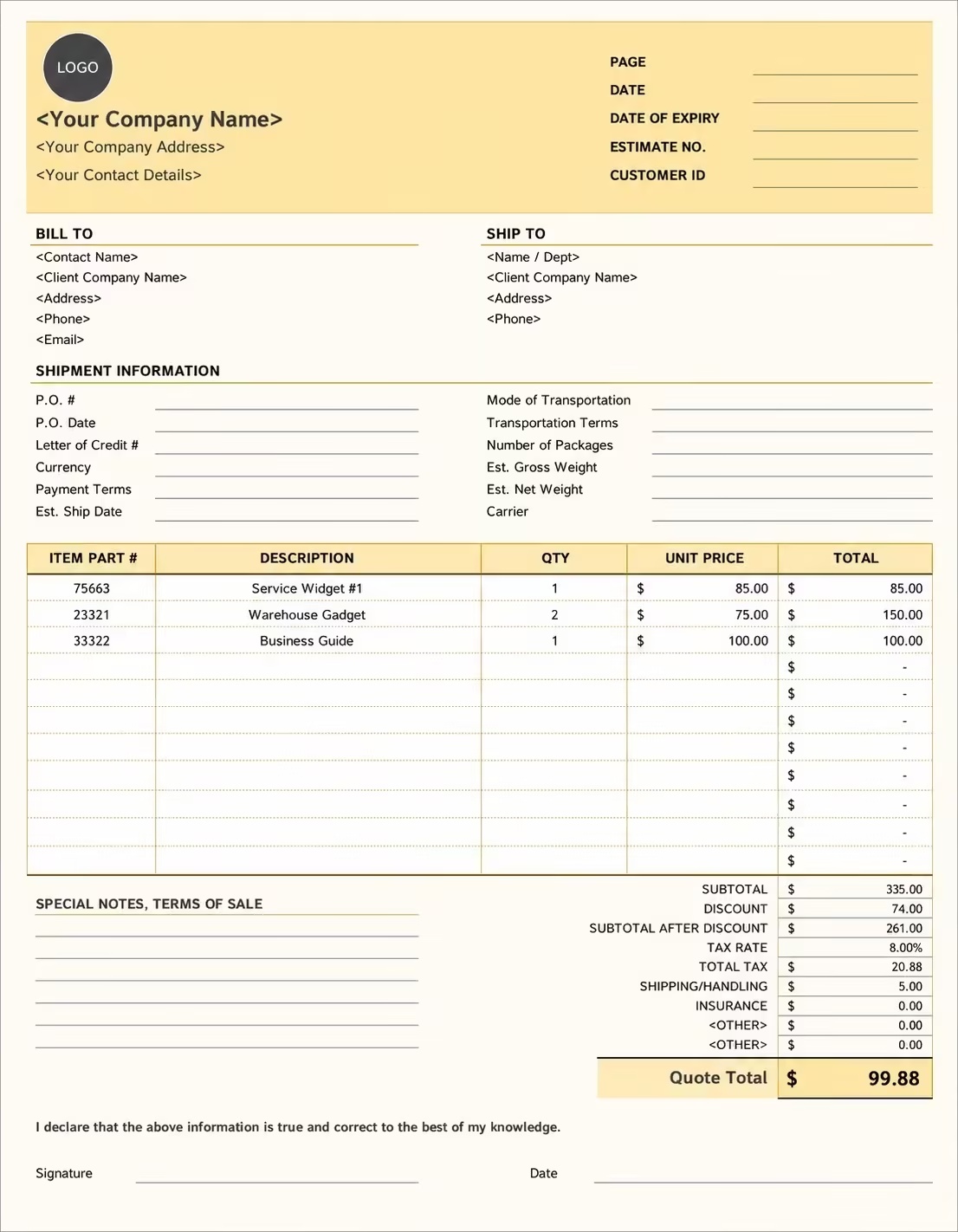
Editable Carpentry Invoice Template
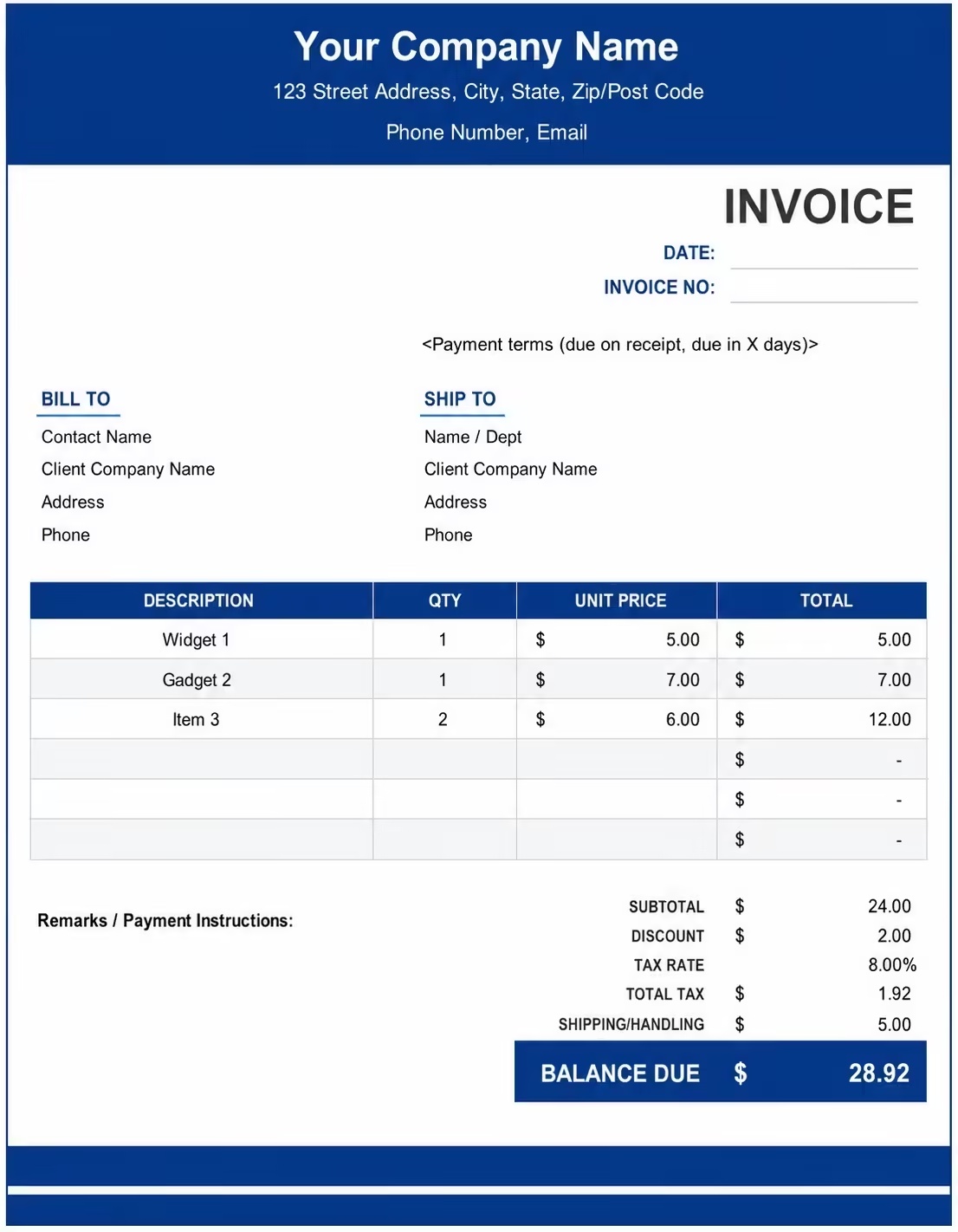
Printable Carpentry Invoice Template
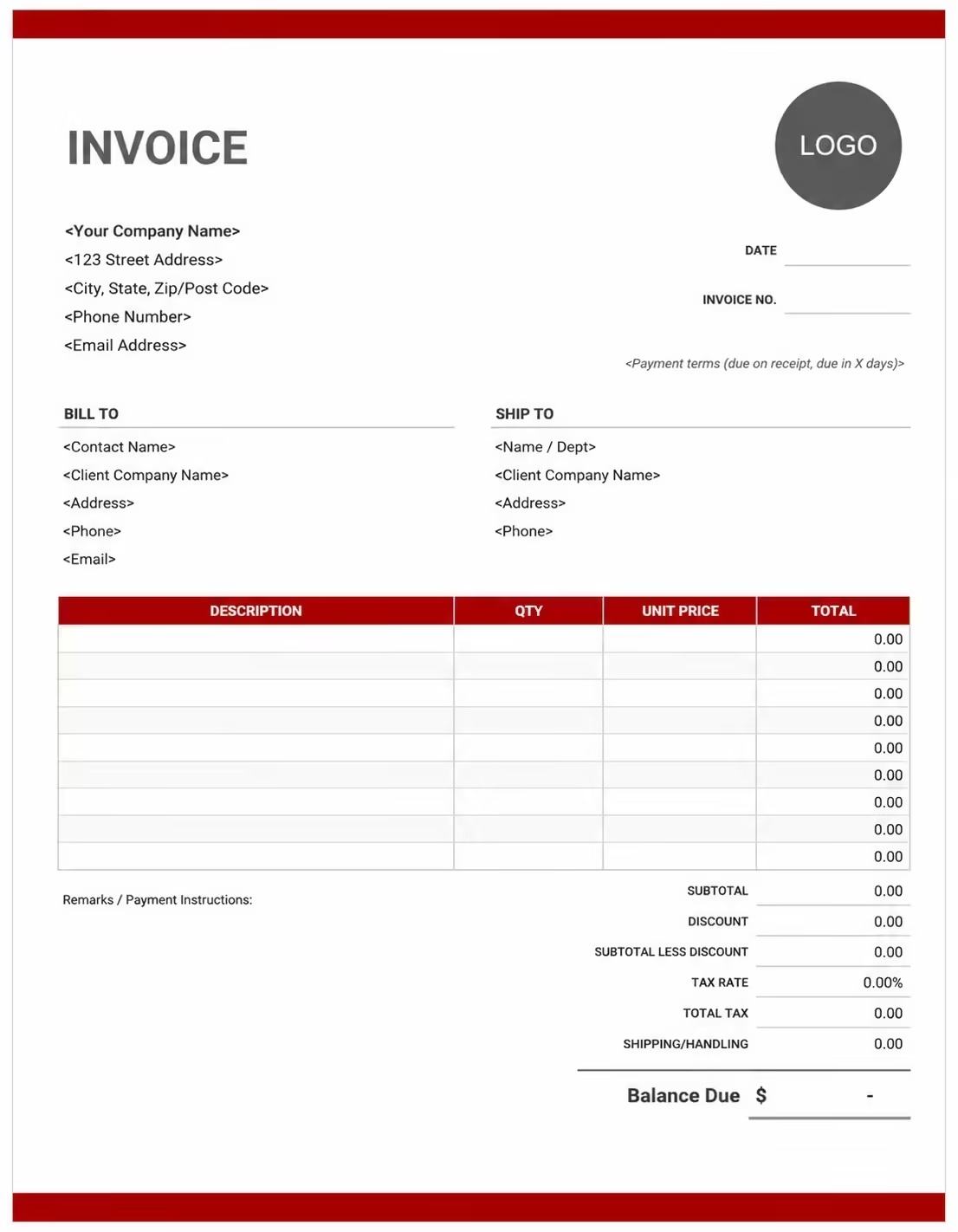
Free Carpentry Invoice Template
Use these templates for carpenters, woodworking contractors, cabinet makers, trim installers, finish carpenters, furniture repair professionals, framing crews, and custom woodwork businesses.
How to Invoice for Carpentry Work
A good carpentry invoice should clearly show the work completed, materials used, labor charges, project details, taxes, and payment terms.
Download Free TemplateIn 5 Steps:
- Confirm the client details, project location, carpentry work requested, material needs, measurements, and agreed pricing before starting the job.
- Record the completed work, labor hours, materials used, custom pieces made, installation work, repairs, and any extra changes requested by the client.
- Track wood, hardware, nails, screws, adhesives, finishes, tools, delivery charges, and any other project-related costs.
- Calculate labor, materials, service fees, taxes, discounts, deposits, and the final balance due.
- Send the invoice with payment options, due date, project notes, warranty details, and any care or maintenance instructions for the finished work.
With Invoize, you can create carpentry invoices faster, save client details, reuse common services, add materials, and track payments from your phone.
What to Include in a Carpentry Invoice
A professional carpentry invoice should include the details needed to identify the client, project, services, materials, charges, and payment terms.
Invoice and Project Details
- Invoice numberHelps track the invoice and payment record.
- Business name and contact detailsShows who completed the carpentry work.
- Customer name and contact detailsIdentifies who is responsible for payment.
- Project locationShows where the carpentry work was completed.
- Service date or project dateRecords when the work was performed or completed.
Labor, Materials, and Fees
- Carpentry service descriptionExplains the work completed, such as installation, repair, framing, trim, or custom build.
- Labor hours and hourly rateShows how labor cost was calculated.
- Fixed project feeShows the agreed price when the job is billed as a flat-rate project.
- Materials usedLists lumber, boards, panels, hardware, fasteners, glue, stain, or finishing supplies.
- Material quantitiesHelps customers understand how material costs were calculated.
Payment and Final Notes
- Total amount dueShows the final amount the customer needs to pay.
- Payment due dateTells the customer when payment is expected.
- Payment methodsShows how the customer can pay.
- TaxesShows tax added to materials, labor, or fees where applicable.
- Discounts or depositsShows credits applied before the final balance.
Billing Scenarios for Carpentry Businesses
Use clear invoice labels so clients can understand the project type, labor, materials, measurements, finishing work, and final balance due.
| Scenario | Invoice line items | Best used for | How to describe it |
|---|---|---|---|
| Custom cabinet installation | Cabinet labor, hardware, panels, finishing supplies | Kitchen cabinets, storage units, built-ins, or wardrobe installation. | Separate labor, materials, and hardware so the customer can see the full installation cost. |
| Trim and molding work | Trim labor, molding materials, nails, caulk, finishing | Baseboards, crown molding, door trim, window trim, or decorative woodwork. | Describe the area completed and list materials separately from installation labor. |
| Furniture repair | Repair labor, replacement parts, sanding, refinishing | Tables, chairs, cabinets, shelves, doors, or damaged wooden items. | Explain what was repaired, replaced, adjusted, or refinished. |
| Deck or fence repair | Repair labor, lumber, screws, brackets, stain, cleanup | Outdoor carpentry repairs, board replacement, railing repair, or gate fixes. | Show outdoor materials, labor, and cleanup charges clearly. |
| Labor-only carpentry | Installation labor, customer-supplied materials note | Jobs where the customer provides wood, hardware, cabinets, or fixtures. | Make it clear that you are billing only for labor and not for supplied materials. |
| Custom woodworking project | Design time, material cost, build labor, finishing | Custom shelves, tables, counters, cabinets, and made-to-measure woodwork. | Break down design, build, materials, and finish work so the project cost is easy to understand. |
| Framing or structural carpentry | Framing labor, lumber, fasteners, layout work, inspection notes | Wall framing, partition framing, structural repair, and renovation carpentry. | Include the project area, framing scope, materials used, and any site notes. |
| Finishing and refinishing | Sanding, staining, painting, sealant, clear coat, finishing labor | Cabinets, doors, shelves, furniture, panels, and visible finish work. | Separate surface preparation, materials, and finish application for clearer billing. |
Create Invoice Now
☝️ Create a professional invoice in seconds.
Common Charges and Fees for Carpentry Businesses
Itemize carpentry charges clearly so customers can see labor, project fees, lumber, hardware, finishing supplies, delivery, cleanup, taxes, and credits.
| Charge or service | Unit | When to use | How to show it |
|---|---|---|---|
| Carpentry labor | Time | Use for installation, repairs, framing, trim work, adjustments, or finishing. | Show labor hours multiplied by the hourly rate with a short service description. |
| Project fee | Fixed price | Use when the full carpentry job is billed as one agreed project amount. | List the project name and agreed price clearly. |
| Lumber and wood materials | Item or quantity | Use when charging for boards, plywood, MDF, hardwood, softwood, or panels. | Show material type, quantity, unit price, and total cost. |
| Hardware and fittings | Item | Use for hinges, handles, drawer slides, brackets, screws, nails, locks, or fasteners. | List hardware separately so it is not hidden inside labor or materials. |
| Finishing supplies | Item or fee | Use for stain, varnish, paint, sealer, glue, filler, sandpaper, or caulk. | Add the supply name and connect it to the finishing work completed. |
| Measurement or design fee | Service | Use for site measurement, planning, layout, drawings, or custom project preparation. | Show it as a separate service before labor and materials. |
| Delivery or pickup fee | Service | Use when collecting materials, delivering finished items, or transporting large pieces. | Show it separately from labor so the transport charge is clear. |
| Cleanup or disposal fee | Fee | Use when removing old wood, debris, packaging, sawdust, or damaged materials. | Add it as a separate line with a short cleanup or disposal note. |
| Tax | Percentage or amount | Use when tax applies to materials, labor, or fees based on local rules. | Show tax before the final total so the customer can see how the balance was calculated. |
| Deposit or partial payment | Credit | Use when the customer paid before or during the carpentry project. | Subtract it from the invoice total and show the remaining balance due. |
Common Carpentry Invoicing Mistakes
Carpentry work often includes custom measurements, labor, materials, hardware, finishing, change orders, deposits, and project notes. Missing details can confuse clients or delay payment. Avoid these common mistakes.
| Mistake | Why it causes problems | How to fix it |
|---|---|---|
| Missing project details | The customer may not know which job or area the invoice refers to. | Add project name, location, service date, and a clear description of the work completed. |
| Combining labor and materials in one line | Customers may not understand how the total was calculated. | Separate labor hours, labor rate, materials, quantities, and prices. |
| Not listing material quantities | Material charges may look unclear or incomplete. | Show lumber, hardware, finishing supplies, quantities, and unit prices when possible. |
| Forgetting deposits | The final balance may look higher than expected. | Show deposits or partial payments as credits before the balance due. |
| Leaving out change orders | Extra work may be questioned if it was not documented. | Record approved changes, added labor, extra materials, and revised totals. |
| Not adding payment terms | The customer may not know when or how to pay. | Add due date, accepted payment methods, and any late payment terms you use. |
| Missing workmanship notes | Customers may be unsure what is covered after the project is complete. | Add warranty, care, maintenance, or service limitation notes when needed. |
| Not saving invoice records | Tracking payments, repeat customers, and project history becomes harder. | Keep copies of every carpentry invoice for your business records. |
More Invoice Templates You May Like
Explore closely related invoice templates for carpentry work, similar services, and nearby billing scenarios before choosing the best format for your customer.
Questions
Frequently Asked Questions
How should I show carpentry labor on an invoice?
Break labor into clear tasks instead of using one general total. Example: Baseboard installation: 6 hours × $55/hr = $330, or custom shelving build labor: 10 hours × $65/hr = $650. This makes it easy for the client to see what work was completed and how the labor cost was calculated.
What materials should I list on a carpentry invoice?
List lumber, plywood, trim, screws, nails, hinges, brackets, glue, stain, paint, and any specialty materials used for the job. Include quantities and unit prices where possible so material costs are clear.
How do I invoice for custom furniture or built-in carpentry?
Separate design, materials, fabrication, finishing, and installation. For example, list design time, MDF or hardwood trim materials, build and installation labor, and sanding, primer, paint, stain, or finishing charges separately.
Should I include measurements on a carpentry invoice?
Yes. Measurements are useful for trim work, flooring, shelving, cabinets, framing, and wall panels. Add linear feet, square feet, item counts, or project dimensions when they help explain the charge.
How do I bill for carpentry repairs?
Describe the damaged area, the repair work, materials used, and labor time. Include replacement casing, hardware, sanding, finishing, disposal, or cleanup fees when they apply.
Can I charge separately for sanding, staining, painting, or finishing?
Yes. Finishing work should be listed separately because it requires extra time and materials. Add separate lines for sanding, surface preparation, stain, paint, sealant, clear coat, and finishing labor.
How should I show deposits or progress payments for carpentry projects?
Show the full project amount, the deposit already paid, any progress payments, and the remaining balance. This keeps payment tracking clear for both the carpenter and the client.
What payment terms should a carpentry invoice include?
Include the due date, accepted payment methods, late fee policy, and any material approval or change order terms. For larger projects, explain how changes to wood type, finish, measurements, or scope may require a revised invoice.