
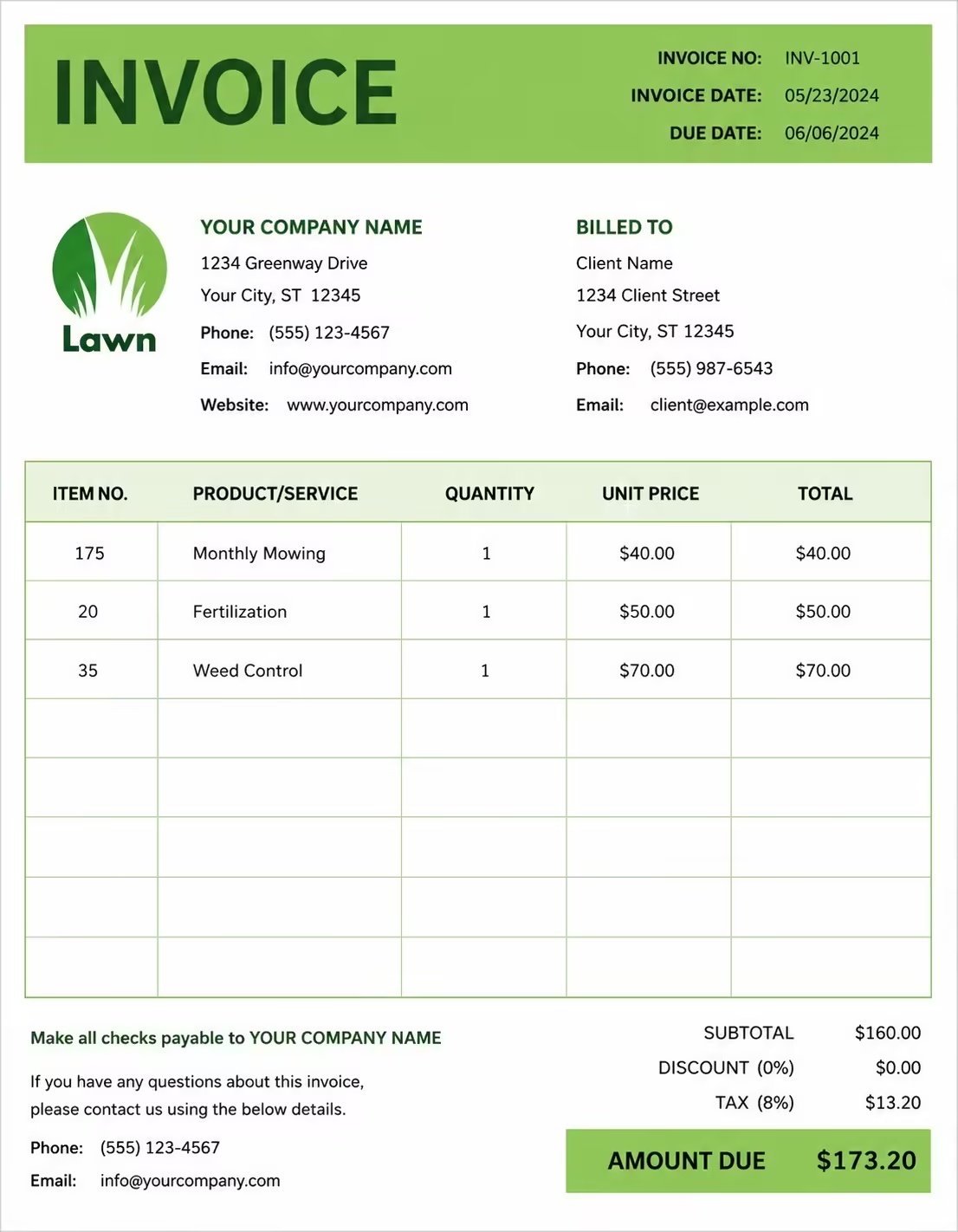
Free Catering Invoice Template
Free invoice templates for catering businesses, private caterers, wedding catering services, event food providers, corporate catering teams, mobile catering companies, and party meal services. Download and edit in PDF, Word, Excel, Google Docs, or Google Sheets.
Use this template to bill for food service, menu packages, guest count, staff labor, delivery, setup, cleanup, equipment rental, service charges, taxes, discounts, deposits, and payment terms in a clear and professional way.
Download the app and manage invoices anywhere


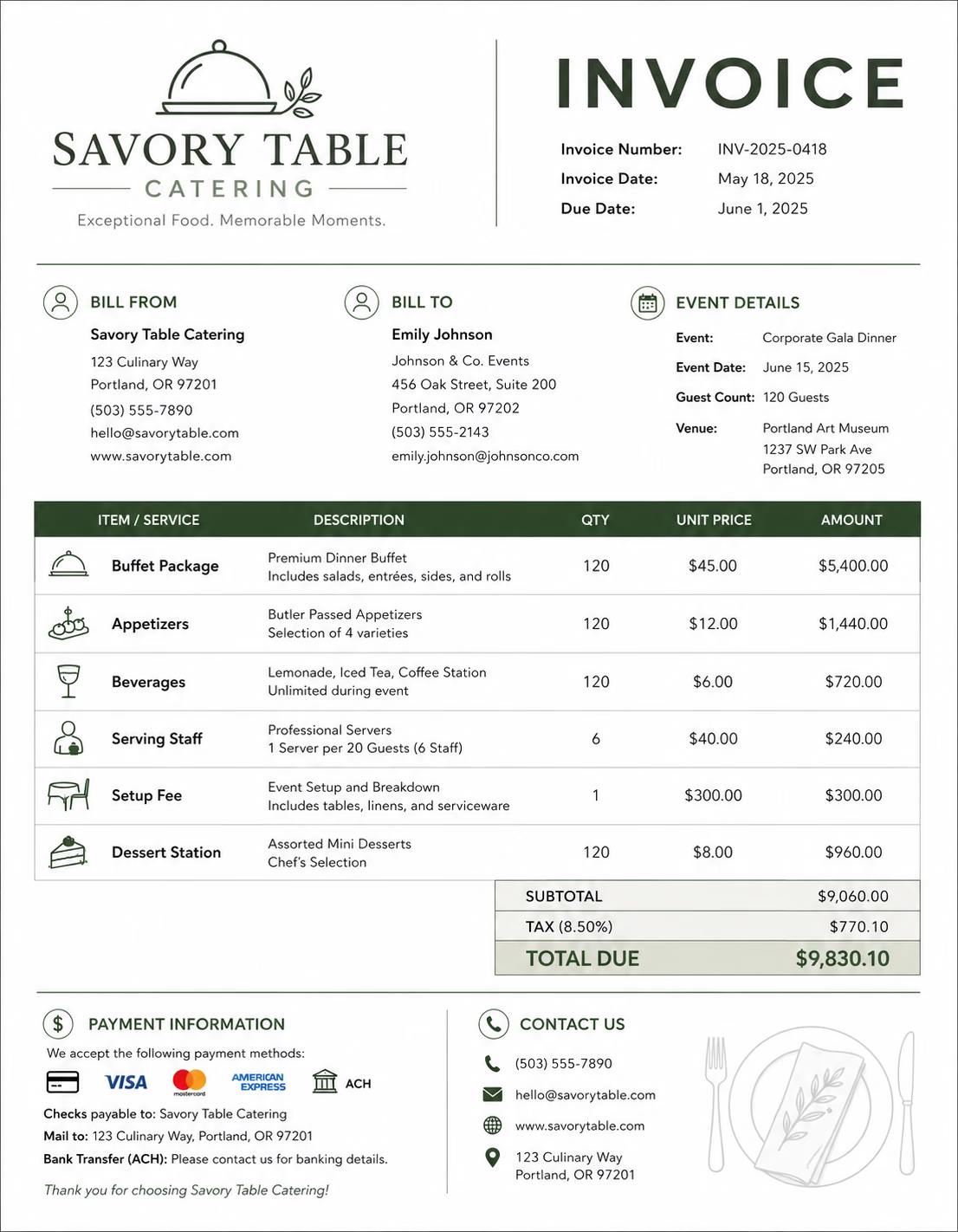
Download Free Catering Invoice Templates
Download a template, then edit it in PDF, Word, Excel, Google Docs, or Google Sheets. Print it, save it, or send it to your client when the catering service is complete.
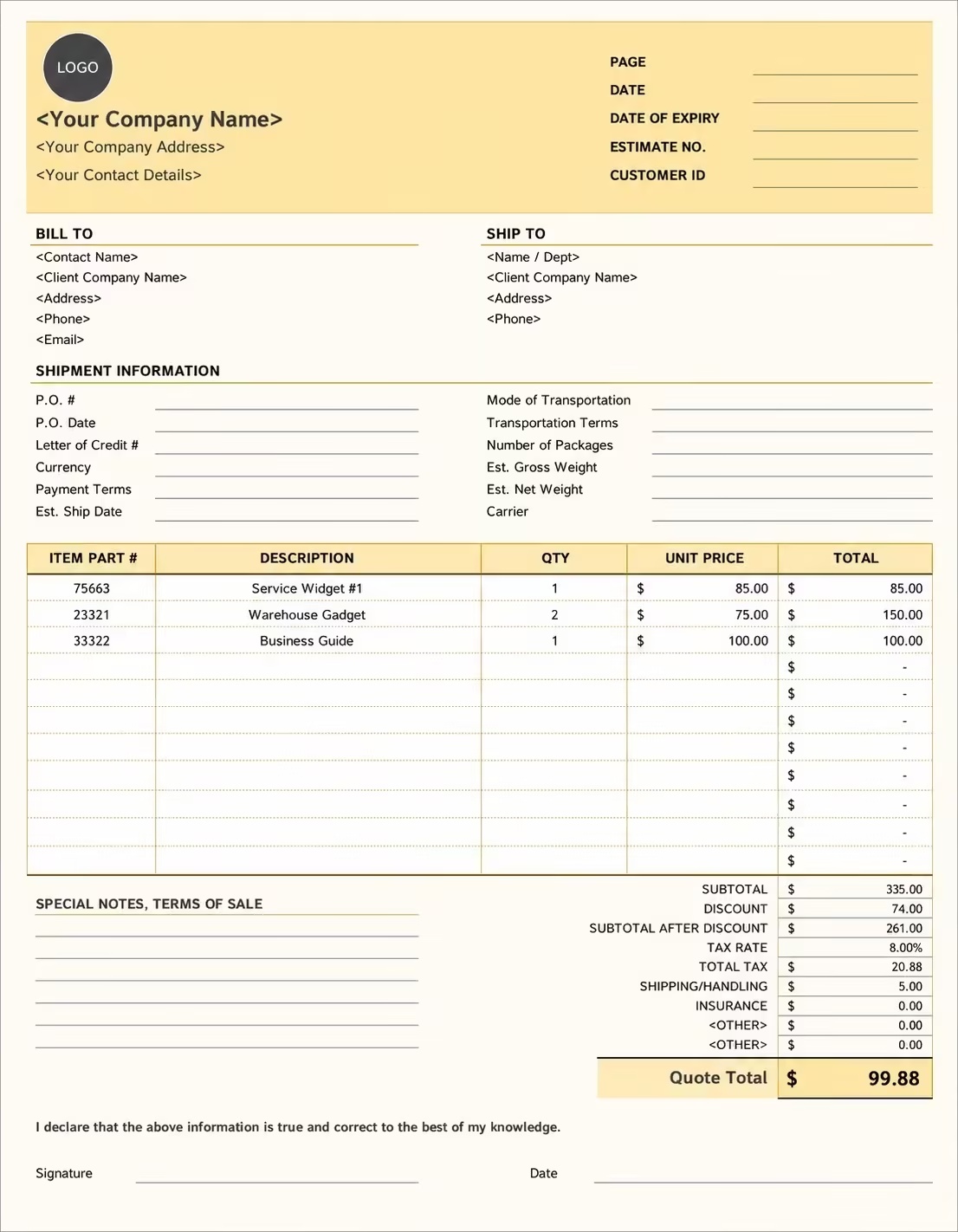
Editable Catering Invoice Template
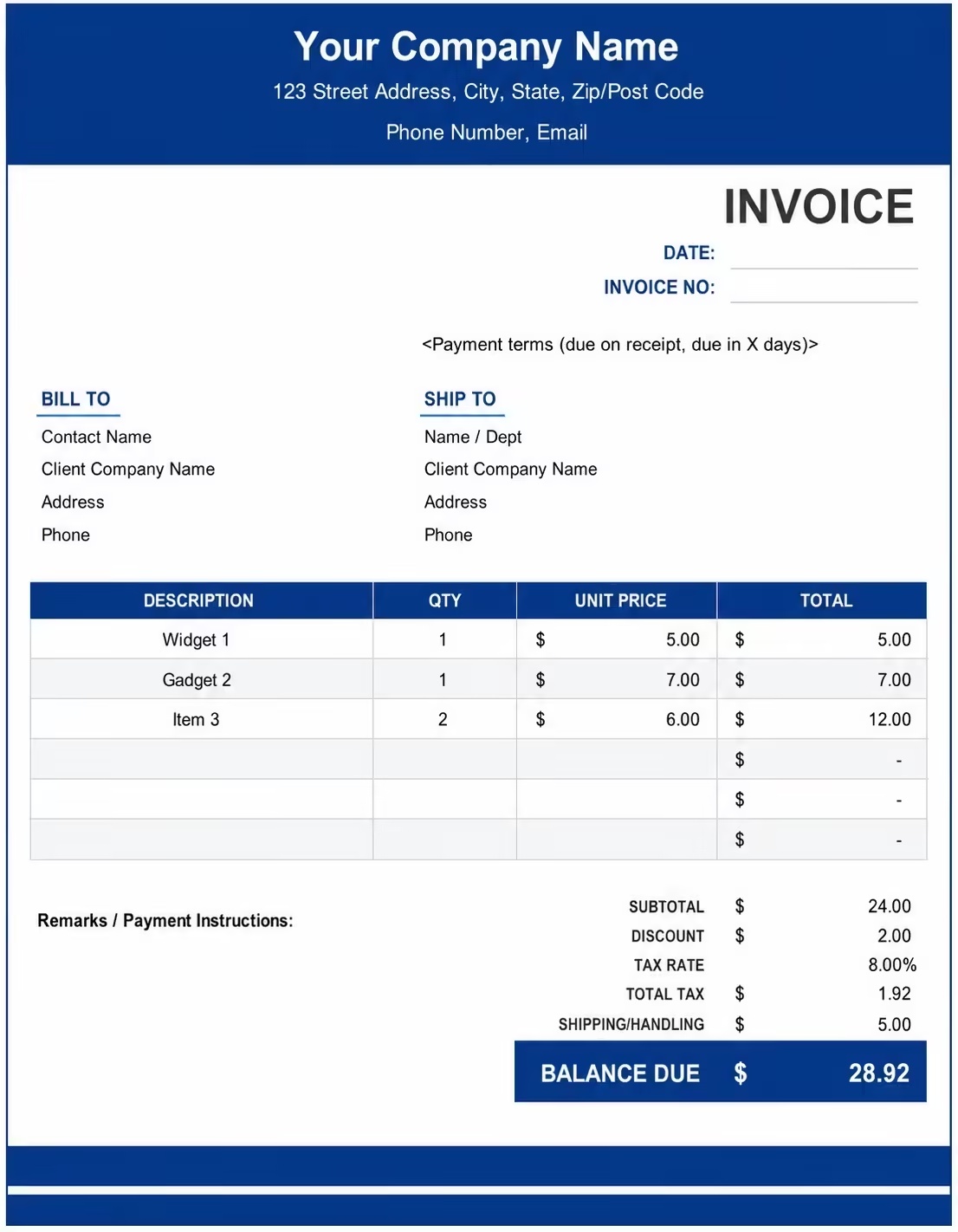
Printable Catering Invoice Template
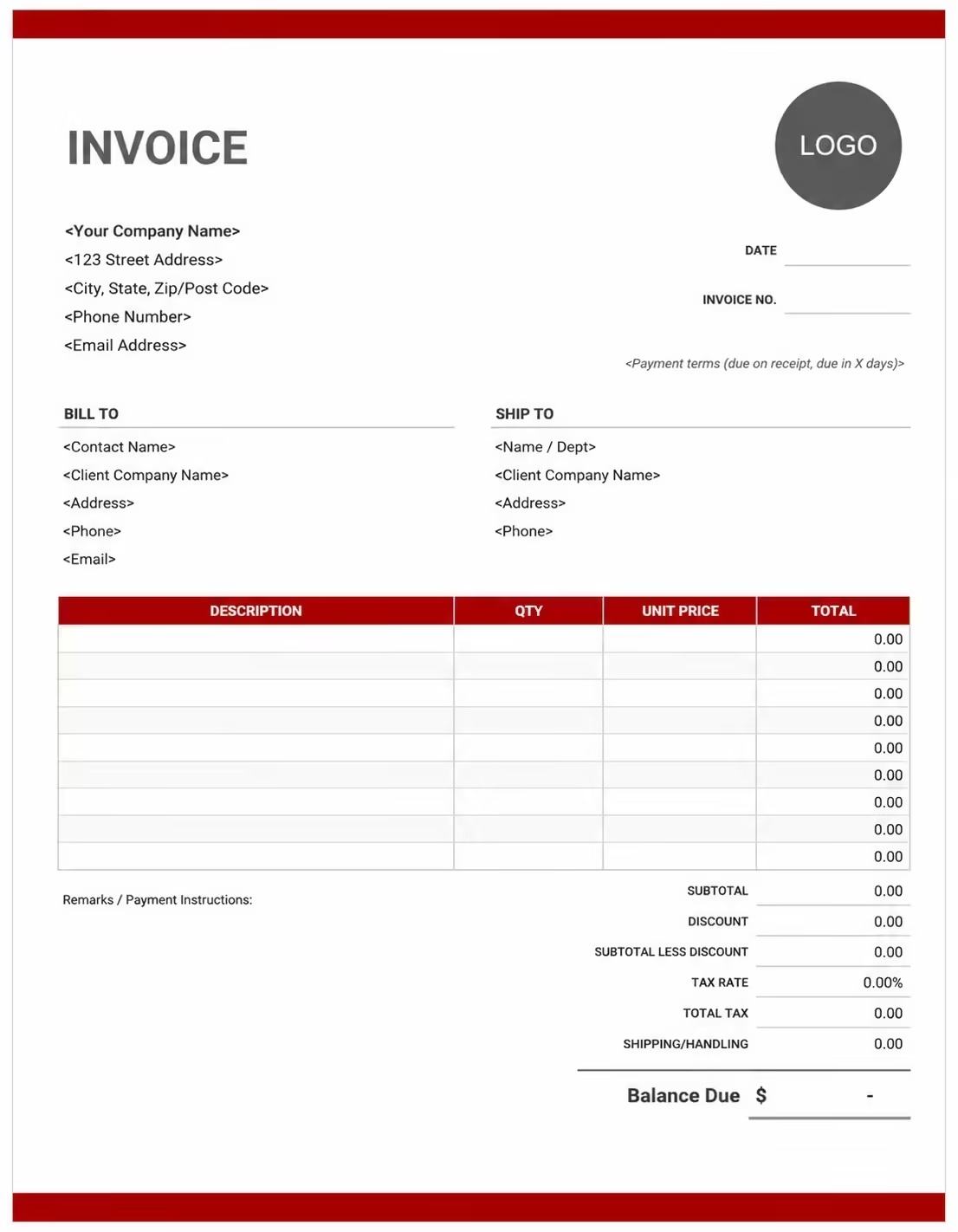
Free Catering Invoice Template
How to Invoice for Catering Work
A good catering invoice should clearly show the client details, event date, venue location, menu items, guest count, service charges, delivery fees, taxes, and payment terms.
Start Creating Invoices FreeIn 5 Steps:
- Confirm the client details, event date, venue address, guest count, menu package, service style, delivery needs, and agreed pricing before the event.
- Record completed catering work, food items served, staff hours, setup time, delivery details, equipment used, cleanup work, and any approved extra services.
- Track service costs such as food ingredients, drinks, serving staff, delivery, tableware, chafing dishes, linens, packaging, rentals, and cleanup fees.
- Calculate menu charges, per-person pricing, staff labor, delivery fees, service charges, taxes, discounts, deposits, and the final balance due.
- Send the invoice with payment options, due date, event notes, service details, deposit information, and any remaining balance instructions.
With Invoize, you can create catering invoices faster, save client details, reuse menu packages, add guest counts and service fees, and track payments from your phone.
What to Include in a Catering Invoice
A professional catering invoice should include the details needed to identify the client, event, catering service, menu items, charges, and payment terms.
Invoice and Event Details
- Invoice numberHelps track the invoice, payment record, and catering booking history.
- Client name and contact detailsShows who booked the catering service and who is responsible for payment.
- Catering business detailsShows which catering company, private caterer, or food service provider completed the work.
- Event name or booking referenceConnects the invoice to the correct wedding, party, meeting, corporate event, or private booking.
- Event date, time, and locationShows when and where the catering service was scheduled and completed.
Catering Service Details
- Guest countHelps explain per-person pricing, menu quantities, staff needs, and service charges.
- Service styleShows whether the service was buffet, plated meal, drop-off catering, boxed meals, or food stations.
- Menu package or food itemsLists the food, drinks, desserts, appetizers, sides, or meal packages included in the invoice.
- Service descriptionExplains the work completed, such as food preparation, delivery, setup, serving, refilling, or cleanup.
- Staff or labor detailsShows servers, chefs, assistants, setup staff, or cleanup staff included in the catering charge.
Payment and Final Notes
- Rate or package priceShows whether the charge was based on per-person pricing, hourly work, or a fixed catering package.
- Supplies and extra feesLists tableware, utensils, serving trays, rentals, delivery, setup, cleanup, travel, parking, or overtime fees.
- Discounts, deposits, or previous paymentsShows credits or amounts already paid before the final balance.
- Total amount dueShows the final amount the client needs to pay.
- Payment terms and event notesRecords the due date, payment methods, cancellation terms, deposit rules, guest count deadline, or balance instructions.
Billing Scenarios for Catering Businesses
Use clear invoice labels so clients understand the event package, guest count, menu items, staffing charges, delivery fees, and final amount due.
| Scenario | Invoice line items | Best used for | How to describe it |
|---|---|---|---|
| Wedding catering | Menu package, guest count, servers, setup, cleanup, rentals, service charge | Wedding receptions, rehearsal dinners, bridal events, and formal meal service. | Show the event date, guest count, menu package, staff included, and any rentals or service charges. |
| Corporate catering | Meal boxes, buffet service, drinks, delivery, setup, staff, tax | Office meetings, training sessions, conferences, business lunches, and company events. | List the company name, meal type, guest count, delivery details, and any setup or serving support. |
| Drop-off catering | Food items, delivery fee, packaging, disposable utensils, setup notes | Small parties, office meals, casual events, home gatherings, or self-service food orders. | Show the food delivered, quantities, delivery location, and any packaging or disposable supply fees. |
| Buffet catering | Buffet menu, serving trays, chafing dishes, staff, setup, cleanup | Large gatherings, receptions, birthday parties, community events, and casual event meals. | Describe the buffet menu, number of guests, equipment used, and setup or cleanup services. |
| Private party catering | Food package, appetizers, desserts, staff labor, travel, service fee | Birthdays, anniversaries, family events, holiday parties, and private celebrations. | Show the event type, menu items, guest count, service hours, and any added food or staff costs. |
| Custom menu catering | Menu planning, special dishes, dietary options, chef labor, ingredients, service fee | Events with custom meals, dietary needs, premium menus, themed food stations, or special requests. | List the custom menu items, special requests, added preparation work, and any premium ingredient charges. |
Start Creating Invoices Free
☝️ Create your first invoice in seconds.
Common Charges and Fees for Catering Businesses
Itemize catering charges clearly so clients can see menu packages, guest pricing, staffing, delivery, rentals, taxes, and deposits.
| Charge or service | Unit | When to use | How to show it |
|---|---|---|---|
| Menu package | Package or event | Use when the catering service has one fixed price for a selected menu or event package. | Show the package name, included items, guest count, and fixed amount clearly. |
| Per-person meal charge | Guest | Use when pricing is based on the number of guests served. | Show guest count multiplied by the per-person rate. |
| Food items | Tray, platter, item, or quantity | Use when billing for individual appetizers, main dishes, sides, desserts, drinks, or meal trays. | Show item name, quantity, unit price, and total cost. |
| Staff labor | Hour or staff member | Use when chefs, servers, assistants, or setup staff are billed separately. | Show number of staff, hours worked, hourly rate, and total labor charge. |
| Delivery fee | Fee | Use when food, supplies, or equipment are delivered to the event location. | Show delivery separately from menu or food charges. |
| Setup fee | Service or time | Use when setting up buffet tables, food stations, serving equipment, or display areas. | List setup separately when it is not included in the catering package. |
| Cleanup fee | Service or time | Use when clearing food stations, packing supplies, removing trash, or cleaning service areas after the event. | Show cleanup as a separate line item when charged. |
| Rental or equipment fee | Item or package | Use when providing chafing dishes, serving trays, beverage dispensers, linens, tables, or other rental items. | List rental items, quantities, and rental fees clearly. |
| Disposable supplies | Item or package | Use when charging for plates, cups, cutlery, napkins, containers, labels, or packaging. | Show disposable supplies separately if they are not included in the menu package. |
| Service charge or gratuity | Percentage or amount | Use when a service charge or gratuity is included for event staff or catering service. | Show service charge separately so the client can see whether it is included. |
| Tax | Percentage or amount | Use when tax applies to catering services, food items, rentals, supplies, or service fees based on local rules. | Show tax before the final total so the client can see how the balance was calculated. |
| Deposit or previous payment | Credit | Use when the client paid before or during the catering booking. | Subtract it from the invoice total and show the remaining balance due. |
Common Catering Invoicing Mistakes
Catering work can include menu packages, guest counts, staffing, delivery, setup, rentals, taxes, deposits, and event terms. Missing details can confuse clients or delay payment. Avoid these common mistakes.
| Mistake | Why it causes problems | How to fix it |
|---|---|---|
| Not listing the event date and location | The client may not know which catering booking the invoice belongs to. | Add the event date, service time, and venue address to every catering invoice. |
| Not showing the guest count | The client may not understand how per-person pricing or food quantities were calculated. | Add the final guest count, per-person rate, and total meal charge when pricing is guest-based. |
| Combining all charges in one line | The total may look unclear because the client cannot see menu cost, staff labor, rentals, delivery, and taxes separately. | Separate menu items, guest charges, staff, delivery, setup, rentals, service charge, and taxes into clear line items. |
| Not describing the menu clearly | The client may not understand what food, drinks, desserts, or meal package was included. | Add menu package names, food items, quantities, or included services when useful. |
| Forgetting staff or service hours | Labor charges may be questioned if the number of servers or hours worked is missing. | Show staff count, service hours, hourly rate, and total labor charge when staff is billed separately. |
| Leaving out delivery, setup, or cleanup fees | The client may be surprised by extra event service charges if they are not shown clearly. | Add delivery, setup, cleanup, travel, parking, or venue access fees as separate line items. |
| Not recording rentals or supplies | Charges for serving trays, chafing dishes, linens, plates, or packaging may look unexplained. | List rental items and disposable supplies separately when they are billed to the client. |
| Forgetting deposits or booking payments | The final balance may look higher than expected. | Show deposits, advance payments, partial payments, or credits before the balance due. |
| Leaving out service terms | The client may not understand cancellation rules, guest count deadlines, overtime, or final payment dates. | Add short notes for deposits, cancellations, guest count changes, overtime, and remaining balance terms. |
| Not keeping invoice records | Tracking bookings, payments, menus, guest counts, deposits, and client history becomes harder. | Keep a copy of every catering invoice for your business records. |
More Invoice Templates You May Like
Explore closely related invoice templates for catering work, similar services, and nearby billing scenarios before choosing the best format for your customer.
Questions
Frequently Asked Questions
How should I show catering charges on an invoice?
List the catering service by menu package, guest count, or per-person rate instead of using one general total. Example: “Buffet catering: 80 guests × $22/person = $1,760.” This helps the client understand how the food service cost was calculated.
What event details should be included on a catering invoice?
Include the event date, venue, service time, guest count, menu type, and client name. Example: “Corporate lunch catering, 60 guests, service time: 12 PM to 2 PM.” This connects the invoice to the exact event and avoids confusion.
Should menu items be listed separately?
Yes, especially for custom catering orders. List appetisers, main dishes, desserts, drinks, and add-ons clearly. Example: “Grilled chicken entrée: 80 servings,” “Garden salad: 80 servings,” and “Dessert platter: 6 trays.” This makes the invoice easier for the client to review.
How do I invoice for catering staff?
Show the number of staff members, hours worked, and hourly rate. Example: “2 servers × 4 hours × $35/hr = $280” or “On-site chef service: 3 hours × $60/hr = $180.” This keeps staffing separate from food costs.
Can I include delivery, setup, and cleanup fees?
Yes. Add delivery, table setup, buffet setup, and cleanup as separate line items if they are not included in the catering package. Example: “Food delivery fee: $45,” “Buffet setup: $85,” and “Post-event cleanup: $100.”
How should I bill for rentals or catering equipment?
List rental items separately, such as chafing dishes, serving trays, plates, cutlery, glassware, linens, tables, or beverage dispensers. Example: “Chafing dish rental: 6 units × $15 = $90” or “Disposable plates and cutlery: 100 sets: $55.”
How do I show deposits or booking retainers?
Show the full catering total, deposit paid, and remaining balance. Example: “Event catering total: $2,400,” “Deposit received: $600,” and “Balance due before event date: $1,800.” This helps both sides track the booking payment clearly.
What payment terms should a catering invoice include?
Include the due date, accepted payment methods, deposit terms, cancellation policy, and guest count deadline. Example: “Final payment due 7 days before the event. Final guest count must be confirmed 5 days before service. Menu changes may require an updated invoice.”