
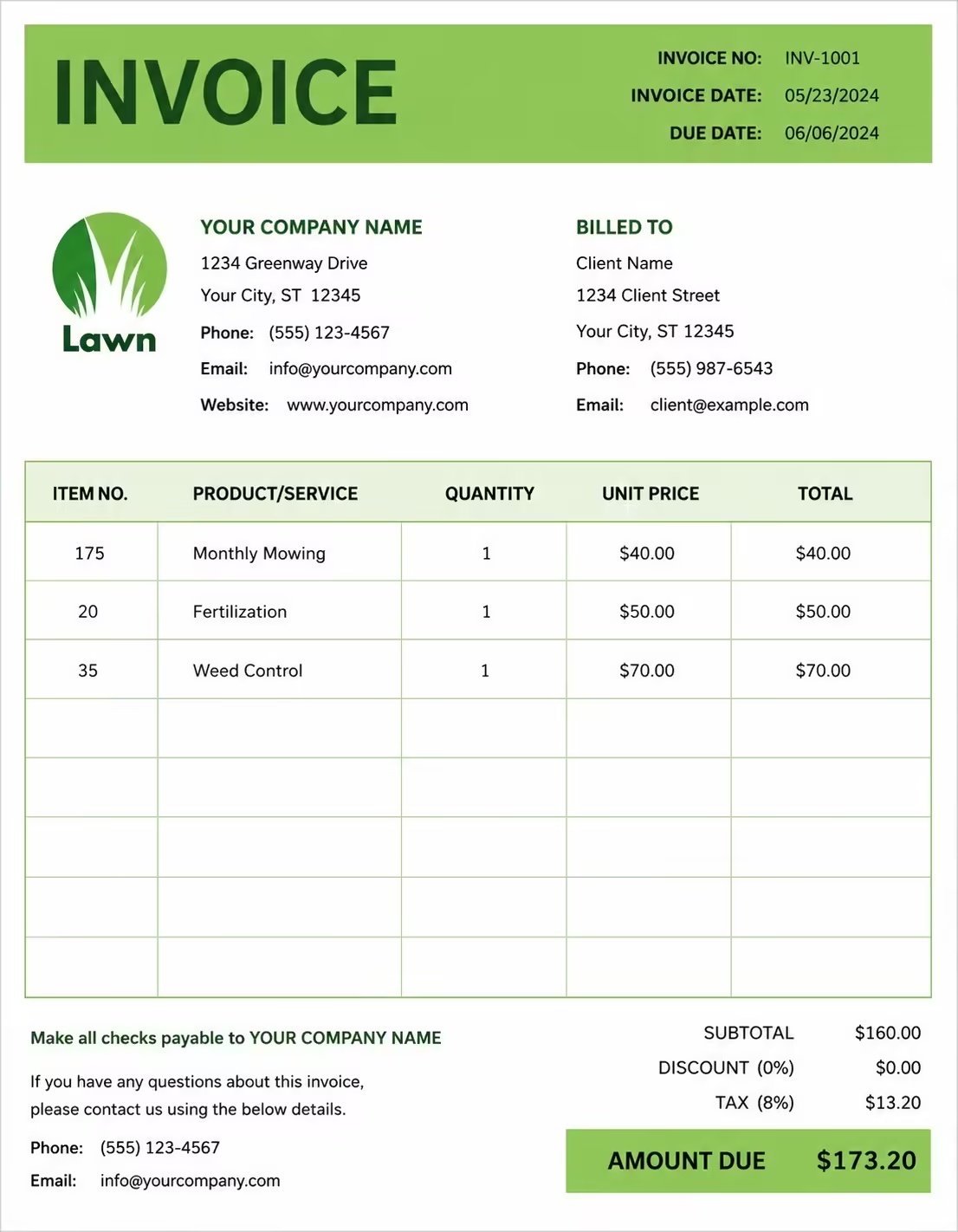
Free Solicitor Invoice Template
Free invoice templates for solicitors, law firms, legal consultants, legal advisors, conveyancing solicitors, family law solicitors, immigration solicitors, and professional legal service providers. Download and edit in PDF, Word, Excel, Google Docs, or Google Sheets.
Use this template to bill for legal consultations, case work, document preparation, conveyancing, court preparation, legal advice, correspondence, filing fees, disbursements, taxes, deposits, and payment terms in a clear and professional way.
Download the app and manage invoices anywhere


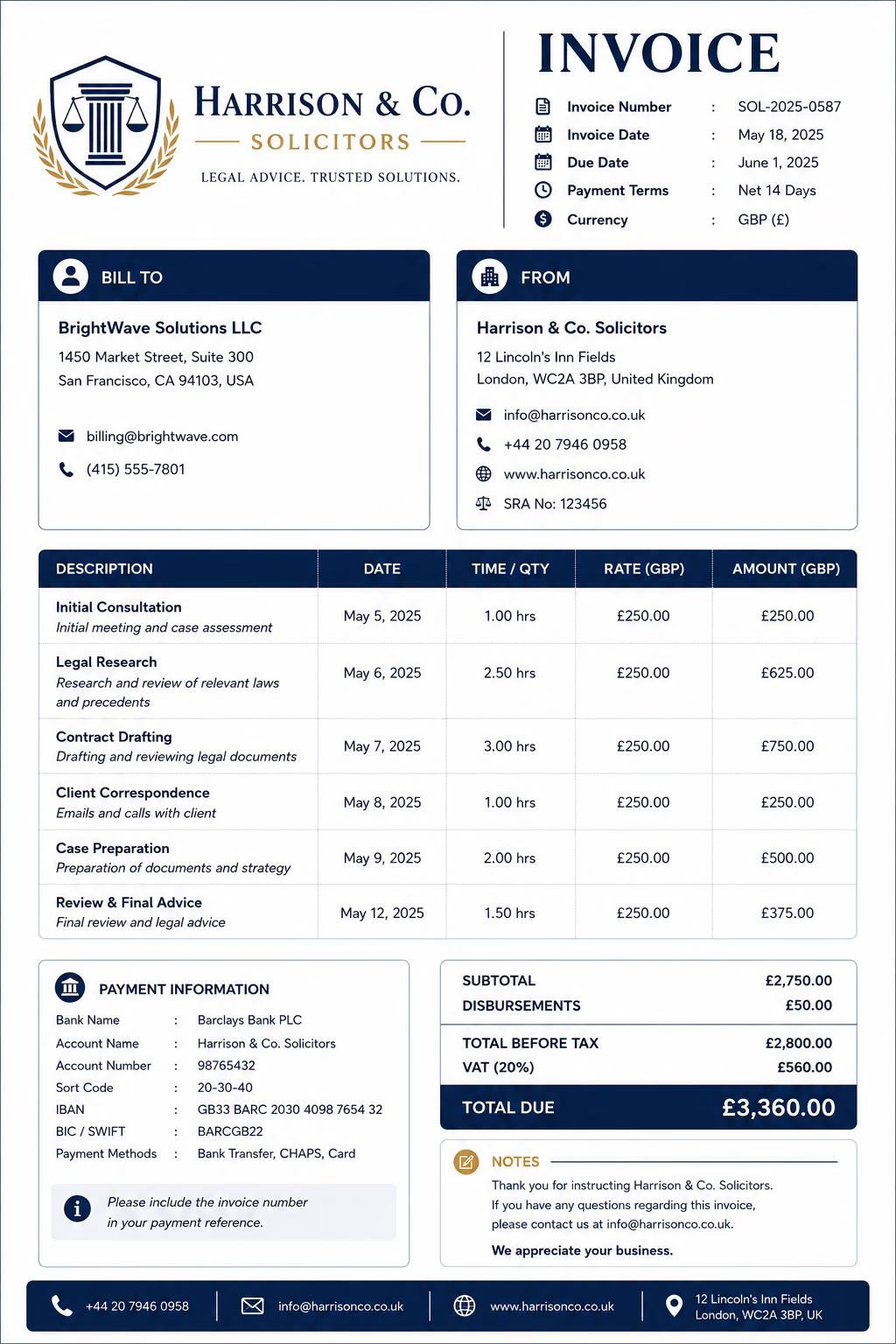
Download Free Solicitor Invoice Templates
Download a template, then edit it in PDF, Word, Excel, Google Docs, or Google Sheets. Print it, save it, or send it to your client when the legal service is complete or when a billing period ends.
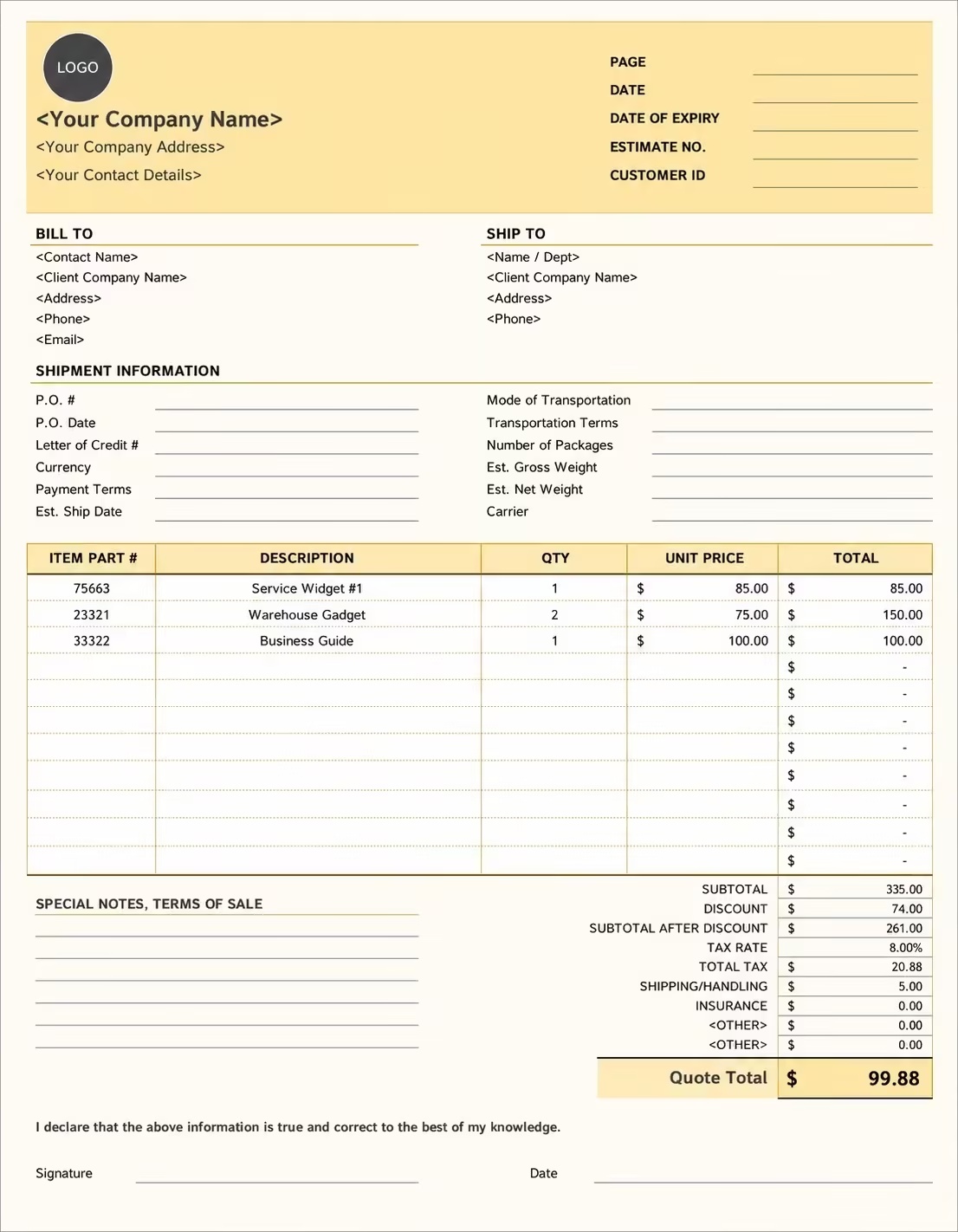
Editable Solicitor Invoice Template
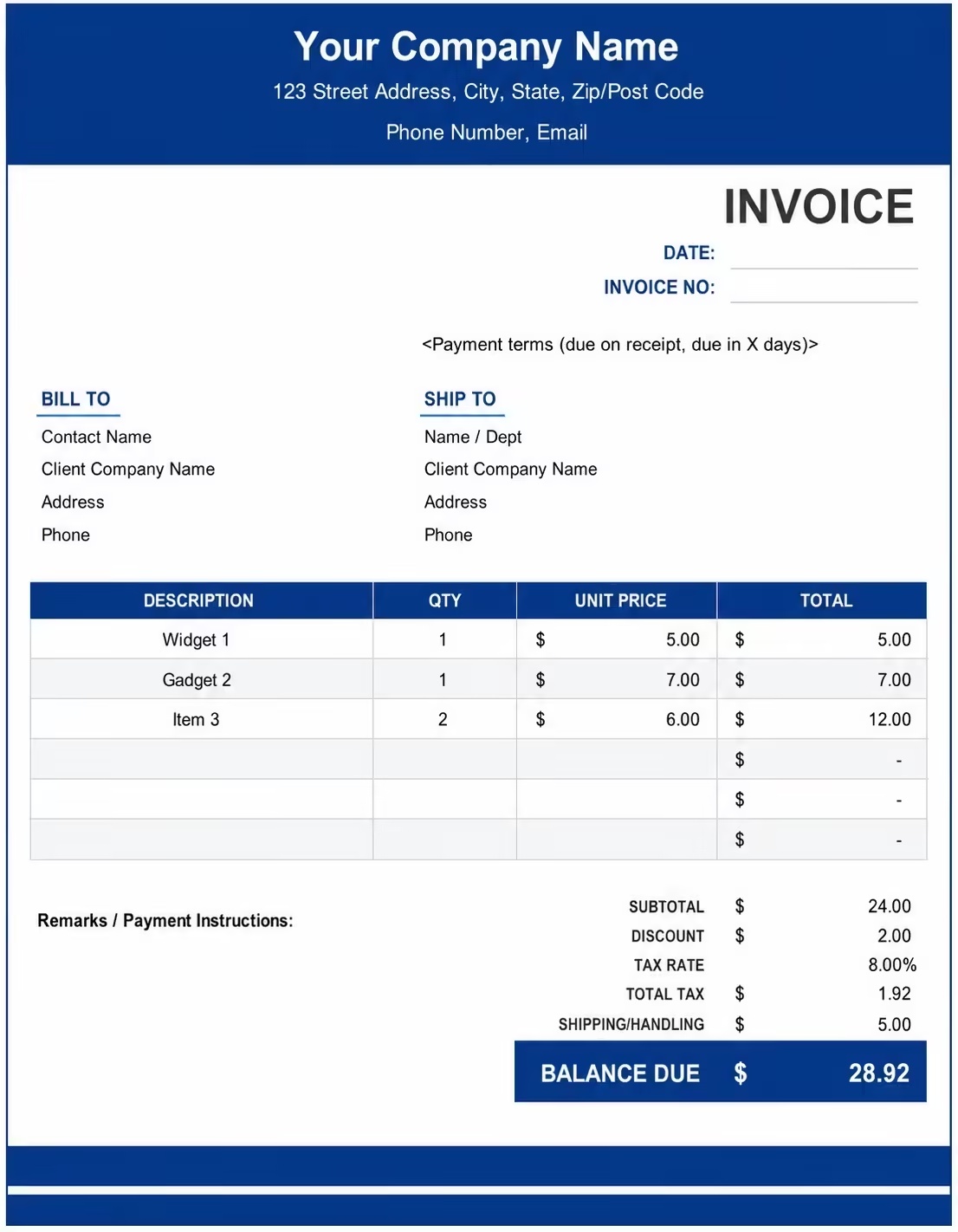
Printable Solicitor Invoice Template
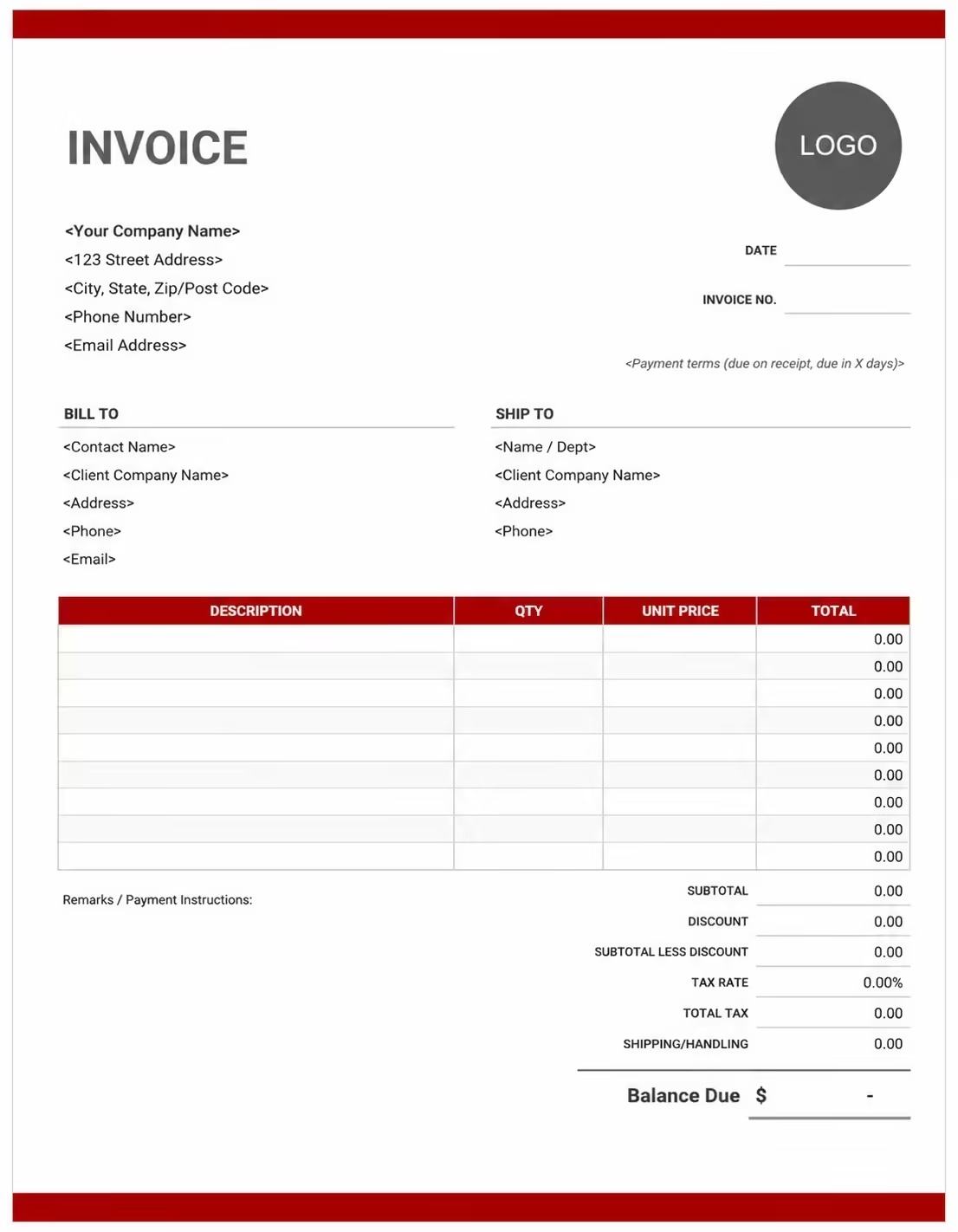
Free Solicitor Invoice Template
Use these templates for solicitors, law firms, legal advisors, conveyancing firms, family law offices, immigration lawyers, contract review services, and professional legal practices.
How to Invoice for Solicitor Services
A good solicitor invoice should clearly show the client details, matter reference, legal service provided, time spent, solicitor rate, disbursements, filing fees, deposits, taxes, and payment terms.
Download Free TemplateIn 5 Steps:
- Confirm the client details, legal matter, case reference, service scope, hourly rate or fixed fee, disbursements, and payment terms before starting the work.
- Record completed solicitor work, consultations, document drafting, case reviews, legal research, correspondence, phone calls, meetings, filings, and any approved extra services.
- Track legal costs such as court fees, filing fees, search fees, courier costs, document copies, travel, expert fees, and other approved disbursements.
- Calculate solicitor fees, hourly charges, fixed legal service fees, disbursements, taxes if applicable, deposits, credits, and the final balance due.
- Send the invoice with payment options, due date, matter details, service notes, cost breakdown, and any remaining balance instructions.
With Invoize, you can create solicitor invoices faster, save client details, reuse common legal service items, add matter references and disbursements, and track payments from your phone.
What to Include in a Solicitor Invoice
A professional solicitor invoice should include the details needed to identify the client, legal matter, solicitor work, charges, disbursements, and payment terms.
Invoice and Matter Details
- Invoice numberHelps track the invoice, payment record, and legal billing history.
- Client name, company name, contact details, or billing addressShows who received the solicitor service and who is responsible for payment.
- Solicitor, law firm, legal practice, or business detailsShows which solicitor, legal advisor, legal practice, or firm completed the work.
- Matter reference, case number, file number, or client referenceConnects the invoice to the correct legal matter, case, file, project, or client account.
- Service date, billing period, consultation date, or case stageShows when the legal work was completed or which billing period, consultation date, or case stage the invoice covers.
Solicitor Service Details
- Legal service areaShows whether the work was conveyancing, family law, immigration, business law, contract review, litigation, or general legal advice.
- Legal service typeShows consultation, document drafting, legal research, case preparation, correspondence, filing, representation, or legal support.
- Service descriptionExplains reviewing documents, preparing letters, drafting agreements, attending meetings, advising the client, or solicitor work completed.
- Time spent, billable hours, appointment length, or fixed service detailsShows how time-based or fixed-fee solicitor charges were calculated.
- Hourly rate, fixed fee, consultation fee, retainer fee, or agreed legal feeShows the agreed pricing method for the solicitor service and helps the client understand what legal work is included.
Payment and Final Notes
- Work completed, documents, meetings, or filing detailsRecords documents prepared, meetings attended, filing details, correspondence, case updates, or legal work included in the invoice.
- Disbursements and expensesLists court fees, filing fees, search fees, registration fees, courier fees, copies, postage, travel, expert fees, barrister fees, certification fees, translation fees, or admin costs.
- Discounts, deposits, retainers, or advance paymentsShows credits, retainers, advance payments, deposits, discounts, or amounts already paid before the final balance.
- Subtotal, tax, disbursements, and total amount dueShows the final amount the client needs to pay.
- Legal billing notes or payment termsRecords the due date, payment methods, retainer terms, late fees, cost agreement notes, disbursement terms, or balance instructions.
Billing Scenarios for Solicitors
Use clear invoice labels so clients understand the type of legal service, solicitor fee, billable time, disbursements, retainer credit, and final amount due.
| Scenario | Invoice line items | Best used for | How to describe it |
|---|---|---|---|
| Legal consultation | Consultation fee, appointment time, legal advice, follow-up notes | Initial client meetings, legal advice sessions, case reviews, and one-time solicitor consultations. | Show the consultation date, matter type, session length, solicitor rate, and total consultation fee clearly. |
| Document drafting or review | Document review, contract drafting, legal edits, correspondence, final document | Contracts, agreements, letters, notices, legal forms, settlement documents, and business documents. | List the document name, work completed, revision details, fixed fee or hours worked, and final charge. |
| Conveyancing service | Property matter, searches, document preparation, registration fees, solicitor fee | Property purchases, property sales, transfers, lease matters, and conveyancing files. | Show the property address, matter reference, legal fee, searches, registration fees, and balance due. |
| Family law matter | Legal advice, case preparation, correspondence, document filing, court fee | Divorce matters, child arrangements, financial agreements, family applications, and mediation support. | Show the matter reference, service dates, legal work completed, filing costs, and payment amount. |
| Immigration legal service | Application review, document preparation, form support, filing fee, legal advice | Visa applications, immigration advice, sponsor support, appeals, and document checking services. | Show the application type, client reference, documents prepared, government fees if included, and solicitor fee. |
| Ongoing legal matter billing | Monthly legal work, billable hours, correspondence, disbursements, retainer credit | Clients with active legal cases, ongoing advisory work, business legal support, or monthly legal retainers. | Show the billing period, work completed, time entries, disbursements, previous payments, and remaining balance. |
Create Invoice Now
☝️ Create a professional invoice in seconds.
Common Charges and Fees for Solicitor Services
Itemize solicitor charges clearly so clients can see legal fees, billable hours, fixed fees, disbursements, filing costs, taxes, and any extra costs.
| Charge or service | Unit | When to use | How to show it |
|---|---|---|---|
| Solicitor consultation fee | Session or appointment | Use when charging for legal advice, case review, client meeting, or first consultation. | Show the consultation date, matter type, session length, and consultation fee clearly. |
| Hourly solicitor fee | Hour | Use when billing by time for legal research, drafting, calls, meetings, correspondence, or case preparation. | Show hours worked multiplied by the hourly rate with a short legal service description. |
| Fixed legal service fee | Service, matter, or project | Use when a specific legal service is billed at a fixed agreed price. | Show the service name, matter reference, included work, and fixed fee clearly. |
| Document drafting fee | Document, hour, or project | Use when preparing contracts, agreements, legal letters, notices, forms, or other legal documents. | Show the document name, work completed, and drafting fee. |
| Document review fee | Document, page, hour, or project | Use when reviewing contracts, legal paperwork, agreements, evidence, or case documents. | Show the document reviewed, review scope, hours or fixed fee, and total charge. |
| Correspondence or communication fee | Email, letter, call, hour, or service | Use when billing for client calls, emails, legal letters, communication with third parties, or case updates. | Show the communication type, date range, time spent, and charge when useful. |
| Court, filing, or application fee | Fee, application, or filing | Use when court fees, government filing fees, application fees, or registry fees are paid for the client. | Show each filing or application fee separately from solicitor service fees. |
| Search or registration fee | Search, certificate, registration, or document | Use when property searches, company searches, certificates, registrations, or official records are billed. | List search or registration fees separately as disbursements when needed. |
| Travel, courier, or admin expense | Trip, delivery, copy, page, or fee | Use when travel, courier delivery, photocopying, postage, printing, or admin expenses are approved by the client. | Show the expense type, date if useful, and amount separately. |
| Barrister, expert, or third-party fee | Fee, report, session, or service | Use when a barrister, expert witness, translator, mediator, or third-party legal provider is involved. | Show the third-party service and cost separately from the solicitor’s own fee. |
| Tax | Percentage or amount | Use when tax applies to solicitor services, admin costs, legal work, or other taxable fees based on local rules. | Show tax before the final total so the client can see how the balance was calculated. |
| Retainer, deposit, or previous payment | Credit | Use when the client paid a retainer, deposit, advance payment, or previous amount toward the legal matter. | Subtract it from the invoice total and show the remaining balance due. |
Common Solicitor Invoicing Mistakes
Solicitor billing can include matter references, billable hours, fixed fees, disbursements, court fees, retainers, tax, and payment terms. Missing details can confuse clients or delay payment. Avoid these common mistakes.
| Mistake | Why it causes problems | How to fix it |
|---|---|---|
| Not listing the matter reference | The client may not know which legal matter, case file, consultation, document review, or billing period the invoice covers. | Add the matter reference, case number, file number, client reference, service date, or billing period clearly. |
| Not describing the legal service clearly | The client may not understand whether the charge is for advice, drafting, correspondence, research, filing, or representation. | Add a simple service description for each solicitor task, document, meeting, time entry, or legal matter item. |
| Combining all charges in one line | The total may look unclear because the client cannot see legal fees, disbursements, court fees, deposits, and taxes separately. | Separate solicitor fees, time charges, fixed fees, disbursements, third-party costs, deposits, and taxes into clear line items. |
| Not showing time spent or pricing method | The client may question the charge if billable hours, hourly rate, fixed fee, or agreed fee is not visible. | Show billable hours, hourly rate, fixed fee, consultation fee, retainer amount, or agreed project fee clearly. |
| Forgetting disbursements or filing fees | Court fees, search fees, courier fees, certificates, or third-party costs may look unexpected if not listed. | Add disbursements, filing fees, searches, registrations, postage, courier costs, and third-party fees as separate line items. |
| Not recording correspondence or meetings | Calls, emails, letters, meetings, and case updates may be hard to verify if they are not itemized. | Show communication dates, meeting notes, time spent, or service descriptions when billing for these tasks. |
| Forgetting retainer or previous payment credits | The final balance may look higher than expected. | Show retainers, deposits, advance payments, partial payments, discounts, or credits before the balance due. |
| Leaving out payment terms | The client may not know when payment is due, how to pay, or how late payment is handled. | Add payment due date, payment methods, late fee terms, account details, and balance instructions. |
| Using unclear legal cost labels | Generic labels can make the invoice hard to understand and may create client questions about the work billed. | Use clear labels such as consultation, document drafting, legal research, correspondence, court fee, search fee, or filing fee. |
| Not keeping invoice records | Tracking legal matters, payments, disbursements, time entries, retainers, and client history becomes harder. | Keep a copy of every solicitor invoice for your legal practice records. |
More Invoice Templates You May Like
Explore closely related invoice templates for solicitor work, similar services, and nearby billing scenarios before choosing the best format for your customer.
Questions
Frequently Asked Questions
How should I show solicitor fees on an invoice?
List each legal service with the date, task, time spent, rate, and total amount. Example: “Legal consultation: 1 hour × $180/hr = $180” or “Contract review: 2 hours × $200/hr = $400.” This helps the client understand how the solicitor fee was calculated.
What client and case details should be included?
Include the client name, matter or case reference, service date, billing period, solicitor name, invoice number, and payment due date. Example: “Matter: Property purchase review, Client: Sarah Miller, Billing period: June 1–June 15.” This connects the invoice to the correct legal matter.
How do I invoice for document drafting or review?
List the document type and the work completed. Example: “Draft tenancy agreement: $300” or “Review employment contract and provide written notes: 1.5 hours × $190/hr = $285.” This keeps document work clear for the client.
Should legal research be listed separately?
Yes. If research is billable, show it as its own line item with the topic and time spent. Example: “Legal research for property dispute: 2 hours × $175/hr = $350.” This helps the client see work completed outside meetings or document drafting.
Can I include court filing fees or third-party expenses?
Yes. Court fees, search fees, notary charges, postage, courier costs, certified copies, and process server fees should be listed separately from solicitor fees. Example: “Court filing fee: $185” or “Land registry search fee: $40.”
How should I show retainers or advance payments?
Show the retainer received, amount applied to current work, and remaining balance. Example: “Retainer received: $1,500,” “Solicitor fees applied from retainer: $600,” and “Retainer balance remaining: $900.” This keeps prepaid legal billing clear.
How do I invoice for emails, calls, or client correspondence?
List billable communication with the time spent and rate. Example: “Client email review and response: 0.3 hours × $180/hr = $54” or “Phone call with opposing party: 0.5 hours × $180/hr = $90.” This shows how communication time was billed.
What payment terms should a solicitor invoice include?
Include the due date, accepted payment methods, retainer terms, late payment policy, and expense rules. Example: “Payment due within 14 days. Disbursements and third-party fees may be billed separately. Work may pause if invoices remain unpaid.”