
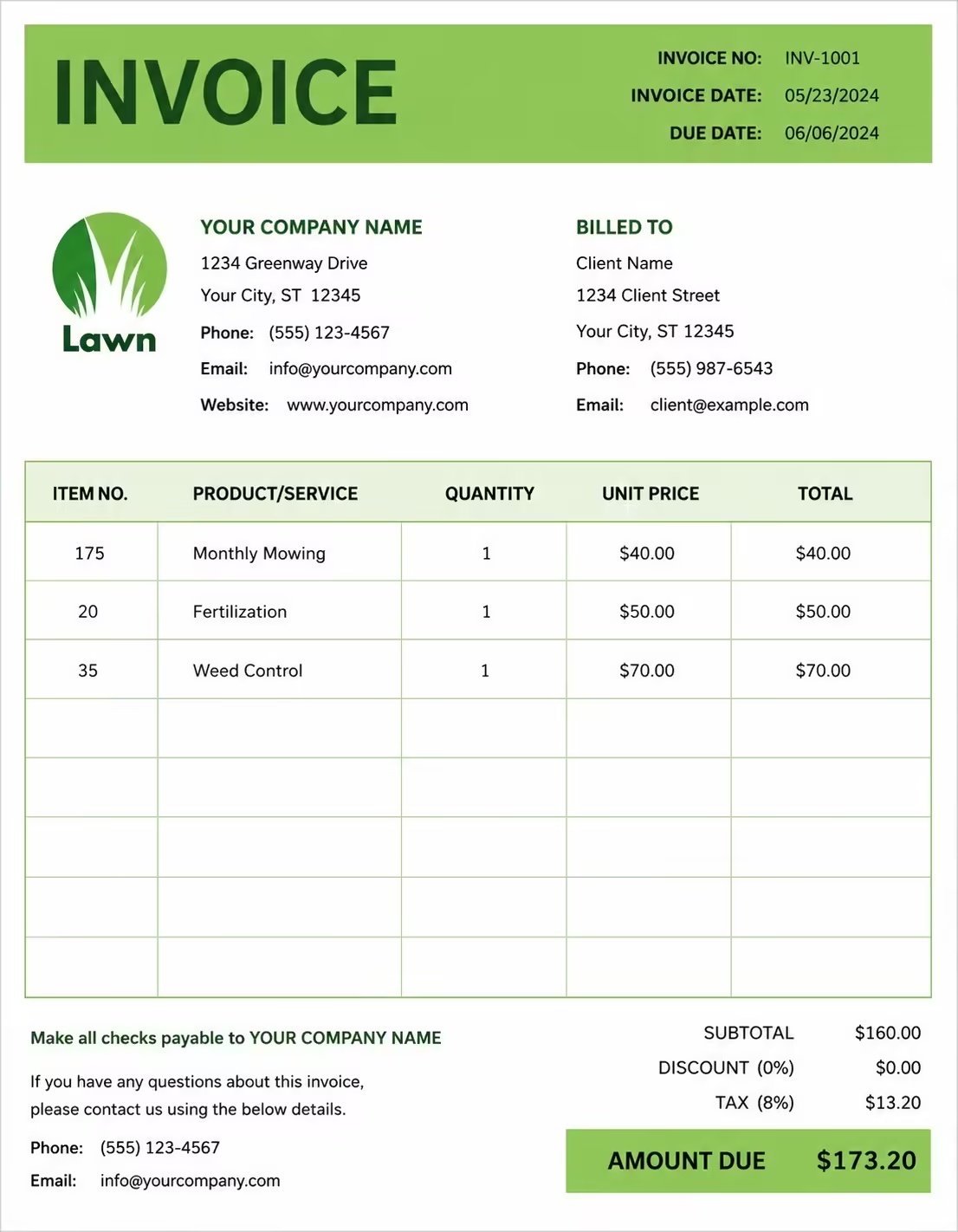
Free Supermarket Invoice Template
Free invoice templates for supermarkets, grocery stores, retail shops, food markets, convenience stores, wholesalers, cash-and-carry stores, and retail supply businesses. Download and edit in PDF, Word, Excel, Google Docs, or Google Sheets.
Use this template to bill for grocery items, supermarket purchases, bulk orders, food products, household goods, delivery charges, discounts, taxes, deposits, and payment terms in a clear and professional way.
Download the app and manage invoices anywhere


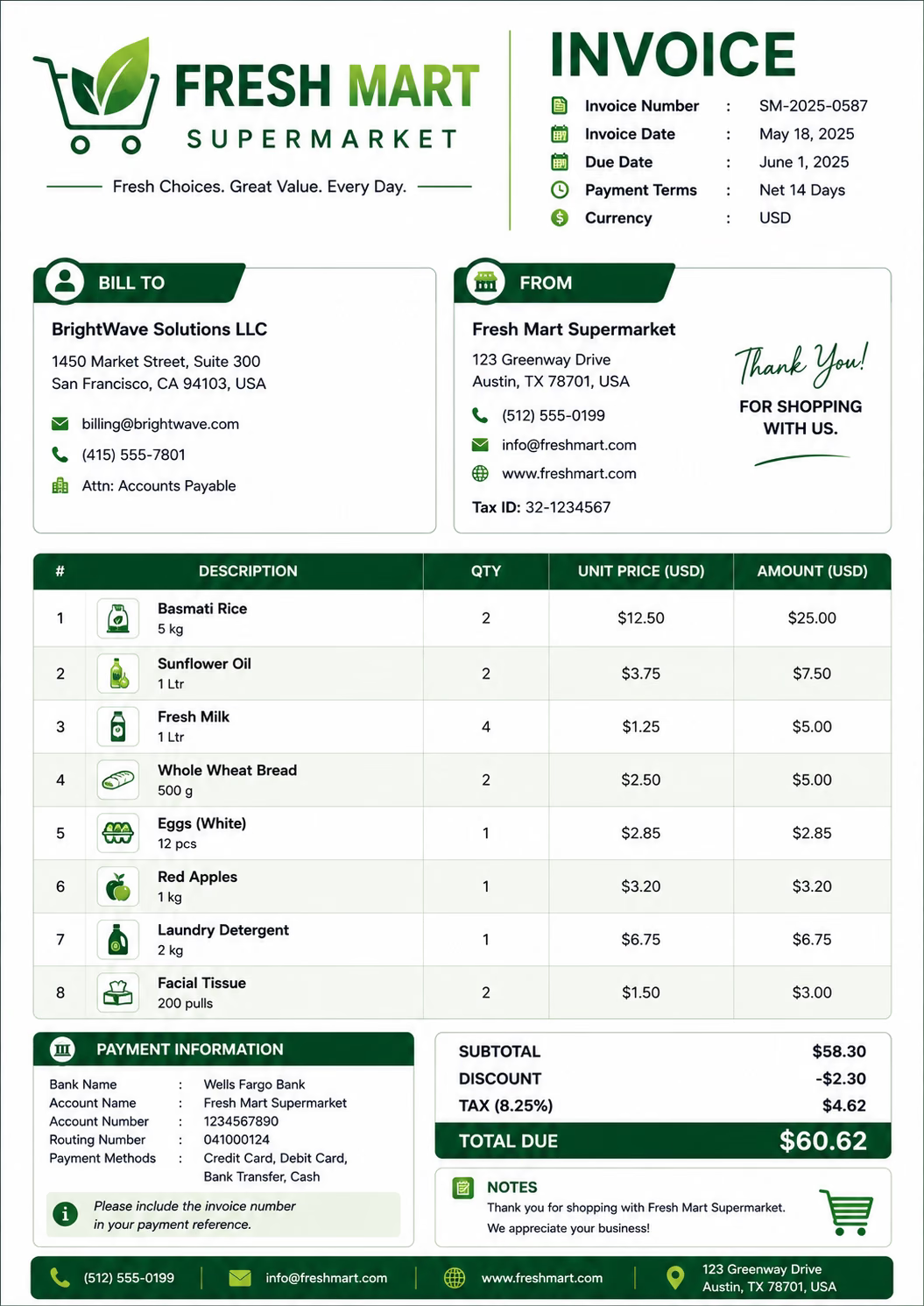
Download Free Supermarket Invoice Templates
Download a template, then edit it in PDF, Word, Excel, Google Docs, or Google Sheets. Print it, save it, or send it to your customer, buyer, business, organization, restaurant, school, or company when the supermarket order is complete or delivered.
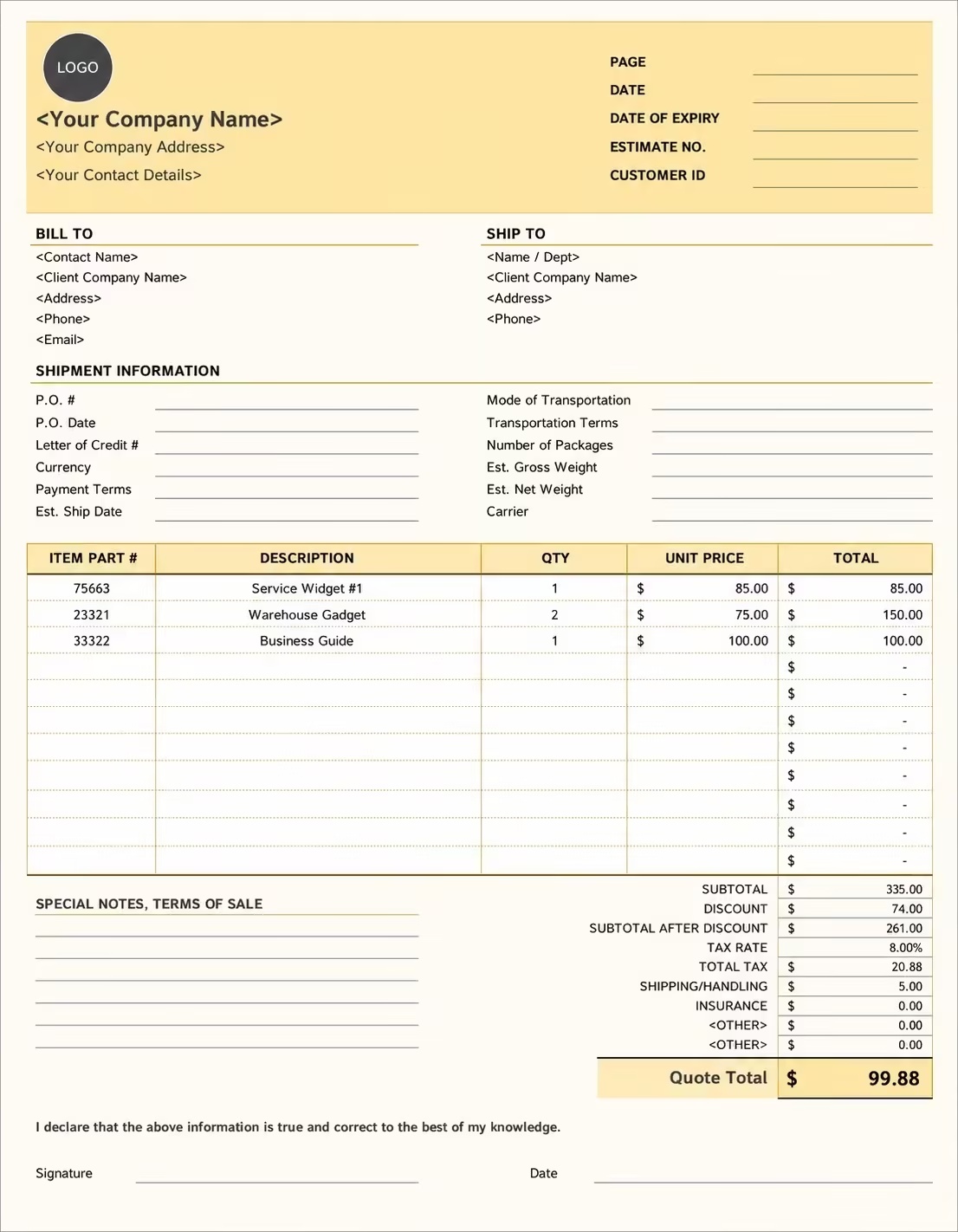
Editable Supermarket Invoice Template
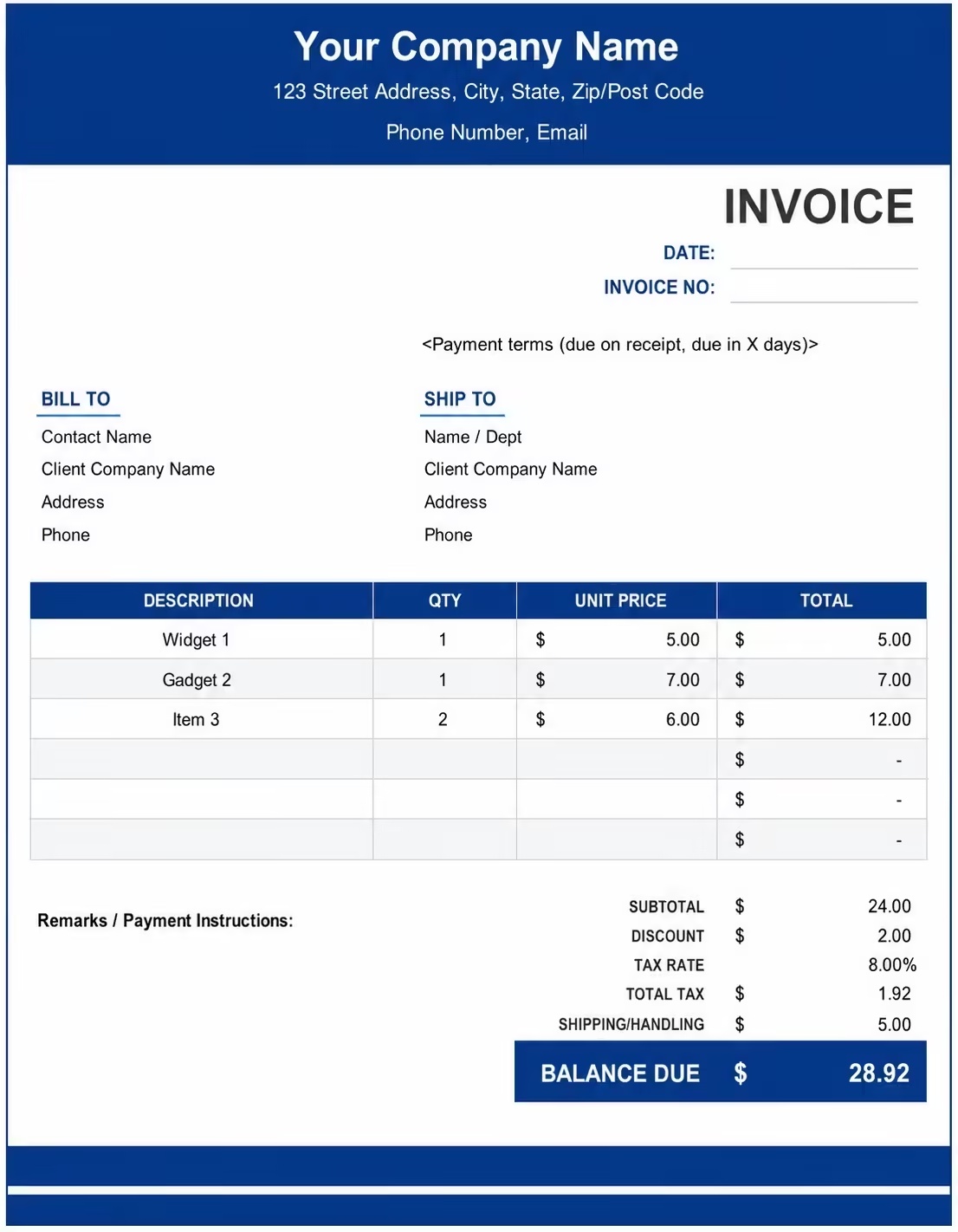
Printable Supermarket Invoice Template
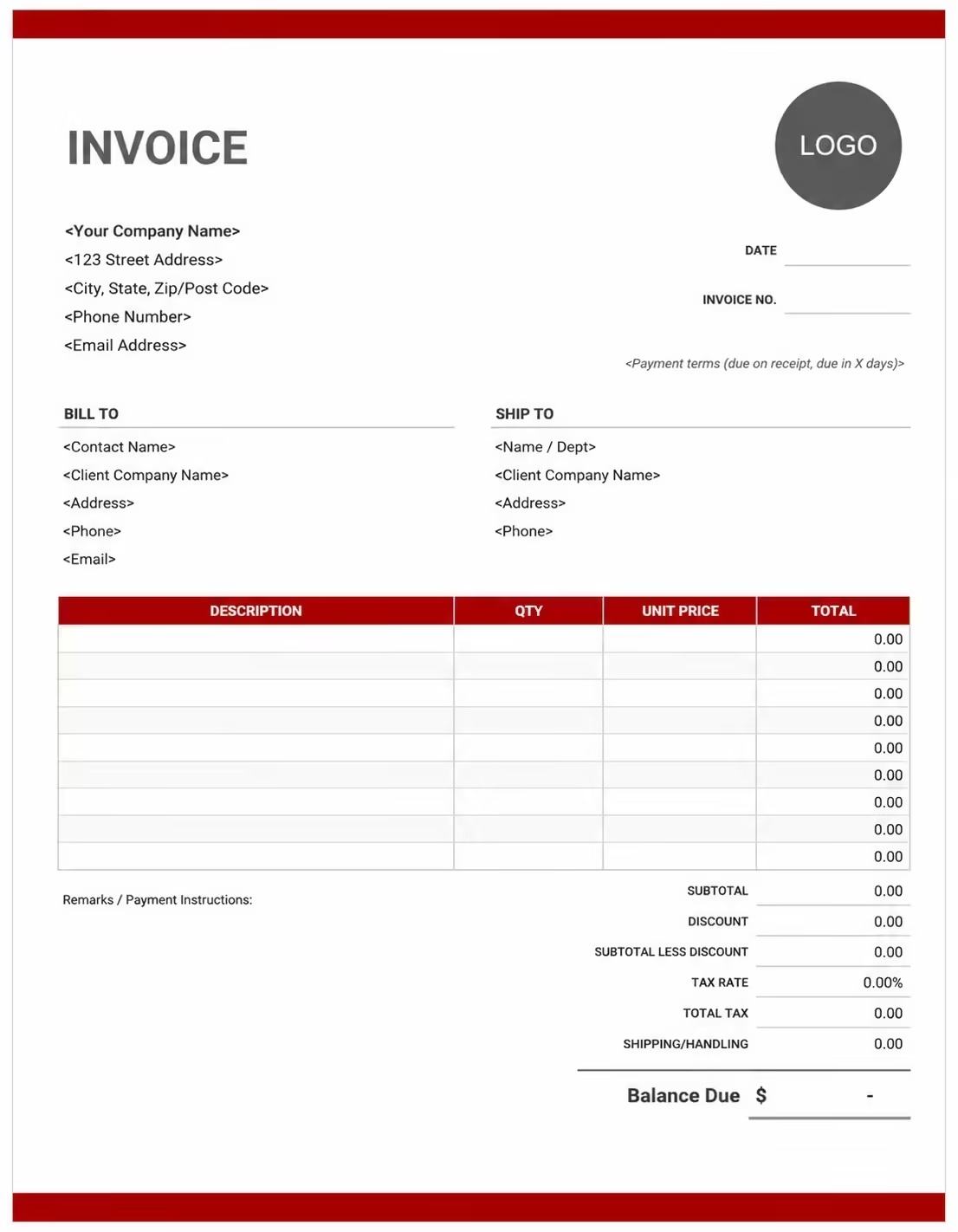
Free Supermarket Invoice Template
Use these templates for supermarkets, grocery stores, retail shops, food suppliers, convenience stores, mini marts, wholesale grocery sellers, and retail product businesses.
How to Invoice for Supermarket Orders
A good supermarket invoice should clearly show the customer details, store details, order number, product list, quantities, unit prices, discounts, taxes, delivery fees, and payment terms.
Download Free TemplateIn 5 Steps:
- Confirm the customer, buyer, company, restaurant, school, or organization details, order number, product list, delivery address, and payment terms before preparing the invoice.
- Record all supermarket items sold, including groceries, fresh produce, dairy, frozen foods, packaged goods, household items, drinks, and approved delivery or handling charges.
- Track product details such as item name, SKU, barcode, quantity, unit price, pack size, expiry date, batch number, and discount if needed.
- Calculate item totals, subtotal, discounts, delivery charges, taxes if applicable, deposits, previous payments, and the final balance due.
- Send the invoice with payment options, due date, order notes, delivery details, and any remaining balance instructions.
With Invoize, you can create supermarket invoices faster, save customer details, reuse common grocery items, add quantities and discounts, and track payments from your phone.
What to Include in a Supermarket Invoice
A professional supermarket invoice should include the details needed to identify the customer, store, order, grocery items, charges, and payment terms.
Invoice and Order Details
- Invoice numberHelps track the invoice, payment record, and supermarket order history.
- Customer, buyer, company, restaurant, or organization detailsShows who purchased the supermarket items and who is responsible for payment.
- Supermarket, grocery store, retail shop, or business detailsShows which store supplied the groceries, products, household goods, or retail items.
- Order number, receipt number, purchase order, or account referenceConnects the invoice to the correct supermarket order, customer account, purchase request, or receipt record.
- Invoice date, order date, delivery date, or pickup dateShows when the supermarket order was placed, billed, delivered, collected, or which billing period the invoice covers.
Product and Delivery Details
- Delivery address, pickup location, store branch, or service locationShows where the order was delivered, collected, prepared, or connected to a specific store branch.
- Product, grocery item, SKU, barcode, brand, or descriptionHelps identify the exact supermarket products, grocery items, household goods, or retail items being billed.
- Quantity, unit, pack size, weight, carton count, or item countShows how the supermarket item total was calculated by quantity, unit, pack size, weight, carton count, or item count.
- Unit price, item price, pack price, or line item totalShows the pricing method for each grocery or retail item and the total cost based on quantity and unit price.
- Batch number, expiry date, condition, or special item noteHelps with food safety records, returns, product checks, order verification, and special item tracking when needed.
Payment and Final Notes
- Discounts and extra feesLists item discounts, bulk discounts, coupons, loyalty discounts, promotional offers, delivery, packing, handling, bagging, loading, or service fees.
- Deposits, advance payments, credits, or previous paymentsShows credits, deposits, advance payments, discounts, or amounts already paid before the final balance.
- Subtotal, tax, and total amount dueShows the final amount the customer, buyer, business, or organization needs to pay.
- Payment due date and methodsTells the customer when payment is expected and how they can pay.
- Order notes or payment termsRecords delivery terms, return policy, damaged item notes, late fees, account terms, balance instructions, or supermarket order notes.
Billing Scenarios for Supermarkets
Use clear invoice labels so customers, businesses, restaurants, schools, and organizations understand the products purchased, quantity billed, discount applied, delivery charge, and final amount due.
| Scenario | Invoice line items | Best used for | How to describe it |
|---|---|---|---|
| Regular grocery order | Grocery items, quantities, unit prices, discounts, total amount | Daily supermarket purchases, household grocery orders, and regular customer invoices. | Show product names, quantities, item prices, discounts, tax, and final amount clearly. |
| Bulk grocery order | Bulk items, carton count, pack size, bulk discount, delivery charge | Restaurants, offices, schools, event buyers, and businesses buying groceries in larger quantities. | List each product, pack size, carton count, bulk rate, discount, and delivery fee. |
| Fresh produce order | Fruits, vegetables, weight, unit rate, packing, delivery | Fruit and vegetable sales, restaurant supply, catering orders, and fresh food purchases. | Show item name, weight, quantity, rate per unit, freshness notes if useful, and final total. |
| Household goods order | Cleaning items, toiletries, paper goods, kitchen supplies, quantity, item total | Customers or businesses buying household products, office pantry items, and cleaning supplies. | Show each product name, quantity, unit price, discount if any, and line item total. |
| Delivery or pickup order | Product list, delivery fee, packing fee, pickup note, payment balance | Online supermarket orders, phone orders, local delivery, and store pickup purchases. | Show the order date, delivery or pickup method, address, product details, and remaining balance. |
| Monthly account billing | Monthly grocery supply, account reference, order dates, credits, balance due | Businesses, offices, restaurants, schools, and regular customers with monthly supermarket accounts. | Show the billing period, order references, items supplied, previous payments, and final balance due. |
Create Invoice Now
☝️ Create a professional invoice in seconds.
Common Charges and Fees for Supermarket Invoices
Itemize supermarket charges clearly so customers can see product costs, quantities, discounts, delivery fees, taxes, and any extra costs.
| Charge or service | Unit | When to use | How to show it |
|---|---|---|---|
| Grocery item charge | Item, unit, pack, bottle, bag, or box | Use when billing for regular supermarket items, packaged foods, drinks, snacks, or household products. | Show product name, quantity, unit price, and line total clearly. |
| Fresh produce charge | Kilogram, pound, bunch, piece, or box | Use when billing for fruits, vegetables, herbs, fresh food, or weighted produce. | Show item name, weight or quantity, unit rate, and total amount. |
| Dairy, meat, or frozen food charge | Pack, item, kilogram, carton, or box | Use when billing for dairy products, meat, seafood, frozen items, or chilled grocery products. | Show product name, quantity, pack size, unit price, and total cost. |
| Bulk product charge | Carton, case, pallet, pack, or bulk order | Use when pricing is based on bulk quantity, wholesale packs, or large supermarket orders. | Show pack size, carton count, bulk rate, discount, and total amount. |
| Delivery fee | Delivery, trip, order, mile, or kilometer | Use when supermarket items are delivered to a home, office, restaurant, school, or business location. | Show delivery address, delivery date, delivery method, and delivery fee separately. |
| Packing or bagging fee | Bag, box, package, or order | Use when bags, boxes, packing, wrapping, or special packaging are billed separately. | Show packing or bagging separately from product prices. |
| Handling or loading fee | Order, hour, carton, or service | Use when staff handle, load, sort, prepare, or arrange a large order for pickup or delivery. | Show labor time, order size, carton count, or handling fee clearly. |
| Coupon or promotional discount | Percentage, amount, item, or order | Use when a coupon, offer, loyalty reward, seasonal sale, or promotion reduces the invoice total. | Show the discount name and amount before the final total. |
| Return, refund, or credit adjustment | Item, order, or credit | Use when returned items, damaged goods, refunds, or account credits reduce the amount due. | Show the returned item or credit note clearly before the balance due. |
| Rush order or special handling fee | Fee, order, or percentage | Use when the customer requests urgent packing, fast delivery, special preparation, or priority service. | Add a clear label so the customer understands why the extra fee applies. |
| Tax | Percentage or amount | Use when tax applies to supermarket products, delivery, packing, handling, or extra fees based on local rules. | Show tax before the final total so the customer can see how the balance was calculated. |
| Deposit, advance payment, or previous payment | Credit | Use when the customer, buyer, company, or organization paid before or during the supermarket order. | Subtract it from the invoice total and show the remaining balance due. |
Common Supermarket Invoicing Mistakes
Supermarket billing can include product names, quantities, prices, discounts, delivery charges, returns, deposits, and payment terms. Missing details can confuse customers or delay payment. Avoid these common mistakes.
| Mistake | Why it causes problems | How to fix it |
|---|---|---|
| Not listing the order number or receipt number | The customer may not know which supermarket order, account purchase, delivery, or billing period the invoice covers. | Add the order number, receipt number, account reference, purchase order number, or billing period clearly. |
| Not describing products clearly | The customer may not understand which grocery items, household goods, fresh products, or packaged items were supplied. | Add product names, item descriptions, SKUs, barcodes, brands, sizes, or pack details. |
| Combining all charges in one line | The total may look unclear because the customer cannot see item prices, discounts, delivery, packing, deposits, and taxes separately. | Separate grocery items, discounts, delivery fees, packing fees, deposits, credits, and taxes into clear line items. |
| Not showing quantity or unit price | The customer may question the charge if item quantity, weight, pack size, or unit price is not visible. | Show quantity, unit, weight, pack size, carton count, unit price, and line total clearly. |
| Leaving out delivery or pickup details | The customer may not know when the order was delivered, picked up, prepared, or collected. | Add delivery date, pickup date, delivery address, store branch, tracking notes, or collection instructions. |
| Forgetting discounts or coupons | The customer may not see how promotions, loyalty offers, bulk discounts, or coupons changed the final total. | Show item discounts, coupon codes, promotional offers, loyalty credits, and bulk discounts before the balance due. |
| Forgetting return or damaged item adjustments | Refunds, returned products, damaged goods, or missing items may create confusion if not shown clearly. | Add return notes, credit adjustments, damaged item details, refund amounts, or replacement notes when useful. |
| Not recording batch or expiry details when needed | Food products, dairy, frozen goods, or wholesale grocery orders may need batch or expiry details for records. | Add batch numbers, expiry dates, product condition notes, or item references when useful. |
| Leaving out payment terms | The customer may not know when payment is due, how to pay, or how late fees and account terms work. | Add payment due date, payment methods, account terms, late fees, return policy, and balance instructions. |
| Not keeping invoice records | Tracking supermarket orders, customer payments, deliveries, returns, discounts, and product history becomes harder. | Keep a copy of every supermarket invoice for your grocery store, retail shop, or supermarket business records. |
More Invoice Templates You May Like
Explore closely related invoice templates for supermarket work, similar services, and nearby billing scenarios before choosing the best format for your customer.
Questions
Frequently Asked Questions
How should I show grocery items on a supermarket invoice?
List each product separately with the item name, quantity, unit price, and total amount. Example: “Rice 5kg bag: 2 × $12 = $24” or “Milk carton: 4 × $3 = $12.” This helps the customer clearly see what was purchased.
What customer and supermarket details should be included?
Include the supermarket name, customer name if needed, store address, contact details, invoice number, invoice date, and payment due date. Example: “Store: Fresh Mart Supermarket, Customer: Green Café, Invoice date: June 12.” This connects the invoice to the correct sale.
How do I invoice for bulk supermarket orders?
Show the product quantity, unit price, and total for each bulk item. Example: “Bottled water: 10 cartons × $8 = $80” or “Cooking oil: 12 bottles × $6 = $72.” This works well for restaurants, offices, events, and wholesale grocery buyers.
Should discounts or special offers be listed separately?
Yes. Show discounts clearly below the item subtotal or beside the related product. Example: “Weekly grocery discount: -$10” or “Buy 2 get 1 offer applied: -$4.” This helps the customer understand how the final total was reduced.
Can I include delivery or packing charges?
Yes. Delivery, packing, handling, or bag charges should be listed separately if they are not included in the item prices. Example: “Grocery delivery fee: $6” or “Packing and handling charge: $3.” This keeps product costs separate from service charges.
How should I show taxes on a supermarket invoice?
Show the subtotal first, then add sales tax, VAT, GST, or other applicable tax separately. Example: “Subtotal: $150,” “Sales tax: $12,” and “Total due: $162.” This makes the invoice total easier for the customer to review.
How do I show returns, refunds, or store credits?
List returned items or credits as negative amounts on the invoice. Example: “Returned cereal box: -$5” or “Store credit applied: -$20.” This helps keep the payment record clear when the customer exchanges or returns items.
What payment terms should a supermarket invoice include?
Include the due date, accepted payment methods, delivery terms, refund policy, and any account billing rules. Example: “Payment due within 7 days. Returns must follow store policy. Delivery charges, added items, or account purchases may require an updated invoice.”