
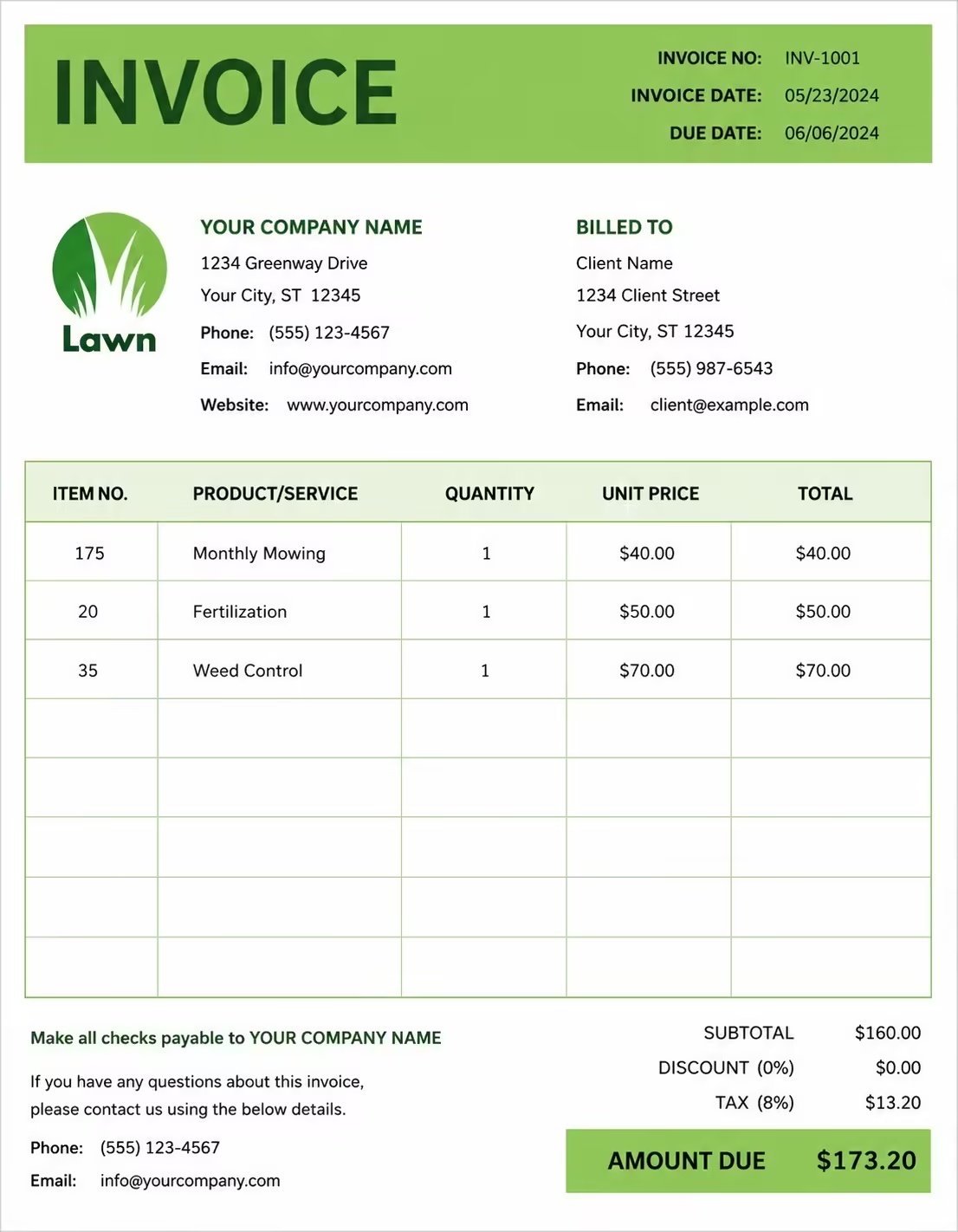
Free Transportation Invoice Template
Free invoice templates for transportation companies, transport service providers, delivery drivers, shuttle services, freight carriers, passenger transport businesses, and logistics professionals. Download and edit in PDF, Word, Excel, Google Docs, or Google Sheets.
Use this template to bill for transportation services, passenger trips, freight delivery, mileage, driver time, fuel charges, tolls, waiting time, loading fees, taxes, discounts, deposits, and payment terms in a clear and professional way.
Download the app and manage invoices anywhere



Download Free Transportation Invoice Templates
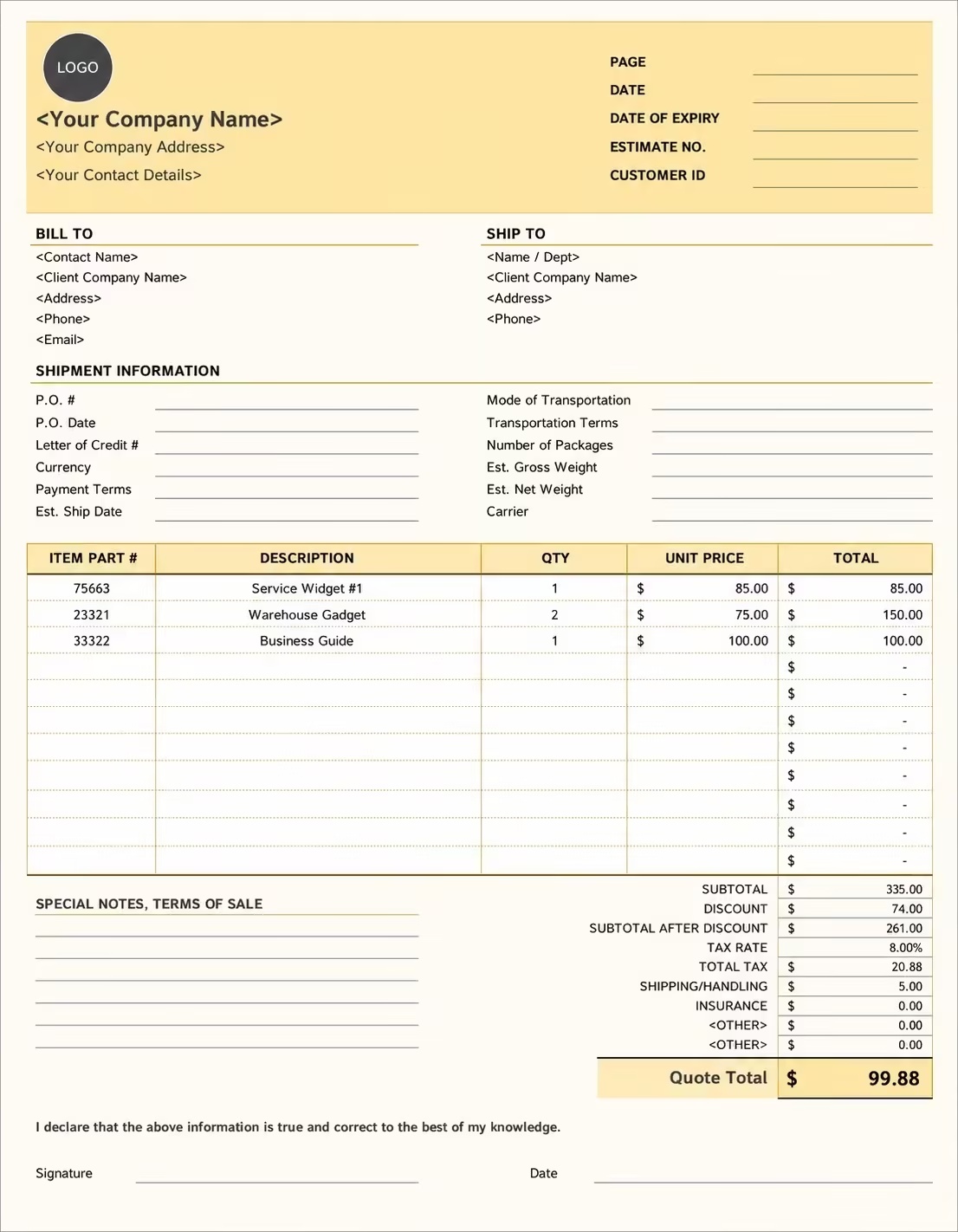
Editable Transportation Invoice Template
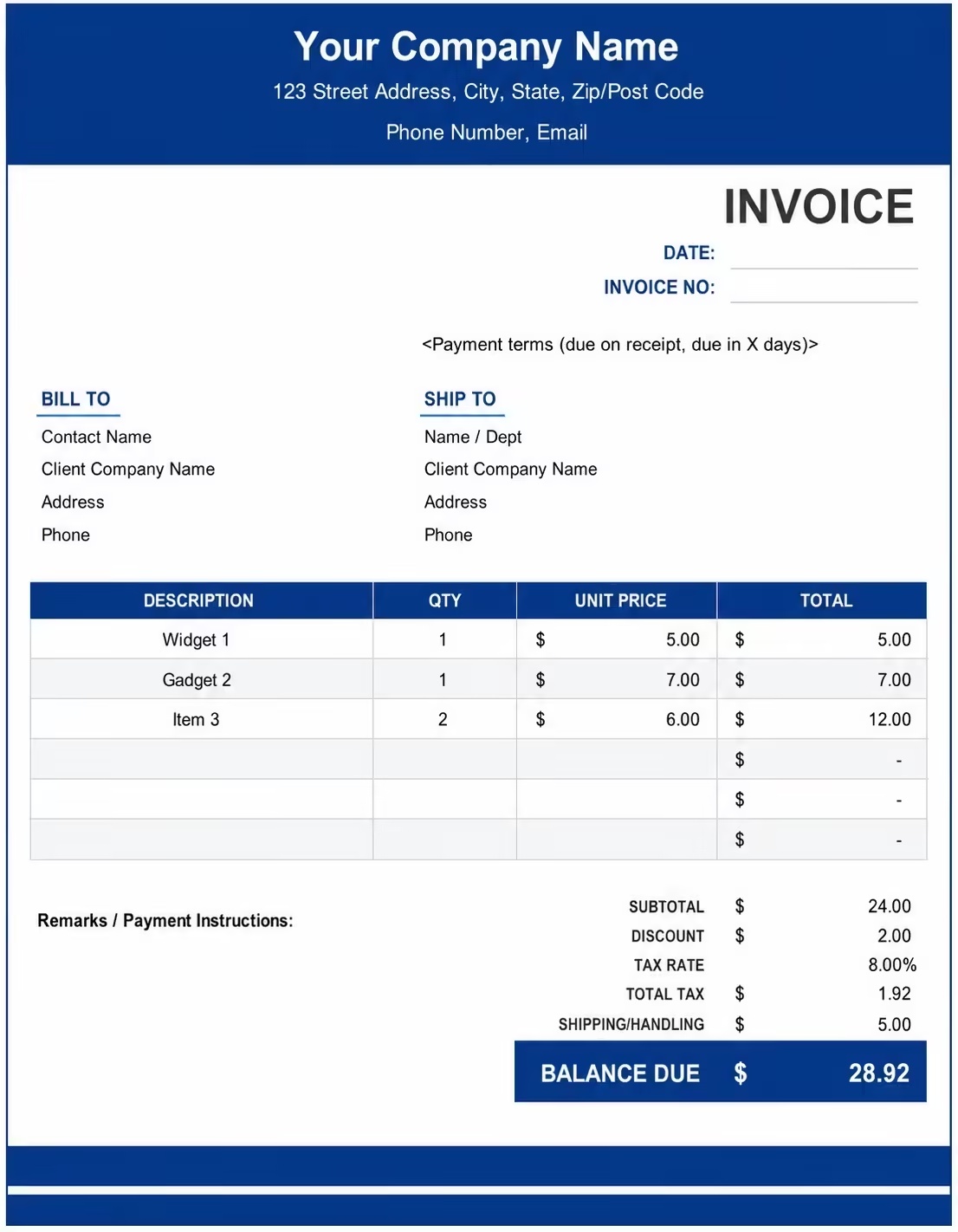
Printable Transportation Invoice Template
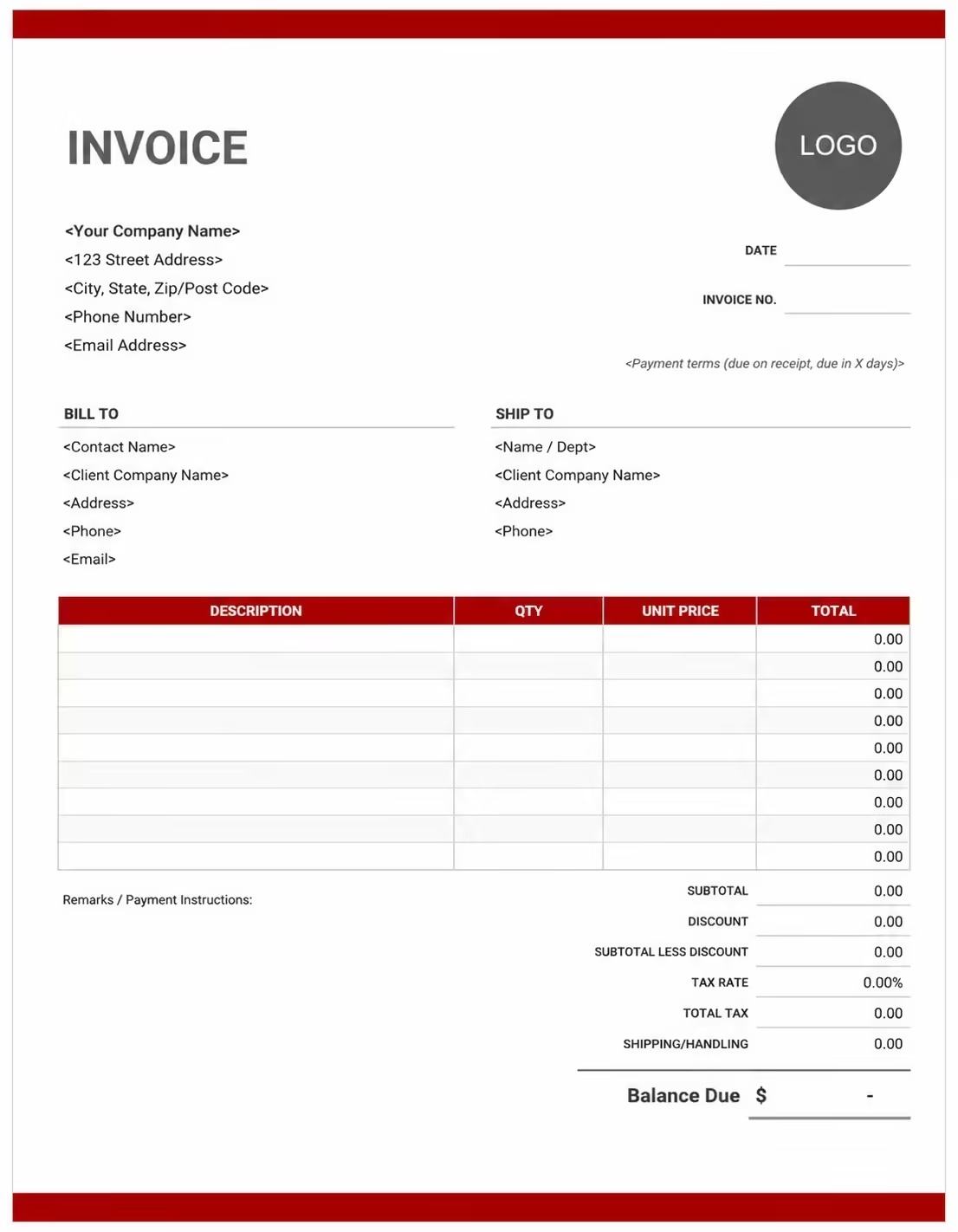
Free Transportation Invoice Template
How to Invoice for Transportation Work
A good transportation invoice should clearly show the customer details, service date, pickup and drop-off locations, vehicle type, mileage, driver charges, extra fees, taxes, and payment terms.
Start Creating Invoices FreeIn 5 Steps:
- Confirm the customer details, pickup location, destination, service date, vehicle type, passenger or cargo details, and agreed pricing before starting the transport service.
- Record completed transportation work, pickup time, delivery or drop-off time, trip distance, driver hours, waiting time, extra stops, and any approved extra services.
- Track transport costs such as fuel, mileage, tolls, parking, loading, unloading, driver time, vehicle use, travel permits, and after-hours service.
- Calculate transportation fees, mileage charges, driver labor, fuel surcharges, tolls, waiting time, taxes, discounts, deposits, and the final balance due.
- Send the invoice with payment options, due date, trip notes, delivery details, route information, and any service or payment terms.
With Invoize, you can create transportation invoices faster, save customer details, reuse common transport services, add mileage and fuel fees, and track payments from your phone.
What to Include in a Transportation Invoice
A professional transportation invoice should include the details needed to identify the customer, trip, cargo or passenger service, charges, and payment terms.
Invoice and Service Details
- Invoice numberHelps track the invoice, service record, and payment history.
- Customer name and contact detailsShows who booked the transportation service and who is responsible for payment.
- Transportation business detailsShows which transport company, driver, carrier, or logistics provider completed the service.
- Service date or billing periodShows when the transportation service was completed or which billing period the invoice covers.
- Pickup and drop-off locationsShows where the passenger, goods, or shipment was collected and where the service ended.
Transportation Service Details
- Route notes or extra stopsExplains route changes, added stops, waiting points, delivery notes, or special travel requests.
- Vehicle type or vehicle numberShows whether the service used a car, van, truck, shuttle, bus, trailer, or other transport vehicle.
- Driver nameShows who completed the transport service.
- Passenger or cargo detailsHelps explain passenger count, shipment details, cargo description, handling needs, or delivery requirements.
- Service descriptionExplains passenger transport, freight delivery, shuttle service, courier transport, or long-distance hauling.
Payment and Final Notes
- Distance, rate, or trip feeShows whether the charge was based on mileage, hours, trip count, flat trip fee, or package price.
- Extra fees and expensesLists fuel surcharge, tolls, parking, loading, unloading, waiting time, handling, or extra travel fees.
- Discounts, deposits, or previous paymentsShows credits or amounts already paid before the final balance.
- Total amount dueShows the final amount the customer needs to pay.
- Payment terms and service notesRecords the due date, payment methods, delivery terms, waiting time rules, cancellation notes, or vehicle notes.
Billing Scenarios for Transportation Businesses
Use clear invoice labels so customers understand the type of transportation service, route charge, mileage fee, driver cost, extra fees, and final amount due.
| Scenario | Invoice line items | Best used for | How to describe it |
|---|---|---|---|
| Passenger transportation | Trip fare, driver time, pickup location, destination, waiting time | Private rides, employee transport, school transport, local trips, and scheduled passenger service. | Show the service date, passenger count, pickup and drop-off details, and trip fee clearly. |
| Freight transportation | Freight delivery, cargo handling, mileage, fuel surcharge, delivery notes | Goods transport, business deliveries, warehouse transfers, equipment delivery, and commercial freight jobs. | List the cargo type, pickup point, destination, vehicle used, and delivery charge clearly. |
| Shuttle service | Shuttle hours, route service, passenger count, vehicle fee, driver fee | Airport shuttles, hotel shuttles, event transport, staff transport, and group travel service. | Show the route, number of passengers, service hours, and vehicle or driver charge. |
| Long-distance transportation | Flat trip fee, mileage, fuel surcharge, tolls, driver time | City-to-city transport, long-distance delivery, intercity passenger travel, and regional transport jobs. | Show the pickup city, destination city, total distance, route charges, and final trip cost. |
| Recurring transport contract | Weekly or monthly service, scheduled trips, vehicle use, driver hours, balance due | Businesses, schools, offices, warehouses, and clients using regular transportation services. | Show the billing period, number of trips, included services, and recurring contract amount. |
| Special handling transport | Loading, unloading, fragile item handling, extra staff, equipment use | Furniture transport, equipment delivery, fragile goods, event materials, and items needing careful handling. | Describe the items transported, handling needs, extra labor, equipment used, and added fees. |
Start Creating Invoices Free
☝️ Create your first invoice in seconds.
Common Charges and Fees for Transportation Services
Itemize transportation charges clearly so customers can see trip fees, mileage, driver time, fuel, tolls, waiting time, taxes, and any extra costs.
| Charge or service | Unit | When to use | How to show it |
|---|---|---|---|
| Transportation service fee | Trip or service | Use when charging for a completed passenger trip, delivery, shuttle service, or transport job. | Show the service date, pickup location, destination, and service fee clearly. |
| Hourly driver fee | Hour | Use when billing by time for driver service, shuttle work, waiting time, loading support, or flexible transport service. | Show hours worked multiplied by the hourly rate with a short service description. |
| Mileage or distance charge | Mile or kilometer | Use when pricing depends on distance traveled during the transport service. | Show total miles or kilometers multiplied by the mileage rate. |
| Flat trip fee | Trip | Use when the transportation job has one agreed price for a route or delivery. | List the pickup location, drop-off location, and fixed amount clearly. |
| Fuel surcharge | Fee or percentage | Use when fuel costs are added to the base transportation charge. | Show the fuel surcharge separately so the customer understands the added travel cost. |
| Tolls, parking, or access fees | Fee | Use when paid roads, parking areas, loading zones, venue access, or permits add cost to the service. | List tolls, parking, access, or permit fees separately from the transport charge. |
| Waiting time | Minute or hour | Use when the driver waits beyond the included or agreed service time. | Show extra waiting time and the waiting rate clearly. |
| Loading or unloading fee | Hour, item, or service | Use when staff help load, unload, lift, carry, or handle goods during transport. | Show loading or unloading separately when it is not included in the base service. |
| Extra stop fee | Stop or fee | Use when the customer adds more pickup points, delivery points, or route changes. | List each extra stop or show the total extra stop fee separately. |
| After-hours or urgent service fee | Fee | Use for late-night transport, weekend service, holiday trips, urgent delivery, or short-notice bookings. | Add a clear label so the customer understands why the extra fee applies. |
| Tax | Percentage or amount | Use when tax applies to transportation services, fuel fees, handling charges, or extra fees based on local rules. | Show tax before the final total so the customer can see how the balance was calculated. |
| Deposit or previous payment | Credit | Use when the customer paid before or during the transportation service. | Subtract it from the invoice total and show the remaining balance due. |
Common Transportation Invoicing Mistakes
Transportation work can include pickup details, destinations, route notes, mileage, driver hours, fuel charges, tolls, waiting time, deposits, and payment terms. Missing details can confuse customers or delay payment. Avoid these common mistakes.
| Mistake | Why it causes problems | How to fix it |
|---|---|---|
| Leaving out pickup or drop-off locations | The customer may not know which trip, delivery, route, or transport job the invoice belongs to. | Add pickup and drop-off locations to every transportation invoice. |
| Not listing the service date | The invoice may be hard to match with the correct transport service or billing period. | Add the service date, trip date, delivery date, or billing period clearly. |
| Not describing the transport service clearly | The customer may not understand whether the charge is for passenger transport, freight, shuttle service, or delivery. | Add a simple service description for each transportation task completed. |
| Combining all charges in one line | The total may look unclear because the customer cannot see mileage, driver time, fuel, tolls, and taxes separately. | Separate trip fees, mileage, driver hours, fuel surcharges, tolls, waiting time, deposits, and taxes into clear line items. |
| Not showing mileage or hours | The customer may question the price if the distance, time, or rate is not visible. | Show mileage, kilometers, driver hours, hourly rate, mileage rate, or flat trip fee clearly. |
| Forgetting fuel, tolls, or parking fees | Travel-related charges may look unexpected if they are not listed clearly. | Add fuel surcharge, tolls, parking, permits, or access fees as separate line items. |
| Not recording waiting time or extra stops | Additional time or route changes may be questioned later. | Show approved waiting time, extra stops, route changes, and updated totals clearly. |
| Leaving out cargo or passenger details | The customer may not know what was transported or which passengers or goods were included. | Add passenger count, cargo description, shipment details, or delivery reference when useful. |
| Forgetting deposits or previous payments | The final balance may look higher than expected. | Show deposits, advance payments, partial payments, or credits before the balance due. |
| Not keeping invoice records | Tracking trips, routes, payments, customers, vehicles, and service history becomes harder. | Keep a copy of every transportation invoice for your business records. |
More Invoice Templates You May Like
Explore closely related invoice templates for transportation work, similar services, and nearby billing scenarios before choosing the best format for your customer.
Questions
Frequently Asked Questions
How should I show transportation charges on an invoice?
List the transportation service with the route, date, and price clearly. Example: “Passenger transport: Hotel to airport: $75” or “Local goods transport: Warehouse to retail store: $120.” This helps the customer understand exactly what transport service was completed.
What trip or delivery details should be included on the invoice?
Include the pickup location, drop-off location, service date, time, passenger or client name, vehicle type, and reference number if available. Example: “Pickup: City Center Office, drop-off: Airport Terminal 2, vehicle: private van.” This connects the invoice to the correct trip or delivery job.
How do I invoice for mileage-based transportation?
Show the total distance, rate per mile or kilometer, and final amount. Example: “Transportation mileage: 45 miles × $2.20/mile = $99.” This makes the cost easy to review when pricing is based on distance.
Can I charge for waiting time?
Yes. Waiting time should be listed separately if the driver had to wait at pickup, drop-off, loading, or unloading. Example: “Waiting time: 30 minutes × $35/hr = $17.50.” This keeps extra time separate from the main transportation charge.
Should fuel, tolls, and parking be listed separately?
Yes. Add fuel surcharges, tolls, parking, airport fees, or road charges as separate line items. Example: “Fuel surcharge: $25,” “Toll charges: $14,” and “Parking fee: $10.” This keeps the base transport fee clear from extra trip expenses.
How should I bill for freight or goods transportation?
List the goods transported, pickup and delivery points, vehicle used, and service rate. Example: “Furniture transport: Pickup from storage unit to apartment: $180” or “Small freight delivery: 2 pallets: $250.” This helps the client understand what was moved and where.
How do I show deposits or advance payments?
Show the full transportation amount, deposit paid, and remaining balance. Example: “Transportation service total: $650,” “Deposit received: $150,” and “Balance due after delivery: $500.” This helps both sides track payment clearly.
What payment terms should a transportation invoice include?
Include the due date, accepted payment methods, deposit terms, cancellation policy, and extra charge rules. Example: “Payment due within 7 days. Extra charges may apply for waiting time, added stops, route changes, fuel surcharge, tolls, or failed pickup attempts.”