
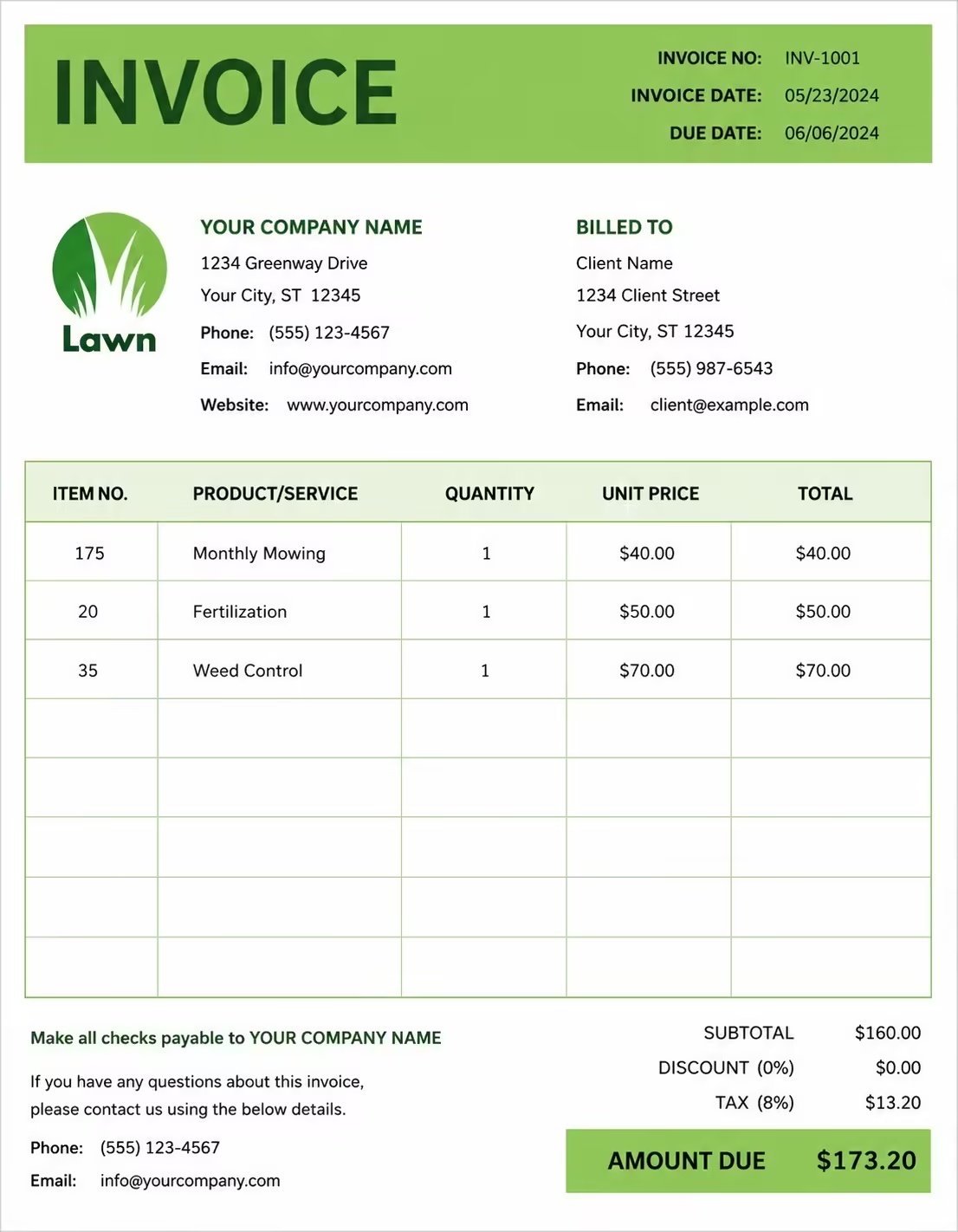
Free University Invoice Template
Free invoice templates for universities, colleges, higher education institutions, academic departments, training institutes, student service offices, and education providers. Download and edit in PDF, Word, Excel, Google Docs, or Google Sheets.
Use this template to bill for tuition fees, semester charges, course fees, lab fees, hostel or housing fees, registration fees, library fees, student services, taxes, discounts, scholarships, deposits, and payment terms in a clear and professional way.
Download the app and manage invoices anywhere


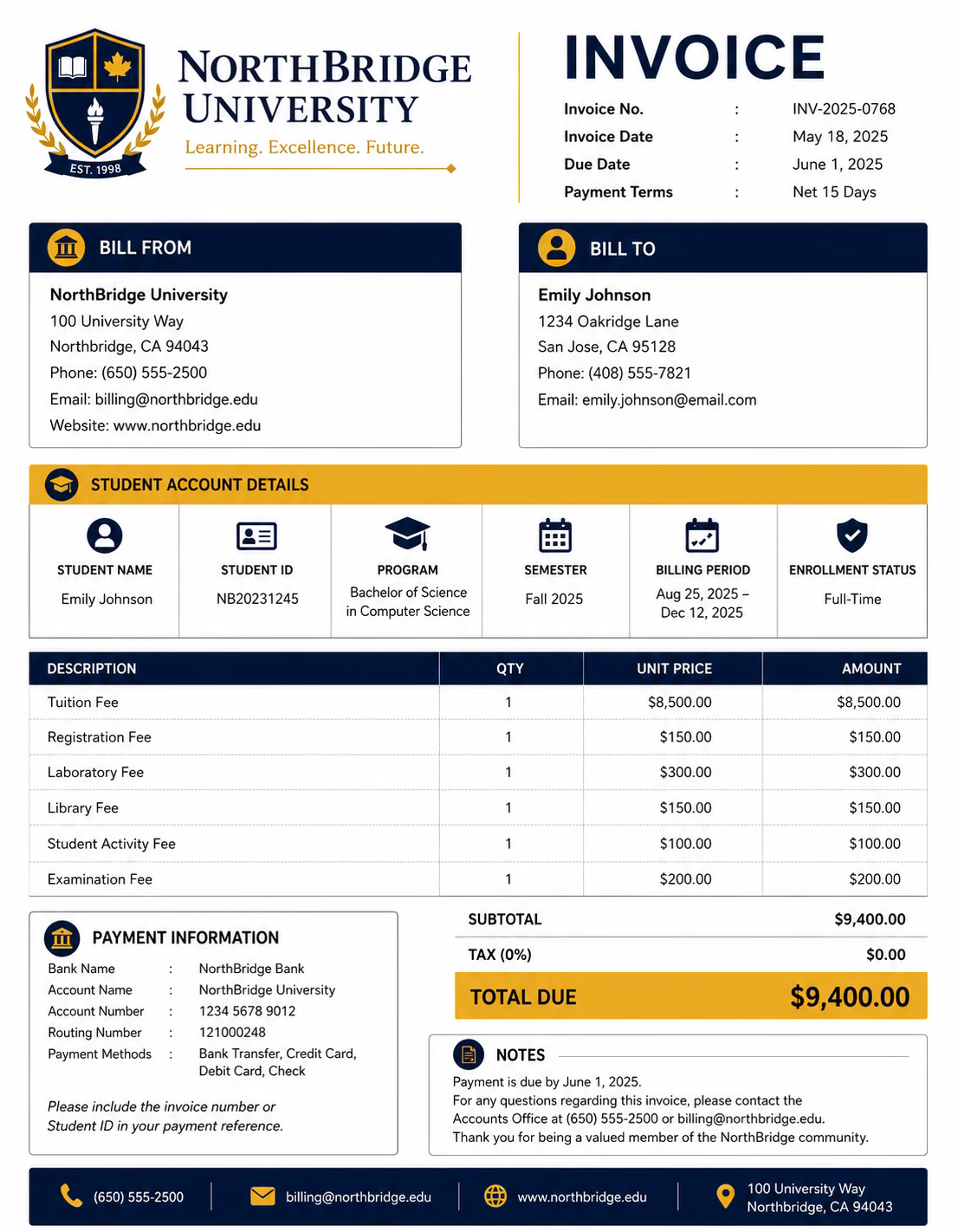
Download Free University Invoice Templates
Download a template, then edit it in PDF, Word, Excel, Google Docs, or Google Sheets. Print it, save it, or send it to the student, parent, sponsor, or organization when the university fee is due or when a billing period ends.
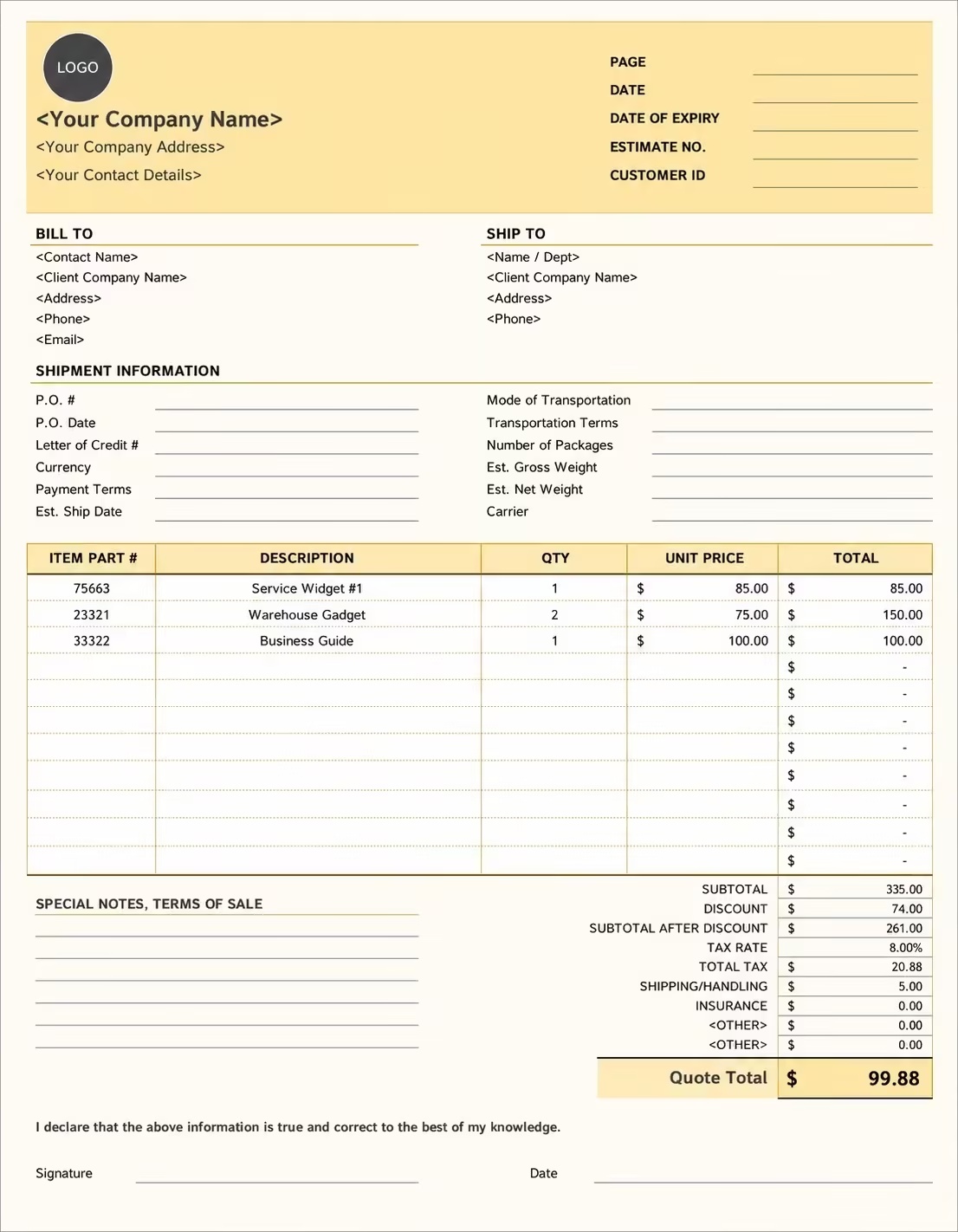
Editable University Invoice Template
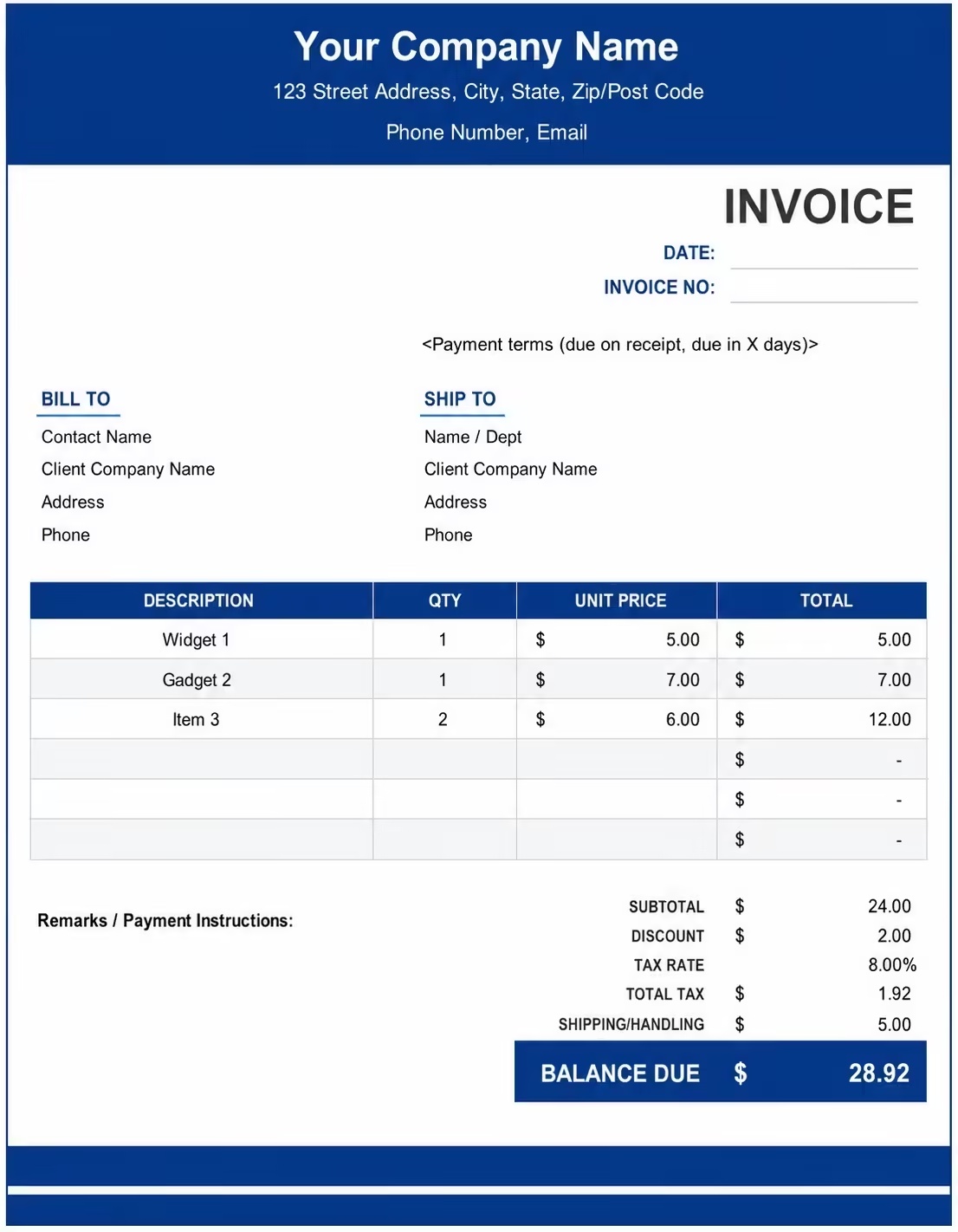
Printable University Invoice Template
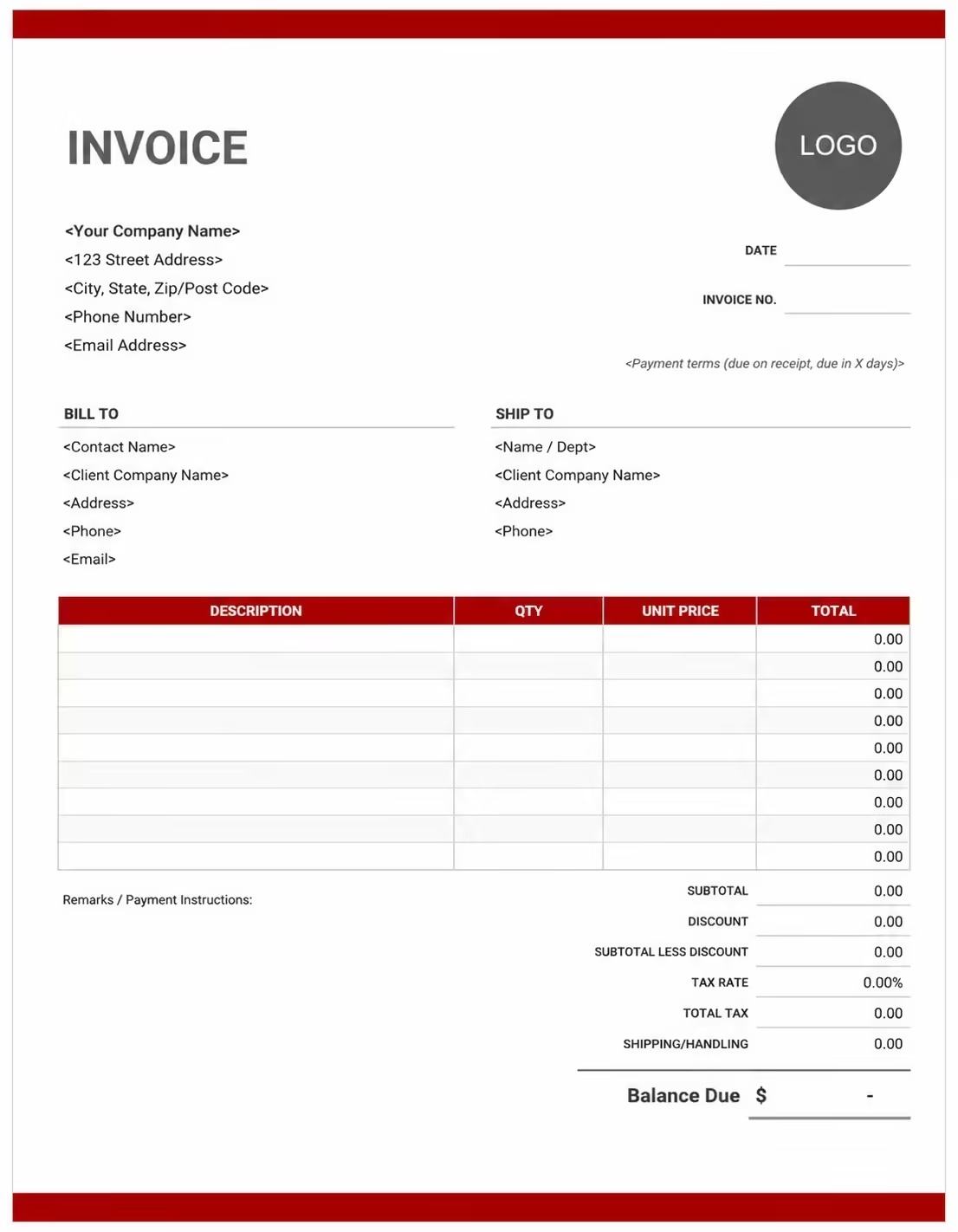
Free University Invoice Template
Use these templates for universities, colleges, private institutes, higher education providers, academic departments, training centers, student billing offices, and professional education programs.
How to Invoice for University Fees
A good university invoice should clearly show the student details, program name, semester or term, tuition amount, extra fees, scholarships, payments, balance due, and payment terms.
Start Creating Invoices FreeIn 5 Steps:
- Confirm the student details, program name, semester, course load, fee structure, scholarship or discount details, and payment terms before preparing the invoice.
- Record university charges such as tuition, registration, exam fees, library fees, lab fees, technology fees, hostel fees, transportation, and student services.
- Track payments, deposits, scholarships, sponsor contributions, installment plans, late fees, and any approved fee adjustments.
- Calculate tuition fees, additional charges, discounts, scholarships, taxes if applicable, previous payments, and the final balance due.
- Send the invoice with payment options, due date, student ID, billing period, fee notes, installment terms, and any remaining balance instructions.
With Invoize, you can create university invoices faster, save student details, reuse common fee items, add discounts and payments, and track balances from your phone.
What to Include in a University Invoice
A professional university invoice should include the details needed to identify the student, program, academic period, charges, payments, and payment terms.
Invoice and Student Details
- Invoice numberHelps track the invoice, payment record, and student billing history.
- Student name and contact detailsShows who the university invoice belongs to.
- Student ID or enrollment numberConnects the invoice to the correct student account or academic record.
- Parent, sponsor, or organization detailsShows who may be responsible for payment when the invoice is not paid directly by the student.
- University or department detailsShows which university, college, department, or office issued the invoice.
Academic and Fee Details
- University address and contact detailsGives the student or payer the correct contact information for billing questions.
- Program, degree, course, or class nameShows which academic program or course the invoice covers.
- Semester, term, or academic yearShows which study period or billing period the invoice belongs to.
- Credits, class hours, or enrollment statusHelps explain full-time, part-time, credit-based, or course-based billing.
- Tuition or course feeShows the main academic charge on the university invoice.
Payment and Final Notes
- Extra university feesLists registration, exam, lab, library, technology, housing, hostel, meal plan, transport, or activity fees.
- Scholarships, discounts, or previous paymentsShows credits, deposits, scholarships, or amounts already applied before the final balance.
- Total amount dueShows the final amount the student, parent, sponsor, or organization needs to pay.
- Payment due date and methodsTells the payer when payment is expected and how they can pay the university invoice.
- Installment terms or billing notesRecords payment plan details, late fee rules, refund notes, or university billing instructions.
Billing Scenarios for Universities
Use clear invoice labels so students, parents, sponsors, or organizations understand the type of university charge, academic period, fee breakdown, payments, and final amount due.
| Scenario | Invoice line items | Best used for | How to describe it |
|---|---|---|---|
| Semester tuition invoice | Semester tuition, registration fee, student service fee, scholarship, balance due | Students enrolled in a full semester or academic term. | Show the semester, program name, tuition amount, credits if needed, and final balance clearly. |
| Course-based invoice | Course fee, credit hours, materials fee, exam fee, payment due | Short courses, summer classes, professional programs, part-time enrollment, or single-course billing. | List the course name, course code if needed, credit hours, and fee per course. |
| Student housing invoice | Hostel fee, room charge, meal plan, security deposit, maintenance fee | Students using university housing, dorms, hostels, meal plans, or campus accommodation. | Show the housing period, room type, included services, deposit, and balance due. |
| Lab or department fee invoice | Lab fee, equipment use, materials, department fee, practical exam fee | Science labs, engineering labs, medical labs, studio courses, workshops, or practical classes. | Describe the lab or department charge and list materials or equipment fees separately. |
| Sponsored student invoice | Tuition fee, sponsor contribution, scholarship, previous payment, remaining balance | Students whose fees are paid by an employer, sponsor, scholarship body, government program, or organization. | Show the student name, sponsor details, covered amount, and remaining balance clearly. |
| Installment payment invoice | Installment amount, previous payment, late fee if any, remaining balance, due date | Students paying tuition or university fees in monthly, term-based, or scheduled installments. | Show the installment number, due date, amount paid, and unpaid balance. |
Start Creating Invoices Free
☝️ Create your first invoice in seconds.
Common Charges and Fees for Universities
Itemize university charges clearly so students and payers can see tuition, registration, course fees, housing, scholarships, payments, taxes, and any extra costs.
| Charge or service | Unit | When to use | How to show it |
|---|---|---|---|
| Tuition fee | Semester, term, course, or credit hour | Use for the main academic fee charged to the student. | Show the program, semester, credit hours if needed, and tuition amount. |
| Registration or enrollment fee | Fee | Use when charging for new enrollment, semester registration, or course registration. | Show the fee separately and note whether it is one-time or recurring. |
| Course fee | Course or class | Use when billing for a specific course, short program, summer class, or training module. | List the course name, course code if useful, and course fee clearly. |
| Exam or assessment fee | Exam or fee | Use when exams, practical assessments, rechecking, retakes, or certification assessments are billed separately. | Show the exam name, academic period, and fee amount. |
| Lab or practical fee | Course, lab, or semester | Use for laboratory access, practical work, studio use, equipment use, or workshop materials. | List the lab, department, or course connected to the charge. |
| Library or technology fee | Term, semester, or fee | Use when charging for library access, digital systems, student portals, internet, or campus technology services. | Show the fee separately from tuition so the student can understand the extra charge. |
| Student service fee | Semester, term, or fee | Use for student activities, administration, counseling, health services, campus services, or support facilities. | List the service fee with a short description when useful. |
| Housing or hostel fee | Month, semester, room, or term | Use when billing for dorms, hostels, campus housing, room charges, or accommodation services. | Show the housing period, room type, and amount due. |
| Meal plan or cafeteria fee | Month, semester, plan, or fee | Use when meals, dining plans, or food services are included in the university invoice. | Show the meal plan name, billing period, and charge separately. |
| Transportation or parking fee | Month, semester, pass, or fee | Use when charging for university buses, shuttle service, parking permits, or transport support. | Show transportation separately from tuition and academic fees. |
| Late payment fee | Fee or percentage | Use when payment is made after the university’s due date. | Add a clear label so the student or payer understands why the fee applies. |
| Scholarship, discount, or previous payment | Credit | Use when reducing the invoice with financial aid, scholarship, discount, deposit, sponsor payment, or prior payment. | Subtract it from the invoice total and show the remaining balance due. |
Common University Invoicing Mistakes
University billing can include tuition, course fees, student IDs, semester details, scholarships, housing, lab fees, installments, and payment terms. Missing details can confuse students, parents, sponsors, or organizations and delay payment. Avoid these common mistakes.
| Mistake | Why it causes problems | How to fix it |
|---|---|---|
| Not listing the student ID | The invoice may be hard to match with the correct student account, especially when names are similar. | Add the student ID, enrollment number, or registration number to every university invoice. |
| Not showing the semester or academic period | The student or payer may not know which term, semester, or academic year the invoice covers. | Add the semester, term, academic year, or billing period clearly. |
| Combining all fees in one line | The total may look unclear because the payer cannot see tuition, lab fees, housing, services, and credits separately. | Separate tuition, registration, lab fees, library fees, housing, transport, scholarships, deposits, and payments into clear line items. |
| Not showing the program or course name | The invoice may be difficult to connect with the correct degree, department, course, or training program. | Add the program name, course title, department, or course code when useful. |
| Forgetting scholarships or discounts | The final balance may look higher than expected if financial aid or fee adjustments are missing. | Show scholarships, discounts, sponsor payments, grants, or fee waivers before the final balance due. |
| Leaving out previous payments | The student may think they are being charged again for an amount already paid. | Add deposits, installment payments, advance payments, partial payments, or credits before the balance due. |
| Not explaining extra university fees | Lab fees, library fees, technology fees, housing fees, or activity charges may be questioned if not labeled clearly. | List each extra fee separately with a simple description. |
| Leaving out installment details | The payer may not understand which installment is due or how much remains unpaid. | Add installment number, due date, amount due, amount paid, and remaining balance. |
| Leaving out payment terms | The student, parent, or sponsor may not know when or how to pay. | Add due date, accepted payment methods, late payment terms, refund notes, and billing office instructions. |
| Not keeping invoice records | Tracking student balances, scholarships, payments, sponsor invoices, and billing history becomes harder. | Keep a copy of every university invoice for your billing records. |
More Invoice Templates You May Like
Explore closely related invoice templates for university work, similar services, and nearby billing scenarios before choosing the best format for your customer.
Questions
Frequently Asked Questions
How should I show tuition fees on a university invoice?
List the tuition charge by semester, course, credit hour, or program. Example: “Fall semester tuition: 12 credit hours × $350/credit hour = $4,200” or “MBA program tuition: Term 1: $3,500.” This helps the student understand how the tuition amount was calculated.
What student details should be included on a university invoice?
Include the student name, student ID, program name, semester, course details, billing period, and invoice number. Example: “Student: Ali Khan, ID: 2026-1045, Program: Bachelor of Business Administration, Semester: Spring 2026.” This connects the invoice to the correct student record.
How do I invoice for course or credit-hour fees?
Show each course or credit-hour charge separately if the university bills by subject or credit load. Example: “Accounting 101: 3 credit hours × $300 = $900” and “Business Law: 3 credit hours × $300 = $900.” This makes course-based billing easy to review.
Should registration or admission fees be listed separately?
Yes. Registration, admission, enrollment, or application fees should be shown as separate line items. Example: “Semester registration fee: $150” or “New student admission fee: $250.” This keeps one-time or administrative fees separate from tuition.
Can I include lab, library, or technology fees?
Yes. Add lab fees, library fees, technology charges, student activity fees, and facility fees as separate line items. Example: “Computer lab fee: $75,” “Library access fee: $40,” and “Student technology fee: $95.” This helps explain extra academic charges beyond tuition.
How should I show scholarships, grants, or discounts?
Show the original amount first, then subtract the scholarship, grant, or discount clearly. Example: “Semester tuition: $4,200,” “Merit scholarship: -$1,000,” and “Balance due: $3,200.” This helps the student see how financial aid affected the final amount.
How do I invoice for hostel, meal plan, or campus services?
List accommodation and campus services separately from tuition. Example: “Hostel accommodation: Spring semester: $1,200,” “Meal plan: Monthly package: $350,” and “Campus transport fee: $80.” This keeps academic and non-academic charges clear.
What payment terms should a university invoice include?
Include the due date, accepted payment methods, installment rules, late fee policy, and registration hold terms. Example: “Payment due before semester registration. Late payments may include a fee. Unpaid balances may affect course enrollment, transcript release, or student account status.”