
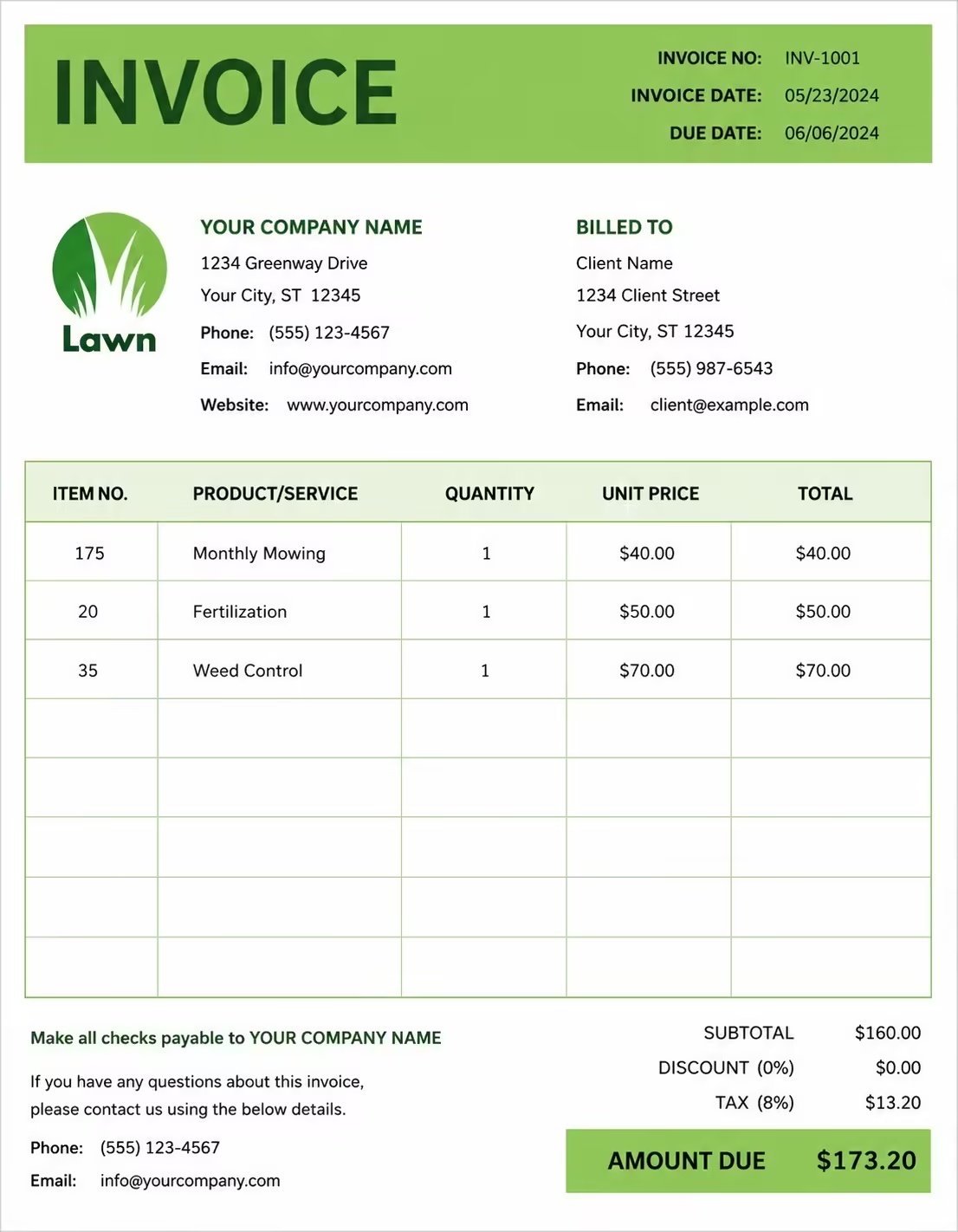
Free Veterinary Invoice Template
Free invoice templates for veterinary clinics, veterinarians, animal hospitals, pet care providers, mobile vets, emergency vet services, and animal health professionals. Download and edit in PDF, Word, Excel, Google Docs, or Google Sheets.
Use this template to bill for vet consultations, pet exams, vaccinations, treatments, lab tests, medication, surgery, dental care, emergency visits, boarding, taxes, discounts, deposits, and payment terms in a clear and professional way.
Download the app and manage invoices anywhere


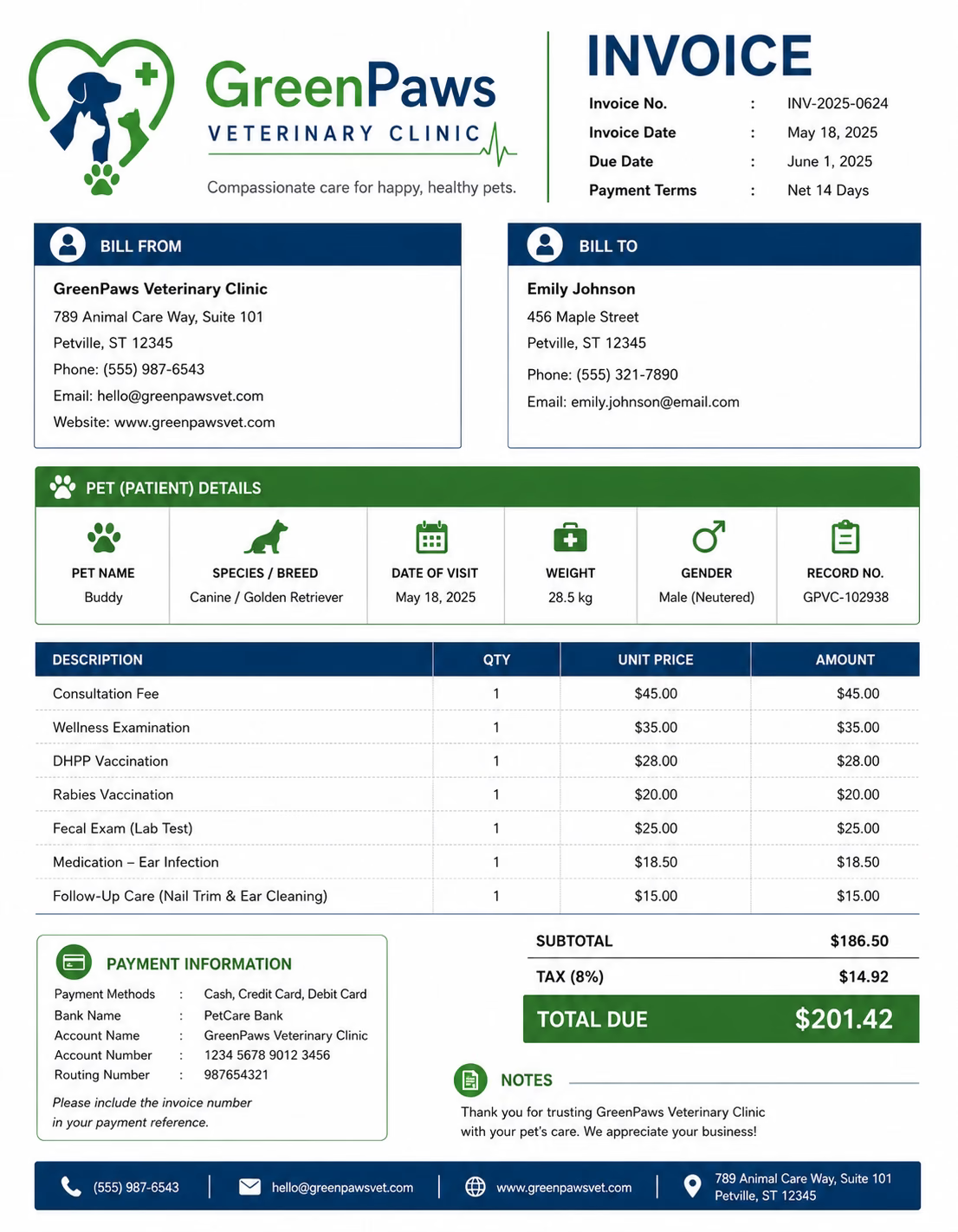
Download Free Veterinary Invoice Templates
Download a template, then edit it in PDF, Word, Excel, Google Docs, or Google Sheets. Print it, save it, or send it to the pet owner when the veterinary service is complete.
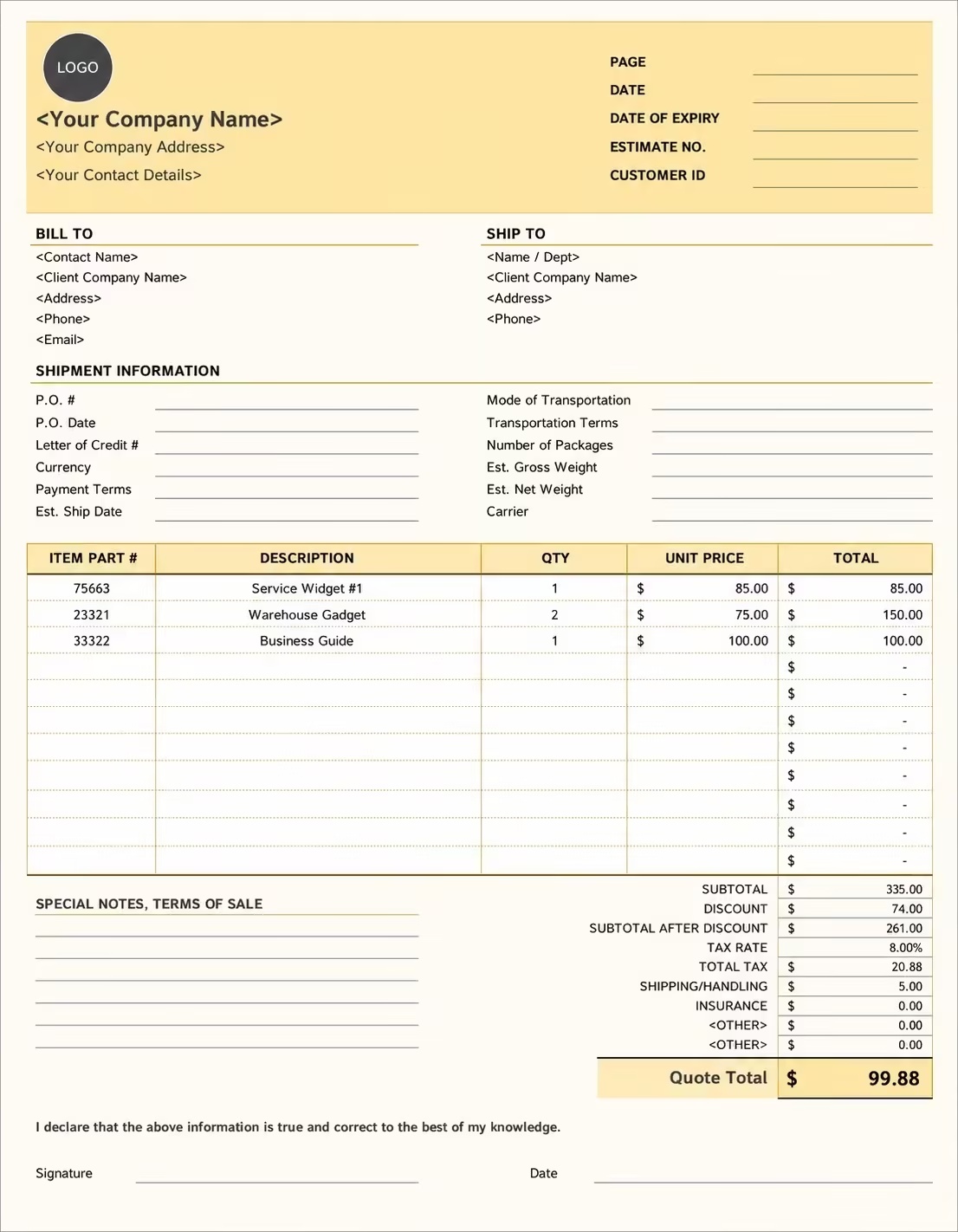
Editable Veterinary Invoice Template
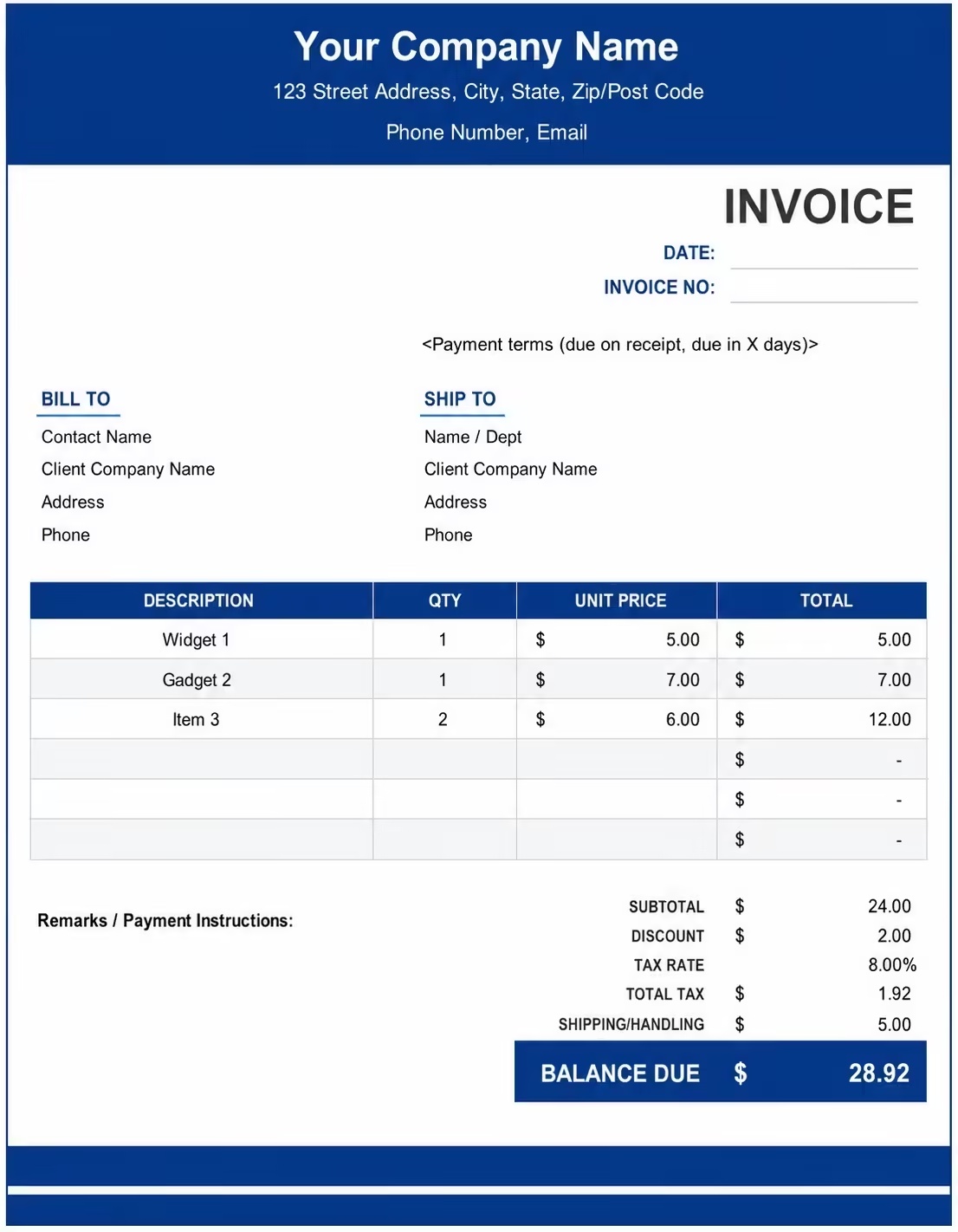
Printable Veterinary Invoice Template
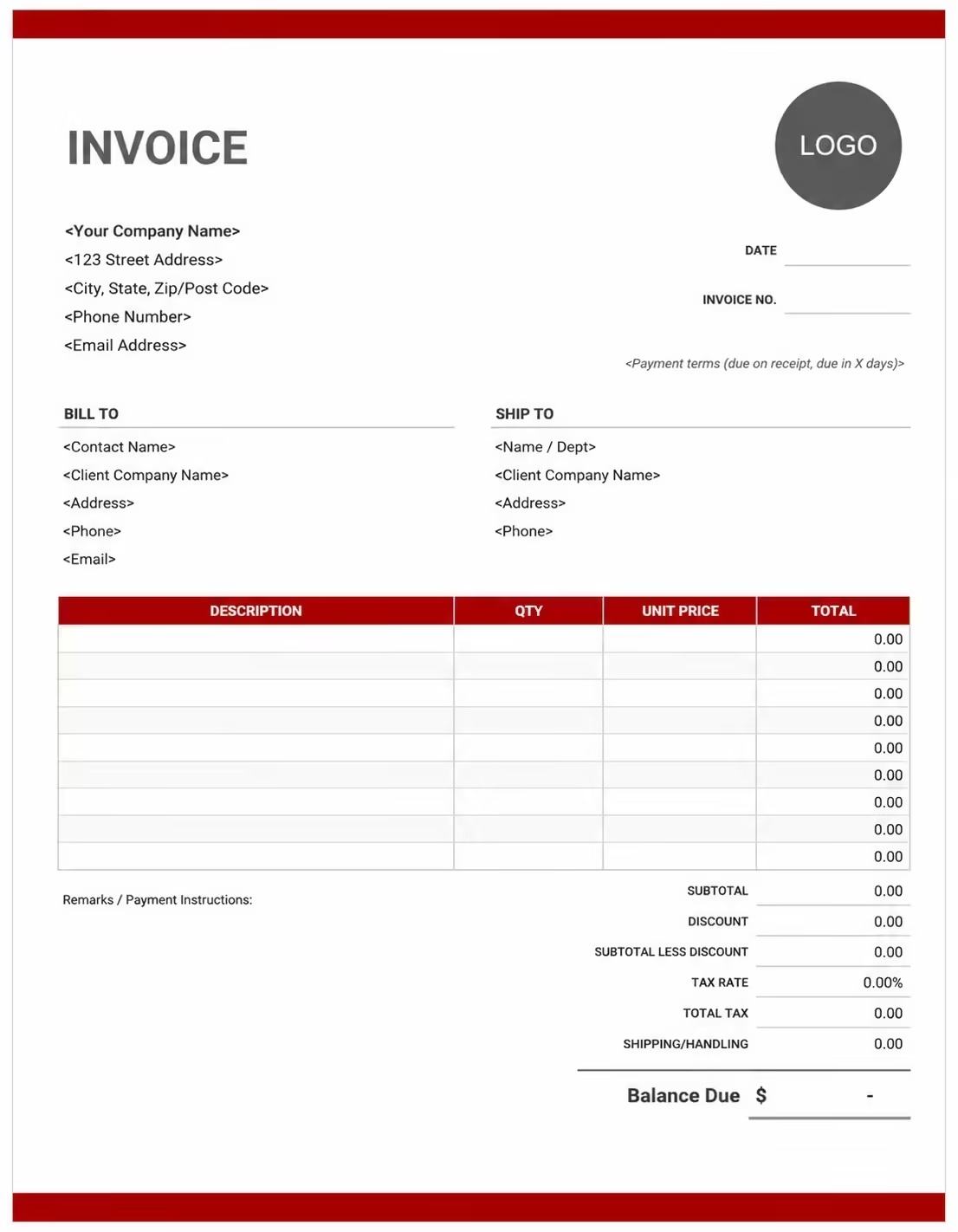
Free Veterinary Invoice Template
Use these templates for veterinary clinics, animal hospitals, mobile vets, pet wellness providers, emergency veterinary services, vaccination clinics, surgery centers, and animal care businesses.
How to Invoice for Veterinary Work
A good veterinary invoice should clearly show the pet owner details, pet name, visit date, service provided, treatment details, medication, lab fees, taxes, and payment terms.
Start Creating Invoices FreeIn 5 Steps:
- Confirm the pet owner details, pet name, appointment date, reason for visit, treatment plan, medication needs, and agreed pricing before starting the service.
- Record completed veterinary work, examination notes, vaccines given, tests performed, medication prescribed, procedures completed, and any approved extra services.
- Track veterinary costs such as consultation time, lab testing, injections, medicines, surgical supplies, bandages, dental materials, emergency care, and follow-up visits.
- Calculate consultation fees, treatment charges, lab fees, medication costs, procedure fees, discounts, deposits, taxes if applicable, and the final balance due.
- Send the invoice with payment options, due date, pet care notes, medication instructions, follow-up details, and any remaining balance instructions.
With Invoize, you can create veterinary invoices faster, save pet owner details, reuse common vet services, add medications and lab fees, and track payments from your phone.
What to Include in a Veterinary Invoice
A professional veterinary invoice should include the details needed to identify the pet owner, pet, visit, veterinary service, treatment, charges, and payment terms.
Invoice and Pet Details
- Invoice numberHelps track the invoice, payment record, and veterinary service history.
- Pet owner name and contact detailsShows who brought the pet for care and who is responsible for payment.
- Veterinary clinic detailsShows which vet clinic, animal hospital, or veterinarian provided the service.
- Pet nameConnects the invoice to the correct animal, especially when the owner has more than one pet.
- Pet type, breed, and ageHelps explain treatment needs, medication dosage, and veterinary care details.
Visit and Veterinary Details
- Medical record or patient IDConnects the invoice to the correct pet health record.
- Appointment or service dateShows when the veterinary service was provided.
- Reason for visitExplains whether the visit was for wellness care, illness, injury, vaccination, surgery, dental care, or emergency treatment.
- Veterinarian or technician nameShows who completed the exam, treatment, test, or procedure.
- Service descriptionExplains the consultation, exam, vaccination, lab test, treatment, surgery, or follow-up visit.
Payment and Final Notes
- Fees and added servicesShows consultation, exam, procedure, lab test, imaging, dental care, surgery, or emergency care charges.
- Medication and suppliesLists medication, injections, vaccines, supplements, bandages, medical supplies, dosage notes, or instructions.
- Discounts or insurance paymentsShows credits, deposits, insurance payments, or previous payments before the final balance.
- Total amount dueShows the final amount the pet owner needs to pay.
- Payment terms and care notesRecords the due date, payment methods, recovery advice, next appointment, vaccine reminders, or treatment instructions.
Billing Scenarios for Veterinary Services
Use clear invoice labels so pet owners understand the type of veterinary service, treatment charge, medication cost, lab fee, and final amount due.
| Scenario | Invoice line items | Best used for | How to describe it |
|---|---|---|---|
| Routine pet exam | Consultation fee, physical exam, wellness notes, medication if needed | Annual checkups, wellness visits, general pet health reviews, and routine clinic appointments. | Show the pet name, visit date, exam service, veterinarian name, and consultation fee clearly. |
| Vaccination visit | Vaccine charge, exam fee, injection fee, vaccine record, follow-up reminder | Pet vaccinations, booster shots, puppy vaccines, kitten vaccines, and preventive care visits. | List each vaccine separately with the pet name, service date, and any booster or reminder notes. |
| Illness or injury treatment | Exam fee, treatment charge, medication, lab test, follow-up care | Sick pets, minor injuries, infections, wounds, pain care, or general treatment visits. | Describe the condition, services completed, medicines provided, and follow-up instructions. |
| Lab testing or diagnostics | Blood test, urine test, X-ray, ultrasound, sample handling, report fee | Diagnostic testing, illness checks, pre-surgery checks, and ongoing pet health monitoring. | Show the test type, reason for testing, lab fee, and any report or review charge. |
| Surgery or dental procedure | Procedure fee, anesthesia, surgical supplies, medication, recovery notes | Spay or neuter surgery, dental cleaning, tooth extraction, wound repair, or planned procedures. | List the procedure, supplies, medication, anesthesia, and aftercare instructions clearly. |
| Emergency veterinary care | Emergency visit fee, urgent treatment, medication, diagnostics, after-hours charge | Urgent pet illness, injuries, accidents, after-hours visits, or emergency animal care. | Show the emergency date, urgent service provided, treatment charges, and follow-up care notes. |
Start Creating Invoices Free
☝️ Create your first invoice in seconds.
Common Charges and Fees for Veterinary Services
Itemize veterinary charges clearly so pet owners can see consultation fees, treatments, lab tests, medication, procedures, taxes, and any extra costs.
| Charge or service | Unit | When to use | How to show it |
|---|---|---|---|
| Consultation or exam fee | Visit | Use when charging for a veterinary consultation, wellness exam, sick visit, or health check. | Show the visit date, pet name, exam type, and consultation fee clearly. |
| Vaccination fee | Vaccine or injection | Use when giving vaccines, boosters, preventive shots, or required pet vaccinations. | List each vaccine separately with the vaccine name and price. |
| Treatment fee | Service or visit | Use when treating illness, injury, infection, pain, wounds, or other pet health issues. | Describe the treatment service and show the charge separately from medication. |
| Lab test fee | Test or sample | Use when blood work, urine tests, stool tests, allergy tests, or other lab work is performed. | Show the test name, quantity if needed, and fee clearly. |
| Imaging fee | Scan or service | Use when X-rays, ultrasound, scans, or other imaging services are provided. | List the imaging service separately from the consultation or treatment fee. |
| Medication | Item, dose, or prescription | Use when medication, antibiotics, pain relief, ointments, supplements, or prescriptions are provided. | Show medication name, quantity, dosage note, and total cost when useful. |
| Surgery or procedure fee | Procedure | Use for spay, neuter, dental work, wound repair, minor surgery, or other veterinary procedures. | Show the procedure name, service date, and procedure fee clearly. |
| Anesthesia or sedation | Service or procedure | Use when anesthesia or sedation is needed for surgery, dental care, imaging, or treatment. | List anesthesia or sedation separately when charged. |
| Medical supplies | Item or package | Use for bandages, syringes, wound care supplies, cones, dressings, or medical materials. | Show supplies separately when they are billed outside the main service fee. |
| Emergency or after-hours fee | Fee | Use when care is provided urgently, after hours, during weekends, or on holidays. | Add a clear label so the pet owner understands why the extra fee applies. |
| Tax | Percentage or amount | Use when tax applies to veterinary services, products, medications, or supplies based on local rules. | Show tax before the final total so the pet owner can see how the balance was calculated. |
| Deposit, insurance payment, or previous payment | Credit | Use when the pet owner paid before the visit or when insurance or another payment has been applied. | Subtract it from the invoice total and show the remaining balance due. |
Common Veterinary Invoicing Mistakes
Veterinary billing can include pet details, treatment notes, vaccines, lab tests, medication, procedures, emergency fees, deposits, and follow-up care. Missing details can confuse pet owners or delay payment. Avoid these common mistakes.
| Mistake | Why it causes problems | How to fix it |
|---|---|---|
| Not listing the pet name | The invoice may be hard to match with the correct pet, especially when the owner has more than one animal. | Add the pet name to every veterinary invoice. |
| Leaving out the visit date | The pet owner may not know which appointment, treatment, or clinic visit the invoice covers. | Add the appointment date, service date, or billing period clearly. |
| Not describing the veterinary service clearly | The pet owner may not understand what exam, treatment, vaccine, test, or procedure was provided. | Add a simple description for each veterinary service completed. |
| Combining all charges in one line | The total may look unclear because the pet owner cannot see exams, tests, medication, procedures, and taxes separately. | Separate consultation, vaccines, treatments, lab tests, medications, procedures, deposits, and taxes into clear line items. |
| Forgetting medication details | The pet owner may not understand what medication was provided or why it was charged. | Show medication name, quantity, dosage notes, and cost when useful. |
| Leaving out lab test or diagnostic fees | Testing charges may look unexpected if the test type is not listed clearly. | Add blood work, urine tests, X-rays, ultrasound, or other diagnostics as separate line items. |
| Not recording emergency or after-hours fees | Urgent care charges may be questioned if they are not explained. | Add emergency, after-hours, weekend, or holiday fees as separate line items. |
| Forgetting deposits, insurance, or previous payments | The final balance may look higher than expected. | Show deposits, insurance payments, advance payments, partial payments, or credits before the balance due. |
| Leaving out care or follow-up notes | The pet owner may not know what to do after the visit or when to return. | Add medication instructions, recovery notes, follow-up date, vaccine reminder, or aftercare details. |
| Not keeping invoice records | Tracking pet treatments, payments, medication history, lab tests, and client records becomes harder. | Keep a copy of every veterinary invoice for your clinic or business records. |
More Invoice Templates You May Like
Explore closely related invoice templates for veterinary work, similar services, and nearby billing scenarios before choosing the best format for your customer.
Questions
Frequently Asked Questions
How should I show veterinary exam charges on an invoice?
List the exam type, pet name, visit date, and price clearly. Example: “Routine wellness exam for Bella: $65” or “Sick pet consultation: $85.” This helps the pet owner understand what type of veterinary visit was billed.
What pet details should be included on a veterinary invoice?
Include the pet’s name, species, breed, age, owner’s name, visit date, and patient record number if available. Example: “Pet: Max, Dog, Labrador, Owner: Sarah Miller, Visit Date: June 12.” This connects the invoice to the correct animal and treatment record.
How do I invoice for vaccinations?
List each vaccine separately with the quantity and price. Example: “Rabies vaccine: $25,” “DHPP vaccine: $32,” or “FVRCP vaccine for cat: $30.” This makes it easy for the owner to see which vaccines were given.
Should medication be listed separately?
Yes. List each medicine with the name, dosage, quantity, and price when possible. Example: “Antibiotic tablets: 10-day course: $38” or “Flea and tick treatment: 1 dose: $22.” This keeps treatment costs clear and separate from the exam fee.
Can I include lab tests or diagnostic charges?
Yes. Lab tests, blood work, X-rays, urine tests, and other diagnostics should be listed as separate line items. Example: “Blood test panel: $95” or “X-ray imaging: 2 views: $140.” This helps explain charges beyond the basic visit.
How should I bill for surgery or dental treatment?
Break the service into clear parts, such as procedure fee, anesthesia, medication, monitoring, and aftercare. Example: “Dental cleaning procedure: $220,” “Anesthesia: $85,” and “Post-treatment medication: $35.” This makes larger veterinary bills easier to review.
How do I show emergency or after-hours veterinary service?
Add emergency or after-hours charges as a separate line item. Example: “Emergency visit fee: After-hours injury treatment: $120.” This explains why the invoice total may be higher than a regular appointment.
What payment terms should a veterinary invoice include?
Include the due date, accepted payment methods, deposit terms, insurance note, and any follow-up care policy. Example: “Payment due at the time of service. Pet insurance claims may be submitted separately. Follow-up visits, extra medication, or additional tests may require an updated invoice.”