
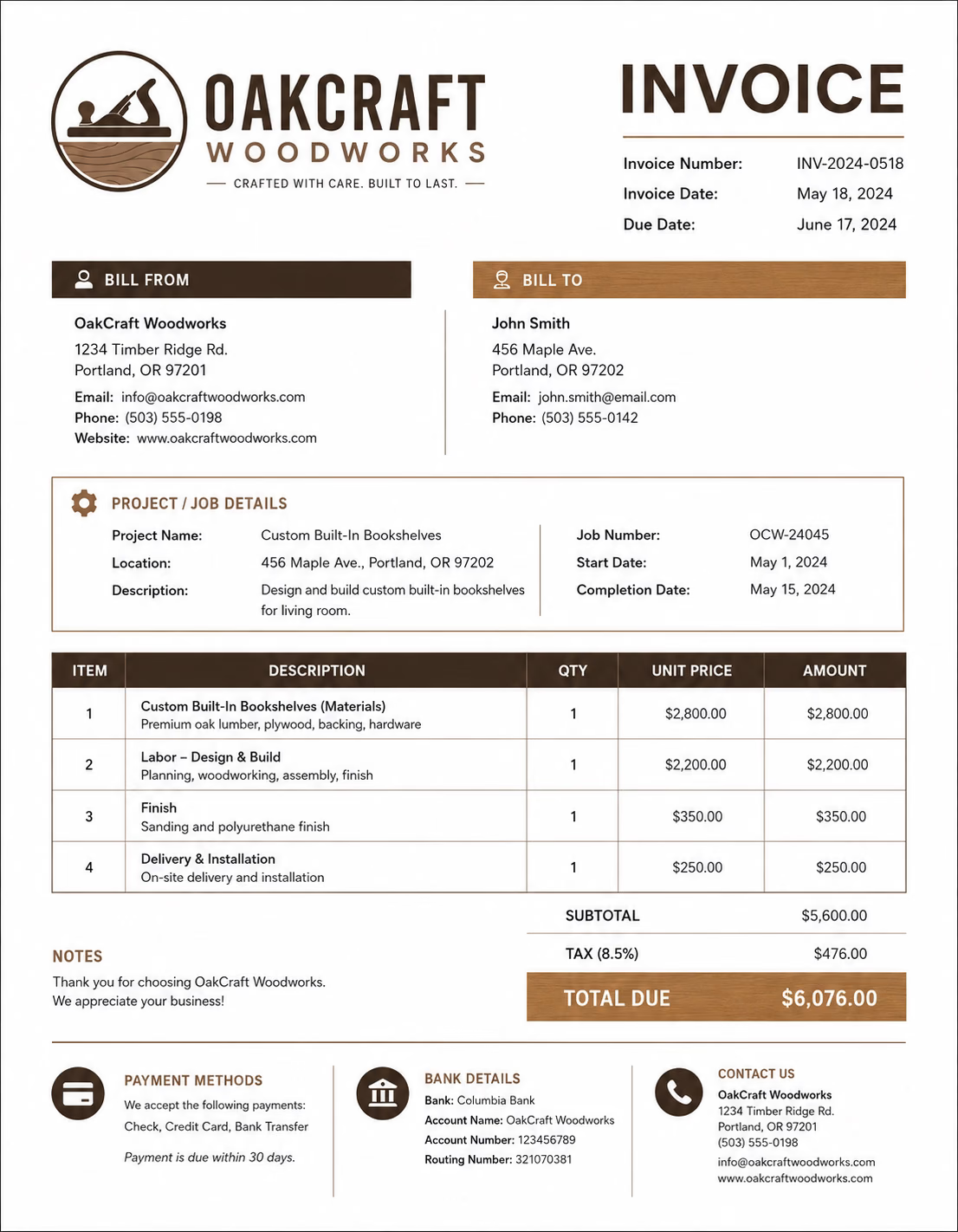
Free Woodworking Invoice Template
Free invoice templates for woodworking businesses, custom furniture makers, cabinet builders, wood repair services, craft woodworkers, carpenters, and handmade wood product sellers. Download and edit in PDF, Word, Excel, Google Docs, or Google Sheets.
Use this template to bill for woodworking labor, custom design, wood materials, hardware, finishing, repairs, installation, delivery, taxes, discounts, deposits, and payment terms in a clear and professional way.
Download the app and manage invoices anywhere


Download Free Woodworking Invoice Templates
Download a woodworking invoice template, then edit it in PDF, Word, Excel, Google Docs, or Google Sheets. Print it, save it, or send it when a custom furniture order, cabinet project, wood repair, handmade product order, restoration job, or installation service is complete.
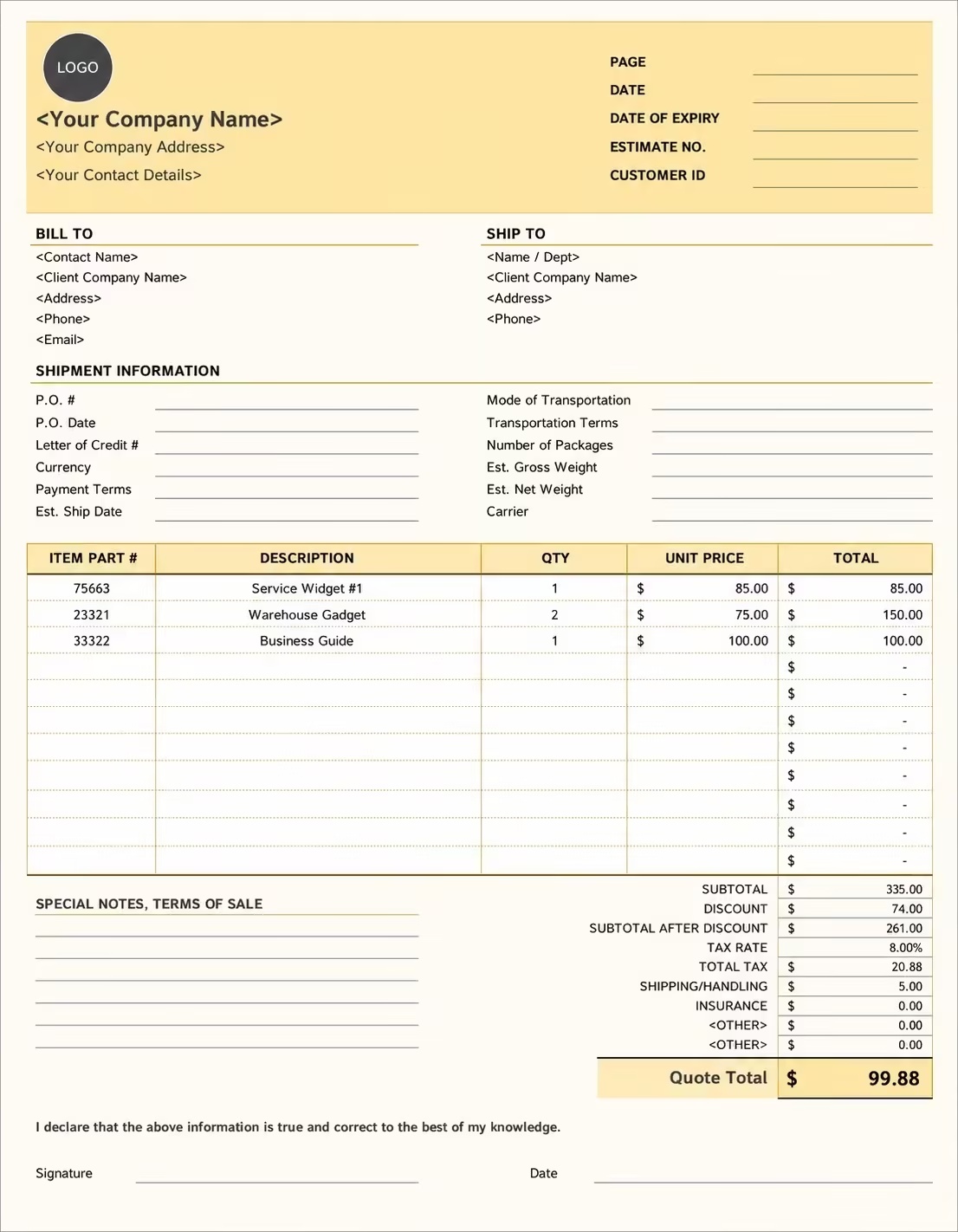
Editable Woodworking Invoice Template
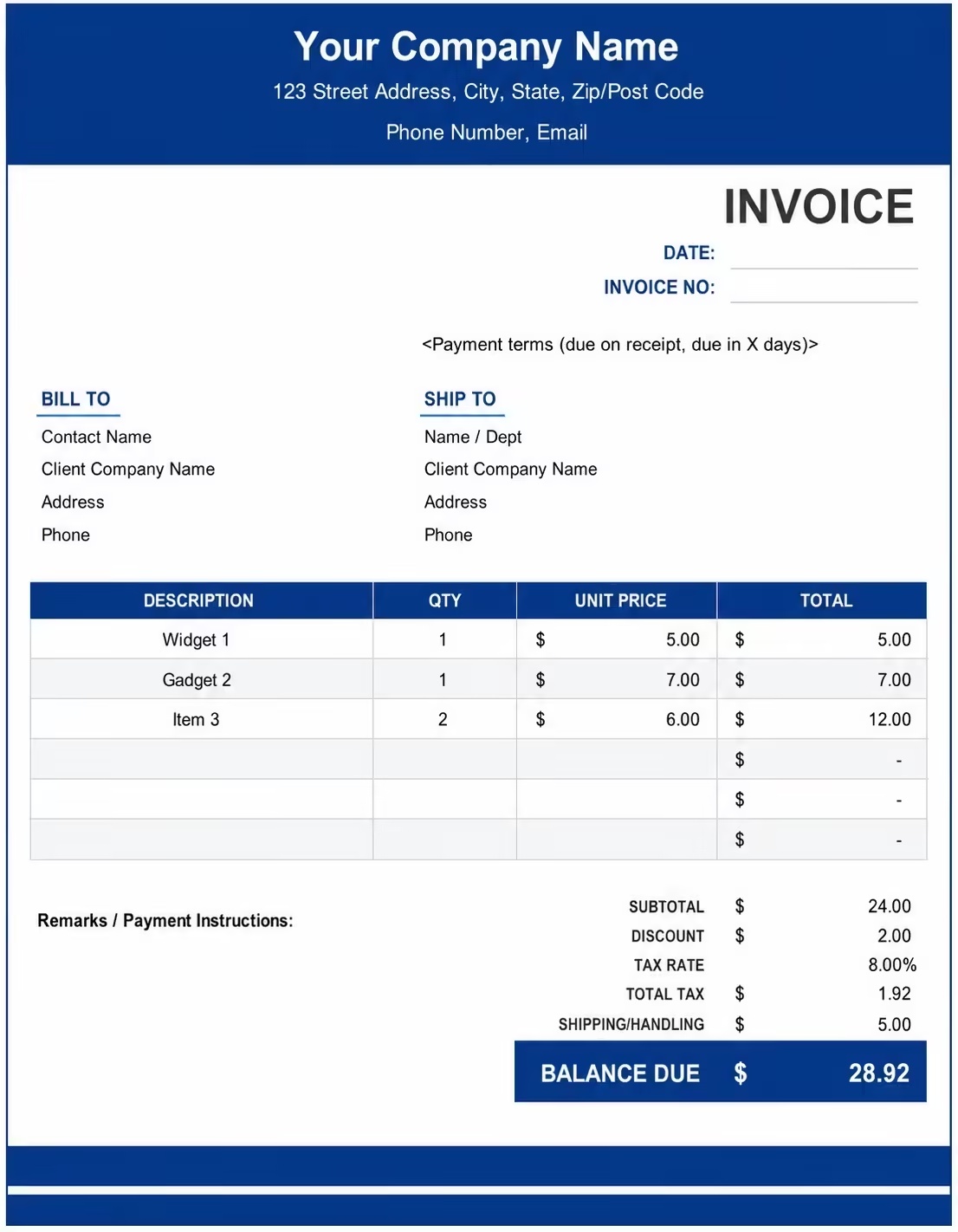
Printable Woodworking Invoice Template
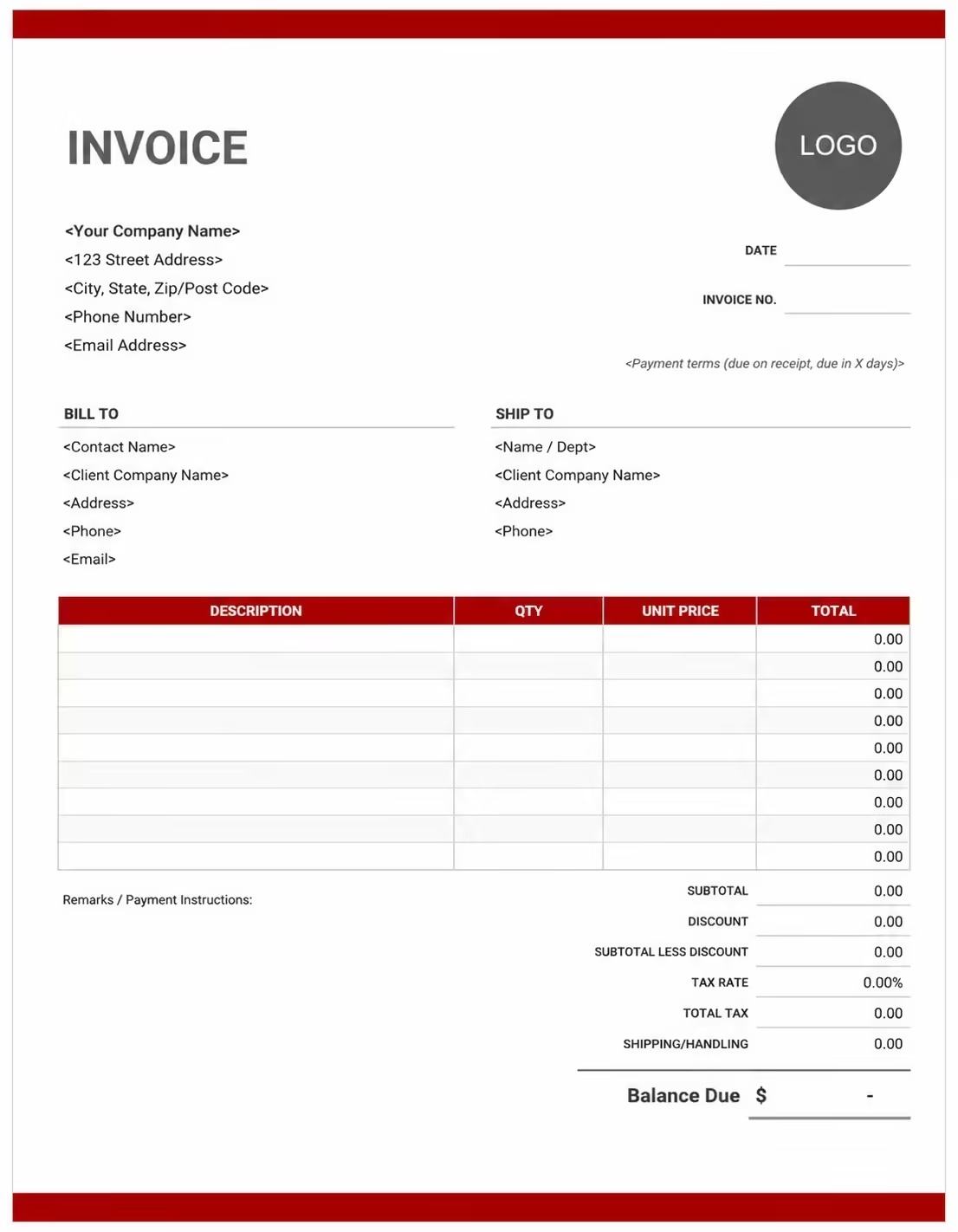
Free Woodworking Invoice Template
Use these templates for custom woodworkers, furniture makers, cabinet builders, carpenters, wood repair shops, handmade product sellers, shelving installers, and woodworking studios that need clean billing for labor, materials, hardware, finishing, delivery, deposits, and project totals.
How to Invoice for Woodworking Work
A good woodworking invoice should clearly show the project details, custom work completed, labor charges, materials used, finishing costs, delivery fees, taxes, and payment terms.
Download Free TemplateIn 5 Steps:
- Confirm the client details, project type, measurements, wood choice, design requirements, delivery needs, installation requirements, and agreed pricing before starting the work.
- Record the completed woodworking work, labor time, custom pieces made, materials used, hardware added, finishing work, repairs, and any approved changes.
- Track project costs such as hardwood, plywood, panels, hardware, glue, stain, paint, polish, sanding materials, packaging, delivery, and installation supplies.
- Calculate labor, materials, finishing fees, repair charges, delivery fees, installation charges, taxes, discounts, deposits, and the final balance due.
- Send the invoice with payment options, due date, project notes, care instructions, warranty details, and any follow-up recommendations.
With Invoize, you can create woodworking invoices faster, save client details, reuse common services and materials, add project notes, and track payments from your phone.
What to Include in a Woodworking Invoice
A professional woodworking invoice should include the details needed to identify the client, project, custom work, materials, charges, and payment terms.
Invoice and Project Details
- Invoice numberHelps track the invoice, payment record, project history, and client order.
- Client name and contact detailsShows who requested the woodworking project and who is responsible for payment.
- Business name and contact detailsShows which woodworker, cabinet builder, furniture maker, carpenter, or workshop completed the project.
- Project name or order referenceAdds the custom furniture order, cabinet project, repair job, product batch, or design reference.
- Service date or project periodShows when the woodworking work, repair, installation, or delivery was completed.
Woodworking Work Details
- Project descriptionExplains the custom woodwork, furniture piece, cabinet build, shelving project, repair, restoration, or handmade product.
- Measurements or specificationsRecords dimensions, quantity, wood type, finish, hardware choice, design notes, and custom requirements.
- Labor or fixed project feeShows whether the woodworking work was billed by labor hours, a fixed project price, unit pricing, or custom quote.
- Wood and materialsLists hardwood, plywood, MDF, panels, boards, timber, veneer, glue, fasteners, stain, paint, varnish, or finishing supplies.
- Hardware and finishing detailsShows hinges, handles, drawer slides, brackets, locks, screws, sanding, staining, polishing, sealing, or painting work.
Payment and Final Notes
- Delivery or installation chargesLists delivery, setup, fitting, mounting, on-site adjustment, packaging, or handling fees when needed.
- Discounts, deposits, or previous paymentsShows credits or amounts already paid before the final balance.
- Total amount dueShows the final amount the client needs to pay.
- Payment due date and methodsTells the client when payment is expected and how they can pay.
- Care, warranty, or follow-up notesAdds wood care instructions, finish curing notes, warranty details, delivery notes, or follow-up recommendations.
Billing Scenarios for Woodworking Businesses
Use clear invoice labels so clients understand the type of woodworking project, custom labor, material costs, finishing work, and final amount due.
| Scenario | Invoice line items | Best used for | How to describe it |
|---|---|---|---|
| Custom furniture order | Design, labor, wood materials, hardware, finishing, delivery | Tables, chairs, desks, wardrobes, beds, benches, shelves, or custom storage units. | Break the project into design, labor, materials, finishing, and delivery so the client understands the full cost. |
| Cabinet or shelving project | Measurements, wood panels, hardware, labor, installation, finishing | Kitchen cabinets, wall shelves, bookcases, display units, wardrobes, or storage cabinets. | Show the item type, size, materials, hardware, installation work, and finish separately. |
| Wood repair or restoration | Repair labor, replacement wood, sanding, refinishing, polish, materials | Damaged furniture, cracked wood, worn surfaces, broken joints, doors, trim, or old wood restoration. | Describe the repair clearly and list any replacement materials or finishing work used. |
| Wood carving or decorative work | Design labor, carving labor, wood materials, finishing, custom details | Decorative panels, signs, engraved items, carved furniture parts, trim, moldings, or handmade wood art. | Explain the custom design and show labor and material charges clearly. |
| Small handmade wood products | Product quantity, material cost, labor, packaging, delivery | Cutting boards, trays, boxes, frames, signs, small shelves, toys, or handmade wood gifts. | List each item, quantity, unit price, and any packaging or delivery cost. |
| Installation or delivery service | Delivery fee, installation labor, fitting work, hardware, adjustments | Finished pieces delivered or installed at the client’s home, office, shop, or job site. | Show delivery and installation separately from the woodworking project price. |
Create Invoice Now
☝️ Create a professional invoice in seconds.
Common Charges and Fees for Woodworking Businesses
Itemize woodworking charges clearly so clients can see labor, materials, finishing, custom work, delivery, taxes, and any extra costs.
| Charge or service | Unit | When to use | How to show it |
|---|---|---|---|
| Woodworking labor | Time | Use for cutting, shaping, building, sanding, joining, assembling, repairing, installing, or finishing wood pieces. | Show labor hours multiplied by the hourly rate with a short work description. |
| Flat project fee | Fixed price | Use when the full woodworking project has one agreed price. | List the project name and fixed amount clearly. |
| Design or planning fee | Fee | Use when charging for drawings, measurements, custom planning, design revisions, or layout work. | Add it as a separate line so the client understands the cost before production begins. |
| Wood and panels | Item, sheet, board, length, or quantity | Use when charging for hardwood, softwood, plywood, MDF, boards, panels, veneer, or timber. | Show material name, quantity, unit price, and total cost. |
| Hardware | Item or quantity | Use for hinges, handles, drawer slides, locks, screws, nails, brackets, fasteners, or mounting hardware. | List hardware separately when it adds to the project cost. |
| Finishing materials | Item or fee | Use for stain, paint, varnish, polish, sealant, oil, wax, sanding supplies, or protective coating. | Show finishing materials separately from wood and labor. |
| Refinishing or restoration fee | Service | Use when sanding, repairing, polishing, repainting, refinishing, or restoring an old wood item. | Describe the restoration work and show the fee clearly. |
| Packaging fee | Fee | Use when fragile, handmade, or finished wood items need protective packaging. | List packaging separately if it is charged to the client. |
| Delivery or installation fee | Service | Use when delivering, fitting, mounting, or installing the finished woodwork. | Show delivery or installation costs separately from the project price. |
| Rush order fee | Fee | Use when the client requests fast completion, priority work, weekend work, or a short deadline. | Add a clear label so the client understands why the extra fee applies. |
| Tax | Percentage or amount | Use when tax applies to labor, materials, products, or services based on local rules. | Show tax before the final total so the client can see how the balance was calculated. |
| Deposit or previous payment | Credit | Use when the client paid before or during the woodworking project. | Subtract it from the invoice total and show the remaining balance due. |
Common Woodworking Invoicing Mistakes
Woodworking projects can include custom design, materials, hardware, labor, finishing, delivery, installation, repairs, and deposits. Missing details can confuse clients or delay payment.
| Mistake | Why it causes problems | How to fix it |
|---|---|---|
| Not describing the custom work clearly | The client may not understand what was designed, built, repaired, refinished, delivered, or installed. | Add a short description for each woodworking task or custom item completed. |
| Leaving out measurements or specifications | Custom woodworking costs can be questioned when size, quantity, wood type, or design details are missing. | Add dimensions, quantity, wood type, finish, and custom requirements when useful. |
| Combining labor, materials, and finishing into one line | The total may look unclear because the client cannot see labor, wood, hardware, finishing, and delivery separately. | Separate labor, materials, hardware, finishing, delivery, installation, taxes, and deposits into clear line items. |
| Not listing wood materials used | The client may not understand why material charges were added or why premium wood costs more. | List hardwood, plywood, MDF, panels, boards, veneer, or timber separately when material cost matters. |
| Forgetting hardware and fasteners | Hinges, drawer slides, handles, brackets, locks, screws, and mounting hardware can add real cost to the project. | Add hardware as separate line items when charged to the client. |
| Leaving out finishing details | Staining, sanding, varnishing, sealing, polishing, or painting can take time and materials. | Show finishing labor and materials clearly so the client understands the final look and cost. |
| Forgetting delivery or installation charges | The final invoice may look higher than expected if delivery or installation is not itemized. | Add delivery, fitting, mounting, packaging, or installation as separate line items. |
| Not showing deposits or previous payments | The remaining balance may look incorrect if a deposit has already been paid. | Subtract deposits, partial payments, or credits before the final balance due. |
| Leaving out care or warranty notes | Clients may not know how to care for the wood, finish, hardware, or newly installed item. | Add wood care instructions, curing time, finish notes, warranty details, and follow-up recommendations. |
| Not keeping project invoice records | Tracking orders, materials, payments, warranty details, and repeat clients becomes harder. | Keep a copy of every woodworking invoice for your business records. |
More Invoice Templates You May Like
Explore closely related invoice templates for woodworking work, similar services, and nearby billing scenarios before choosing the best format for your customer.
Questions
Frequently Asked Questions
What should a woodworking invoice include?
A woodworking invoice should include business details, client details, invoice number, project name, service date, custom work description, dimensions or specifications, labor, wood materials, hardware, finishing costs, delivery or installation charges, taxes, deposits, payment terms, and the final balance due.
How should I show woodworking labor on an invoice?
Show woodworking labor as either hours multiplied by an hourly rate or as a fixed project fee. Add a short description such as cutting, shaping, assembly, sanding, finishing, repair, installation, or custom build work.
Should wood materials be listed separately?
Yes. List hardwood, plywood, MDF, panels, boards, timber, veneer, or other materials separately when they affect the project price. This helps the client understand material cost and custom choices.
How do I invoice for custom furniture?
Break the invoice into design or planning, labor, wood materials, hardware, finishing, delivery, installation, taxes, and deposits. Include measurements, item description, wood type, and finish details when possible.
Can I charge separately for finishing work?
Yes. Sanding, staining, painting, sealing, varnishing, polishing, and protective coating can be shown as separate labor or material charges if they are not included in the base project price.
How should I show deposits on a woodworking invoice?
Add the deposit or previous payment as a credit before the final balance due. This makes the remaining amount clear and helps prevent confusion after the project is delivered or installed.
Can this template be used for wood repairs?
Yes. Wood repair services can use this template to bill repair labor, replacement wood, hardware, sanding, refinishing, restoration materials, delivery, and final payment details.
What payment terms should a woodworking invoice include?
Include the due date, accepted payment methods, deposit terms, custom order policy, delivery or installation notes, warranty notes, and any care instructions for the finished wood item.