
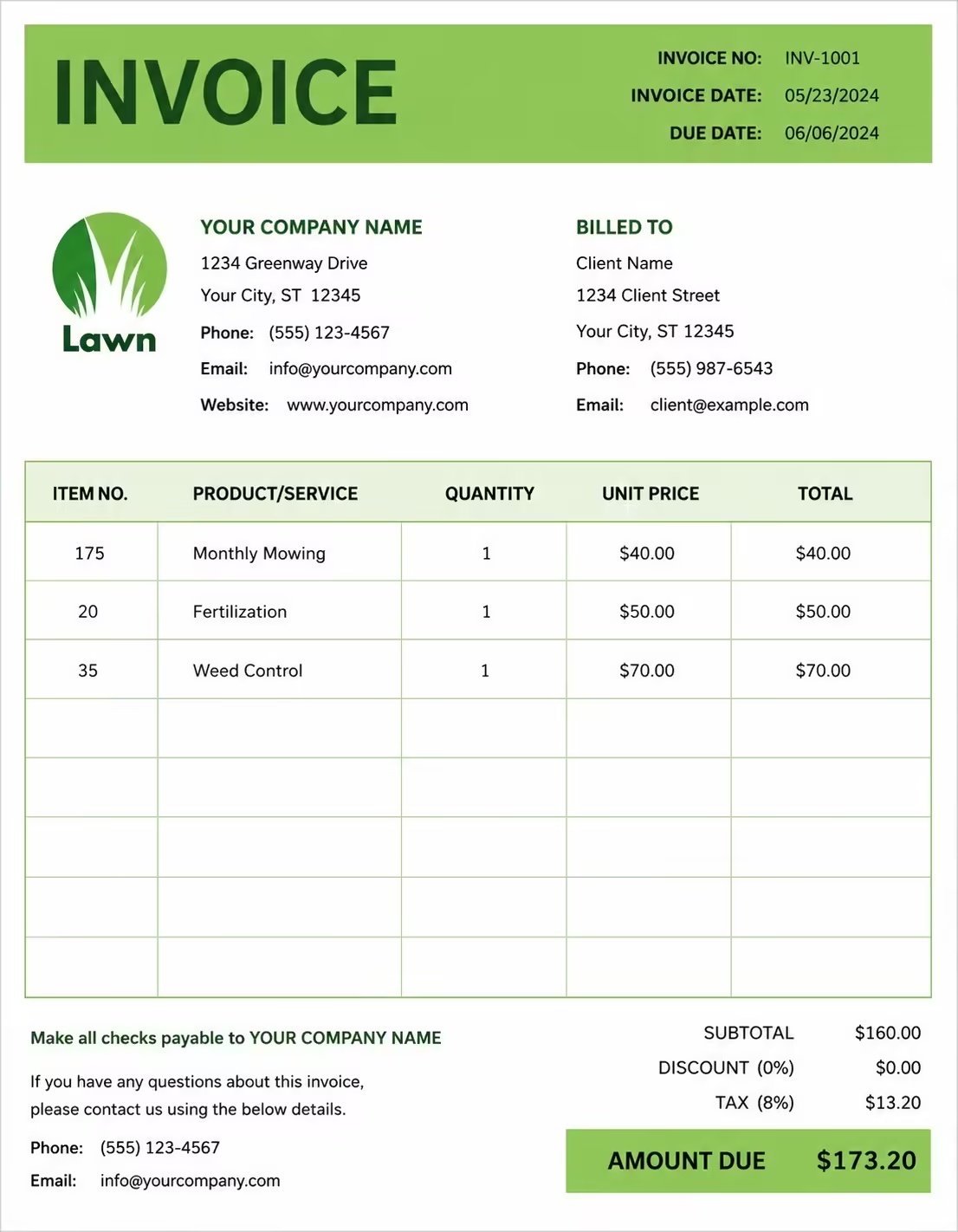
Free Auction Invoice Template
Free invoice templates for auction houses, auctioneers, online auction sellers, estate auction services, art auction businesses, vehicle auction providers, antique sellers, and consignment auction businesses. Download and edit in PDF, Word, Excel, Google Docs, or Google Sheets.
Use this template to bill for auctioned items, winning bids, buyer premiums, seller commissions, consignment sales, listing fees, delivery, storage, taxes, deposits, and payment terms in a clear and professional way.
Download the app and manage invoices anywhere


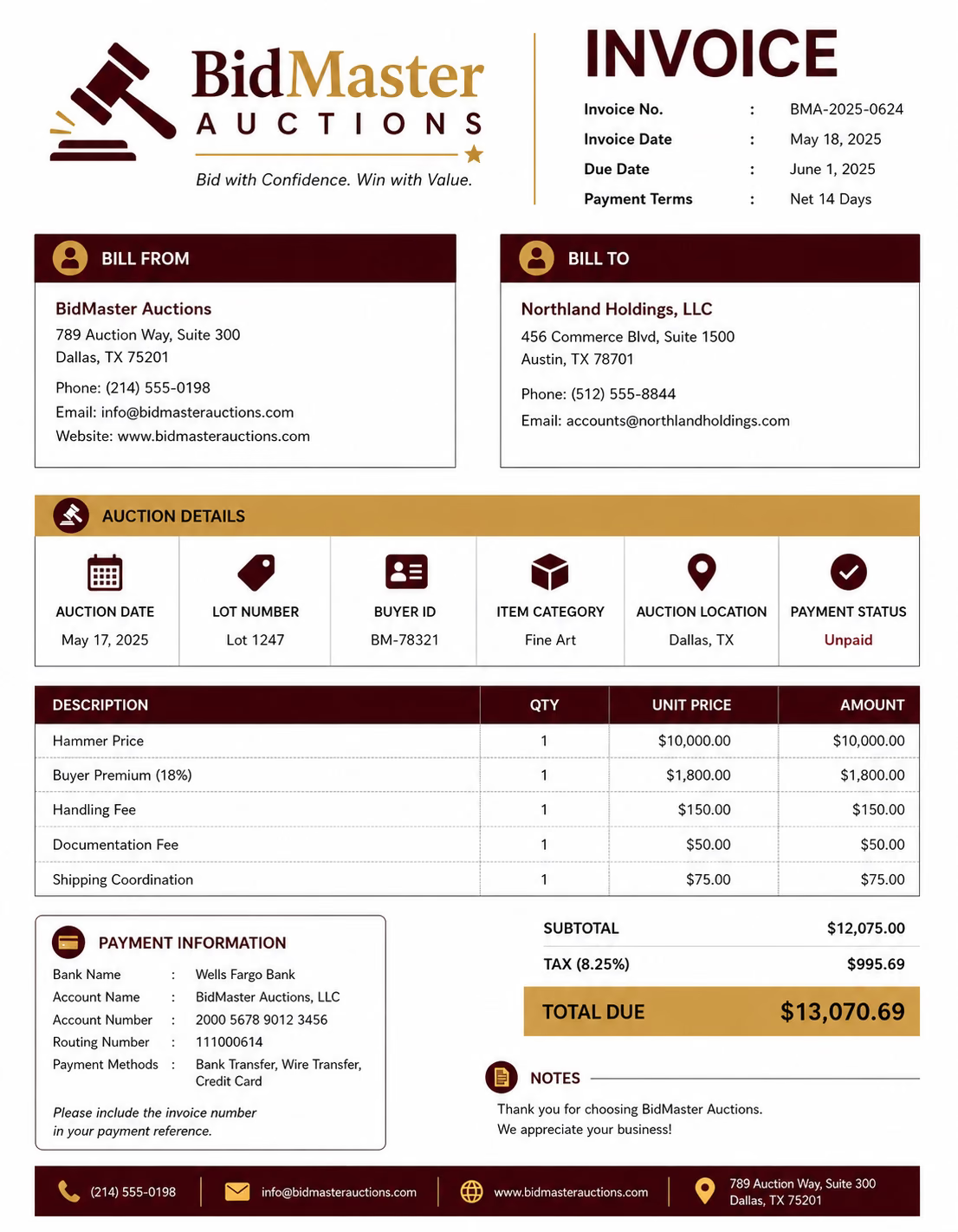
Download Free Auction Invoice Templates
Download a template, then edit it in PDF, Word, Excel, Google Docs, or Google Sheets. Print it, save it, or send it to your buyer, bidder, seller, consignor, collector, business, or organization when the auction sale is complete or when payment is due.
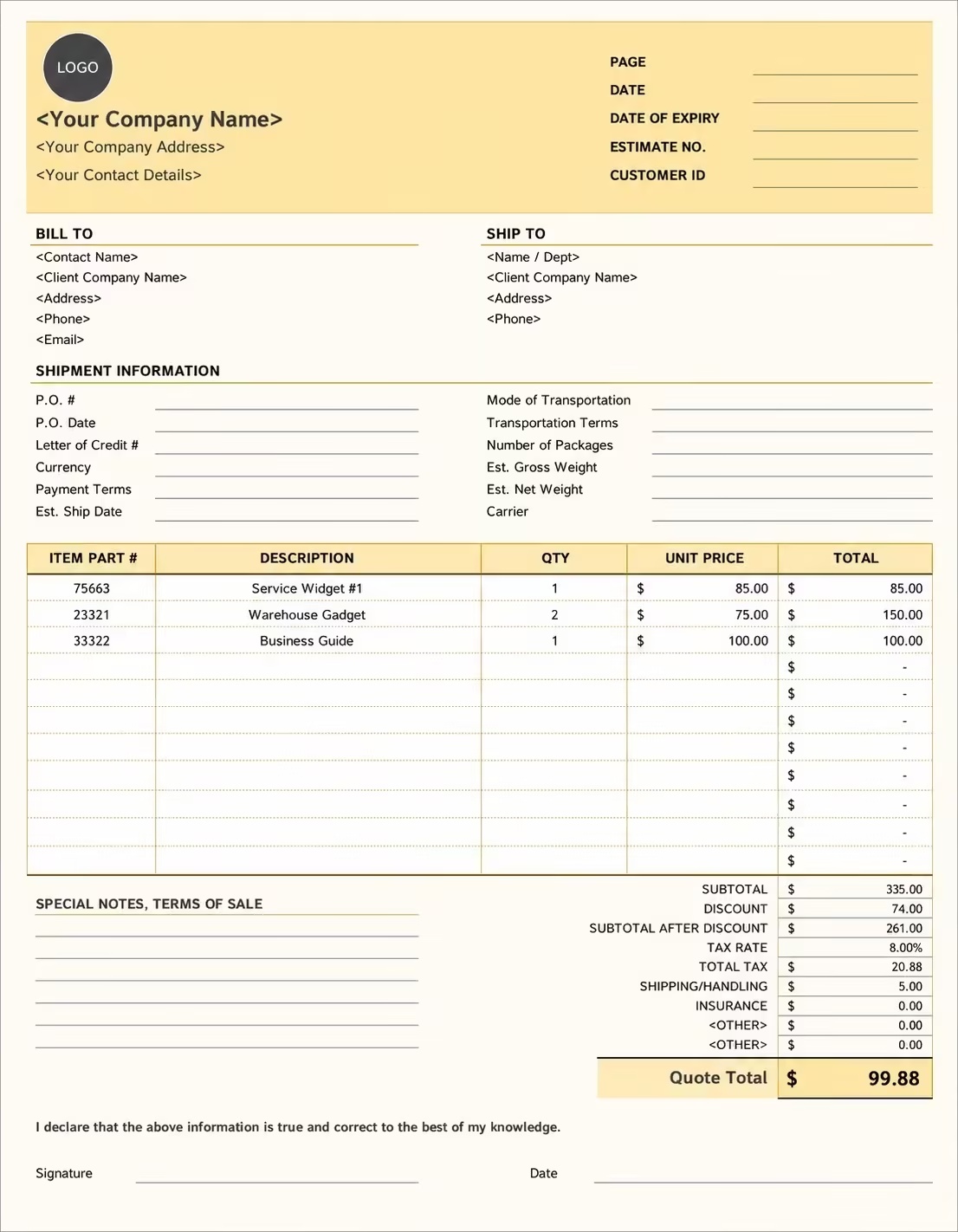
Editable Auction Invoice Template
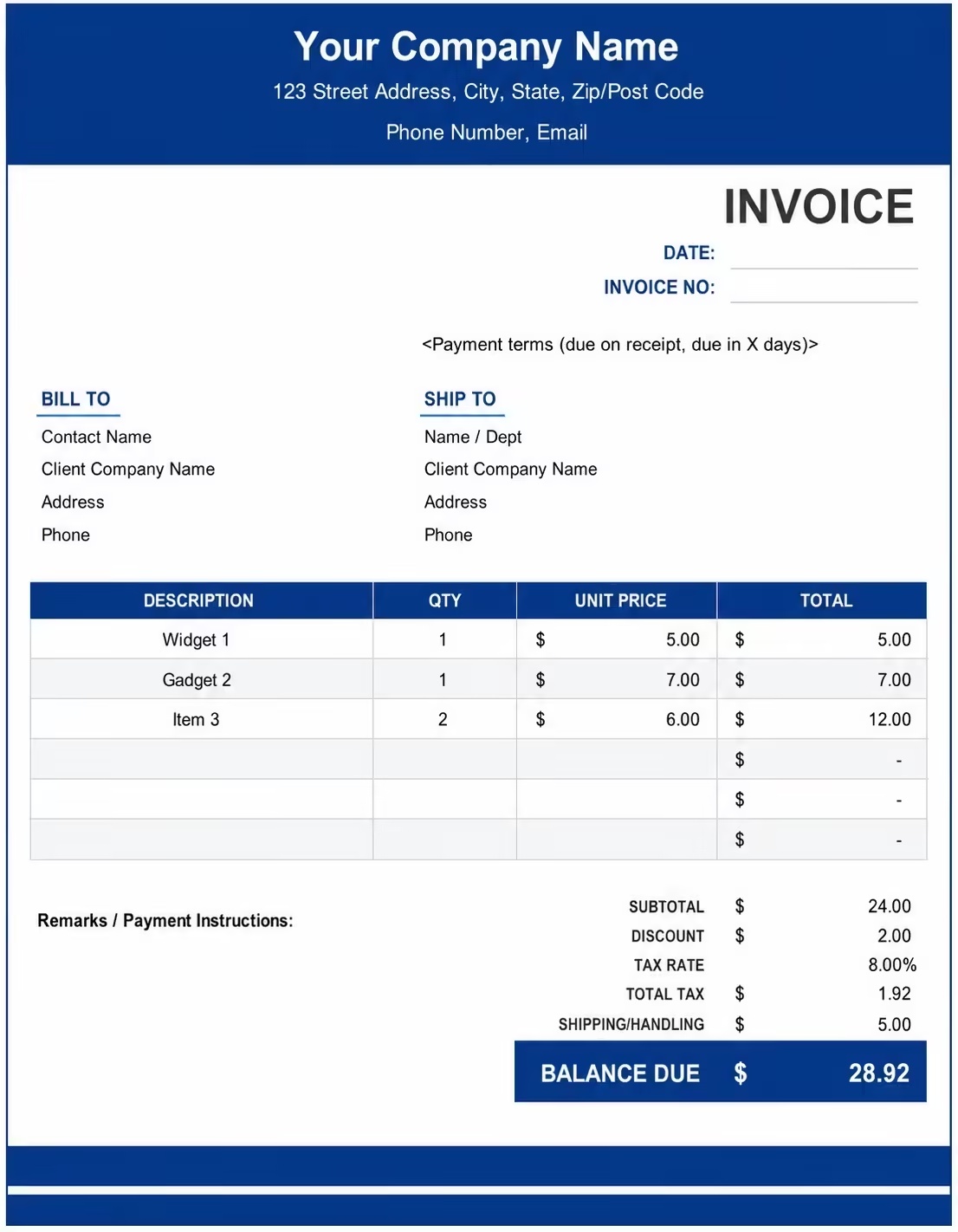
Printable Auction Invoice Template
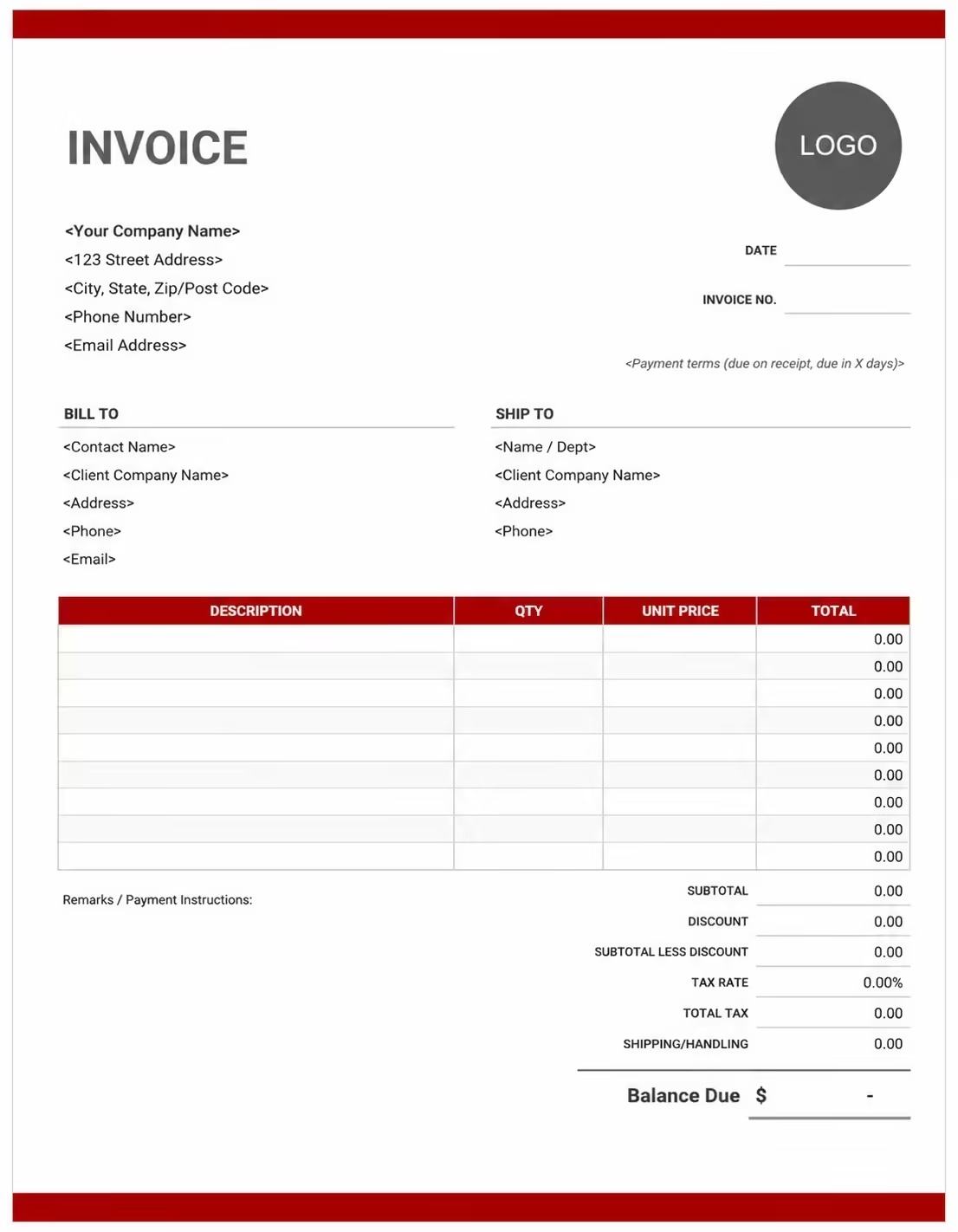
Free Auction Invoice Template
Use these templates for auction houses, auctioneers, estate sales, online auctions, antique auctions, art auctions, vehicle auctions, charity auctions, liquidation sales, and consignment auction businesses.
How to Invoice for Auction Sales
A good auction invoice should clearly show the buyer or seller details, auction date, lot number, item description, winning bid, buyer premium, seller commission, taxes, deposits, and payment terms.
Download Free TemplateIn 5 Steps:
- Confirm the buyer, bidder, seller, consignor, business, or organization details, auction date, lot number, item details, winning bid, commission rate, and payment terms before preparing the invoice.
- Record completed auction sales, sold items, lot numbers, bid amounts, buyer premiums, seller commissions, listing fees, storage fees, delivery charges, and any approved extra services.
- Track auction-related costs such as catalog listing, photography, valuation, marketing, storage, handling, shipping, insurance, payment processing, and administrative work.
- Calculate winning bid totals, buyer premiums, seller commissions, listing charges, delivery fees, discounts, deposits, taxes if applicable, and the final balance due.
- Send the invoice with payment options, due date, auction notes, lot details, pickup or delivery instructions, and any remaining balance instructions.
With Invoize, you can create auction invoices faster, save buyer and seller details, reuse common auction items, add buyer premiums and commission fees, and track payments from your phone.
What to Include in an Auction Invoice
A professional auction invoice should include the details needed to identify the buyer, seller, auction event, lot items, bid amount, fees, charges, and payment terms.
Invoice and Auction Details
- Invoice numberHelps track the invoice, payment record, and auction sale history.
- Buyer, bidder, collector, company, or payer detailsShows who won or purchased the auction item and who is responsible for payment.
- Auction house, auctioneer, seller, or consignment business detailsShows which auction provider completed the sale or issued the invoice.
- Auction name, auction number, sale reference, or account referenceConnects the invoice to the correct auction event, sale, bidder account, or transaction record.
- Auction date, invoice date, sale date, pickup date, or delivery dateShows when the auction sale happened and when payment, pickup, delivery, or collection is expected.
Lot and Item Details
- Bidder number, buyer ID, seller ID, consignor, or lot referenceHelps match the invoice with the correct bidder, seller, consignor, lot, or auction record.
- Lot number, item title, category, brand, model, or serial numberHelps identify the exact auction item, lot, product, model, or collectible being billed.
- Quantity, item count, lot count, weight, size, or package detailsShows what was included in the auction purchase or sale.
- Winning bid, hammer price, reserve price, or agreed sale priceShows the base auction amount before premiums, commissions, taxes, or extra charges.
- Condition, certificate, provenance, inspection, or pickup noteRecords important item details, sale terms, verification notes, and the line item total for each auction lot or item.
Payment and Final Notes
- Fees and commissionsLists buyer premium, seller commission, auctioneer fee, listing fee, consignment fee, storage, handling, shipping, delivery, insurance, packing, or payment processing fee.
- Discounts, deposits, bid deposits, or advance paymentsShows credits, deposits, bid deposits, advance payments, discounts, or amounts already paid before the final balance.
- Subtotal, tax, and total amount dueShows the final amount the buyer, seller, consignor, company, or payer needs to pay.
- Payment due date and methodsTells the payer when payment is expected and how they can pay.
- Auction notes or payment termsRecords pickup rules, delivery terms, buyer premium terms, commission terms, late fees, storage terms, balance instructions, or auction payment notes.
Billing Scenarios for Auction Businesses
Use clear invoice labels so buyers, bidders, sellers, consignors, and organizations understand the auction item, winning bid, buyer premium, commission fee, deposit, and final amount due.
| Scenario | Invoice line items | Best used for | How to describe it |
|---|---|---|---|
| Winning bidder invoice | Lot number, item description, winning bid, buyer premium, tax, balance due | Auction houses, online auctions, estate sales, antique auctions, and general auction purchases. | Show the bidder number, auction date, lot details, hammer price, buyer premium, and final amount clearly. |
| Consignment auction sale | Sold item, sale price, seller commission, listing fee, payout balance | Sellers and consignors who list items through an auction house or auctioneer. | List the item sold, lot number, sale price, commission rate, deductions, and seller payout balance. |
| Estate auction invoice | Estate items, multiple lots, buyer premium, pickup fee, storage fee | Estate sales, house clearances, liquidation auctions, and multi-lot personal property sales. | Show the estate name or reference, lot numbers, item list, fees, pickup terms, and final amount due. |
| Vehicle or equipment auction | Vehicle lot, VIN or serial number, winning bid, admin fee, transfer fee | Vehicle auctions, machinery auctions, equipment sales, fleet sales, and business asset auctions. | Show the vehicle or equipment details, lot number, sale amount, fees, and payment deadline. |
| Online auction order | Online lot, buyer premium, payment processing, shipping, handling | Online auctions, remote bidders, marketplace auctions, and shipped auction purchases. | Show the online auction reference, item details, bid amount, shipping fee, and payment balance. |
| Charity auction invoice | Winning bid, donated item, event name, payment amount, receipt note | Fundraising auctions, nonprofit events, school auctions, charity galas, and benefit events. | Show the event name, item won, winning bid, payment terms, and any special event note. |
Create Invoice Now
☝️ Create a professional invoice in seconds.
Common Charges and Fees for Auction Invoices
Itemize auction charges clearly so buyers and sellers can see winning bids, buyer premiums, commissions, listing fees, shipping, storage, taxes, and any extra costs.
| Charge or service | Unit | When to use | How to show it |
|---|---|---|---|
| Winning bid or hammer price | Lot, item, or sale | Use when billing the buyer for the final accepted bid amount on an auction item. | Show the lot number, item description, winning bid, and line total clearly. |
| Buyer premium | Percentage or amount | Use when the buyer pays an added auction fee above the winning bid or hammer price. | Show the buyer premium rate and amount separately from the winning bid. |
| Seller commission | Percentage or amount | Use when deducting or billing a seller commission from the auction sale proceeds. | Show the sale price, commission rate, and commission amount clearly. |
| Listing or catalog fee | Item, lot, listing, or sale | Use when charging for item listing, catalog placement, photography, description writing, or auction setup. | Show the listing service separately when it is charged outside commission. |
| Valuation or appraisal fee | Item, lot, hour, or service | Use when valuing items before auction, preparing estimates, or reviewing item condition. | Show the item or lot reviewed, service date, and valuation fee. |
| Storage fee | Day, week, item, lot, or space | Use when items are stored before auction, after sale, or after the pickup deadline. | Show the storage period, item reference, rate, and storage total. |
| Shipping, packing, or handling fee | Shipment, package, item, or order | Use when auction items are packed, handled, shipped, delivered, or prepared for collection. | Show shipping address, delivery method, packing details, and fee separately. |
| Payment processing or admin fee | Fee, transaction, or invoice | Use when card processing, online payment support, paperwork, transfer support, or admin work is billed. | Show the payment or admin fee separately with a short note. |
| Reserve, withdrawal, or relisting fee | Fee, item, or lot | Use when an item is withdrawn, relisted, does not meet reserve, or needs another auction listing. | Add a clear label so the seller understands why the extra fee applies. |
| Late payment or late pickup fee | Fee, day, item, or lot | Use when the buyer pays late, collects late, or leaves items after the pickup deadline. | Show the late period, item reference, and fee separately. |
| Tax | Percentage or amount | Use when tax applies to auction items, buyer premiums, commissions, shipping, handling, or extra fees based on local rules. | Show tax before the final total so the payer can see how the balance was calculated. |
| Deposit, bid deposit, or previous payment | Credit | Use when the buyer, bidder, seller, or consignor paid before or during the auction process. | Subtract it from the invoice total and show the remaining balance due. |
Common Auction Invoicing Mistakes
Auction billing can include lot numbers, item descriptions, winning bids, buyer premiums, seller commissions, shipping, storage, deposits, taxes, and payment terms. Missing details can confuse buyers or sellers and delay payment. Avoid these common mistakes.
| Mistake | Why it causes problems | How to fix it |
|---|---|---|
| Not listing the lot number | The buyer or seller may not know which auction item, sale, event, or transaction the invoice covers. | Add the lot number, auction name, auction date, sale reference, bidder number, or consignor reference clearly. |
| Not describing the auction item clearly | The payer may not understand which item, collection, vehicle, artwork, antique, or lot was sold or purchased. | Add item name, description, category, brand, model, serial number, condition note, or certificate detail when useful. |
| Combining all charges in one line | The total may look unclear because the payer cannot see winning bids, premiums, commissions, shipping, storage, deposits, and taxes separately. | Separate winning bids, buyer premiums, commissions, listing fees, shipping, storage, deposits, credits, and taxes into clear line items. |
| Not showing winning bid or sale price | The payer may question the final amount if the hammer price, sale price, or bid amount is not visible. | Show winning bid, hammer price, sale amount, reserve note if useful, and line item total clearly. |
| Forgetting buyer premium or seller commission | Buyers and sellers may not understand why the final total is different from the bid amount or sale price. | Show buyer premium, seller commission, commission rate, auctioneer fee, and deductions separately. |
| Leaving out pickup or delivery details | The buyer may not know when and where to collect the item or how shipping and handling will be charged. | Add pickup date, delivery address, shipping method, handling fee, storage deadline, and collection instructions. |
| Not recording storage or late pickup fees | Extra charges may be questioned if the pickup deadline, storage period, or late fee is not shown. | Show storage dates, late pickup period, item reference, rate, and added fee clearly. |
| Forgetting deposits or bid credits | The final balance may look higher than expected. | Show bid deposits, advance payments, partial payments, credits, or previous payments before the balance due. |
| Leaving out auction payment terms | The buyer or seller may not know when payment is due, how to pay, or how late fees and collection rules work. | Add payment due date, payment methods, buyer premium terms, commission terms, pickup rules, late fees, and balance instructions. |
| Not keeping invoice records | Tracking auction items, buyers, bidders, sellers, commissions, payments, and sale history becomes harder. | Keep a copy of every auction invoice for your auction house, auctioneer, or consignment business records. |
More Invoice Templates You May Like
Explore closely related invoice templates for auction work, similar services, and nearby billing scenarios before choosing the best format for your customer.
Questions
Frequently Asked Questions
How should I show winning bid charges on an auction invoice?
List each auction item separately with the lot number, item name, winning bid, and total amount. Example: “Lot #24: Antique wooden table: Winning bid: $450.” This helps the buyer understand exactly which item they won and the final bid price.
What bidder or buyer details should be included?
Include the buyer name, bidder number, auction date, invoice number, lot numbers, payment due date, and contact details. Example: “Buyer: Sarah Miller, Bidder #108, Auction date: June 12.” This connects the invoice to the correct auction purchase.
Should buyer premiums be listed separately?
Yes. Buyer premiums should be shown as a separate line item or clearly added below the bid subtotal. Example: “Buyer premium: 10% of $450 = $45.” This helps the buyer see the difference between the winning bid and the final invoice total.
How do I invoice for multiple auction lots?
List each lot on its own line with the lot number, description, winning bid, and any related fees. Example: “Lot #12: Vintage lamp: $80” and “Lot #13: Framed artwork: $150.” This makes the invoice easy to review when a buyer wins several items.
Can I include seller commission on an auction invoice?
Yes, if the invoice is for a seller instead of a buyer. List the sale amount, commission rate, and payout amount clearly. Example: “Item sold: $1,000,” “Seller commission: 15% = $150,” and “Seller payout: $850.”
How should I show shipping, packing, or handling fees?
Add shipping, packing, storage, pickup, or handling fees separately from the winning bid. Example: “Packing and handling fee: $25” or “Auction item shipping: $60.” This keeps item costs separate from delivery-related charges.
How do I show taxes, deposits, or credits?
Show the bid subtotal first, then add taxes and subtract any deposits or credits clearly. Example: “Winning bid subtotal: $800,” “Sales tax: $64,” “Deposit paid: -$200,” and “Balance due: $664.” This makes the final amount easy to understand.
What payment terms should an auction invoice include?
Include the due date, accepted payment methods, buyer premium terms, pickup deadline, late fee policy, and storage rules. Example: “Payment due within 3 days. Items must be collected within 7 days. Late pickup, storage, shipping, or unpaid balances may require an updated invoice.”