
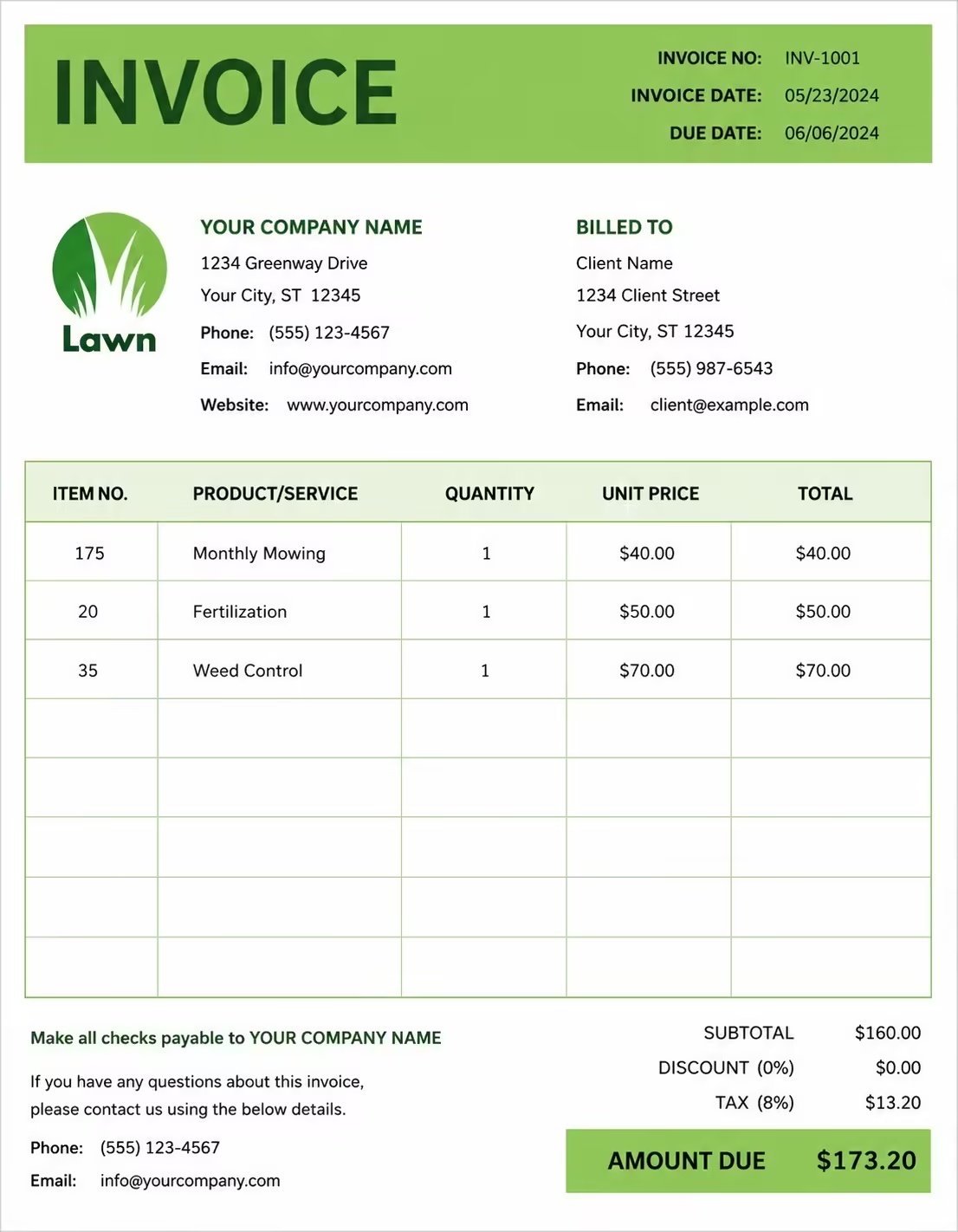
Free Bookkeeping Invoice Template
Free invoice templates for bookkeepers, bookkeeping firms, accounting assistants, finance support providers, virtual bookkeepers, payroll support providers, and small business bookkeeping services. Download and edit in PDF, Word, Excel, Google Docs, or Google Sheets.
Use this template to bill for bookkeeping services, monthly account support, bank reconciliation, payroll support, expense tracking, financial reports, tax preparation support, software setup, taxes, discounts, deposits, and payment terms in a clear and professional way.
Download the app and manage invoices anywhere


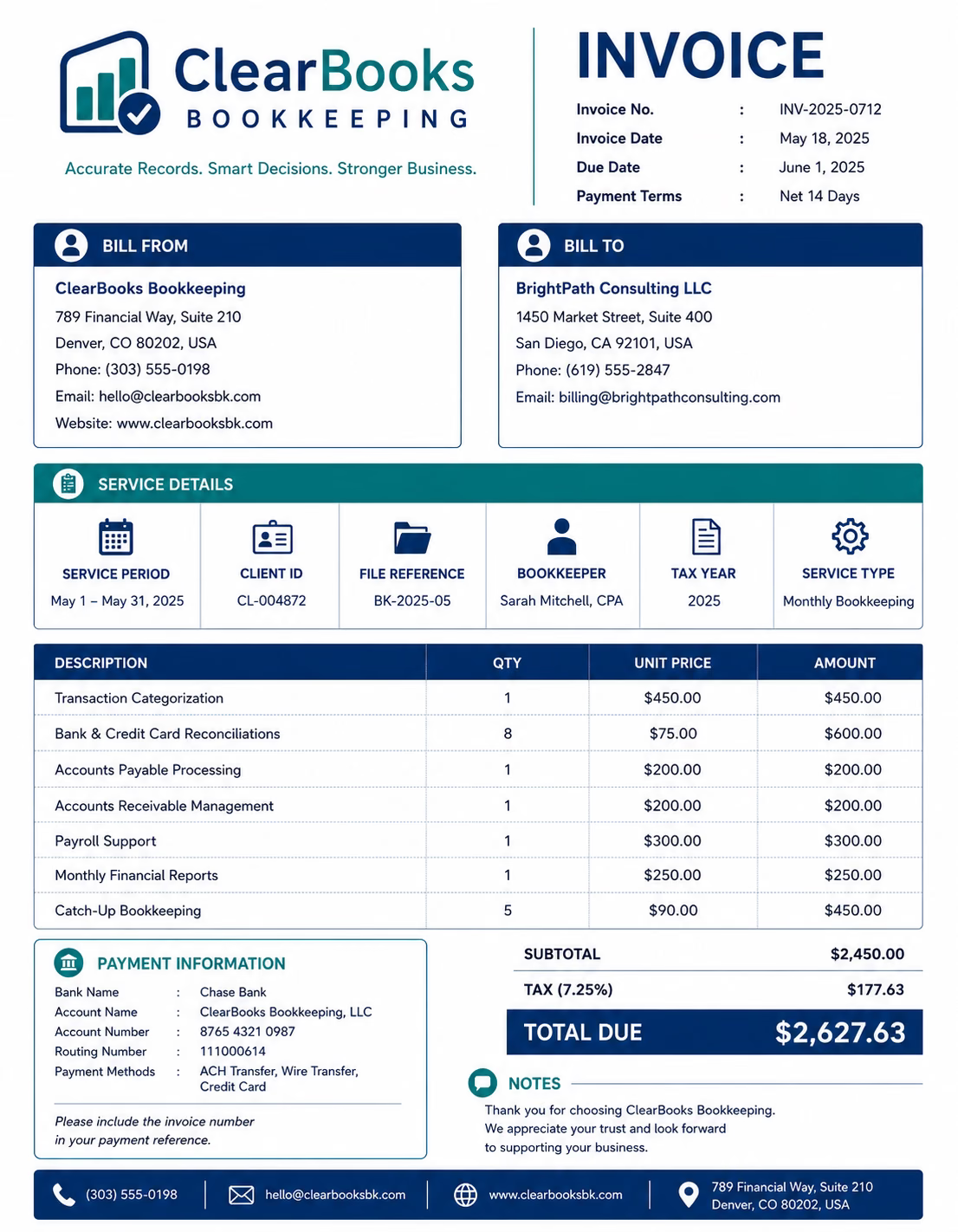
Download Free Bookkeeping Invoice Templates
Download a template, then edit it in PDF, Word, Excel, Google Docs, or Google Sheets. Print it, save it, or send it to your client, business owner, company, organization, or account contact when the bookkeeping work is complete or when a billing period ends.
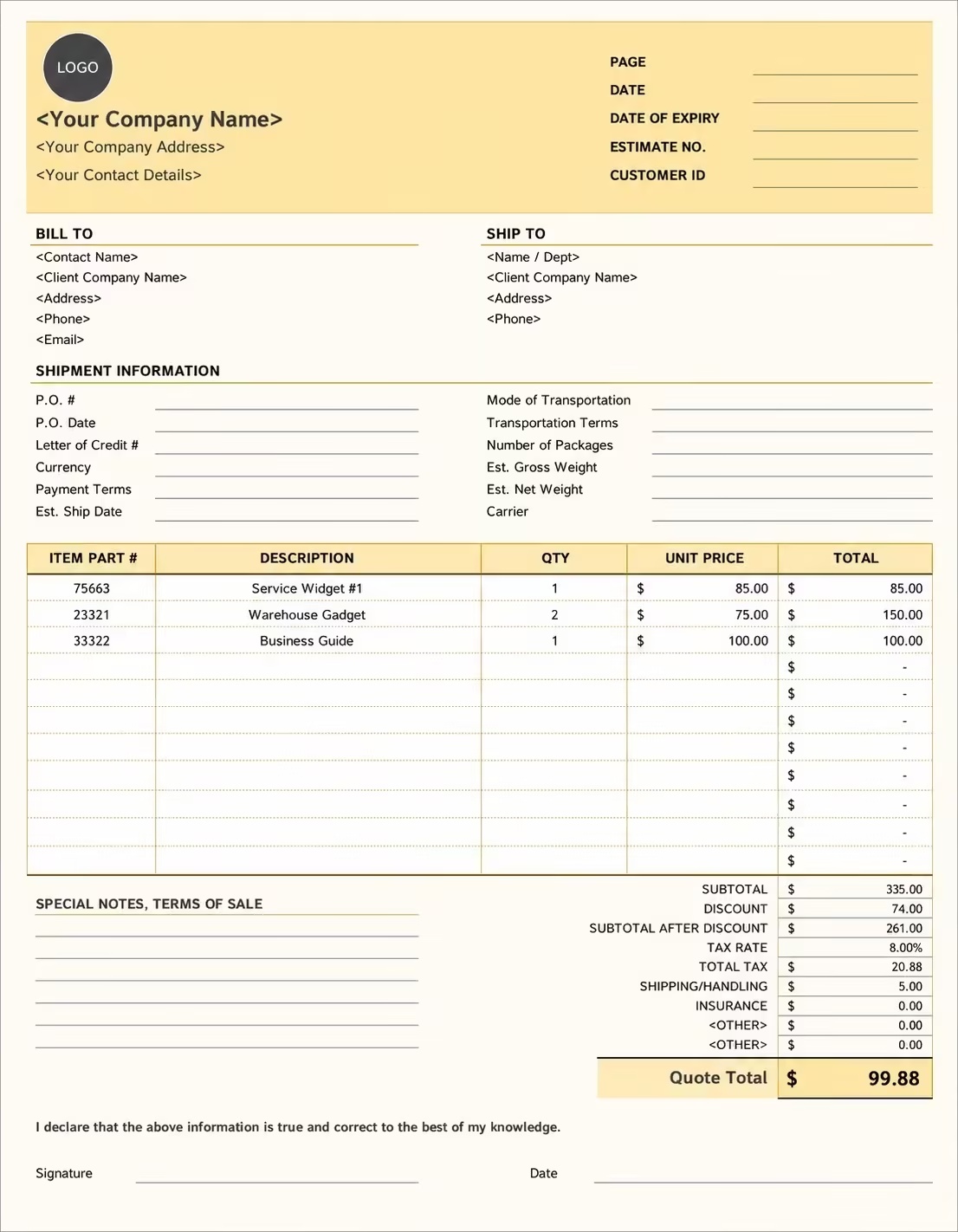
Editable Bookkeeping Invoice Template
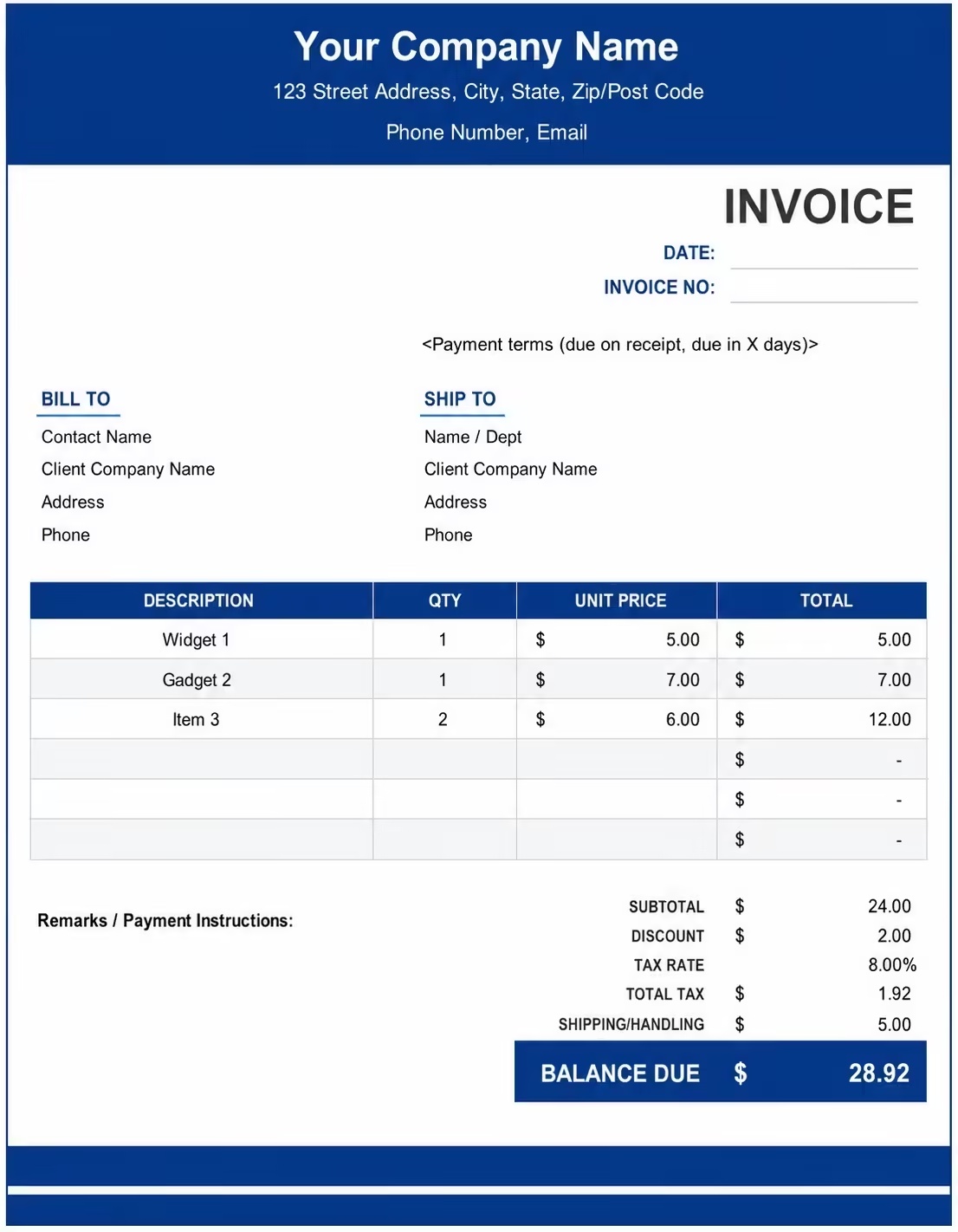
Printable Bookkeeping Invoice Template
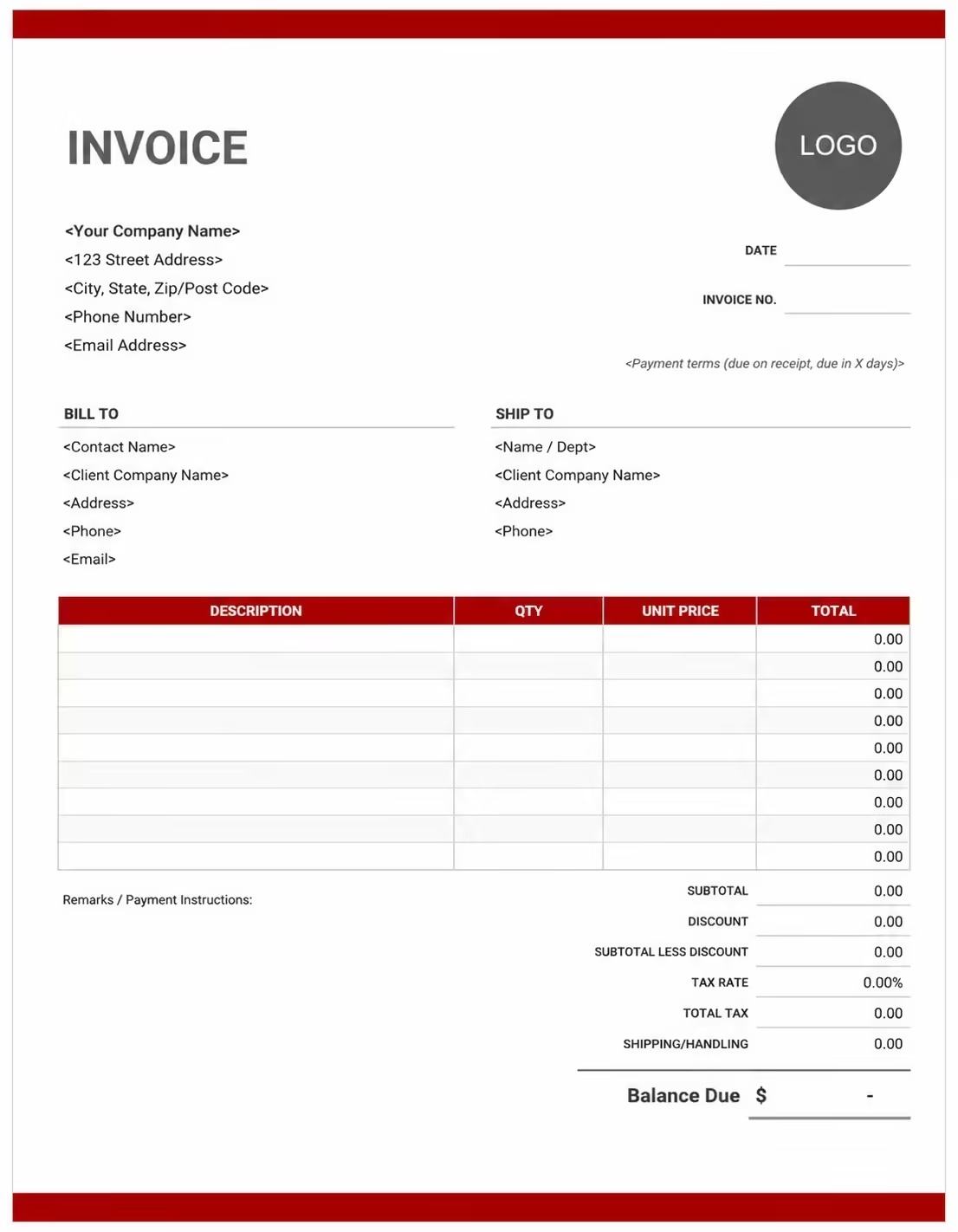
Free Bookkeeping Invoice Template
Use these templates for bookkeepers, bookkeeping firms, accounting assistants, finance support providers, virtual bookkeepers, payroll support providers, and small business bookkeeping services.
How to Invoice for Bookkeeping Services
A good bookkeeping invoice should clearly show the client details, business name, service period, bookkeeping tasks completed, hours worked, monthly fee, report charges, deposits, taxes, and payment terms.
Download Free TemplateIn 5 Steps:
- Confirm the client details, business name, bookkeeping service type, billing period, account access, software used, reporting needs, and agreed pricing before preparing the invoice.
- Record completed bookkeeping work, transaction entry, bank reconciliation, expense tracking, invoice matching, payroll support, report preparation, account cleanup, and any approved extra services.
- Track bookkeeping-related costs such as software setup, data entry time, report preparation, payroll support, receipt organization, file cleanup, admin work, and extra review time.
- Calculate bookkeeping fees, hourly charges, monthly service fees, cleanup charges, payroll support fees, report fees, discounts, deposits, taxes if applicable, and the final balance due.
- Send the invoice with payment options, due date, service period, bookkeeping notes, report details, and any remaining balance instructions.
With Invoize, you can create bookkeeping invoices faster, save client details, reuse common bookkeeping service items, add monthly fees and cleanup charges, and track payments from your phone.
What to Include in a Bookkeeping Invoice
A professional bookkeeping invoice should include the details needed to identify the client, business account, bookkeeping period, services completed, charges, and payment terms.
Invoice and Bookkeeping Details
- Invoice numberHelps track the invoice, payment record, and bookkeeping service history.
- Client, business owner, company, or account contact detailsShows who received the bookkeeping service and who is responsible for payment.
- Bookkeeper, bookkeeping firm, or accounting support provider detailsShows which bookkeeping provider, accounting support provider, firm, or business completed the work.
- Business name, account reference, project reference, or client IDConnects the invoice to the correct business account, bookkeeping file, client ID, or service record.
- Invoice date, service date, billing period, or financial periodShows when the bookkeeping work was completed or which month, quarter, billing period, or financial period the invoice covers.
Bookkeeping Service Details
- Bookkeeping software, file name, account location, or service channelShows where the bookkeeping work was handled, such as cloud software, desktop files, shared folders, or client records.
- Bookkeeping service typeShows monthly bookkeeping, reconciliation, payroll support, cleanup, reporting, data entry, or bookkeeping support.
- Service descriptionExplains transaction entry, bank reconciliation, expense categorization, invoice matching, report preparation, or bookkeeping work completed.
- Hours, transaction count, account count, report count, or service quantityShows how the bookkeeping charge was calculated by hours worked, transaction count, account count, report count, payroll run count, or service quantity.
- Hourly rate, monthly fee, fixed service fee, or package priceShows the agreed pricing method for the bookkeeping service, including cleanup fee, package price, monthly fee, or agreed rate.
Payment and Final Notes
- Reports, reconciliations, payroll support, or work summaryHelps the client understand what bookkeeping work is included, such as reports prepared, accounts reconciled, payroll support, or work completed.
- Extra costs and feesLists software setup, account cleanup, catch-up bookkeeping, payroll support, report setup, data migration, rush work, extra review, additional reports, admin support, document organization, or file correction.
- Discounts, deposits, retainers, or advance paymentsShows credits, retainers, advance payments, deposits, discounts, or amounts already paid before the final balance.
- Subtotal, tax, and total amount dueShows the final amount the client, business owner, company, or organization needs to pay.
- Service notes or payment termsRecords the due date, payment methods, monthly service terms, retainer terms, late fees, report notes, access notes, or balance instructions.
Billing Scenarios for Bookkeepers
Use clear invoice labels so clients, business owners, companies, and organizations understand the bookkeeping service, billing period, hours worked, extra charges, deposit, and final amount due.
| Scenario | Invoice line items | Best used for | How to describe it |
|---|---|---|---|
| Monthly bookkeeping service | Monthly bookkeeping, transaction entry, bank reconciliation, reports, balance due | Small businesses, startups, freelancers, shops, service providers, and recurring bookkeeping clients. | Show the billing month, services included, accounts handled, reports prepared, and monthly bookkeeping fee clearly. |
| Bank reconciliation work | Bank reconciliation, account count, transaction review, correction notes | Clients needing bank accounts, credit cards, payment accounts, or business records matched and reviewed. | List the account names, reconciliation period, transaction count if useful, and reconciliation charge. |
| Catch-up or cleanup bookkeeping | Catch-up months, account cleanup, transaction correction, file review, report update | Businesses with overdue books, messy records, missing categories, old transactions, or software cleanup needs. | Show the cleanup period, work completed, number of months reviewed, extra time, and total cleanup fee. |
| Payroll support billing | Payroll support, employee count, payroll run, payslip support, report preparation | Businesses needing payroll data entry, payroll reports, payroll reconciliation, or payroll admin support. | Show the payroll period, employee count, payroll run details, and support fee. |
| Financial report preparation | Profit and loss report, balance sheet, cash flow report, management report | Clients who need monthly reports, management reports, lender reports, tax support reports, or business summaries. | Show the report type, reporting period, data reviewed, and report preparation fee. |
| Software setup or migration | Bookkeeping software setup, chart of accounts, data import, account connection | New clients, businesses changing software, cloud bookkeeping setup, and accounting system organization. | Show the software name, setup tasks, migration work, account setup, and fixed or hourly setup fee. |
Create Invoice Now
☝️ Create a professional invoice in seconds.
Common Charges and Fees for Bookkeeping Services
Itemize bookkeeping charges clearly so clients can see monthly fees, hourly work, reconciliation, cleanup, payroll support, reporting, taxes, and any extra costs.
| Charge or service | Unit | When to use | How to show it |
|---|---|---|---|
| Bookkeeping service fee | Service, month, period, or project | Use when billing for general bookkeeping work, transaction entry, account support, or financial admin. | Show the service period, bookkeeping tasks completed, and service fee clearly. |
| Hourly bookkeeping fee | Hour | Use when billing by time for data entry, reconciliation, cleanup, report work, file review, or admin support. | Show hours worked multiplied by the hourly rate with a short service description. |
| Monthly bookkeeping fee | Month | Use when charging for recurring bookkeeping support during a monthly billing period. | Show the billing month, included services, account count if useful, and monthly fee. |
| Bank reconciliation fee | Account, month, transaction batch, or service | Use when reconciling bank accounts, credit cards, merchant accounts, payment gateways, or cash accounts. | Show the account name, reconciliation period, and reconciliation charge. |
| Catch-up bookkeeping fee | Month, period, account, or project | Use when entering or correcting older bookkeeping records for past months or periods. | Show the catch-up period, months completed, and cleanup or catch-up fee. |
| Payroll support fee | Payroll run, employee, month, or service | Use when helping with payroll records, payroll reports, employee data, payroll journals, or payroll reconciliation. | Show payroll period, employee count if useful, and payroll support fee. |
| Financial report fee | Report, month, quarter, or package | Use when preparing profit and loss reports, balance sheets, cash flow reports, or management summaries. | Show report type, reporting period, and report preparation fee. |
| Software setup fee | Setup, account, file, or project | Use when setting up bookkeeping software, chart of accounts, bank feeds, invoice settings, or financial records. | Show setup work separately from ongoing bookkeeping charges. |
| Document organization fee | Hour, file, folder, or service | Use when organizing receipts, bills, statements, invoices, tax documents, or shared bookkeeping files. | Show document organization work and time spent when useful. |
| Rush or extra review fee | Fee, hour, report, or service | Use when the client requests urgent bookkeeping, extra checks, added reports, correction work, or work outside the agreed scope. | Add a clear label so the client understands why the extra fee applies. |
| Tax | Percentage or amount | Use when tax applies to bookkeeping services, reports, software setup, admin work, or extra charges based on local rules. | Show tax before the final total so the client can see how the balance was calculated. |
| Deposit, retainer, or previous payment | Credit | Use when the client paid a deposit, retainer, advance payment, or previous amount toward bookkeeping services. | Subtract it from the invoice total and show the remaining balance due. |
Common Bookkeeping Invoicing Mistakes
Bookkeeping billing can include service periods, transaction counts, reconciliation work, payroll support, report preparation, cleanup fees, deposits, taxes, and payment terms. Missing details can confuse clients or delay payment. Avoid these common mistakes.
| Mistake | Why it causes problems | How to fix it |
|---|---|---|
| Not listing the service period | The client may not know which month, quarter, financial period, or bookkeeping cycle the invoice covers. | Add the billing period, service dates, bookkeeping month, quarter, or financial period clearly. |
| Not describing bookkeeping work clearly | The client may not understand whether the charge is for reconciliation, data entry, cleanup, payroll support, reports, or software setup. | Add a simple service description for each bookkeeping task, account item, report, or support service. |
| Combining all charges in one line | The total may look unclear because the client cannot see monthly fees, cleanup work, payroll support, reports, deposits, and taxes separately. | Separate bookkeeping fees, reconciliation, cleanup, payroll support, reports, software setup, deposits, discounts, and taxes into clear line items. |
| Not showing hours, account count, or pricing method | The client may question the total if billable hours, account count, transaction count, or monthly fee is not visible. | Show hours worked, account count, transaction count, report count, monthly fee, hourly rate, or fixed service fee clearly. |
| Forgetting cleanup or catch-up details | Old transactions, file corrections, missing records, and cleanup work can be hard to understand if not explained. | Add the cleanup period, months reviewed, accounts corrected, transaction work, and extra time when useful. |
| Leaving out report details | The client may not know which financial reports were prepared or included in the service. | Add report names such as profit and loss, balance sheet, cash flow, payroll report, or management report. |
| Not recording approved extra work | Extra reports, urgent cleanup, payroll support, file corrections, or software setup may be questioned later. | Show approved extra work, added hours, rush fees, report add-ons, and updated totals clearly. |
| Forgetting deposits or retainers | The final balance may look higher than expected. | Show deposits, retainers, advance payments, partial payments, discounts, or credits before the balance due. |
| Leaving out payment terms | The client may not know when payment is due, how to pay, or how late payment is handled. | Add payment due date, payment methods, monthly service terms, late fees, retainer notes, and balance instructions. |
| Not keeping invoice records | Tracking bookkeeping clients, service periods, reports, payments, deposits, and financial admin history becomes harder. | Keep a copy of every bookkeeping invoice for your bookkeeping or financial support business records. |
More Invoice Templates You May Like
Explore closely related invoice templates for bookkeeping work, similar services, and nearby billing scenarios before choosing the best format for your customer.
Questions
Frequently Asked Questions
How should I show bookkeeping service charges on an invoice?
List each bookkeeping service separately with the billing period, task, rate, or package price. Example: “Monthly bookkeeping service: June records: $350” or “Transaction categorising: 120 entries × $1.50 = $180.” This helps the client understand exactly what bookkeeping work was completed.
What client details should be included on a bookkeeping invoice?
Include the client name, business name, billing period, service dates, invoice number, and payment due date. Example: “Client: Green Retail Ltd, Billing period: June 1–June 30, service: monthly bookkeeping.” This connects the invoice to the correct business account and record period.
How do I invoice for monthly bookkeeping packages?
Show the package name, services included, and monthly price. Example: “Monthly bookkeeping package: Bank reconciliation, expense categorising, and basic reports: $450.” This works well for recurring bookkeeping clients who pay the same amount each month.
Should bank reconciliation be listed separately?
Yes, if it is charged outside the monthly package. Example: “Bank reconciliation: 3 accounts × $60 = $180” or “Credit card reconciliation: 2 accounts: $90.” This makes it clear which accounts were reviewed and matched.
Can I include cleanup or catch-up bookkeeping work?
Yes. Cleanup and catch-up work should be shown as separate line items because they usually require extra time. Example: “Bookkeeping cleanup: 6 months of uncategorised transactions: $650” or “Catch-up bookkeeping: January to March records: $480.”
How should I bill for reports or financial summaries?
List reports separately if they are not included in the standard service. Example: “Monthly profit and loss report: $50” or “Balance sheet preparation: $75.” This helps the client see which financial documents were prepared.
How do I show deposits or advance payments?
Show the full bookkeeping amount, payment already received, and remaining balance. Example: “Bookkeeping service total: $800,” “Advance payment received: $250,” and “Balance due: $550.” This helps both the bookkeeper and client track payment clearly.
What payment terms should a bookkeeping invoice include?
Include the due date, accepted payment methods, recurring billing terms, late fee policy, and extra work rules. Example: “Payment due within 7 days. Extra cleanup work, added accounts, payroll records, tax support, or urgent reports may require an updated invoice.”