
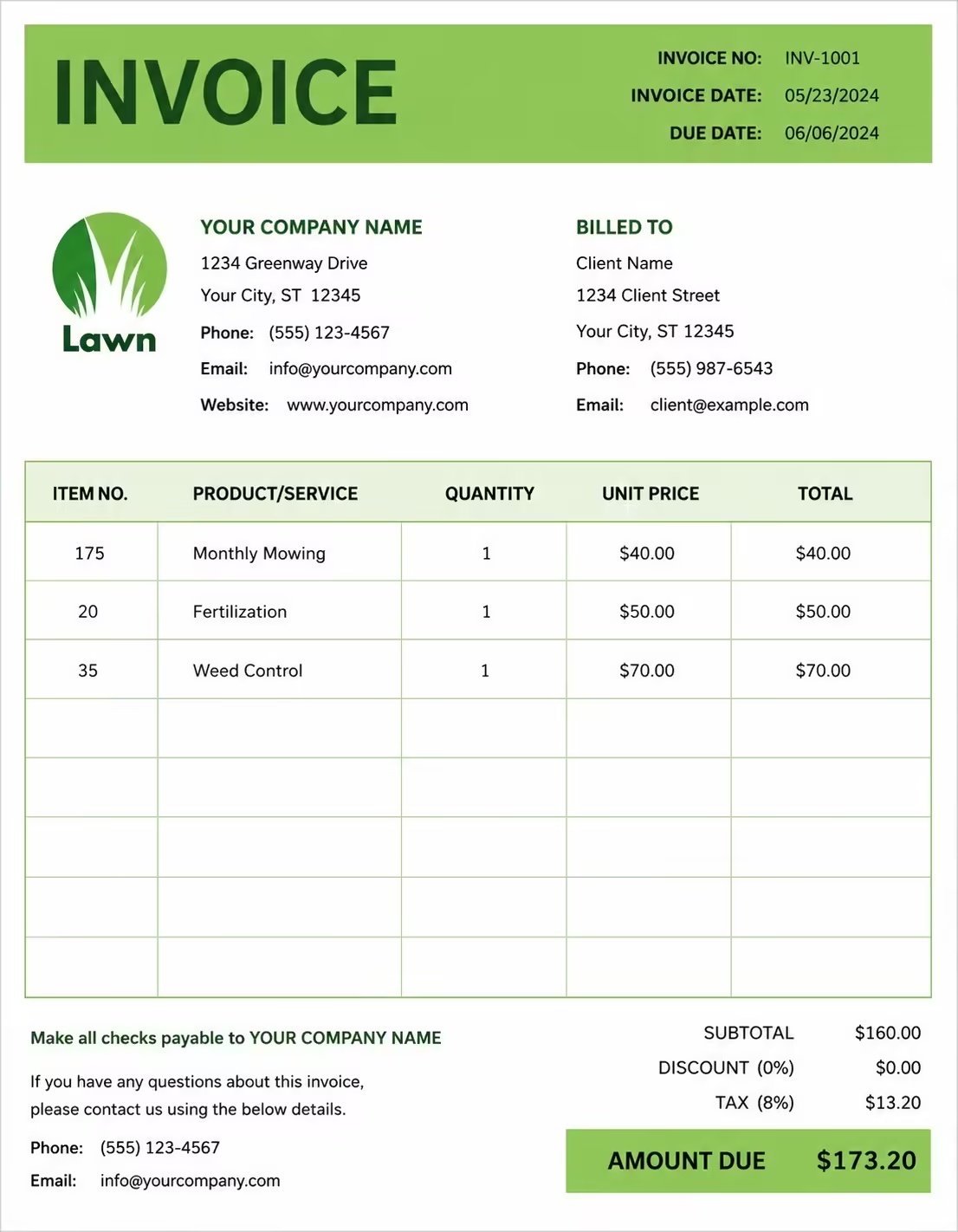
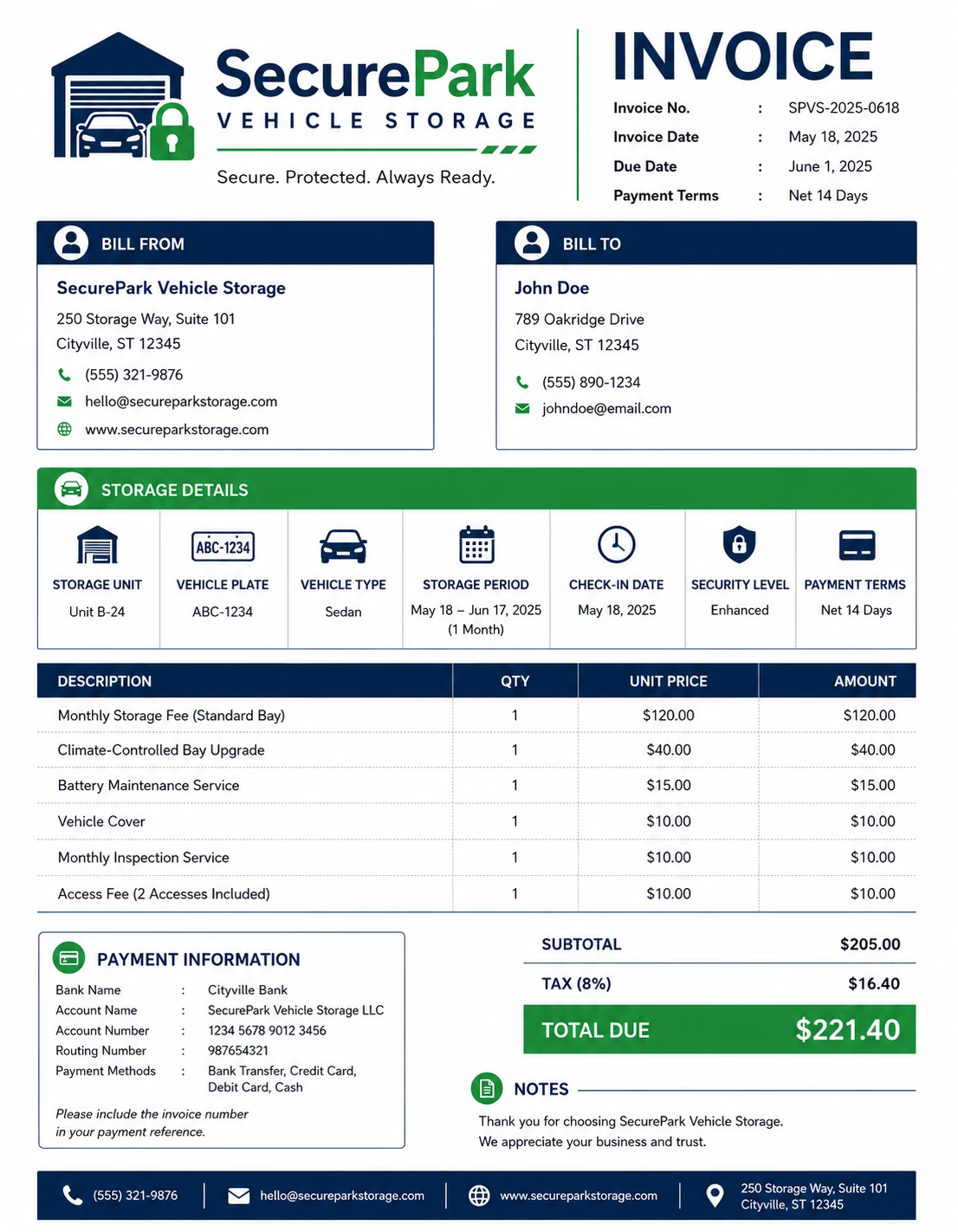
Free Car Storage Invoice Template
Free invoice templates for car storage businesses, vehicle storage providers, garage storage services, classic car storage companies, dealership storage providers, long-term parking businesses, and secure vehicle storage facilities. Download and edit in PDF, Word, Excel, Google Docs, or Google Sheets.
Use this template to bill for car storage, indoor parking, outdoor parking, long-term vehicle storage, security fees, maintenance support, pickup and delivery, deposits, taxes, discounts, and payment terms in a clear and professional way.
Download the app and manage invoices anywhere


Download Free Car Storage Invoice Templates
Download a template, then edit it in PDF, Word, Excel, Google Docs, or Google Sheets. Print it, save it, or send it to your customer, vehicle owner, dealer, collector, business, fleet manager, or organization when the storage period ends or when a bill is due.
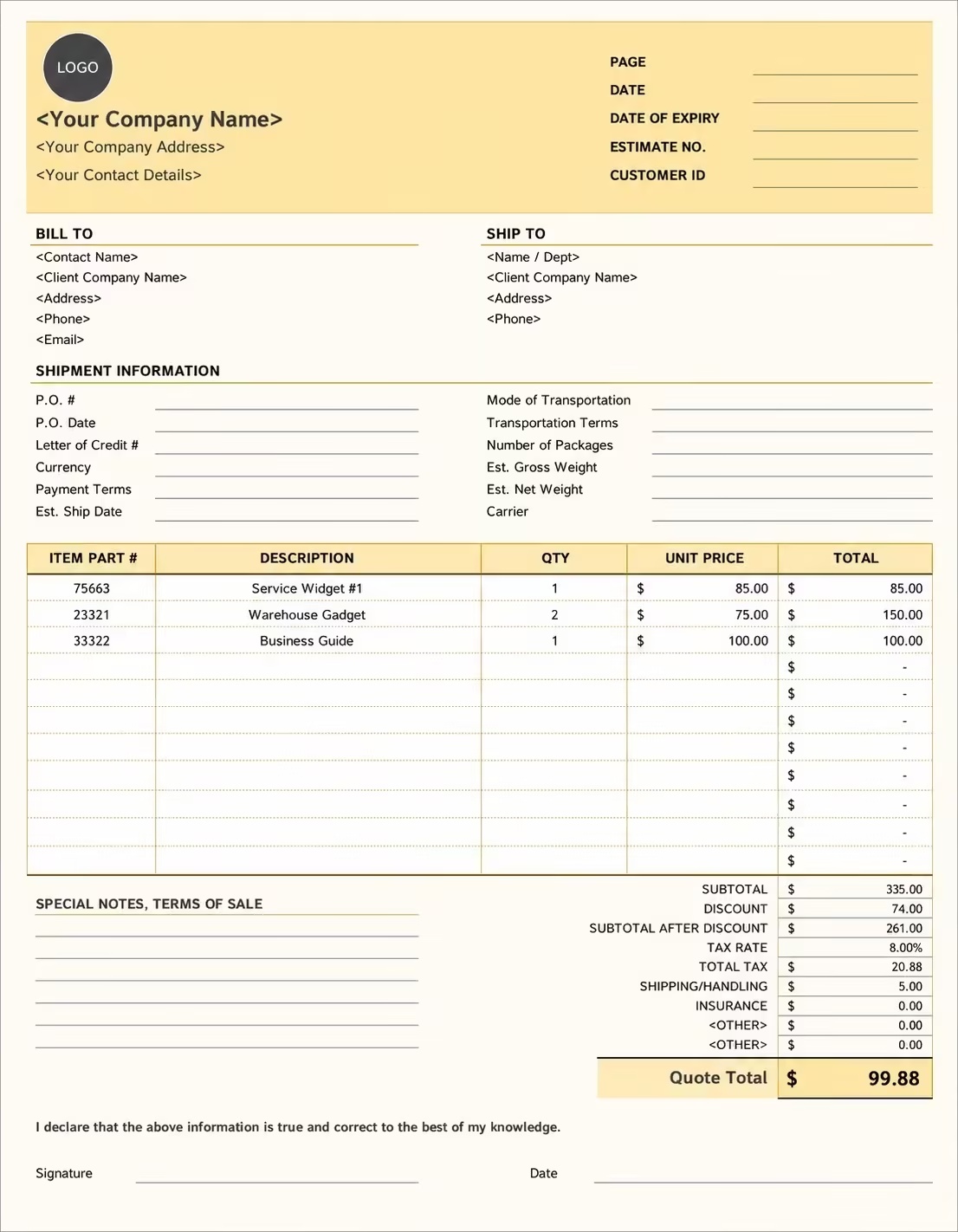
Editable Car Storage Invoice Template
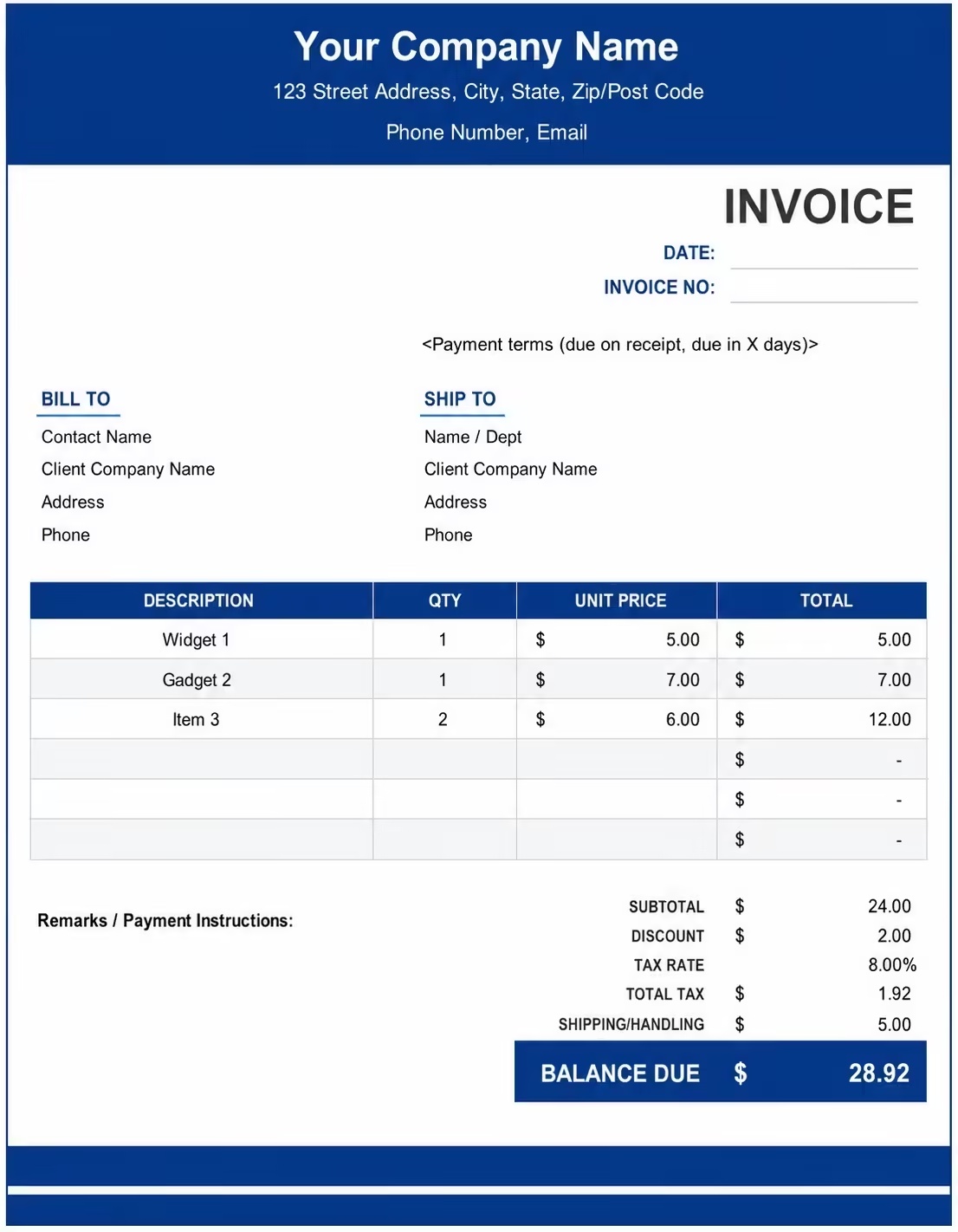
Printable Car Storage Invoice Template
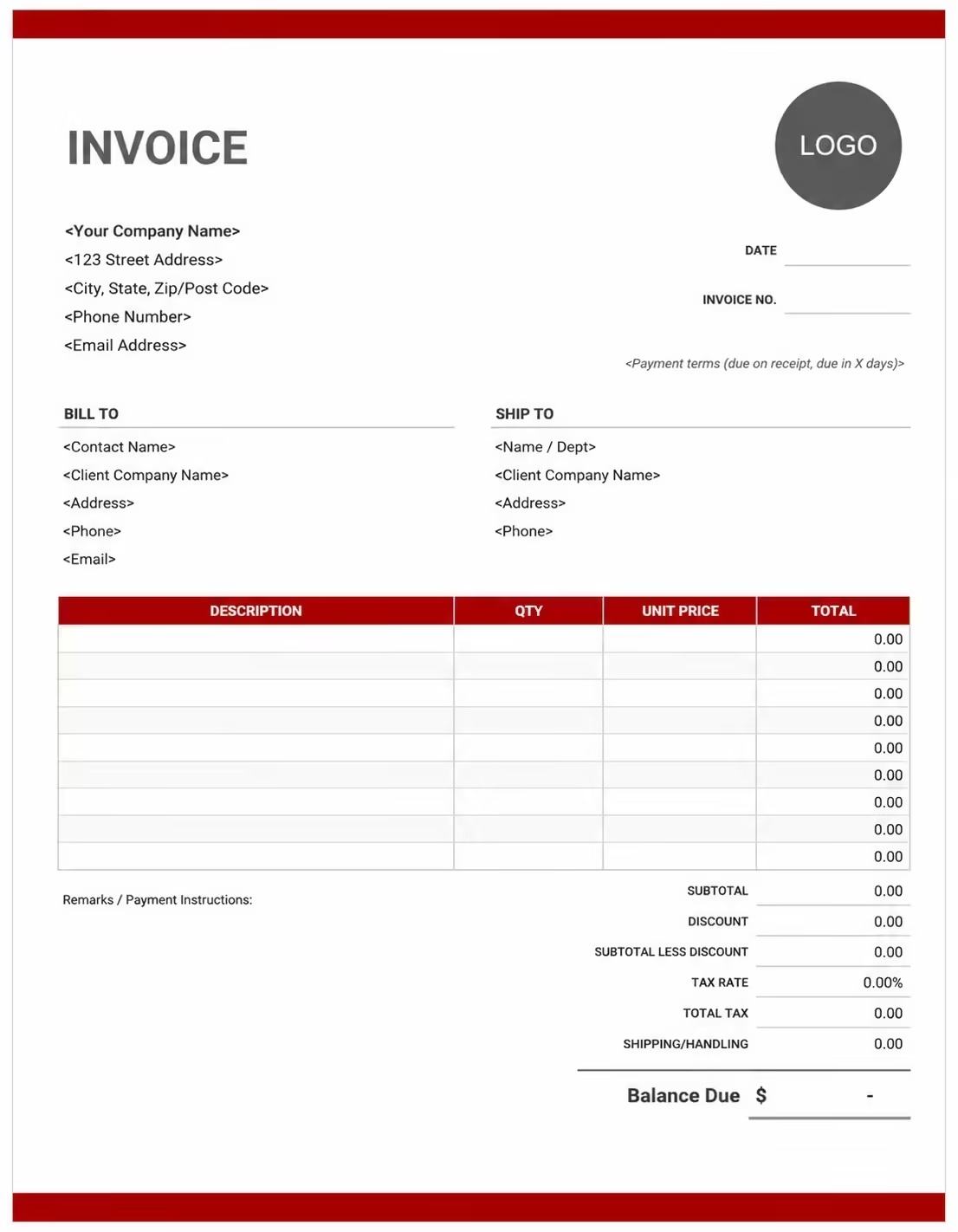
Free Car Storage Invoice Template
Use these templates for car storage facilities, classic car storage businesses, vehicle storage garages, dealership storage providers, long-term parking services, fleet storage companies, and secure vehicle storage providers.
How to Invoice for Car Storage Services
A good car storage invoice should clearly show the customer details, vehicle information, storage location, storage period, monthly rate, security charges, maintenance services, deposits, taxes, and payment terms.
Download Free TemplateIn 5 Steps:
- Confirm the customer details, vehicle make and model, registration number, storage start date, storage end date, storage space type, service terms, and agreed pricing before preparing the invoice.
- Record completed car storage services, indoor storage, outdoor storage, secure parking, vehicle check-ins, battery maintenance, cleaning support, pickup, delivery, and any approved extra services.
- Track car storage-related costs such as storage space, security, monitoring, cleaning, battery charging, covers, access support, vehicle movement, admin work, and facility fees.
- Calculate storage fees, monthly charges, daily rates, security fees, maintenance charges, pickup or delivery costs, discounts, deposits, taxes if applicable, and the final balance due.
- Send the invoice with payment options, due date, vehicle details, storage period, access notes, pickup instructions, and any remaining balance instructions.
With Invoize, you can create car storage invoices faster, save customer and vehicle details, reuse common storage service items, add monthly rates and security fees, and track payments from your phone.
What to Include in a Car Storage Invoice
A professional car storage invoice should include the details needed to identify the customer, vehicle, storage provider, storage period, charges, and payment terms.
Invoice and Storage Details
- Invoice numberHelps track the invoice, payment record, and car storage history.
- Customer, vehicle owner, dealer, collector, or fleet manager detailsShows who requested the vehicle storage service and who is responsible for payment.
- Car storage facility, garage, parking provider, or storage company detailsShows which storage provider held, parked, protected, or managed the vehicle.
- Storage agreement, booking, contract, space, or bay referenceConnects the invoice to the correct vehicle storage booking, agreement, bay, space, or customer account.
- Invoice date, storage start date, end date, pickup date, or billing periodShows when the vehicle storage started, ended, renewed, accessed, picked up, or was billed.
Vehicle and Service Details
- Vehicle make, model, year, color, registration, VIN, or mileageHelps identify the exact vehicle being stored and connects it to the correct vehicle reference.
- Storage typeShows indoor storage, outdoor storage, covered storage, secure parking, classic car storage, fleet storage, or vehicle storage service.
- Storage location, unit number, bay, parking space, or facility addressShows where the vehicle was stored inside the facility, garage section, parking area, or storage location.
- Storage period, days, weeks, months, or service quantityShows how the car storage invoice total was calculated.
- Daily rate, weekly rate, monthly rate, space fee, or agreed rateShows the pricing method and line item total for each storage period, vehicle, space, or service line.
Payment and Final Notes
- Extra services and feesLists security monitoring, access control, battery maintenance, vehicle cover, cleaning, inspection checks, pickup, delivery, vehicle movement, late pickup, admin work, key holding, or special handling fees.
- Discounts, deposits, advance payments, or storage creditsShows credits, deposits, advance payments, discounts, storage credits, membership credits, or amounts already paid before the final balance.
- Subtotal, tax, and total amount dueShows the final amount the customer, vehicle owner, dealer, fleet manager, or organization needs to pay.
- Payment due date and methodsTells the customer when payment is expected and how they can pay.
- Storage notes or payment termsRecords access rules, pickup terms, renewal terms, late fees, security notes, damage notes, balance instructions, or storage payment terms.
Billing Scenarios for Car Storage Businesses
Use clear invoice labels so customers, vehicle owners, collectors, dealers, fleet managers, and organizations understand the storage period, vehicle details, space rate, extra service fee, deposit, and final amount due.
| Scenario | Invoice line items | Best used for | How to describe it |
|---|---|---|---|
| Monthly vehicle storage | Vehicle details, storage period, monthly rate, security fee, balance due | Regular monthly storage for personal cars, business vehicles, classic cars, and seasonal vehicles. | Show the vehicle make and model, storage dates, space type, monthly rate, and final amount clearly. |
| Long-term car storage | Long-term storage, discounted rate, vehicle checks, deposit, renewal date | Customers storing vehicles for several months, travel storage, seasonal storage, and collector vehicles. | Show the full storage period, long-term rate, included checks, deposit paid, and renewal or pickup terms. |
| Classic or collector car storage | Indoor storage, security monitoring, cover service, battery maintenance, inspection check | Classic cars, vintage cars, luxury vehicles, collector cars, and high-value vehicle storage. | Show the storage type, vehicle condition notes, security services, maintenance add-ons, and total charge. |
| Dealership vehicle storage | Multiple vehicles, bay count, monthly storage, movement fee, account billing | Dealerships, vehicle traders, rental businesses, fleet sellers, and auto businesses storing multiple cars. | List vehicle count, storage spaces used, billing period, movement charges, and total dealer account amount. |
| Short-term parking storage | Daily storage, vehicle reference, access fee, pickup date, final balance | Short-term vehicle storage, temporary parking, travel parking, repair waiting periods, and event storage. | Show the storage dates, number of days, daily rate, vehicle details, and amount due. |
| Storage with pickup or delivery | Storage fee, pickup service, delivery service, vehicle movement, access note | Customers who need the vehicle collected, delivered, moved between locations, or prepared for pickup. | Show the pickup address, delivery address, movement date, service fee, and updated storage invoice total. |
Create Invoice Now
☝️ Create a professional invoice in seconds.
Common Charges and Fees for Car Storage Invoices
Itemize car storage charges clearly so customers can see storage fees, monthly rates, security charges, maintenance services, pickup fees, taxes, and any extra costs.
| Charge or service | Unit | When to use | How to show it |
|---|---|---|---|
| Car storage fee | Vehicle, space, day, week, month, or billing period | Use when billing for storing a car, van, truck, classic vehicle, or fleet vehicle. | Show the vehicle details, storage period, space type, rate, and storage total clearly. |
| Indoor storage fee | Vehicle, bay, unit, or month | Use when the vehicle is stored inside a garage, warehouse, covered unit, or protected facility. | Show indoor storage separately if it costs more than standard outdoor storage. |
| Outdoor parking storage fee | Vehicle, space, day, week, or month | Use when the vehicle is stored in an outdoor parking space, yard, lot, or open storage area. | Show the space number, billing period, and outdoor storage rate. |
| Long-term storage fee | Month, quarter, year, or contract period | Use when the customer stores the vehicle for an extended period with a monthly or discounted rate. | Show the full storage period, rate, discount if any, and renewal date. |
| Security or monitoring fee | Vehicle, month, facility, or service | Use when secure access, CCTV monitoring, gated parking, alarmed storage, or extra security is charged. | Show the security service separately from the base storage fee when needed. |
| Battery maintenance fee | Vehicle, check, month, or service | Use when maintaining battery charge, starting the vehicle, or checking battery condition during storage. | Show the maintenance service, check schedule, and fee clearly. |
| Cleaning or vehicle care fee | Vehicle, service, wash, or detail | Use when basic cleaning, dust removal, cover fitting, washing, or detailing is included during storage. | Show cleaning or care services separately from storage charges. |
| Pickup or delivery fee | Trip, vehicle, address, or service | Use when collecting the vehicle from the customer or delivering it back after storage. | Show pickup address, delivery address, date, and service charge separately. |
| Vehicle movement or access fee | Move, access request, vehicle, or service | Use when moving the vehicle inside the facility, preparing access, releasing the car, or supporting customer visits. | Add a clear label so the customer understands why the movement or access fee applies. |
| Late pickup or overdue storage fee | Day, week, vehicle, or fee | Use when the vehicle remains in storage after the agreed pickup date or contract period. | Show the overdue period, daily or weekly rate, and added fee separately. |
| Tax | Percentage or amount | Use when tax applies to car storage, parking, security, vehicle care, pickup, delivery, or extra services based on local rules. | Show tax before the final total so the customer can see how the balance was calculated. |
| Deposit, advance payment, or previous payment | Credit | Use when the customer, dealer, fleet manager, business, or organization paid before or during the car storage period. | Subtract it from the invoice total and show the remaining balance due. |
Common Car Storage Invoicing Mistakes
Car storage billing can include vehicle details, storage dates, space numbers, monthly rates, security fees, maintenance services, deposits, taxes, and payment terms. Missing details can confuse customers or delay payment. Avoid these common mistakes.
| Mistake | Why it causes problems | How to fix it |
|---|---|---|
| Not listing the vehicle details | The customer may not know which car, storage space, booking, or vehicle record the invoice covers. | Add the vehicle make, model, year, color, registration number, VIN, mileage, or vehicle reference clearly. |
| Not showing the storage period | The customer may question the total if the start date, end date, billing period, or number of days is missing. | Add the storage start date, storage end date, billing period, number of days, weeks, or months clearly. |
| Combining all charges in one line | The total may look unclear because the customer cannot see storage, security, maintenance, pickup, deposits, and taxes separately. | Separate storage fees, security charges, maintenance services, pickup or delivery, deposits, discounts, and taxes into clear line items. |
| Not showing the storage rate | The customer may not understand whether the invoice is based on a daily, weekly, monthly, or long-term rate. | Show the storage rate, billing unit, space type, vehicle count, and line item total clearly. |
| Forgetting storage location or space number | The invoice may be harder to match with the correct garage, bay, unit, parking space, or storage facility. | Add storage location, facility address, bay number, unit number, parking space, or garage section when useful. |
| Not recording extra vehicle care services | Battery checks, cleaning, covers, security monitoring, or vehicle movement may look unexpected if not explained. | Add battery maintenance, cleaning, vehicle cover, security monitoring, movement fees, and approved services separately. |
| Leaving out pickup or release details | The customer may not know when the vehicle can be collected, released, delivered, or accessed. | Add pickup date, release instructions, delivery date, access rules, key notes, and collection instructions. |
| Forgetting deposits or previous payments | The final balance may look higher than expected. | Show deposits, advance payments, partial payments, storage credits, discounts, or previous payments before the balance due. |
| Leaving out payment or renewal terms | The customer may not know when payment is due, how to renew storage, or how late pickup fees are handled. | Add payment due date, payment methods, renewal terms, late pickup fees, storage terms, and balance instructions. |
| Not keeping invoice records | Tracking stored vehicles, customer accounts, storage periods, payments, deposits, and facility history becomes harder. | Keep a copy of every car storage invoice for your garage, parking, vehicle storage, or facility records. |
More Invoice Templates You May Like
Explore closely related invoice templates for car storage work, similar services, and nearby billing scenarios before choosing the best format for your customer.
Questions
Frequently Asked Questions
How should I show car storage charges on an invoice?
List the storage period, rate, and total charge clearly. Example: “Vehicle storage: 20 days × $12/day = $240” or “Monthly indoor car storage: $180.” This helps the customer understand how the storage cost was calculated.
What vehicle details should be included on a car storage invoice?
Include the vehicle make, model, year, color, license plate number, VIN if available, storage start date, storage end date, and invoice number. Example: “Vehicle: 2018 Toyota Corolla, Plate: ABC-2048, Storage period: June 1–June 20.” This connects the invoice to the correct vehicle.
How do I invoice for indoor or covered storage?
Show indoor, covered, climate-controlled, or premium storage as a separate service if it has a different rate. Example: “Covered vehicle storage: 1 month × $220 = $220.” This helps explain why the storage price may be higher than outdoor parking.
Should towing or drop-off charges be listed separately?
Yes. Towing, vehicle pickup, drop-off assistance, or transport to the storage location should be shown as separate line items. Example: “Vehicle towing to storage facility: $95” or “Pickup service: $60.” This keeps transport costs separate from storage fees.
Can I include access or inspection fees?
Yes. If the customer requests vehicle access, inspection, battery check, cleaning, or maintenance during storage, list it separately. Example: “Vehicle access appointment: $20” or “Monthly battery check: $15.” This makes extra services easy to review.
How should I show late pickup or overstay charges?
List extra storage days after the agreed pickup date separately. Example: “Late pickup storage: 5 extra days × $12/day = $60.” This helps the customer understand charges added after the original storage period.
How do I show deposits or advance payments?
Show the full storage total, deposit received, and remaining balance. Example: “Car storage total: $300,” “Deposit received: $100,” and “Balance due: $200.” This helps both the storage facility and customer track payment clearly.
What payment terms should a car storage invoice include?
Include the due date, accepted payment methods, storage period, late pickup policy, vehicle release terms, and extra service rules. Example: “Payment due before vehicle release. Extra storage days, towing, access visits, inspection requests, or late pickup may require an updated invoice.”