
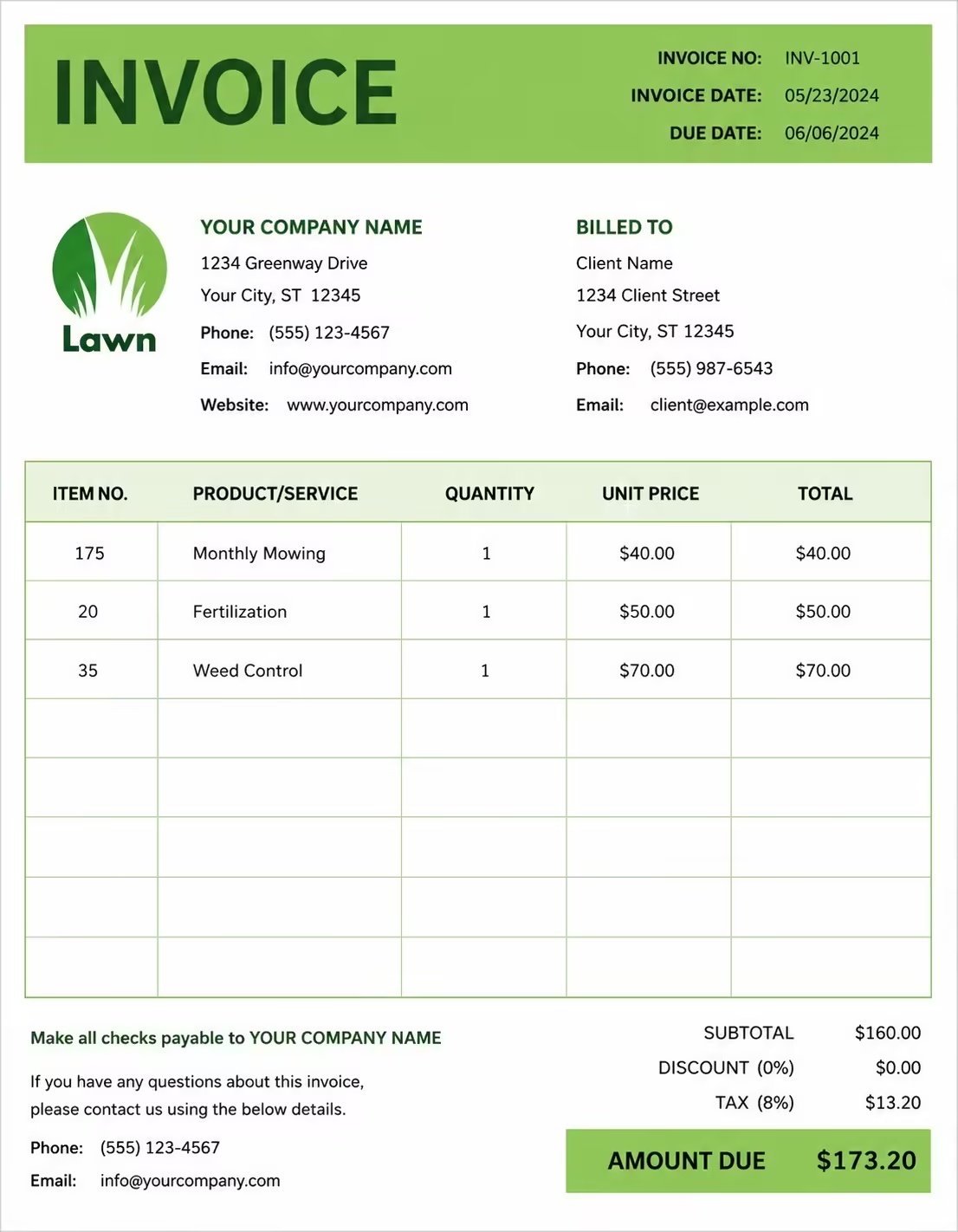
Free Engineering Invoice Template
Free invoice templates for engineering consultants, engineering firms, civil engineers, mechanical engineers, electrical engineers, structural engineers, design engineers, project engineers, inspection teams, and technical service providers. Download and edit in PDF, Word, Excel, Google Docs, or Google Sheets.
Use this engineering invoice template to bill for design work, feasibility studies, drawings, CAD drafting, site visits, inspections, calculations, technical reports, project management, consulting hours, retainers, deposits, taxes, reimbursable costs, and final project balances in a clear professional format.
Download the app and manage invoices anywhere


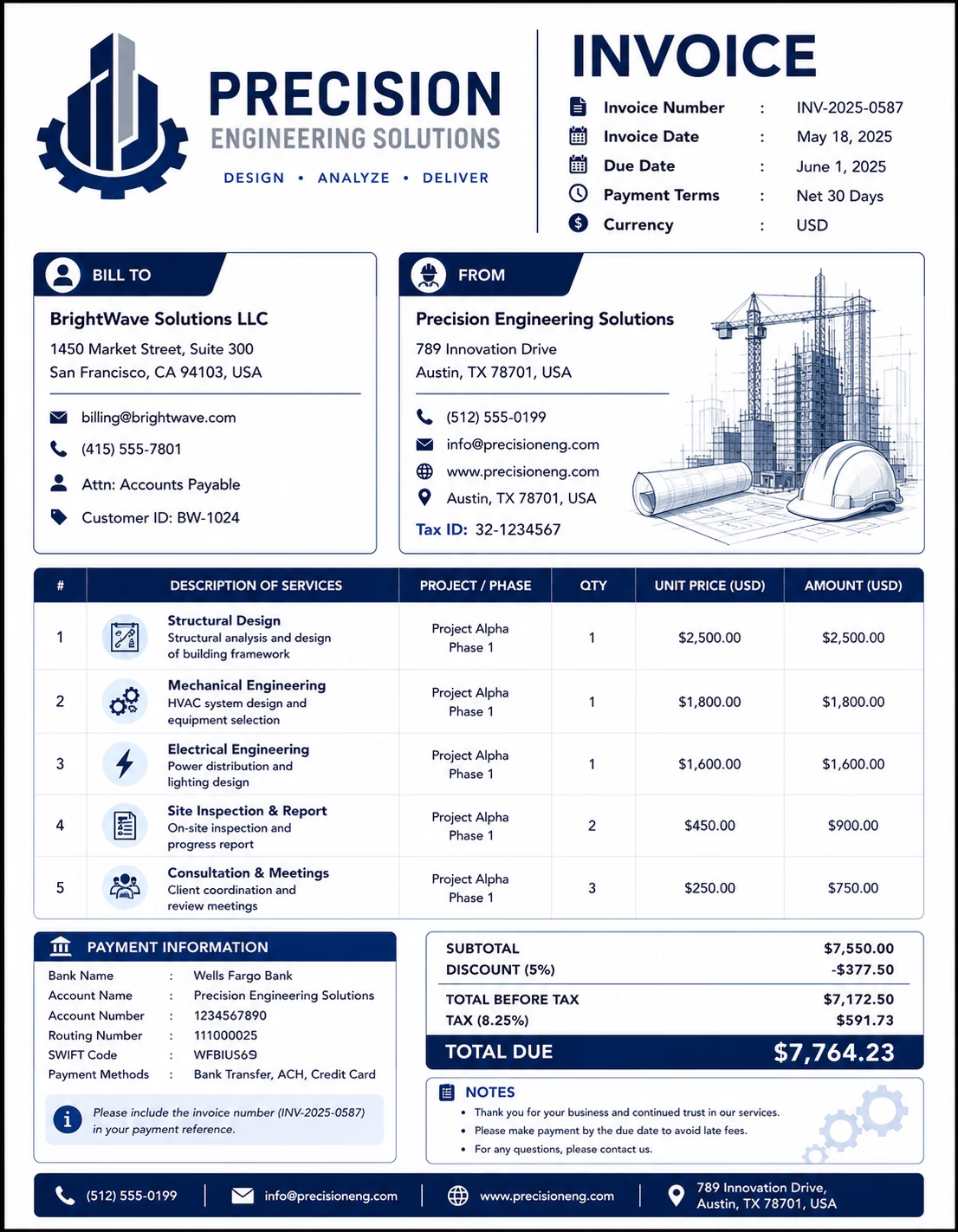
Download Free Engineering Invoice Templates
Download a template, then edit it in PDF, Word, Excel, Google Docs, or Google Sheets. Print it, save it, or send it to a client, contractor, developer, project owner, purchasing team, or accounts payable department when the engineering work is ready for billing.
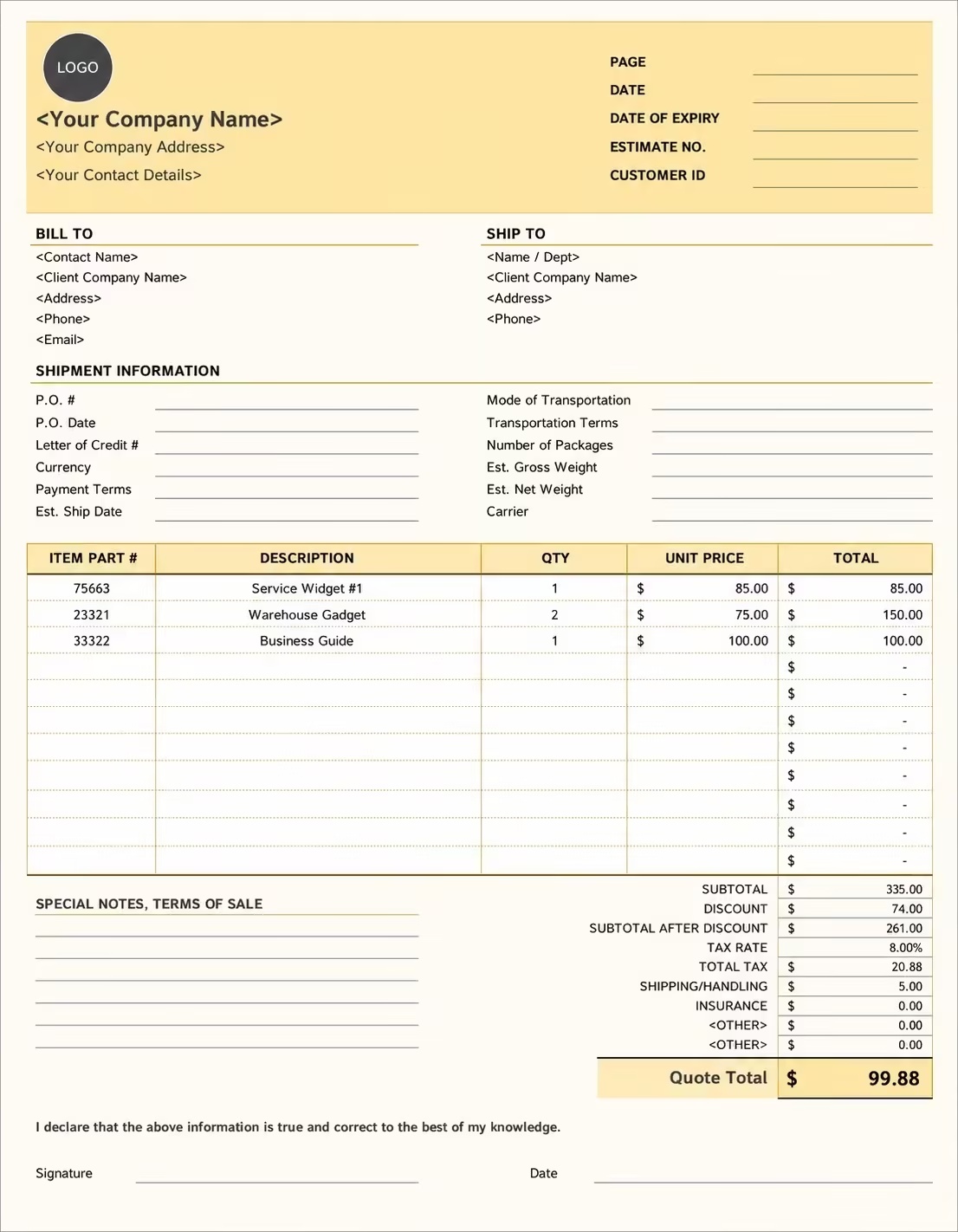
Editable Engineering Invoice Template
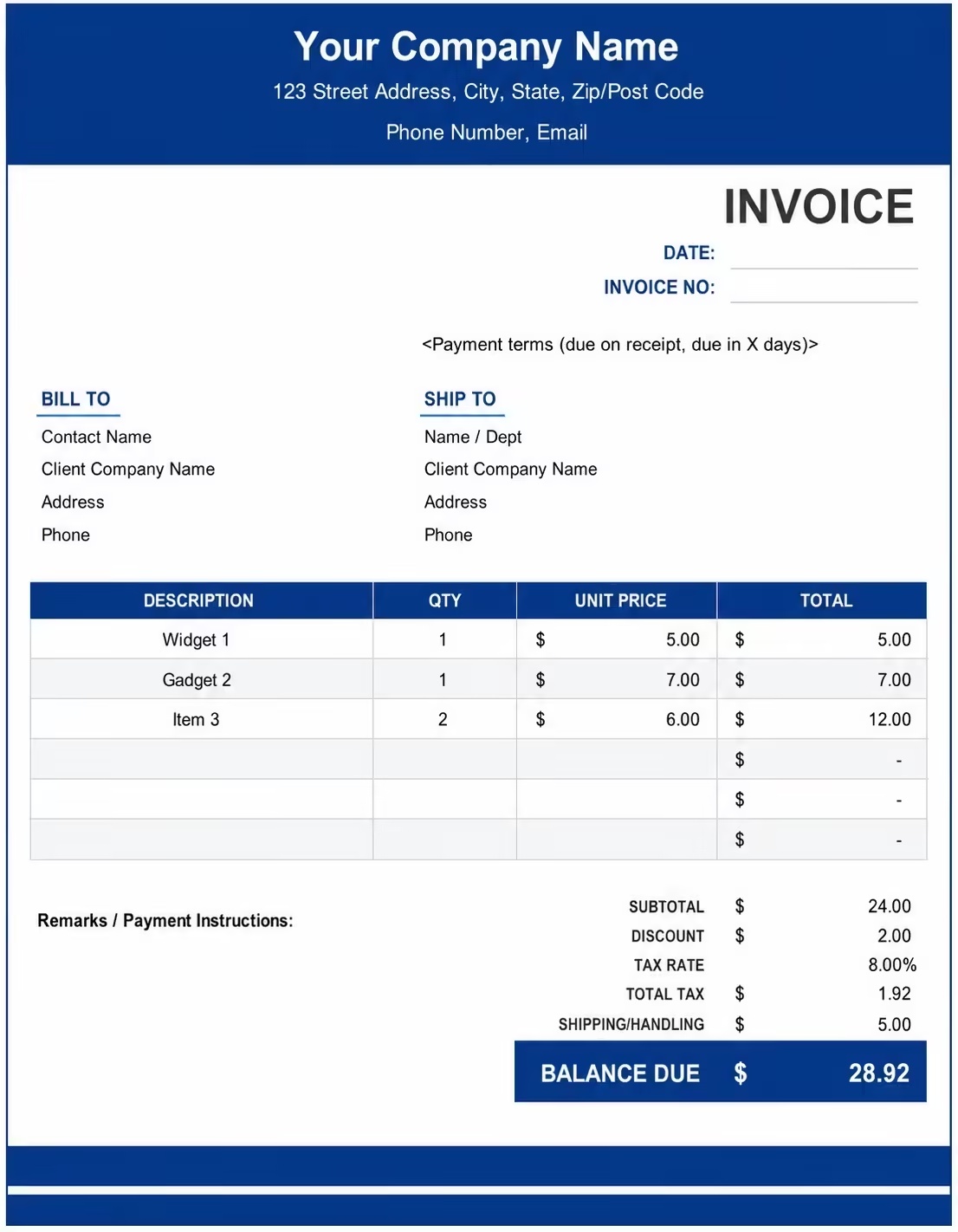
Printable Engineering Invoice Template
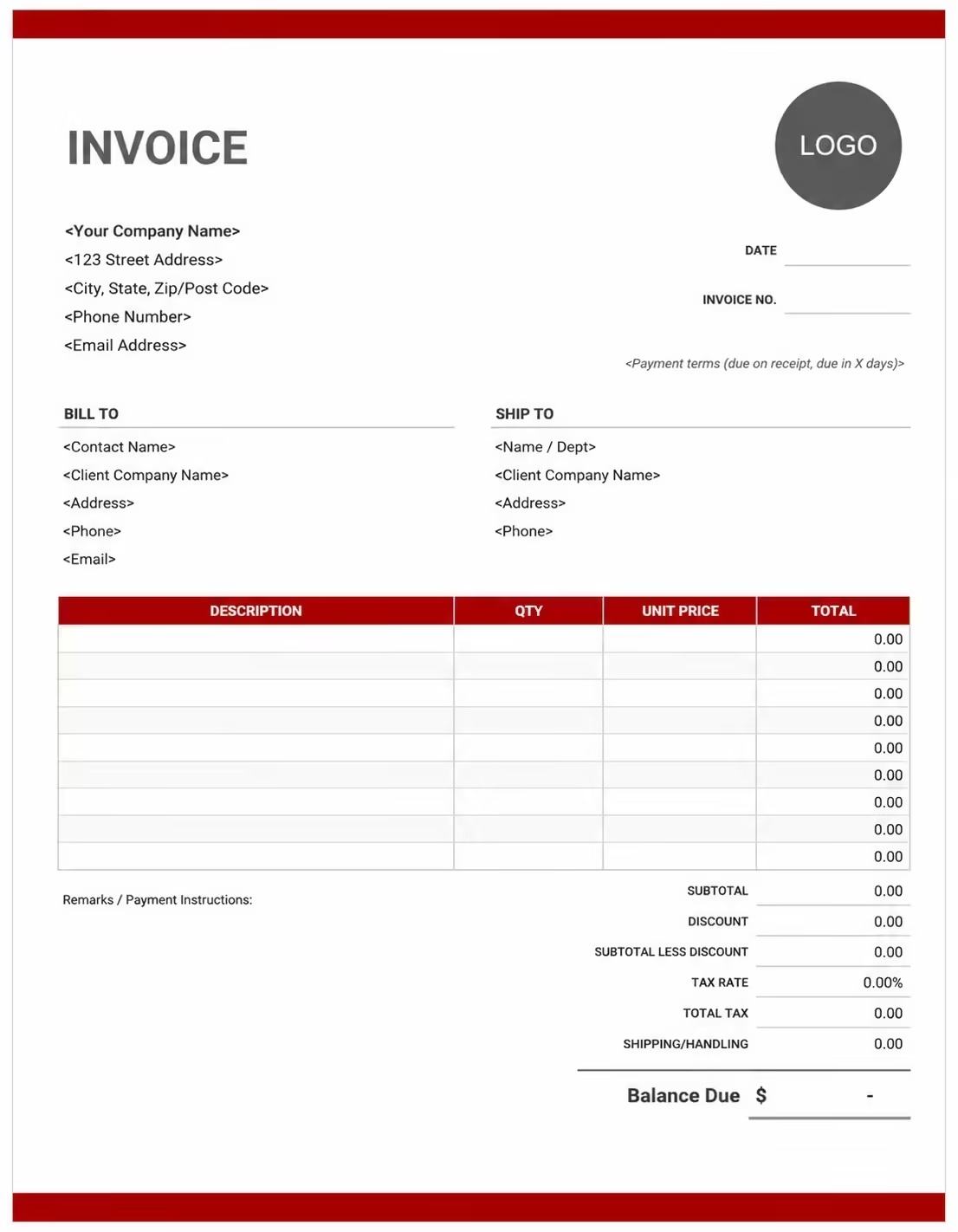
Free Engineering Invoice Template
Use these templates for engineering consulting, design services, structural reviews, civil works, mechanical or electrical projects, CAD drafting, technical reports, site inspections, retainers, deposits, expenses, taxes, and project billing.
How to Invoice for Engineering Services
A good engineering invoice should clearly show the client, project, engineering discipline, work completed, billing method, expenses, taxes, and amount due.
Download Free TemplateIn 5 Steps:
- Confirm the client details, project name, project address, purchase order, contract reference, engineering discipline, deliverables, billing method, and agreed payment terms before preparing the invoice.
- List the engineering work clearly, including consulting, design review, CAD drafting, calculations, site visits, inspections, technical reports, project coordination, or certification support.
- Separate professional fees from reimbursable costs such as travel, printing, permits, testing, courier charges, specialist software, subcontractor support, or approved third-party services.
- Calculate hourly fees, fixed project fees, milestone payments, retainers, taxes, discounts, deposits, previous payments, and the final balance due so the client can approve the invoice quickly.
- Send the invoice with payment instructions, project notes, deliverable references, approval details, and any supporting documentation needed by the client or accounts payable team.
With Invoize, engineering businesses can create invoices faster, save client and project details, reuse common engineering line items, add taxes or retainers, separate fees from expenses, and track payment status from one place.
What to Include in an Engineering Invoice
A professional engineering invoice should include the details needed to identify the engineering provider, client, project, services completed, pricing, expenses, payment terms, and final amount due.
Invoice and Client Details
- Invoice numberHelps track the engineering invoice, project billing record, payment status, client approval, and internal accounting history.
- Engineering business detailsShows the engineering firm, consultant, licensed engineer, design studio, inspection provider, or technical service business responsible for the work.
- Client or company detailsIncludes the client name, company name, billing contact, address, email, phone number, department, or accounts payable details.
- Invoice date, due date, and payment termsShows when the invoice was issued, when payment is due, and whether payment is due on receipt, under Net terms, by milestone, or by project agreement.
- Project referenceConnects the invoice to the correct project name, site address, purchase order, contract number, proposal, work order, or project phase.
Engineering Service Details
- Engineering disciplineIdentifies whether the work is civil, structural, mechanical, electrical, environmental, industrial, geotechnical, or general engineering consulting.
- Service descriptionExplains the design, review, calculations, drafting, inspection, consultation, report, site visit, or project coordination completed.
- DeliverablesLists drawings, CAD files, stamped documents, reports, calculations, design packages, inspection notes, certificates, or recommendations delivered.
- Billing methodShows whether the work is billed hourly, per visit, per report, per drawing, by milestone, by retainer, or as a fixed project fee.
- Hours, quantities, or milestonesAdds useful details for engineering hours, site visits, drawing sets, report count, project phase, or agreed milestone progress.
Payment and Final Notes
- Subtotal, tax, and total dueShows the final amount owed after engineering fees, reimbursable expenses, taxes, discounts, and adjustments.
- Retainers, deposits, and prior paymentsShows advance payments, retainers, milestone payments, credits, and remaining balance due.
- Reimbursable expensesSeparates travel, printing, permit fees, testing charges, software costs, courier fees, subcontractors, and other approved project costs.
- Payment methodsLists bank transfer, card payment, check, online payment, ACH, wire transfer, or other accepted payment methods.
- Terms and project notesRecords approval notes, scope limits, revision terms, drawing references, report delivery notes, tax details, or payment deadlines.
Billing Scenarios for Engineering Invoices
Use clear invoice labels so clients, contractors, developers, and accounts payable teams understand the engineering service, project phase, deliverables, expenses, taxes, and final balance due.
| Scenario | Invoice line items | Best used for | How to describe it |
|---|---|---|---|
| Engineering consultation invoice | Consulting hours, technical advice, meeting notes, recommendations | Independent engineers and consulting firms. | Include consultation date, hours, rate, and project reference. |
| Civil engineering invoice | Site planning, grading support, drainage review, infrastructure design | Civil engineers and land development consultants. | Mention site address, phase, drawings, and deliverables. |
| Structural engineering invoice | Structural calculations, beam design, inspections, stamped drawings | Structural engineers and building consultants. | List calculations, drawing set, inspection date, and approval status. |
| Mechanical engineering invoice | Mechanical design, HVAC review, equipment layouts, technical reports | Mechanical engineering firms and consultants. | Separate design fees from site visits and reimbursable expenses. |
| Electrical engineering invoice | Electrical layouts, load calculations, panel schedules, inspections | Electrical engineers and MEP consultants. | Include drawing references, calculations, and review notes. |
| CAD drafting invoice | Drafting hours, drawing revisions, file preparation, plan updates | Engineering drafting teams and CAD specialists. | Show drawing numbers, revision count, and hourly or fixed fee. |
| Site inspection invoice | Site visit, field notes, inspection report, travel, photos | Engineers performing inspections or compliance checks. | Mention inspection date, location, findings, and report delivery. |
| Engineering report invoice | Technical report, feasibility study, analysis, recommendations | Consultants preparing written reports. | Include report title, delivery date, and project reference. |
| Project milestone invoice | Design phase, review phase, approval phase, completion percentage | Engineering firms billing by project stages. | Show milestone name, contract value, percentage billed, and balance. |
| Retainer engineering invoice | Monthly engineering support, advisory hours, project availability | Ongoing engineering advisory clients. | State billing period, included hours, overage rate, and remaining balance. |
| Reimbursable expense invoice | Travel, printing, testing, permits, courier, subcontractor costs | Projects with approved reimbursable costs. | Separate expenses from professional fees and attach references if needed. |
| Revision or change order invoice | Extra drawing changes, redesign work, additional calculations | Engineering projects with scope changes. | Reference the approved change order, revision number, and added fee. |
Create Invoice Now
☝️ Create a professional invoice in seconds.
Common Charges and Fees for Engineering Invoices
Itemize engineering charges clearly so clients can see professional fees, project phases, drawings, inspections, reports, expenses, taxes, deposits, and payment balance.
| Charge or service | Unit | When to use | How to show it |
|---|---|---|---|
| Engineering consultation fee | Professional advice, technical review, meetings, and recommendations. | Use for one-time or hourly engineering consulting. | Show consultation hours, rate, and topic covered. |
| Design fee | Engineering design work, calculations, layouts, plans, or system design. | Use for civil, structural, mechanical, electrical, or technical design services. | Reference the project phase or drawing package. |
| CAD drafting fee | Drafting, plan updates, drawing preparation, and revisions. | Use when billing for drawings or drafting support. | Mention drawing numbers, revision count, and file format. |
| Site visit fee | Travel to site, inspection time, field review, and visit notes. | Use for inspections, progress checks, or field meetings. | Include visit date, site address, and purpose. |
| Technical report fee | Written engineering report, feasibility study, assessment, or analysis. | Use when delivering a formal report or study. | List report title and delivery date. |
| Structural calculation fee | Load calculations, member sizing, structural review, or stamped calculations. | Use for structural engineering projects. | Include calculation package or project reference. |
| Project management fee | Coordination, meetings, planning, review, and communication. | Use when managing engineering tasks or project stages. | Show billing period, hours, or milestone. |
| Permit or approval support fee | Permit documents, authority responses, compliance support, or submittals. | Use when helping clients with approvals or submissions. | Reference permit number or submission stage. |
| Revision fee | Extra changes beyond the agreed scope. | Use when clients request additional revisions. | Mention revision number, requested change, and approval. |
| Retainer fee | Ongoing engineering support for a fixed period. | Use for monthly advisory or on-call engineering services. | Show billing period and included services. |
| Travel expense | Mileage, transport, accommodation, meals, or field travel costs. | Use when travel is approved as reimbursable. | Separate travel costs from professional fees. |
| Testing or third-party fee | Lab testing, surveys, specialist checks, subcontractors, or external reports. | Use when passing approved project costs to the client. | Attach or reference supporting documentation if needed. |
| Tax or VAT | Required tax based on location and service type. | Use when tax applies to engineering services. | Show tax rate and tax amount clearly. |
| Late payment fee | Fee charged after the payment due date if allowed by terms. | Use for overdue engineering invoices. | State the late fee policy on the invoice. |
Common Engineering Invoicing Mistakes
Engineering billing can include project phases, technical deliverables, site visits, reports, revisions, retainers, expenses, and approval requirements. Missing details can delay client approvals or payment. Avoid these common mistakes.
| Mistake | Why it causes problems | How to fix it |
|---|---|---|
| Missing project reference | Clients may not know which project or phase the invoice covers. | Add project name, site address, purchase order, contract number, or work order. |
| Using vague service descriptions | Terms like engineering services do not explain the completed work. | Describe design, review, calculations, inspection, report, or consultation clearly. |
| Not listing deliverables | Clients may need proof of drawings, reports, or calculations before approval. | Include drawing numbers, report titles, file names, or deliverable dates. |
| Combining expenses with professional fees | Clients may question totals when travel or testing costs are hidden. | Separate engineering fees from reimbursable expenses. |
| Forgetting billing periods or milestones | Retainers and milestone projects can become confusing without dates or stages. | Show billing period, milestone name, percentage billed, or phase completed. |
| Leaving out revision details | Extra revision work can be disputed if not documented. | Reference approved change orders, revision numbers, and added scope. |
| Not showing retainers or deposits | The client may not understand the remaining balance. | Show retainer paid, deposit applied, prior payments, and final balance. |
| Missing tax details | Incorrect tax handling can create accounting issues. | Add tax rate, VAT, sales tax, or tax-exempt notes where applicable. |
| No payment terms | Accounts teams may delay payment if due dates are unclear. | Add due date, payment methods, bank details, and late payment policy. |
| Sending invoices without support notes | Engineering invoices may require technical context or approval references. | Add scope notes, delivery status, approval details, and supporting document references. |
More Invoice Templates You May Like
Explore closely related invoice templates for engineering work, similar services, and nearby billing scenarios before choosing the best format for your customer.
Questions
Frequently Asked Questions
What is an engineering invoice?
An engineering invoice is a billing document used by engineers, engineering firms, consultants, design teams, inspectors, and technical service providers to charge clients for engineering work and related project costs.
What should an engineering invoice include?
It should include engineering business details, client details, invoice number, invoice date, due date, project reference, service descriptions, deliverables, hours or fees, expenses, taxes, retainers, payments, and final balance due.
Can I use this template for engineering consulting?
Yes. The template works for hourly engineering consulting, fixed-fee advisory work, technical reviews, project meetings, reports, calculations, and engineering recommendations.
Can I invoice for civil, structural, mechanical, or electrical engineering?
Yes. Add the engineering discipline, project name, service details, deliverables, drawings, calculations, inspections, and fees that apply to your work.
How do I invoice for CAD drafting or engineering drawings?
List the drawing title, drawing number, revision number, file format, drafting hours, fixed drawing fee, and any extra revision charges.
Should reimbursable expenses be included?
Yes, if they are part of the client agreement. Show travel, printing, testing, permits, courier charges, subcontractors, or third-party costs separately from professional engineering fees.
Can I use this template for milestone billing?
Yes. Include the milestone name, project phase, contract value, percentage billed, amount previously paid, and remaining project balance.
How do I invoice for engineering site visits?
Include the visit date, site address, purpose of the visit, inspection time, travel costs, report details, and any follow-up recommendations.
Can this template include retainers or deposits?
Yes. Add the retainer or deposit amount, show how it is applied to the invoice, and display the remaining balance due.
What payment terms should engineering invoices use?
Common terms include due on receipt, Net 7, Net 15, Net 30, milestone payment due dates, or terms defined in the engineering proposal or contract.