
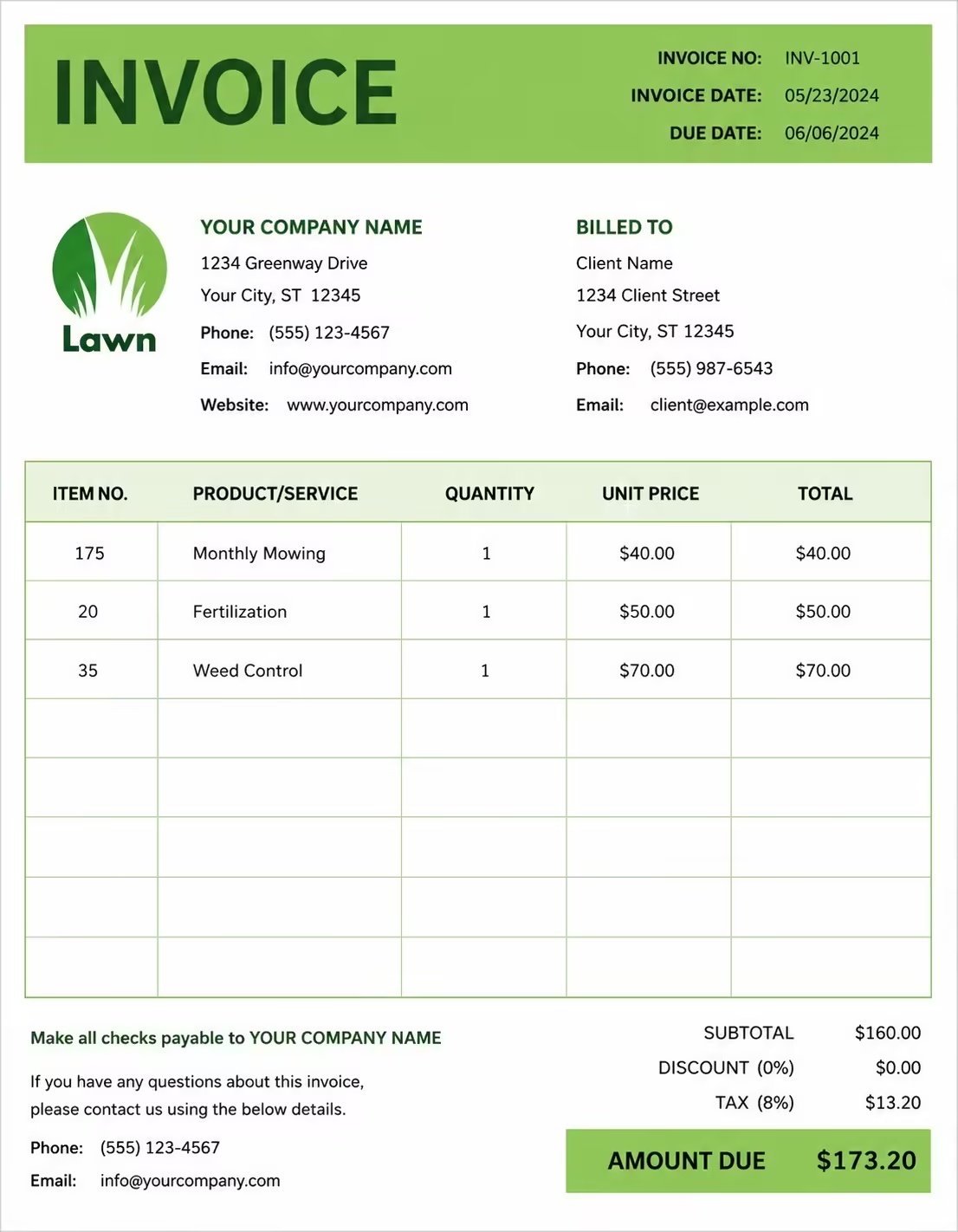
Free Music Studio Invoice Template
Free invoice templates for music studios, recording studios, sound production studios, audio engineers, music producers, rehearsal studios, mixing studios, and audio service businesses. Download and edit in PDF, Word, Excel, Google Docs, or Google Sheets.
Use this template to bill for recording sessions, studio rental, mixing, mastering, music production, rehearsal time, engineer fees, equipment use, deposits, taxes, discounts, and payment terms in a clear and professional way.
Download the app and manage invoices anywhere


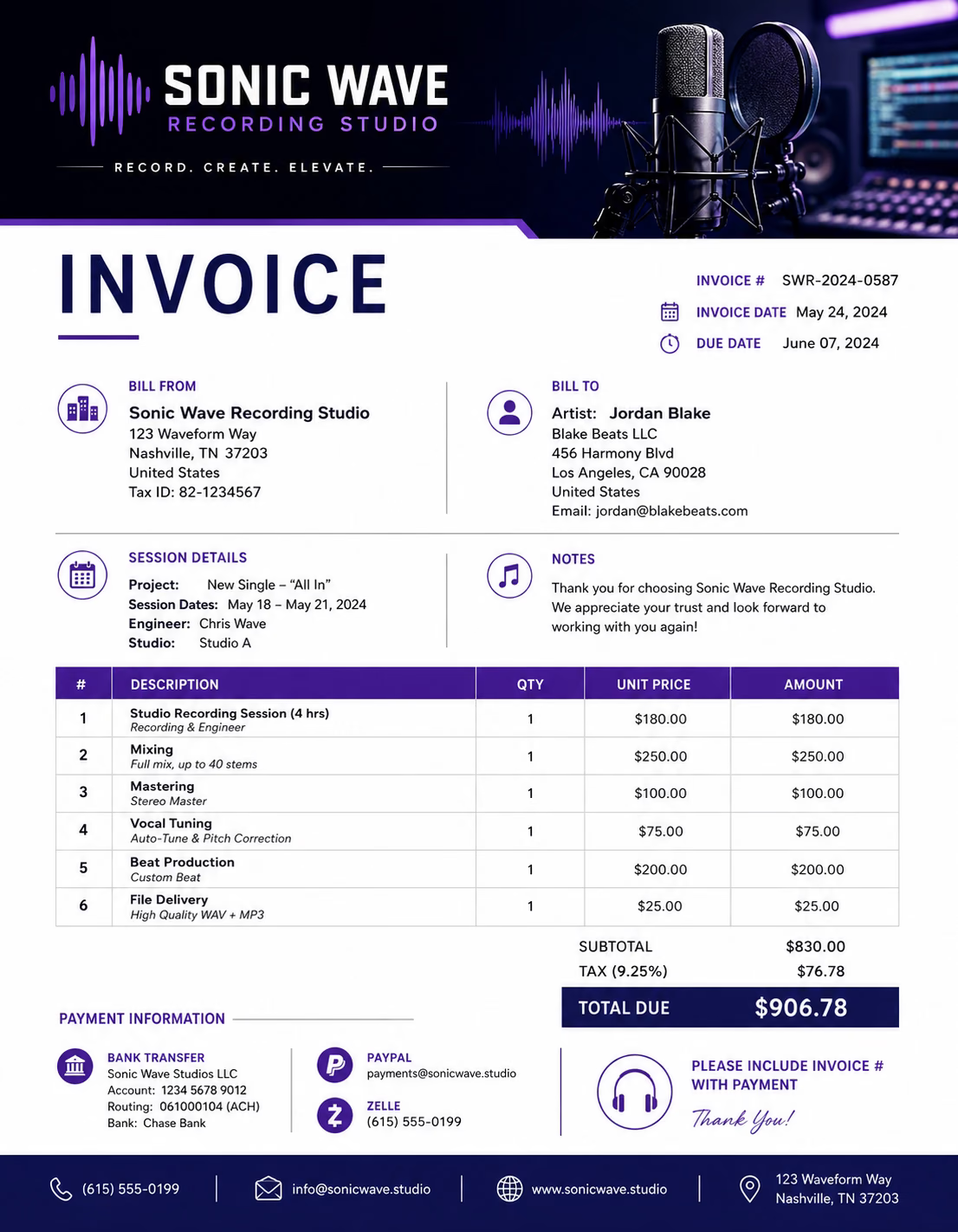
Download Free Music Studio Invoice Templates
Download a template, then edit it in PDF, Word, Excel, Google Docs, or Google Sheets. Print it, save it, or send it to your client when the music studio service is complete or when a billing period ends.
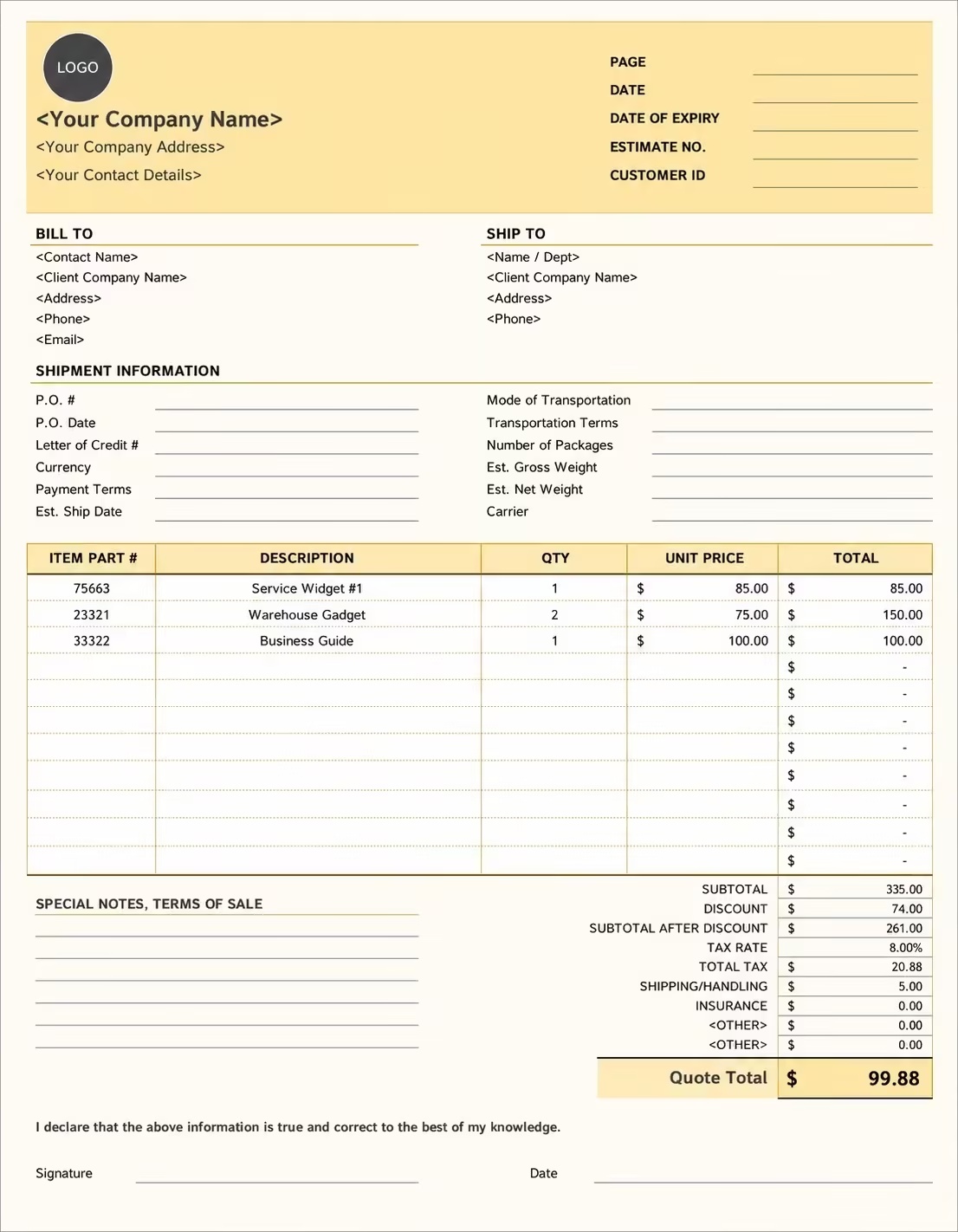
Custom Music Studio Invoice Template
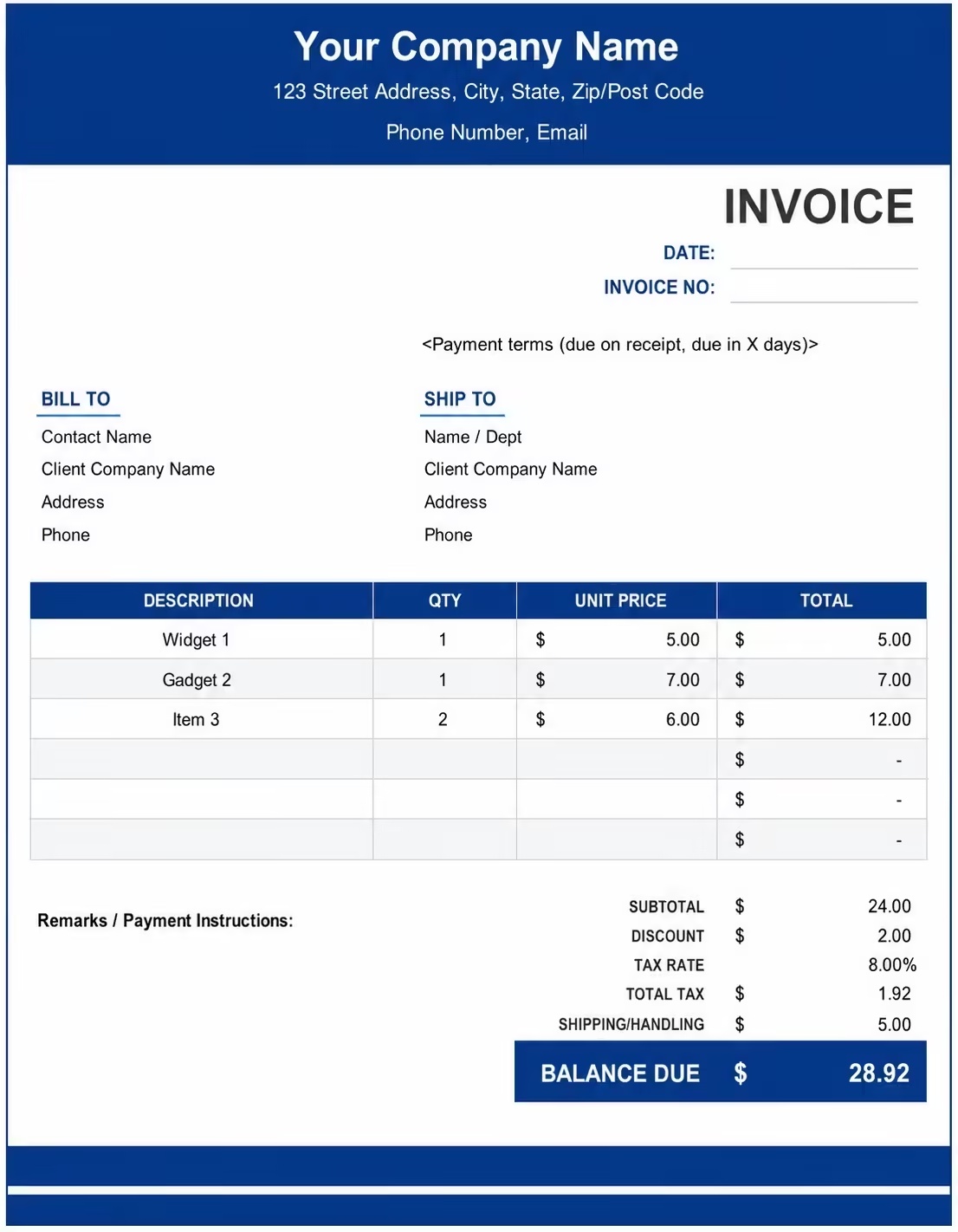
Editable Music Studio Invoice Template
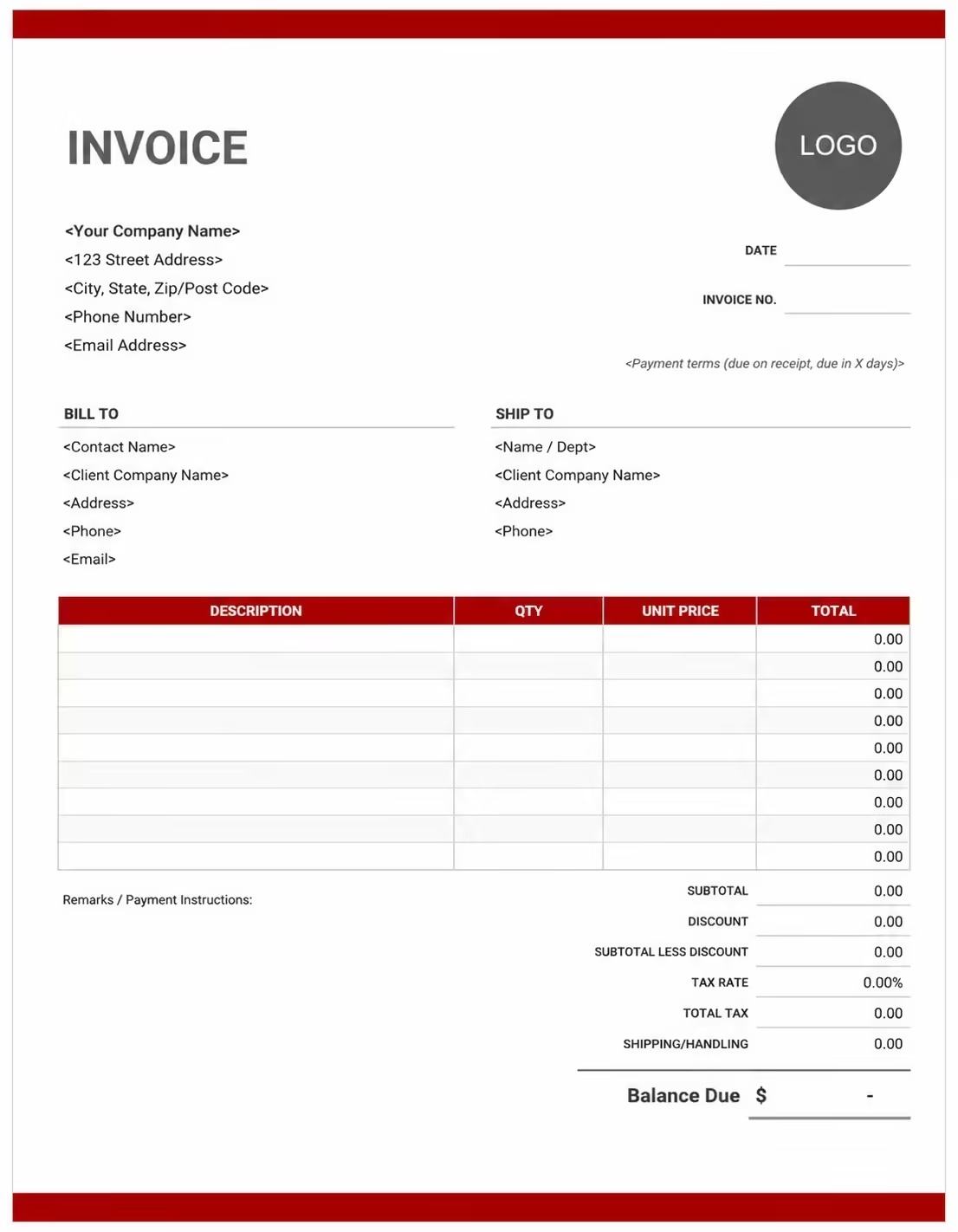
Printable Music Studio Invoice Template
Use these templates for music studios, recording studios, sound production studios, audio engineers, music producers, rehearsal studios, mixing studios, and audio service businesses.
How to Invoice for Music Studio Services
A good music studio invoice should clearly show the client details, session date, studio booking time, recording service, engineer fee, mixing or mastering work, equipment charges, deposits, taxes, and payment terms.
Download Free TemplateIn 5 Steps:
- Confirm the client details, recording date, studio room, session length, producer or engineer support, equipment needs, deliverables, and agreed pricing before the booking.
- Record completed music studio work, recording time, vocal tracking, instrument recording, rehearsal time, editing, mixing, mastering, setup, cleanup, and any approved extra services.
- Track studio-related costs such as room rental, microphones, instruments, audio interface, engineer time, producer support, plugins, storage, session files, assistants, and overtime.
- Calculate studio rental fees, recording charges, engineer fees, mixing fees, mastering fees, equipment costs, deposits, discounts, taxes if applicable, and the final balance due.
- Send the invoice with payment options, due date, session notes, file delivery details, revision terms, and any remaining balance instructions.
With Invoize, you can create music studio invoices faster, save client details, reuse common studio service items, add recording hours and engineer fees, and track payments from your phone.
What to Include in a Music Studio Invoice
A professional music studio invoice should include the details needed to identify the client, studio session, recording work, production service, deliverables, charges, and payment terms.
Invoice and Session Details
- Invoice numberHelps track the invoice, payment record, and music studio booking history.
- Client, artist, band, producer, or company detailsShows who booked the music studio service and who is responsible for payment.
- Music studio, producer, or business detailsShows which studio, producer, engineer, recording studio, or audio business provided the service.
- Session date, booking date, or billing periodShows when the music studio service was provided or which project phase, service period, or billing period the invoice covers.
- Studio room, recording booth, or project referenceConnects the invoice to the correct studio space, recording session, song, album, rehearsal space, or client project.
Music Studio Service Details
- Start time, end time, or studio hoursShows how studio time, recording hours, session length, or booking charges were calculated.
- Service typeShows recording, rehearsal, mixing, mastering, editing, music production, podcast recording, or vocal tracking.
- Service descriptionExplains vocal recording, instrument tracking, engineer support, mixing, mastering, final audio delivery, or studio work completed.
- Hourly rate, day rate, track fee, or project priceShows whether the service was billed by hourly rate, day rate, package fee, track fee, or fixed project price.
- Song count, track count, files, or deliverablesShows the amount of audio work completed and what the client receives, such as mixed tracks, mastered files, stems, session files, demos, or final audio exports.
Payment and Final Notes
- Equipment and staffLists microphones, instruments, amps, monitors, headphones, audio gear, plugins, studio equipment, audio engineers, producers, assistants, session musicians, technicians, setup, cleanup, or overtime fees.
- Discounts, deposits, retainers, or package creditsShows credits, retainers, package credits, deposits, or amounts already paid before the final balance.
- Total amount dueShows the final amount the client needs to pay.
- Payment due date and methodsTells the client when payment is expected and how they can pay.
- Session notes or payment termsRecords cancellation rules, overtime terms, revision limits, file delivery notes, usage rights, final payment instructions, or session notes.
Billing Scenarios for Music Studios
Use clear invoice labels so clients understand the type of studio service, recording cost, engineer fee, mixing charge, equipment cost, deposit, and final amount due.
| Scenario | Invoice line items | Best used for | How to describe it |
|---|---|---|---|
| Recording studio session | Studio time, recording hours, engineer fee, vocal booth, equipment use | Artists, bands, vocalists, podcasters, and producers booking studio time for recording. | Show the session date, studio room, recording hours, engineer support, deposit, and remaining balance clearly. |
| Mixing service | Mixing fee, track count, editing, audio cleanup, revision round, final mix | Clients who already have recorded tracks and need professional mixing. | List the song or project name, track count, mixing tasks, included revisions, and final mix fee. |
| Mastering service | Mastering fee, song count, final export, file preparation, delivery notes | Singles, EPs, albums, podcast episodes, and final audio projects ready for release. | Show the number of tracks, mastering format, delivery files, and final mastering charge. |
| Music production project | Production fee, arrangement, recording, editing, mixing, project files | Original songs, demos, jingles, backing tracks, artist projects, and full music production work. | Describe the production work, project phase, deliverables, revision terms, and project fee. |
| Rehearsal studio booking | Rehearsal room, booking hours, equipment use, setup time, overtime | Bands, singers, performers, and musicians booking rehearsal space before recording or live shows. | Show the rehearsal date, room used, hours booked, equipment included, and any overtime charge. |
| Studio package or recurring booking | Studio package, included hours, recording support, package discount, balance due | Artists, labels, podcasters, or businesses booking multiple sessions or monthly studio time. | Show the package name, included hours, used hours, booking period, previous payments, and remaining balance. |
Create Invoice Now
☝️ Create a professional invoice in seconds.
Common Charges and Fees for Music Studio Services
Itemize music studio charges clearly so clients can see studio time, recording fees, engineer support, mixing, mastering, equipment, deposits, taxes, and any extra costs.
| Charge or service | Unit | When to use | How to show it |
|---|---|---|---|
| Studio rental fee | Hour, day, session, or booking | Use when charging for studio room use, recording space, rehearsal room, vocal booth, or production space. | Show the booking date, studio hours, room used, and rental fee clearly. |
| Recording session fee | Hour, session, day, or project | Use when billing for vocal recording, instrument tracking, podcast recording, or live studio recording. | Show recording time, session details, and recording charge with a short description. |
| Audio engineer fee | Hour, session, day, or project | Use when an engineer handles recording, setup, levels, editing, mixing support, or session management. | Show engineer hours, role, rate, and total engineer charge clearly. |
| Music producer fee | Hour, track, session, or project | Use when a producer helps with arrangement, direction, recording decisions, sound selection, or song production. | List producer work separately when it is not included in the studio fee. |
| Mixing fee | Track, hour, song, or project | Use when balancing vocals, instruments, effects, levels, EQ, compression, and final mix versions. | Show the song name, track count, included revisions, and mixing fee. |
| Mastering fee | Track, song, EP, album, or project | Use when preparing final audio for release, streaming, radio, podcast upload, or distribution. | Show the number of tracks, mastering format, and mastering charge. |
| Editing or audio cleanup fee | Hour, track, file, or project | Use when removing noise, cleaning vocals, comping takes, timing audio, tuning vocals, or preparing session files. | Show editing work, number of files, hours, or fixed audio cleanup fee clearly. |
| Equipment or instrument fee | Item, hour, day, or session | Use when microphones, instruments, amps, headphones, monitors, plugins, or studio gear are billed separately. | List equipment or instrument fees separately when they add to the session cost. |
| Session musician or assistant fee | Person, hour, session, or track | Use when session players, assistants, technicians, or extra studio staff support the project. | Show the role, number of hours or tracks, rate, and staffing charge clearly. |
| Overtime or extra revision fee | Hour, round, or fee | Use when a session runs longer than booked or the client requests extra mixes, extra edits, or additional revisions. | Add a clear label so the client understands why the extra fee applies. |
| Tax | Percentage or amount | Use when tax applies to studio rental, recording services, mixing, mastering, equipment, or extra fees based on local rules. | Show tax before the final total so the client can see how the balance was calculated. |
| Deposit, retainer, or previous payment | Credit | Use when the client paid before or during the music studio booking or audio project. | Subtract it from the invoice total and show the remaining balance due. |
Common Music Studio Invoicing Mistakes
Music studio billing can include booking times, recording hours, engineer support, equipment use, mixing, mastering, deposits, revision terms, and file delivery details. Missing details can confuse clients or delay payment. Avoid these common mistakes.
| Mistake | Why it causes problems | How to fix it |
|---|---|---|
| Not listing the session date or booking time | The client may not know which recording session, rehearsal, mixing project, or billing period the invoice covers. | Add the session date, booking date, start time, end time, studio hours, or billing period clearly. |
| Not describing the studio service clearly | The client may not understand whether the charge is for studio rental, recording, mixing, mastering, production, or rehearsal. | Add a simple service description for each studio service, session, or project item. |
| Combining all charges in one line | The total may look unclear because the client cannot see studio time, engineer fees, equipment, mixing, mastering, and taxes separately. | Separate studio rental, recording fees, engineer support, production work, mixing, mastering, deposits, and taxes into clear line items. |
| Not showing hours, tracks, or package details | The client may question the charge if the studio time, track count, or pricing method is not visible. | Show session hours, track count, song count, hourly rate, package name, fixed fee, or day rate clearly. |
| Forgetting engineer, producer, or assistant fees | Audio engineer support, producer direction, assistants, or technicians may look unexpected if not listed. | Add engineer fees, producer fees, assistant support, session musician costs, or technical support as separate line items when charged. |
| Not recording overtime or extra revisions | Extra studio time, additional mix versions, extra edits, or more mastering revisions may be questioned later. | Show approved overtime, extra revision rounds, added hours, extra files, and updated totals clearly. |
| Leaving out deliverables or file notes | The client may not know what audio files, stems, mixes, masters, session files, or formats are included. | Add deliverables, file formats, delivery date, revision notes, stem delivery, and handover details when useful. |
| Forgetting deposits or package credits | The final balance may look higher than expected. | Show deposits, retainers, advance payments, package credits, partial payments, or discounts before the balance due. |
| Leaving out cancellation or usage terms | The client may not know what happens with late cancellations, rescheduling, overtime, file delivery, or music usage rights. | Add payment terms, cancellation rules, rescheduling notes, overtime terms, file delivery notes, and usage notes. |
| Not keeping invoice records | Tracking studio bookings, payments, recording sessions, files, equipment use, and client history becomes harder. | Keep a copy of every music studio invoice for your business records. |
More Invoice Templates You May Like
Explore closely related invoice templates for music studio work, similar services, and nearby billing scenarios before choosing the best format for your customer.
Questions
Frequently Asked Questions
How should I show music studio session charges on an invoice?
List the studio session with the date, session length, hourly rate, and total amount. Example: “Recording studio session: 4 hours × $80/hr = $320” or “Full-day studio booking: $600.” This helps the artist or client understand how the studio time was billed.
What booking details should be included on a music studio invoice?
Include the client name, artist or band name, session date, studio room, session time, project name, and invoice number. Example: “Artist: James Carter, project: EP vocal recording, Studio Room A, June 12, 2 PM to 6 PM.” This connects the invoice to the correct recording session.
How do I invoice for recording, mixing, and mastering separately?
List each audio service as its own line item. Example: “Vocal recording session: $240,” “Song mixing: 1 track: $180,” and “Mastering: 1 track: $75.” This keeps each stage of the music production process clear.
Should sound engineer or producer fees be listed separately?
Yes. If the engineer, producer, or studio assistant is billed outside the room rental fee, show it separately. Example: “Sound engineer: 4 hours × $50/hr = $200” or “Music producer session support: $250.” This separates staff time from studio rental.
Can I include equipment or instrument rental charges?
Yes. List microphones, instruments, amplifiers, keyboards, drum kits, audio interfaces, or special equipment separately if they are charged extra. Example: “Premium microphone setup: $45” or “Drum kit rental for session: $60.”
How should I bill for extra editing or vocal tuning?
Add editing, vocal tuning, pitch correction, comping, or timing adjustments as separate line items if they are not included in the session package. Example: “Vocal tuning and cleanup: $90” or “Audio editing: 2 hours × $45/hr = $90.”
How do I show deposits or booking retainers?
Show the full studio booking amount, deposit paid, and remaining balance. Example: “Music studio booking total: $700,” “Deposit received: $200,” and “Balance due before final files are delivered: $500.” This helps both sides track payment clearly.
What payment terms should a music studio invoice include?
Include the due date, accepted payment methods, deposit terms, cancellation policy, overtime rules, and final file delivery terms. Example: “Final payment due before release of final audio files. Extra studio time, mixing revisions, equipment rental, or late cancellations may require an updated invoice.”