
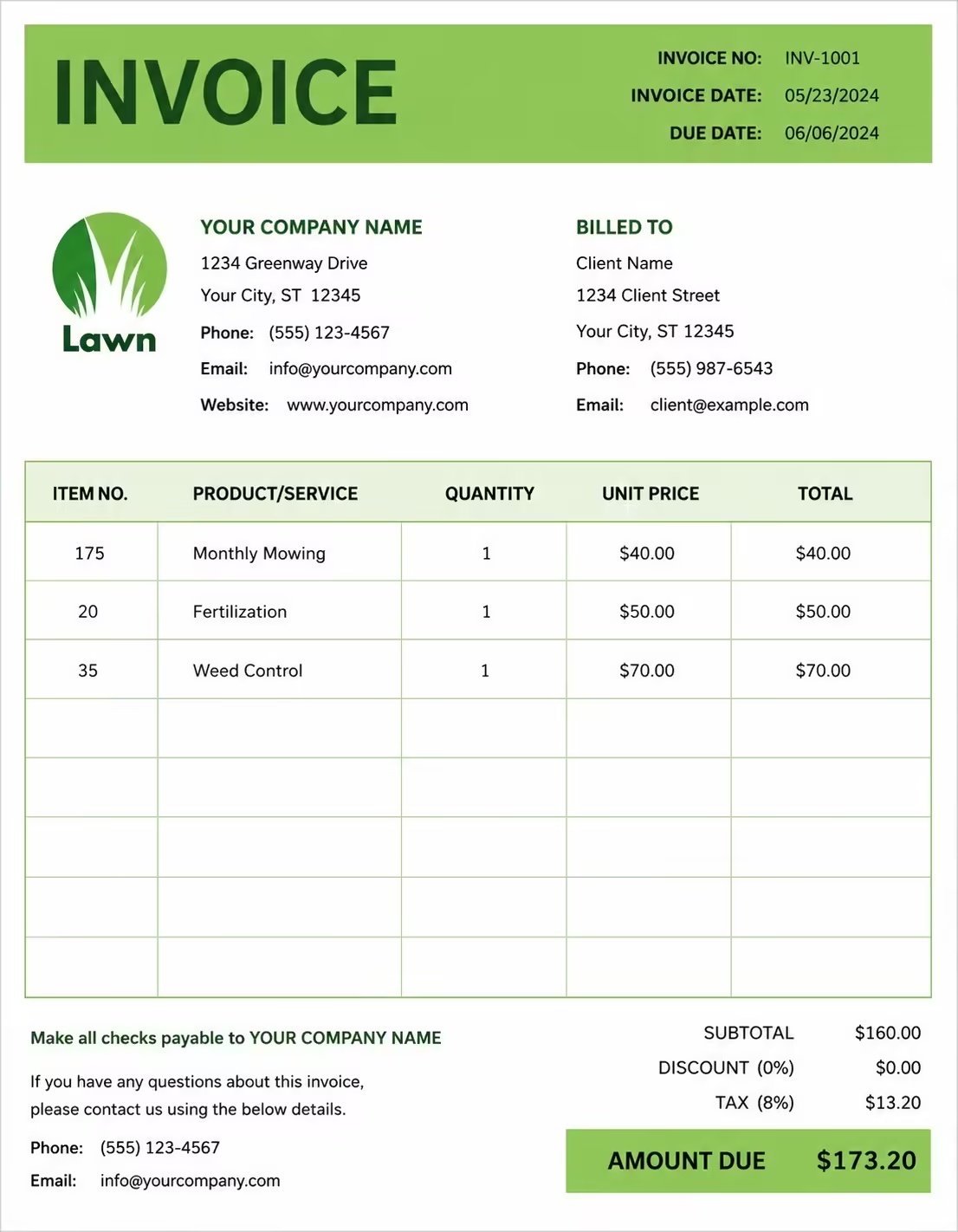
Free Sole Proprietor Invoice Template
Free invoice templates for sole proprietors, sole traders, self-employed professionals, independent business owners, consultants, freelancers, local service providers, tradespeople, creators, coaches, and one-person businesses. Download and edit in PDF, Word, Excel, Google Docs, or Google Sheets.
Use this sole proprietor invoice template to bill for services, products, hourly work, project fees, retainers, consultations, materials, reimbursable expenses, deposits, taxes, discounts, and final client balances in a clean and professional way.
Download the app and manage invoices anywhere


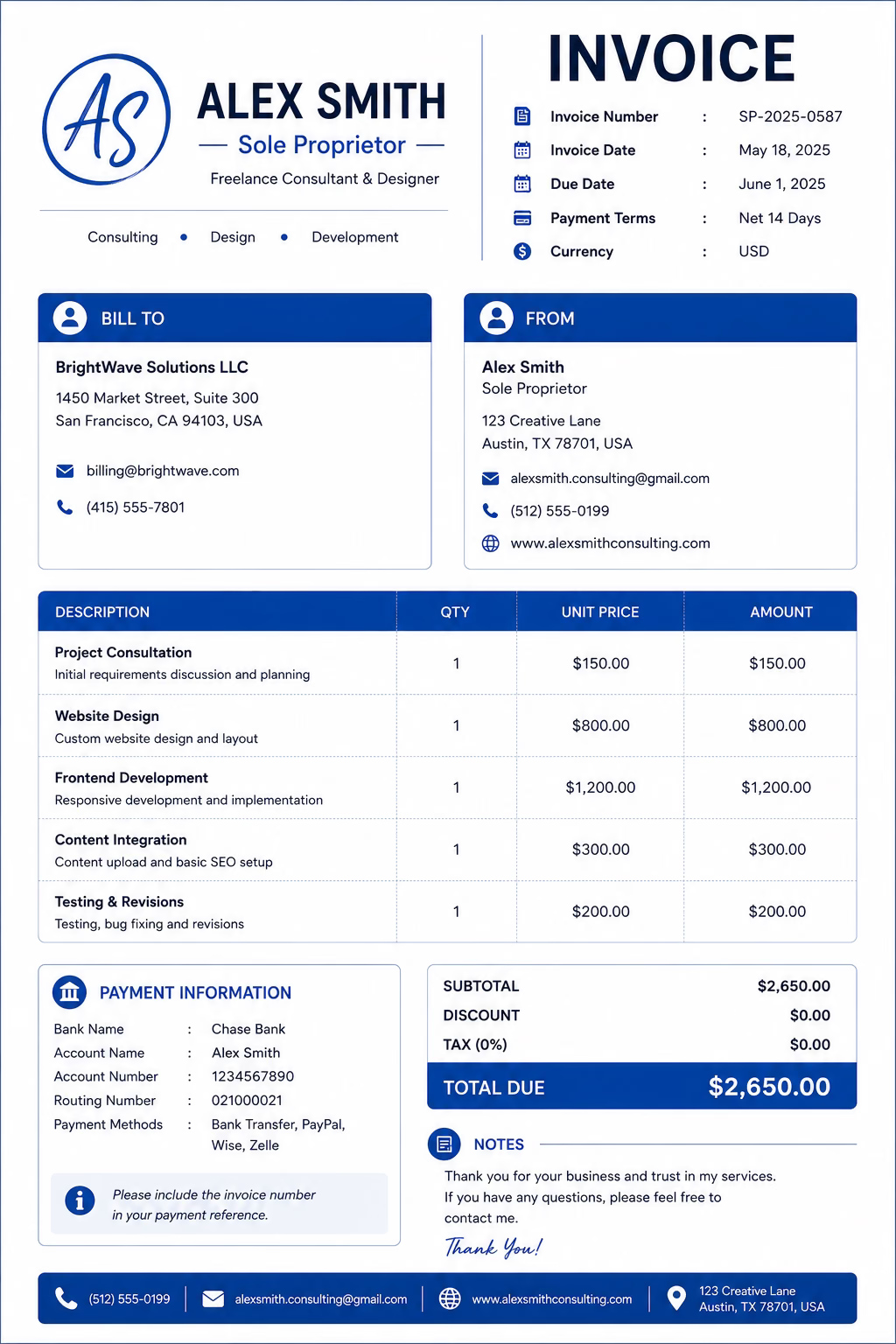
Download Free Sole Proprietor Invoice Templates
Download a template, then edit it in PDF, Word, Excel, Google Docs, or Google Sheets. Print it, save it, or send it to a customer after the service, project, order, consultation, retainer period, or delivery is complete.
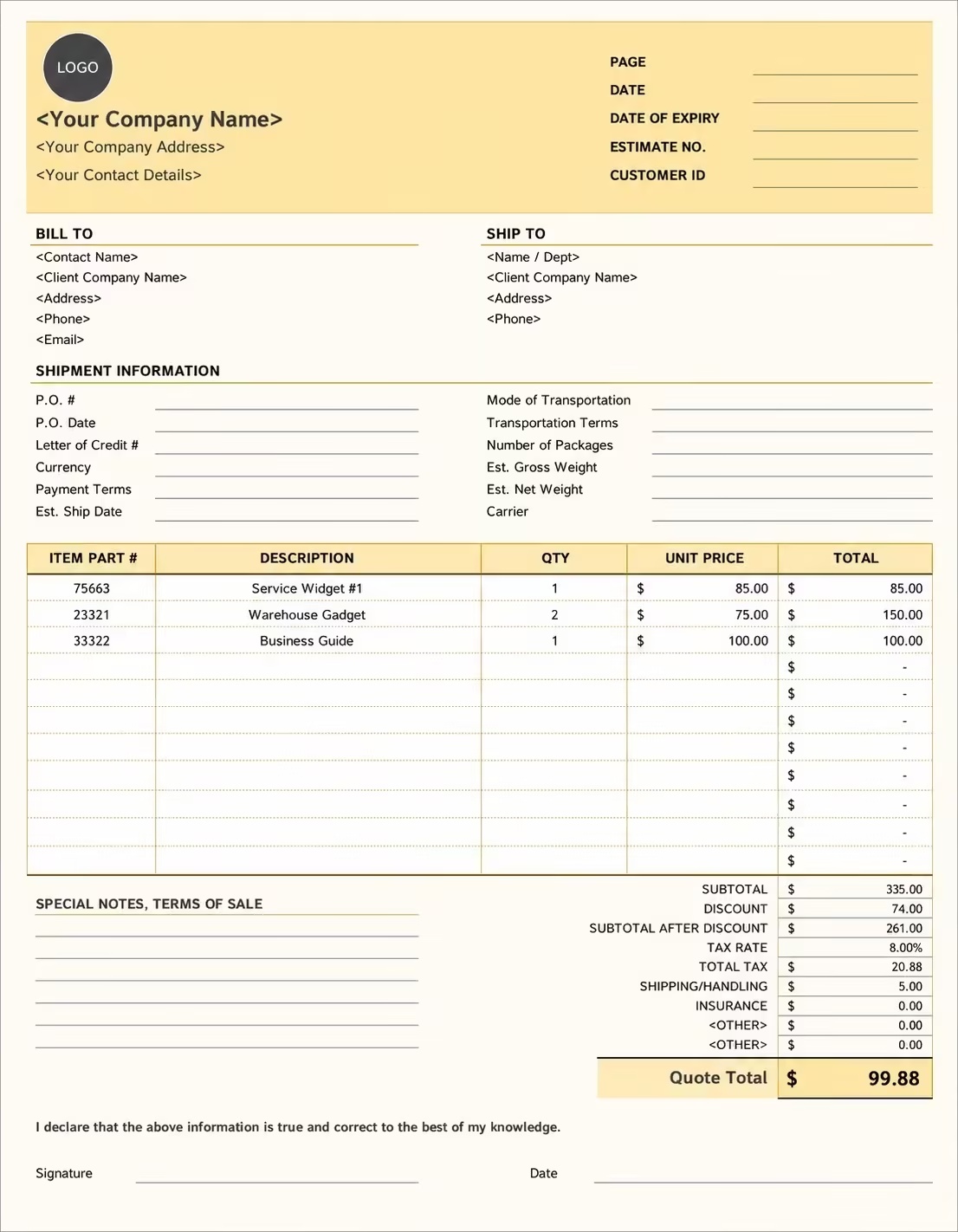
Editable Sole Proprietor Invoice Template
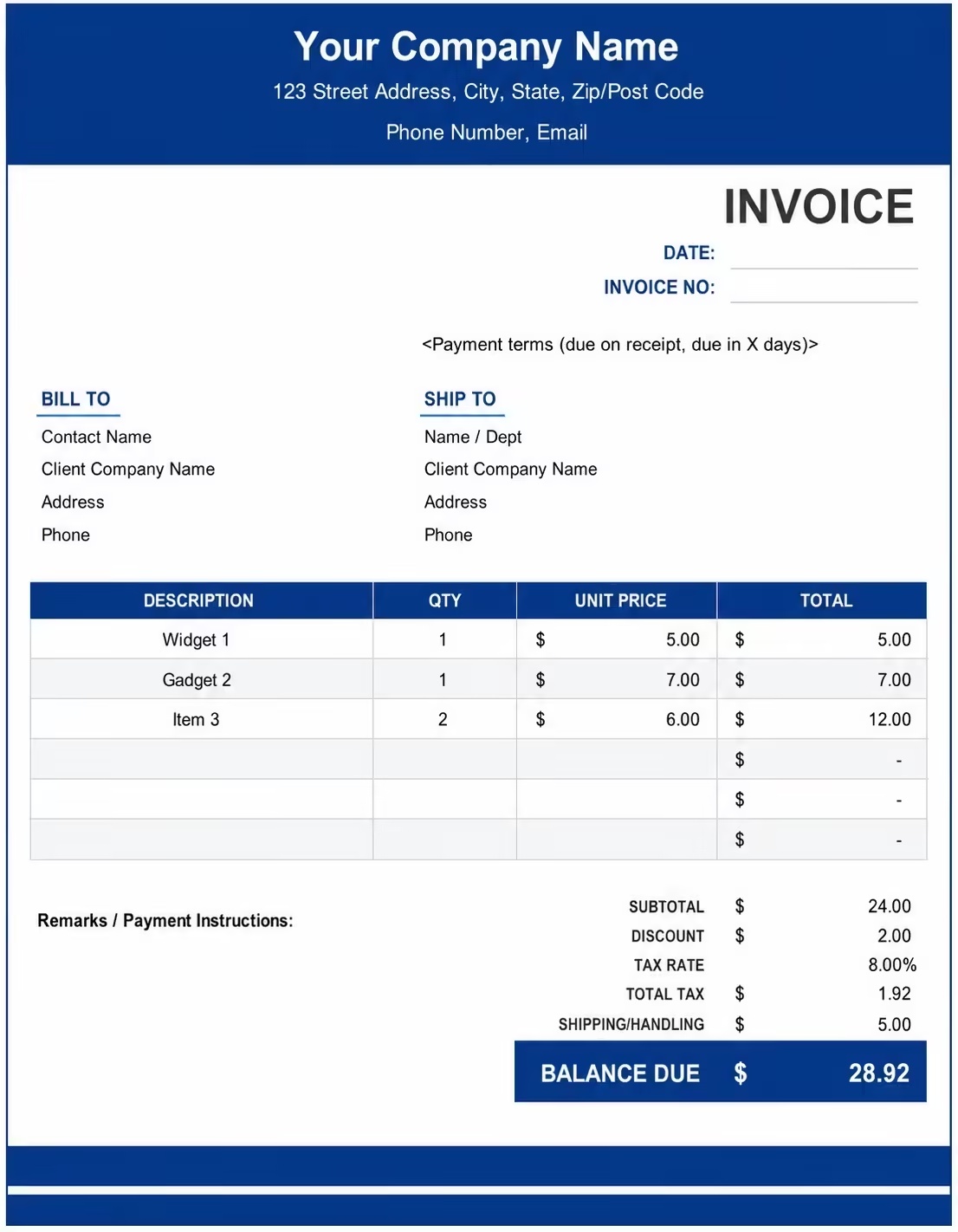
Printable Sole Proprietor Invoice Template
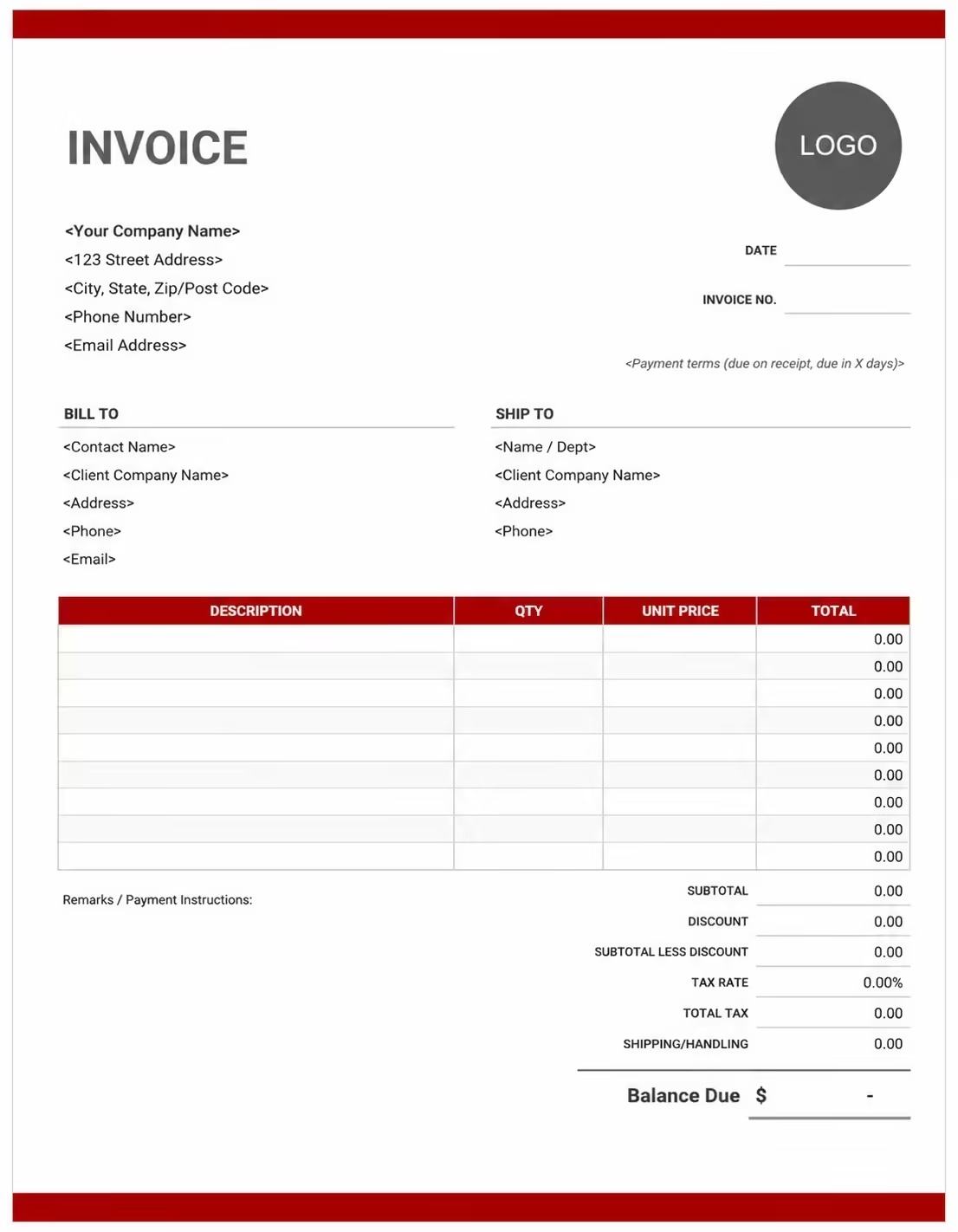
Free Sole Proprietor Invoice Template
Use these templates for sole proprietors, self-employed professionals, independent consultants, home-service providers, freelancers, local businesses, online sellers, and one-person companies billing clients for work, products, fees, taxes, deposits, and expenses.
How to Invoice as a Sole Proprietor
A good sole proprietor invoice should clearly show who provided the service, who the customer is, what was sold or completed, how the amount was calculated, what taxes or deposits apply, and when payment is due.
Download Free TemplateIn 5 Steps:
- Confirm the customer details, service or product description, billing method, quantity, hourly rate, project fee, materials, approved expenses, tax rules, deposit amount, and payment due date before preparing the invoice.
- Add invoice details such as the invoice number, invoice date, payment due date, sole proprietor business name, legal name if needed, client name, project name, purchase order, or billing period.
- List each product or service clearly, including consulting, repairs, local services, online work, product sales, labor, delivery, materials, subscriptions, retainer work, or project deliverables.
- Separate labor, products, materials, reimbursable expenses, travel, discounts, taxes, deposits, advance payments, and the final balance due so the customer can review the invoice quickly.
- Send the invoice with accepted payment methods, bank or online payment details, payment terms, late fee notes, tax notes, delivery details, and any warranty or service notes that apply.
With Invoize, sole proprietors can create invoices faster, save customer details, reuse common products and services, add taxes and deposits, track payment status, and manage paid, unpaid, and overdue invoices from one place.
What to Include in a Sole Proprietor Invoice
A professional sole proprietor invoice should include the details needed to identify the business owner, customer, work completed, pricing method, payment terms, tax details, and final amount due.
Invoice and Business Details
- Invoice numberHelps track the invoice, payment record, customer account, tax records, and business history.
- Sole proprietor name, business name, address, email, phone, and websiteShows who provided the service or product and where payment should be sent.
- Customer name, company name, billing contact, and addressShows who received the service or product and who is responsible for payment.
- Project name, purchase order, job number, service address, or order referenceConnects the invoice to the correct job, project, order, customer record, or service visit.
- Invoice date, due date, service date, delivery date, or billing periodShows when the work was completed or product was delivered and when payment is expected.
Product or Service Details
- Service or product descriptionExplains the work, item, package, consultation, repair, labor, product sale, or deliverable being billed.
- Billing methodShows whether the charge is hourly, fixed project, per item, per visit, per day, per milestone, or as a retainer.
- Quantity, hours, units, visits, deliverables, or materialsShows how the invoice total was calculated.
- Rate, unit price, hourly fee, package amount, or fixed feeShows the agreed price for each line item.
- Scope notes, delivery notes, service notes, or approval detailsAdds context for completed work, customer approvals, product delivery, or follow-up service.
Payment and Final Notes
- Subtotal for services, products, materials, and expensesSeparates each charge type so the customer can review the invoice clearly.
- Taxes, sales tax, VAT, discounts, deposits, or creditsShows adjustments and tax amounts before calculating the final balance.
- Reimbursable costs, travel, delivery, processing fees, or suppliesLists extra costs separately from the main service or product charge.
- Total amount dueShows the final balance the customer needs to pay.
- Payment methods and termsLists accepted payment options, due date, late fee policy, bank details, online payment link, and contact information.
Billing Scenarios for Sole Proprietors
Use clear invoice labels so customers understand the service, product, billing period, quantity, expenses, taxes, deposits, and final amount due.
| Scenario | Invoice line items | Best used for | How to describe it |
|---|---|---|---|
| Hourly service work | Hours worked, hourly rate, service dates, task descriptions | Consultants, freelancers, repair providers, assistants, and service professionals. | Attach or summarize timesheet details when needed. |
| Fixed project invoice | Project title, agreed scope, fixed fee, completion date | One-person businesses billing project-based work. | Mention the agreed deliverables or service scope. |
| Product sale invoice | Product names, quantities, unit prices, shipping, taxes | Sole proprietors selling goods, supplies, handmade items, or retail products. | List each product separately for easy customer review. |
| Local service visit | Service address, visit date, labor, materials, travel fee | Home-service providers, mobile technicians, cleaners, gardeners, and repair businesses. | Add the service location and work completed. |
| Consultation invoice | Session date, consultation topic, time spent, session fee | Advisors, coaches, consultants, and professional service providers. | Include the consultation date and topic. |
| Monthly retainer | Billing month, included services, retainer fee, extra work | Ongoing clients, support services, advisory work, and recurring service plans. | Separate included work from out-of-scope charges. |
| Milestone payment | Milestone name, completed phase, amount due, approval date | Longer projects with staged payments. | Show previous payments and remaining balance when helpful. |
| Expense reimbursement | Approved expenses, receipts, materials, travel, software, supplies | When the sole proprietor pays customer-approved costs upfront. | Keep reimbursements separate from service fees. |
| Deposit or advance payment | Deposit amount, total project value, balance due | New projects, custom orders, larger jobs, and booked service dates. | State whether the deposit is refundable or applied to the final invoice. |
| Final balance invoice | Completed work, previous payments, credits, remaining balance | Project completion, delivered orders, and final service billing. | Deduct deposits and show the final amount due clearly. |
Create Invoice Now
☝️ Create a professional invoice in seconds.
Common Charges and Fees for Sole Proprietor Invoices
Sole proprietor invoices may include hourly fees, fixed project fees, product sales, materials, travel, delivery, retainers, deposits, taxes, reimbursements, and late payment fees.
| Charge or service | Unit | When to use | How to show it |
|---|---|---|---|
| Hourly Service Fee | Time spent completing services or support work. | When billing by the hour. | Hourly service fee |
| Fixed Project Fee | A set price for a defined project or scope of work. | For agreed project-based work. | Fixed project fee |
| Product or Item Charge | Goods, products, supplies, or materials sold to the customer. | For retail, handmade, online, or local product sales. | Product sale |
| Consultation Fee | Advisory calls, planning meetings, coaching, or professional guidance. | For session-based work. | Consultation session |
| Service Visit Fee | Charge for visiting a customer location or completing on-site work. | For local or mobile services. | Service visit fee |
| Materials or Supplies Fee | Materials, parts, tools, consumables, or supplies used for the job. | When costs are billed to the customer. | Materials and supplies |
| Travel or Mileage Fee | Travel time, mileage, tolls, parking, or transportation costs. | For jobs that require travel. | Travel and mileage fee |
| Delivery or Shipping Fee | Packing, delivery, courier, postage, or shipping costs. | When products or documents are delivered. | Delivery fee |
| Monthly Retainer | Ongoing services billed for a fixed monthly amount. | For recurring support, advisory, or service plans. | Monthly service retainer |
| Deposit or Advance Payment | Upfront amount paid before work begins or before an order is fulfilled. | For custom work, larger jobs, or booked services. | Project deposit |
| Expense Reimbursement | Approved customer expenses paid by the sole proprietor. | For software, travel, materials, permits, or third-party charges. | Approved expense reimbursement |
| Tax or VAT | Required tax based on location, service type, or product sale. | When tax applies. | Sales tax / VAT |
| Late Payment Fee | Fee charged when payment is made after the due date. | If allowed by the invoice terms or agreement. | Late payment fee |
Common Sole Proprietor Invoicing Mistakes
Avoid unclear business details, vague descriptions, missing tax information, untracked deposits, and weak payment terms when billing as a sole proprietor.
| Mistake | Why it causes problems | How to fix it |
|---|---|---|
| Using only a personal name with no business details | Customers may not know who issued the invoice or where to send payment. | Add your sole proprietor name, business name if used, contact details, and payment information. |
| Leaving out invoice numbers | Payment tracking and tax records become harder to manage. | Use a unique invoice number for every customer invoice. |
| Vague product or service descriptions | Customers may question the charge or delay approval. | Describe each service, product, date, quantity, and rate clearly. |
| Not separating labor and materials | Customers may not understand how the total was calculated. | List labor, products, materials, travel, and expenses as separate line items. |
| Missing tax details | Sales tax, VAT, or local tax records may be incomplete. | Add taxes as separate line items when applicable. |
| Forgetting deposits or advance payments | Customers may overpay or dispute the remaining balance. | Show deposits, credits, and balance due clearly. |
| No payment due date | Customers may not know when payment is expected. | Add due on receipt, Net 7, Net 15, Net 30, or custom payment terms. |
| No payment method listed | Customers may delay payment while asking how to pay. | Add bank details, card link, payment app, check instructions, or online payment option. |
| Mixing business and personal expenses | Accounting and tax reporting can become confusing. | Keep business invoice line items clean and tied to customer-approved work. |
| Not saving invoice records | You may lose proof of income, unpaid balances, or tax documentation. | Keep digital copies of every sent invoice, payment, credit, and refund. |
More Invoice Templates You May Like
Explore closely related invoice templates for sole proprietor work, similar services, and nearby billing scenarios before choosing the best format for your customer.
Questions
Frequently Asked Questions
What is a sole proprietor invoice?
A sole proprietor invoice is a billing document used by a self-employed individual or one-person business to request payment for services, products, projects, expenses, deposits, taxes, and customer balances.
What should a sole proprietor invoice include?
It should include your name or business name, contact details, customer details, invoice number, invoice date, due date, service or product descriptions, quantities, rates, taxes, deposits, payment methods, and total amount due.
Can I invoice with my personal name as a sole proprietor?
Yes. Many sole proprietors invoice under their legal name, business name, or trade name. Include the details your customer needs for payment and records.
Can this template be used for services and products?
Yes. You can use it for service work, consulting, hourly billing, local jobs, product sales, materials, delivery fees, expenses, and project-based billing.
Should I include taxes on a sole proprietor invoice?
If tax applies to your location, service, or product, list it separately so the subtotal, tax amount, and total due are clear.
How do I show deposits or advance payments?
Add the full project or order amount, then show the deposit, advance payment, or credit already received before listing the remaining balance due.
Can I use this template for hourly work?
Yes. Add the service date, task description, hours worked, hourly rate, and total for each line item. You can also include a timesheet summary if needed.
Can I use this template for repeat clients?
Yes. Sole proprietors can reuse the same structure for recurring services, retainers, monthly support, project milestones, and ongoing customer work.
What payment terms should a sole proprietor use?
Common payment terms include due on receipt, Net 7, Net 15, or Net 30. Add the due date, accepted payment methods, and any late payment policy.
Is this template suitable for tax records?
It can help keep organized records, but you should confirm local tax and accounting requirements with a qualified professional when needed.