Free SaaS Invoice Template
Free invoice templates for SaaS companies, software startups, subscription businesses, cloud platforms, app developers, API providers, productized software teams, managed software providers, and B2B technology companies. Download and edit in PDF, Word, Excel, Google Docs, or Google Sheets.
Use this SaaS invoice template to bill for monthly subscriptions, annual plans, software licenses, onboarding fees, implementation work, setup charges, user seats, usage-based billing, add-ons, support plans, taxes, discounts, credits, and payment terms in a clear and professional way.
Download the app and manage invoices anywhere


Download Free SaaS Invoice Templates
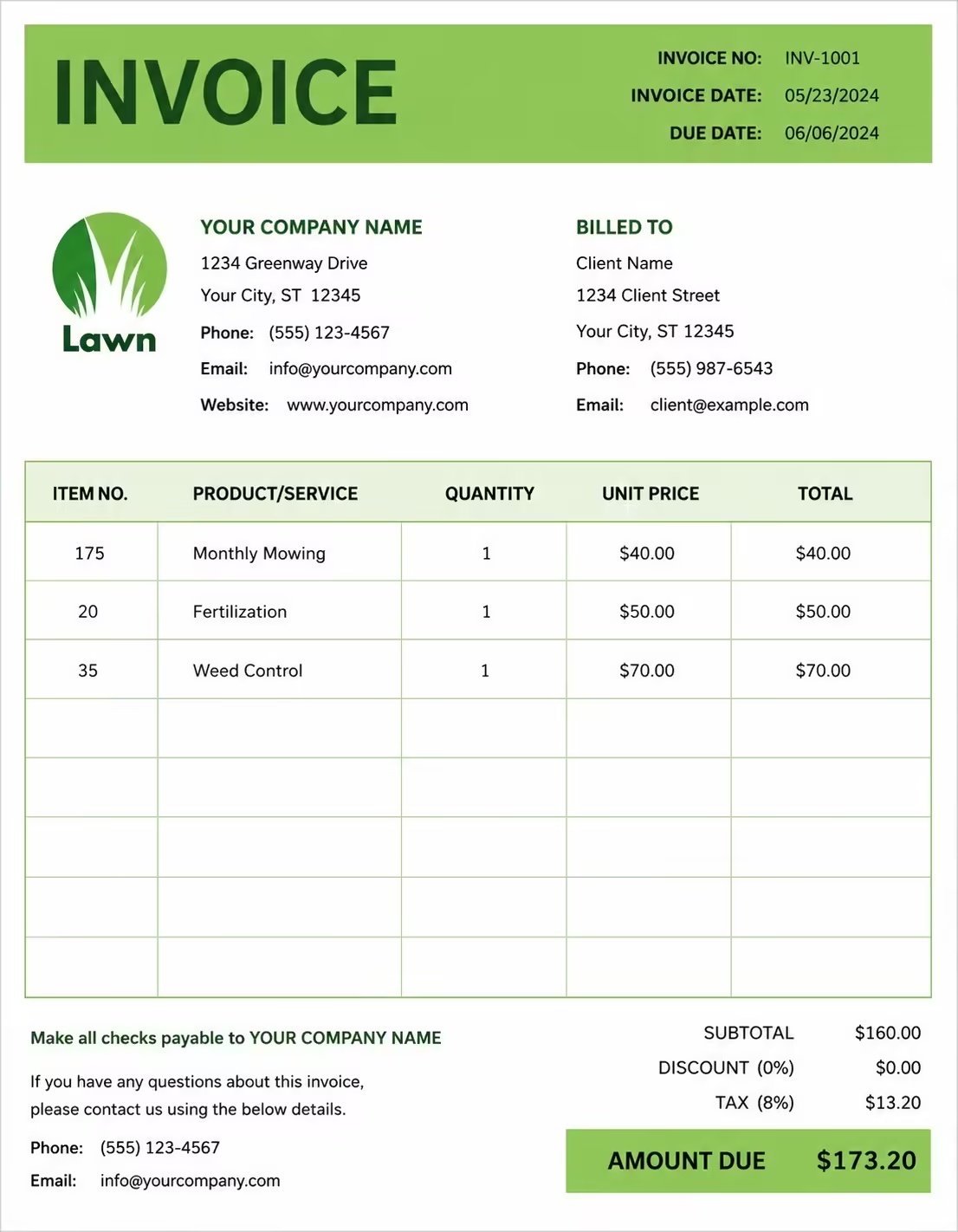
Download a template, then edit it in PDF, Word, Excel, Google Docs, or Google Sheets. Print it, save it, or send it to your customer when the subscription period, billing cycle, setup project, or software service is complete.
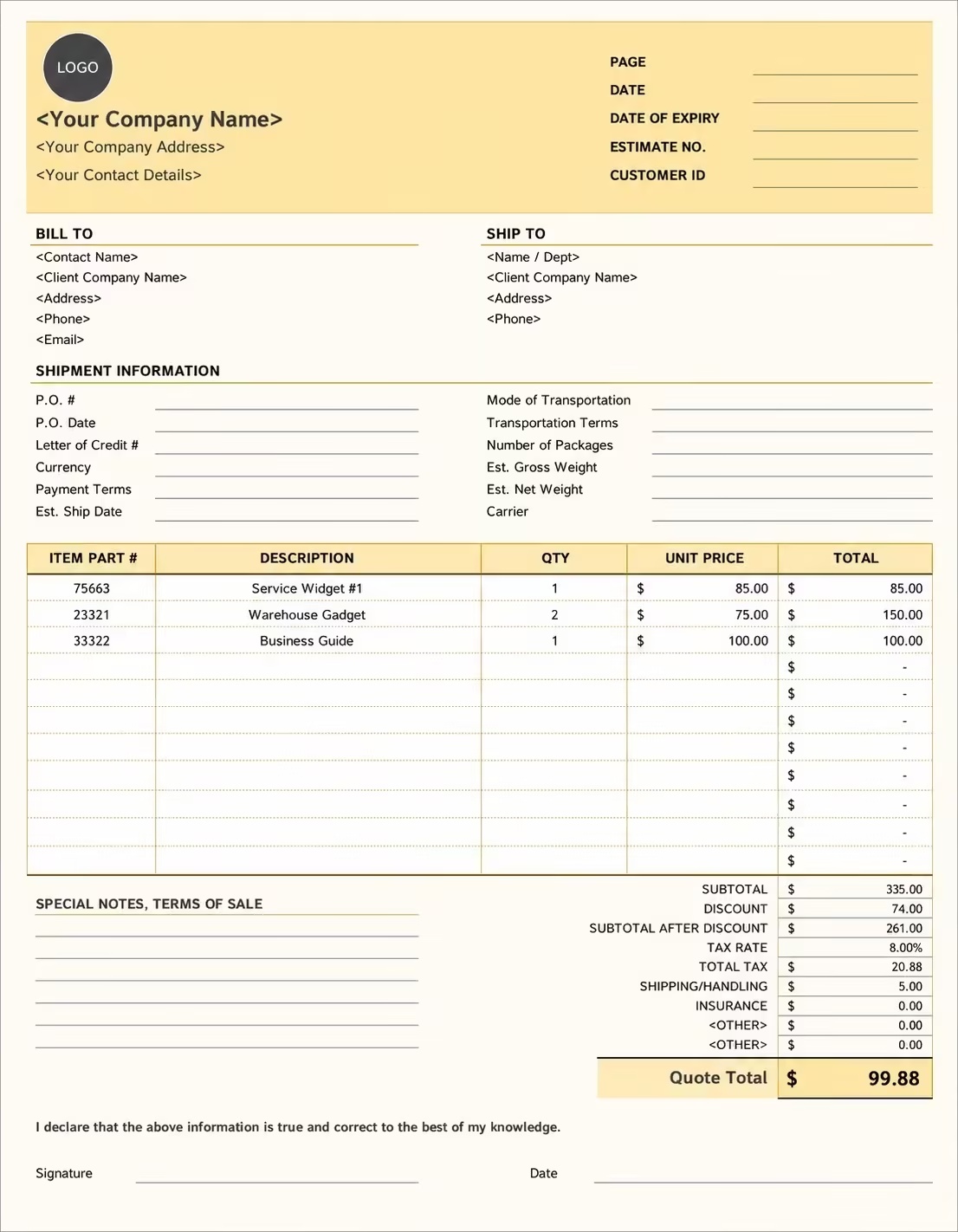
Editable SaaS Invoice Template
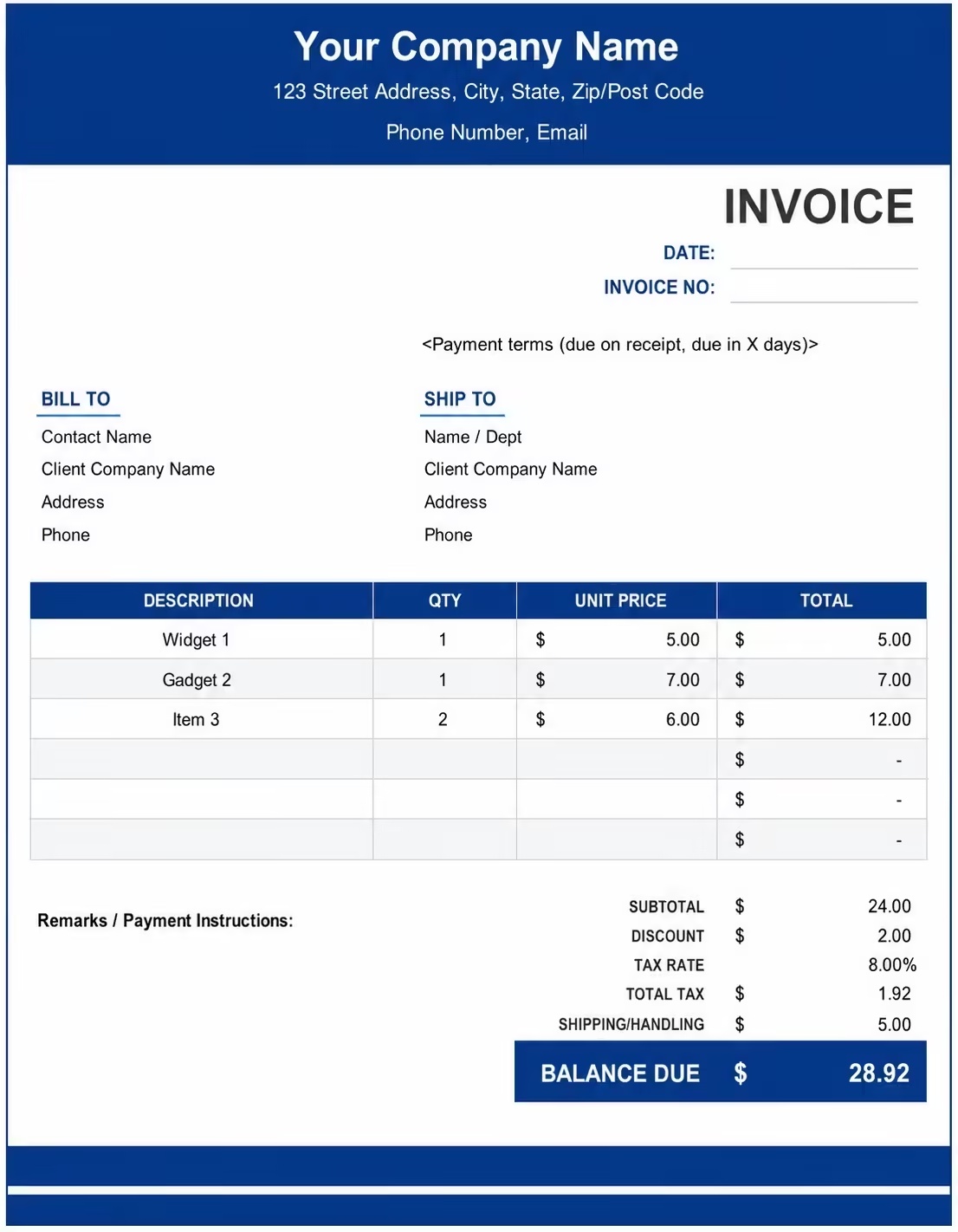
Printable SaaS Invoice Template
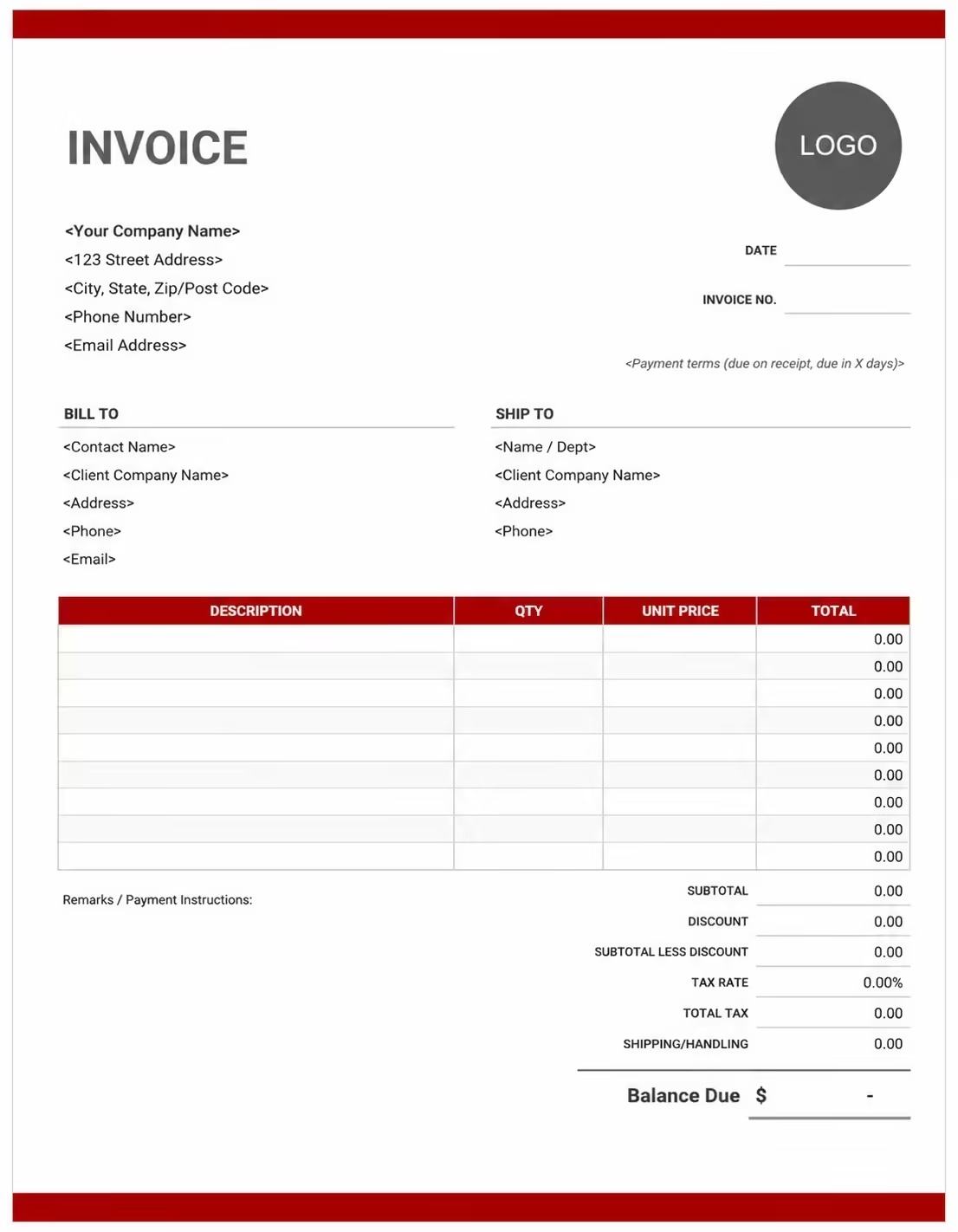
Free SaaS Invoice Template
Use these templates for SaaS companies, software vendors, cloud platforms, app businesses, API providers, subscription teams, implementation consultants, and B2B software service providers.
How to Invoice for SaaS Services
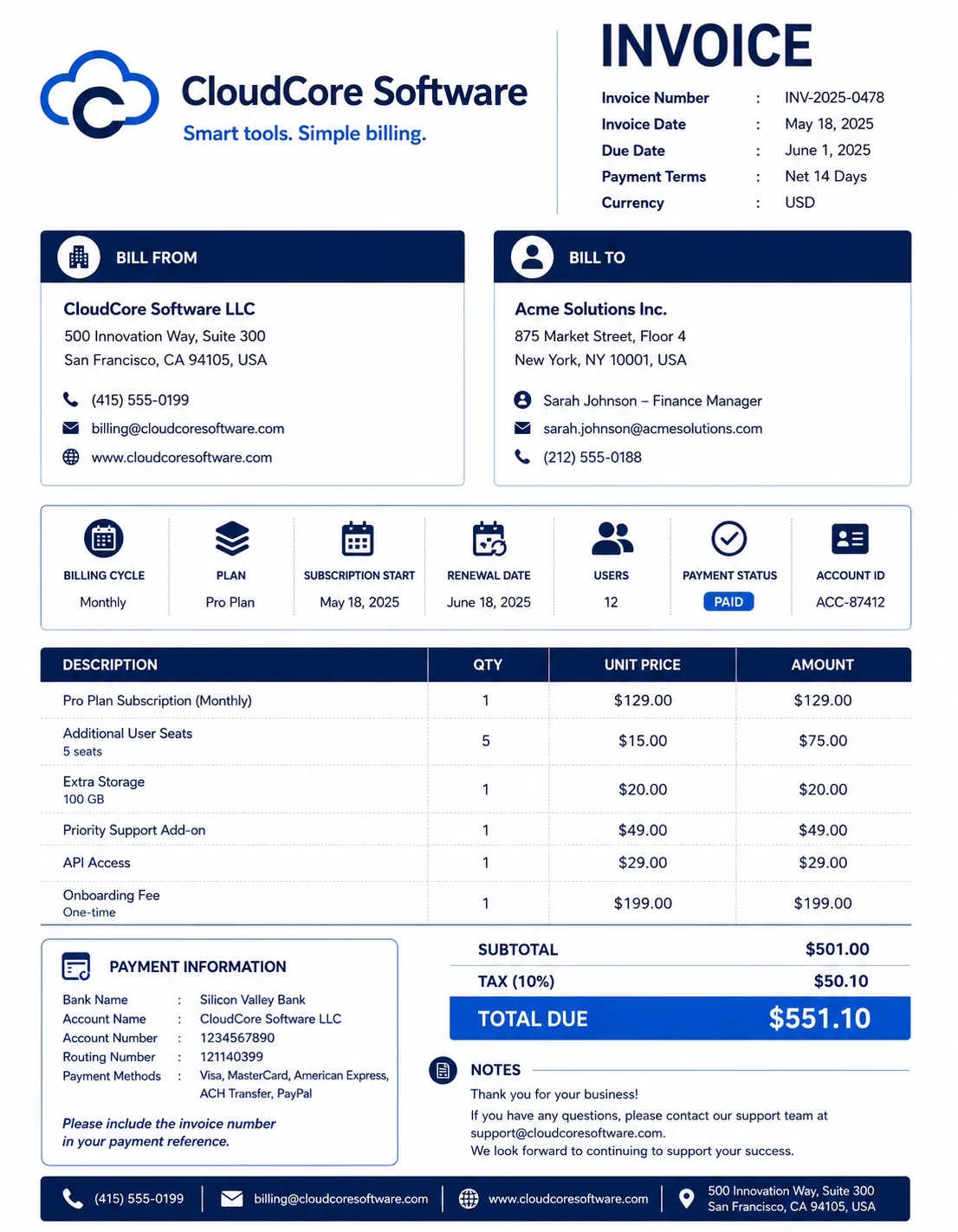
A good SaaS invoice should clearly show the customer details, subscription plan, billing period, seat count, usage charges, add-ons, taxes, credits, and final amount due.
Download Free TemplateIn 5 Steps:
- Confirm the customer details, subscription plan, billing cycle, number of seats, contract terms, usage charges, add-ons, discounts, taxes, and payment terms before preparing the invoice.
- Add invoice details such as the invoice number, invoice date, due date, account ID, subscription ID, plan name, purchase order, contract reference, and billing period.
- List each SaaS charge clearly, including monthly subscriptions, annual software licenses, per-user seats, implementation fees, onboarding, support, storage, API usage, premium add-ons, or professional services.
- Separate recurring charges, one-time setup fees, metered usage, credits, discounts, tax, deposits, refunds, and the final balance due so the customer can review the invoice quickly.
- Send the invoice with payment methods, due date, account notes, renewal details, subscription terms, and any support, cancellation, or upgrade information that applies.
With Invoize, you can create SaaS invoices faster, save customer details, reuse software service descriptions, add recurring plans and usage line items, include notes, and track paid, unpaid, and overdue invoices from your phone.
What to Include in a SaaS Invoice
A professional SaaS invoice should include the details needed to identify the customer, subscription, billing period, software services, recurring fees, usage charges, payment terms, and final balance.
Invoice and Customer Details
- Invoice numberHelps track the invoice, payment record, subscription cycle, account history, and customer billing record.
- Customer name, company name, billing contact, and addressShows who received the software service and who is responsible for payment.
- SaaS company, software vendor, or platform provider detailsShows who provided the software, subscription, implementation, or support service and where payment should be sent.
- Account ID, subscription ID, purchase order, contract reference, or plan nameConnects the invoice to the correct customer account, software plan, contract, approval, or finance record.
- Invoice date, due date, billing period, renewal date, or service datesShows which subscription period or software service period the invoice covers and when payment is expected.
SaaS Service Details
- Subscription plan descriptionExplains the plan being billed, such as Starter, Pro, Business, Enterprise, annual license, or custom software subscription.
- Billing period or renewal cycleShows whether the invoice covers monthly billing, annual billing, quarterly billing, prepaid service, or a contract renewal.
- Users, seats, usage, add-ons, or quantitiesShows how seat count, active users, storage, API calls, transactions, support hours, or premium features were calculated.
- Rate, unit price, recurring fee, license fee, or metered priceShows the agreed pricing method for each SaaS line item.
- Setup, onboarding, implementation, support, or service notesGives customers supporting details for reviewing software setup, usage, support, or account billing.
Payment and Final Notes
- Recurring fees, one-time fees, and usage chargesSeparates different SaaS charge types so the customer can review each amount clearly.
- Discounts, credits, refunds, deposits, or prepaid amountsShows credits, promotional discounts, prorated adjustments, prepaid balances, or payments already received.
- Subtotal, tax, usage fees, and total amount dueShows the final amount the customer needs to pay.
- Payment methodsLists bank transfer, card payment, online payment, ACH, direct debit, or other accepted payment options.
- SaaS billing notes or payment termsRecords the due date, late fees, renewal terms, cancellation notes, upgrade details, tax information, or next billing cycle details.
Billing Scenarios for SaaS Businesses
Use clear invoice labels so customers understand the software plan, billing cycle, seats, usage, one-time charges, recurring fees, credits, taxes, and final amount due.
| Scenario | Invoice line items | Best used for | How to describe it |
|---|---|---|---|
| Monthly SaaS subscription | Monthly plan, billing period, subscription ID, recurring fee | SaaS startups, app platforms, cloud tools, and software vendors. | Show the monthly billing period, plan name, and recurring subscription amount. |
| Annual software license | Annual plan, license term, renewal date, user count, total fee | B2B SaaS companies and enterprise software vendors. | Include the contract term, license period, renewal date, and account reference. |
| Per-seat billing | Seat count, user quantity, unit price, billing period | Team software, collaboration tools, CRMs, HR tools, and productivity platforms. | List the number of users or seats and the price per seat. |
| Usage-based billing | API calls, transactions, storage, bandwidth, credits used, metered rate | API providers, cloud platforms, data tools, and usage-based SaaS products. | Separate base subscription from metered usage charges. |
| Implementation or onboarding | Setup work, data import, configuration, training, launch support | SaaS vendors that help customers get started. | Use one-time setup line items and describe the onboarding phase clearly. |
| Premium add-ons | Extra features, integrations, storage, support tier, modules | Software companies selling upgrades or optional services. | List each add-on separately so the customer can see what was added to the plan. |
| Enterprise support plan | Priority support, SLA coverage, account management, support hours | Enterprise SaaS providers and managed software teams. | Mention the support level, service period, and included coverage. |
| Prorated upgrade or downgrade | Plan change date, old plan credit, new plan charge, prorated balance | Subscription businesses with mid-cycle plan changes. | Show credits and new charges separately to avoid confusion. |
| Professional services | Consulting, custom setup, migration, integration, training | SaaS teams offering services alongside the platform. | Separate service fees from recurring software fees. |
| Renewal invoice | Renewal period, subscription term, plan, seats, total due | Annual or contract-based SaaS renewals. | Include renewal dates, account reference, and any changes from the previous term. |
Create Invoice Now
☝️ Create a professional invoice in seconds.
Common Charges and Fees for SaaS Invoices
SaaS invoices often include a mix of recurring subscriptions, license fees, user seats, usage charges, support fees, setup costs, credits, taxes, and adjustments.
| Charge or service | Unit | When to use | How to show it |
|---|---|---|---|
| Subscription fee | Recurring access to the software platform | For monthly, quarterly, or annual plans | SaaS subscription fee |
| Software license fee | Right to use the software during a defined term | For annual or enterprise software agreements | Annual software license |
| Per-seat charge | Charges based on number of users or seats | For team-based SaaS plans | User seats / licenses |
| Usage charge | Metered usage such as API calls, transactions, storage, or bandwidth | For consumption-based SaaS billing | Usage-based platform charges |
| Onboarding fee | Customer setup, training, account configuration, and launch support | For new customers or enterprise setup | Customer onboarding fee |
| Implementation fee | Data migration, integrations, configuration, or custom setup | For technical onboarding or custom deployment | Implementation and setup services |
| Support plan fee | Priority support, SLA coverage, or dedicated account help | For premium support tiers | Premium support plan |
| Add-on fee | Extra modules, integrations, storage, seats, or features | When customers add optional services | Premium add-on module |
| Training fee | Product training, admin training, or team onboarding | For paid training sessions | Software training session |
| Migration fee | Moving customer data from another system | For data import or platform migration work | Data migration service |
| Prorated adjustment | Partial-period charge or credit after plan changes | For upgrades, downgrades, or mid-cycle seat changes | Prorated subscription adjustment |
| Discount or promotional credit | Special pricing, trial credit, coupon, or account credit | When a customer receives a discount or adjustment | Subscription discount / credit |
| Tax or VAT | Required tax based on location or software service type | When tax applies | Sales tax / VAT |
| Late payment fee | Fee charged after the invoice due date | If allowed by the agreement | Late payment fee |
Common SaaS Invoicing Mistakes
Clear SaaS invoices help customers understand recurring charges, software access, plan changes, usage, and renewal terms before payment is approved.
| Mistake | Why it causes problems | How to fix it |
|---|---|---|
| Not showing the billing period | Customers may not know which subscription cycle the invoice covers. | Add the start and end date for the billing period or renewal term. |
| Using vague plan names | Finance teams may not understand what service was billed. | List the plan name, subscription ID, and account reference clearly. |
| Combining recurring and one-time fees | Customers may question setup, support, or implementation costs. | Separate subscriptions, setup fees, support fees, and usage charges. |
| Not showing seat count | Per-user billing can be disputed if the quantity is missing. | Add the number of users, seats, licenses, or active accounts. |
| Mixing usage charges with base subscription fees | Usage-based pricing can look unclear when it is not itemized. | List API calls, transactions, storage, bandwidth, or metered units separately. |
| Forgetting credits or prorated adjustments | Plan changes can create confusion if credits are not shown. | Show upgrades, downgrades, credits, and prorated balances clearly. |
| Missing renewal details | Customers may not know whether the invoice is for a renewal or new subscription. | Include renewal dates, contract terms, and next billing cycle notes. |
| Leaving out payment terms | Payment may be delayed if due dates and methods are unclear. | Add due date, accepted payment methods, late fees, and account payment instructions. |
| Not separating professional services | Implementation or migration work may be confused with software fees. | List consulting, onboarding, migration, and training separately from subscription charges. |
| Forgetting taxes | Tax errors can affect accounting and compliance. | Add tax or VAT where applicable and calculate totals accurately. |
More Invoice Templates You May Like
Explore closely related invoice templates for saas work, similar services, and nearby billing scenarios before choosing the best format for your customer.
Questions
Frequently Asked Questions
What is a SaaS invoice?
A SaaS invoice is a billing document used by software-as-a-service companies to charge customers for subscriptions, software licenses, user seats, usage charges, setup fees, onboarding, support, add-ons, taxes, and other software-related services.
What should a SaaS invoice include?
Include your SaaS company details, customer details, invoice number, invoice date, due date, billing period, subscription ID, plan name, service descriptions, seats, usage, rates, taxes, discounts, credits, and the final amount due.
Can I use this template for monthly subscriptions?
Yes. Add the monthly billing period, plan name, subscription fee, seat count, add-ons, discounts, taxes, payment terms, and total amount due so the customer can review the recurring charge clearly.
Can I use this template for annual SaaS licenses?
Yes. Include the annual license period, renewal date, contract reference, seat count, support plan, taxes, and payment terms. This works well for B2B SaaS and enterprise software contracts.
How do I invoice for usage-based SaaS billing?
List usage-based line items separately, such as API calls, storage, bandwidth, transactions, credits, or metered units. Add the rate, quantity, billing period, and final usage charge.
Should onboarding and setup fees be separate?
Yes. One-time setup, onboarding, implementation, training, migration, or configuration fees should be listed separately from recurring software subscriptions.
How should SaaS discounts and credits be shown?
Show promotional discounts, account credits, prorated adjustments, refunds, deposits, or prepaid balances as separate lines before the final amount due.
What payment terms should a SaaS invoice include?
Include the due date, accepted payment methods, late fee policy, renewal terms, cancellation notes, upgrade details, tax information, and next billing cycle details where relevant.