
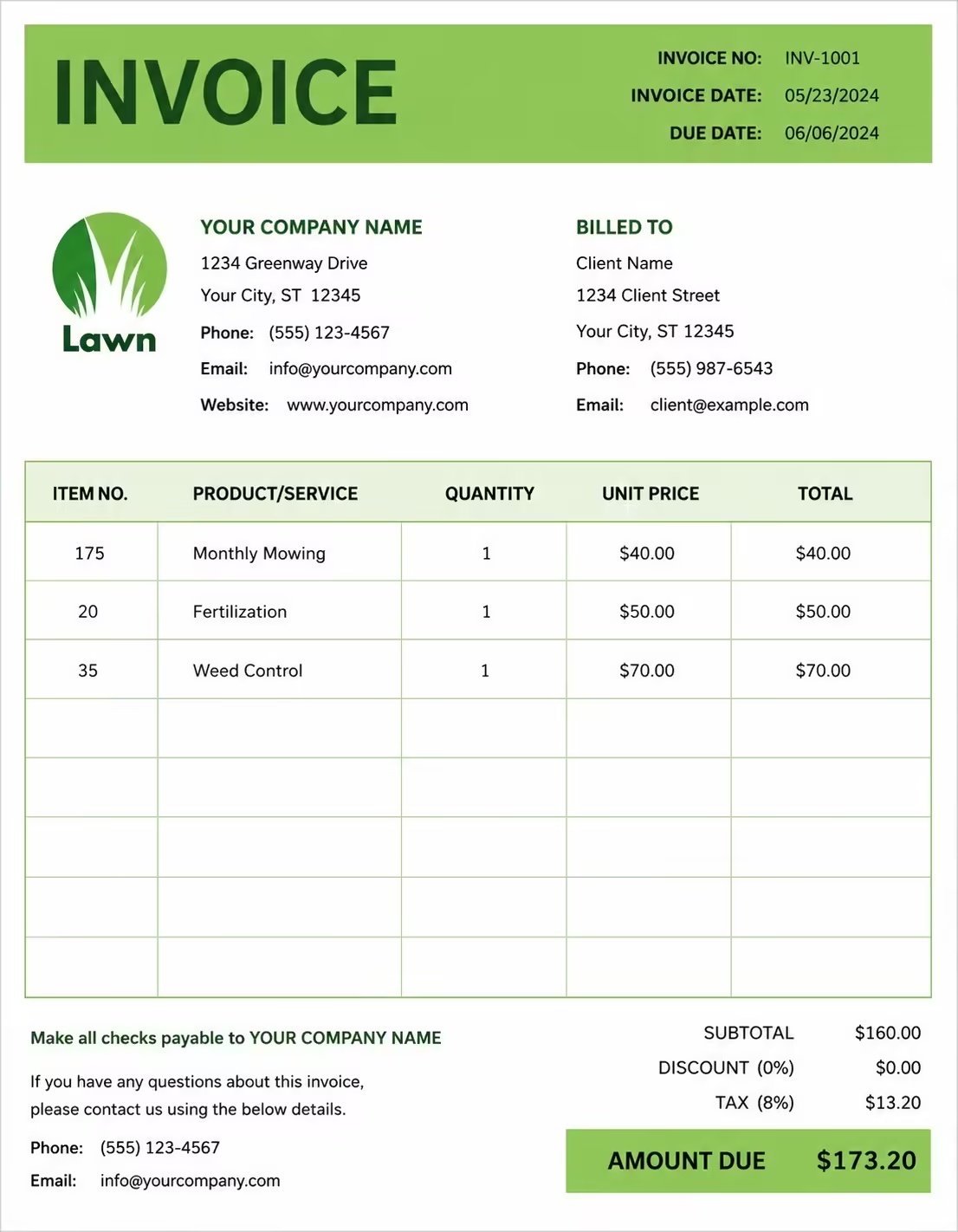
Free Restaurant Invoice Template
Free invoice templates for restaurants, cafes, diners, bistros, food trucks, catering teams, private dining businesses, takeaway shops, cloud kitchens, bakeries, bars, hotel restaurants, event food vendors, and food service companies. Download and edit in PDF, Word, Excel, Google Docs, or Google Sheets.
Use this restaurant invoice template to bill for food orders, catering packages, private events, delivery, service charges, menu items, beverages, deposits, discounts, taxes, gratuities, refunds, and customer balances in a clear professional format.
Download the app and manage invoices anywhere


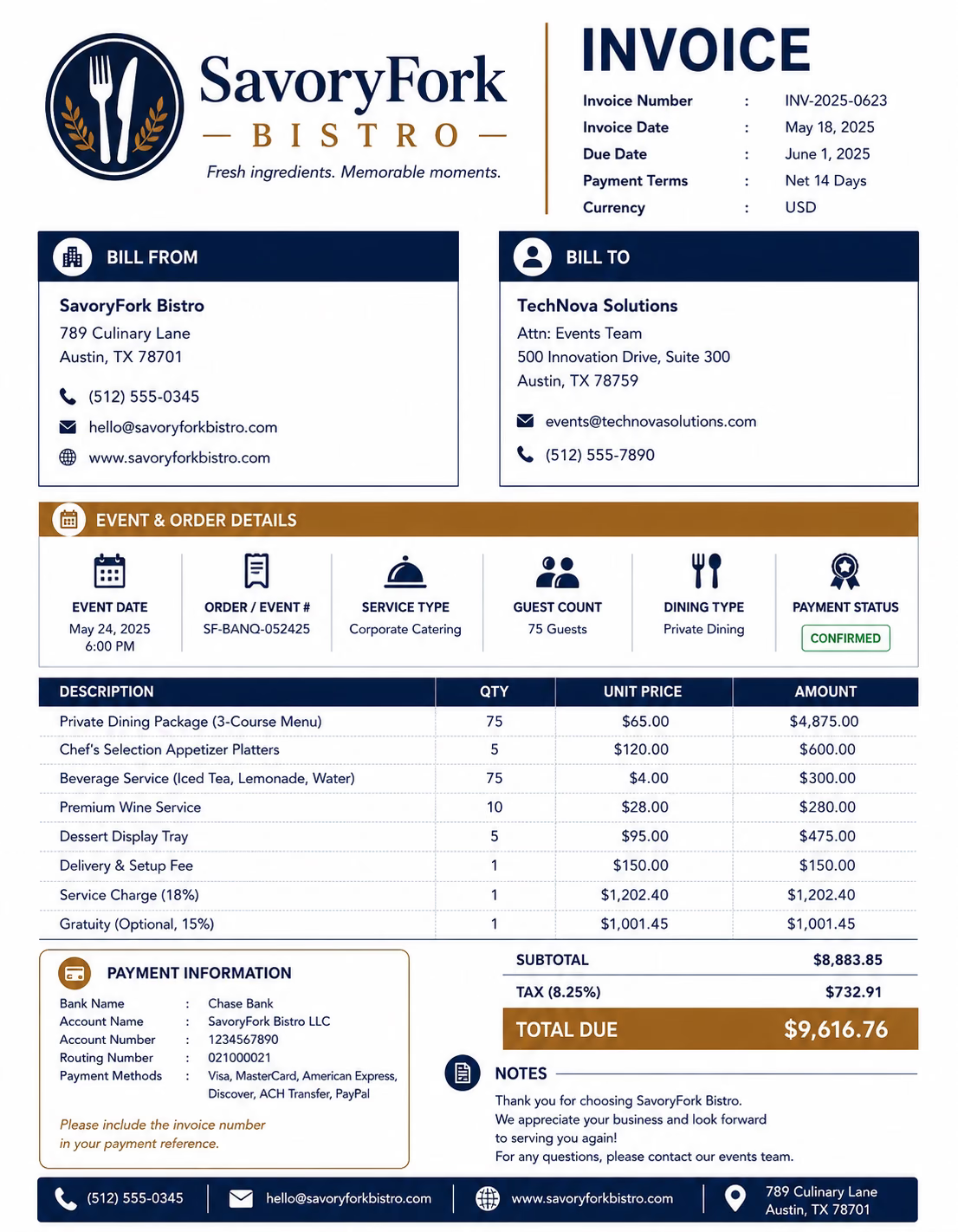
Download Free Restaurant Invoice Templates
Download a template, then edit it in PDF, Word, Excel, Google Docs, or Google Sheets. Print it, save it, or send it to guests, corporate clients, event organizers, catering customers, delivery partners, and accounts teams when a food order, event booking, catering job, or restaurant service is ready for billing.
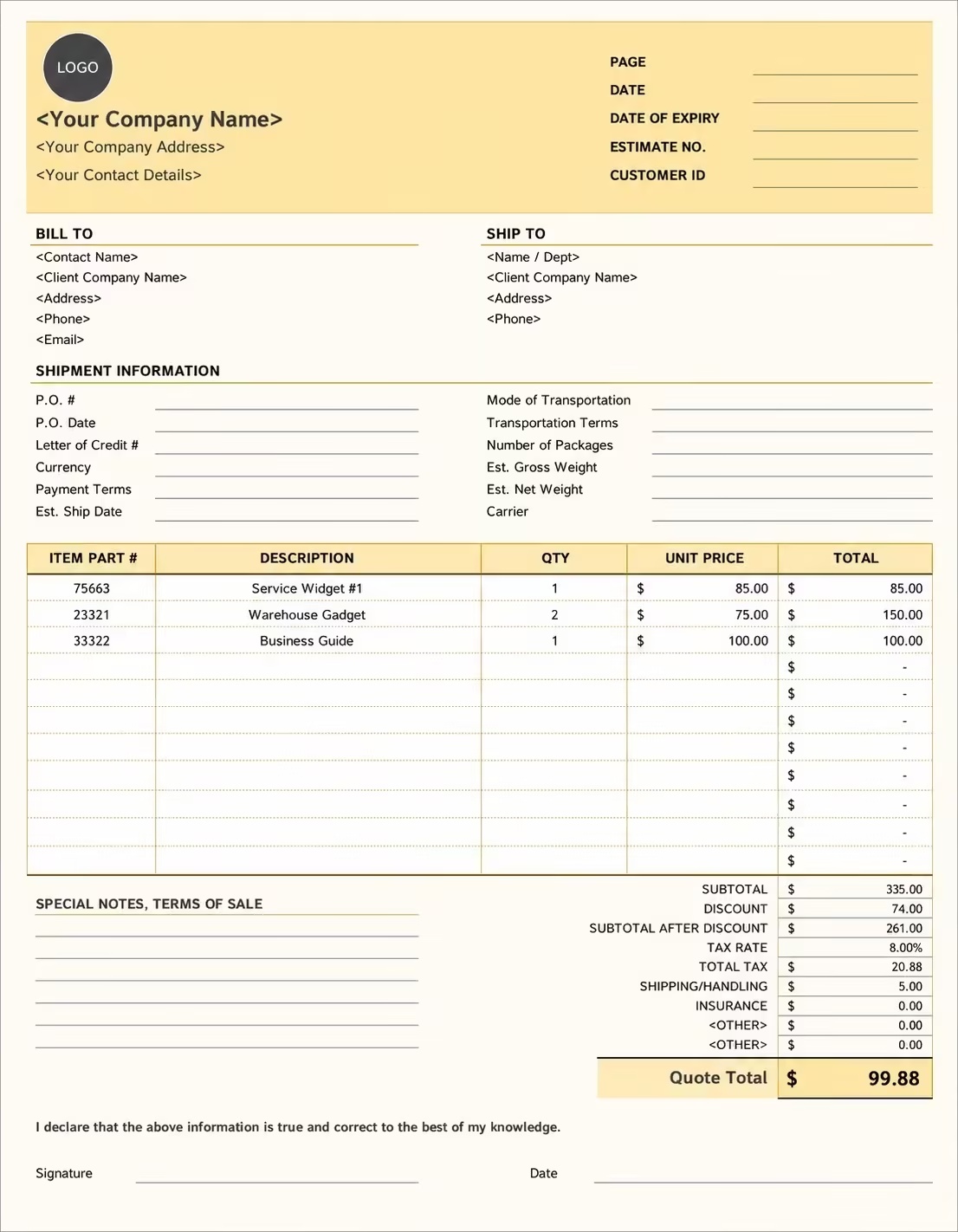
Editable Restaurant Invoice Template
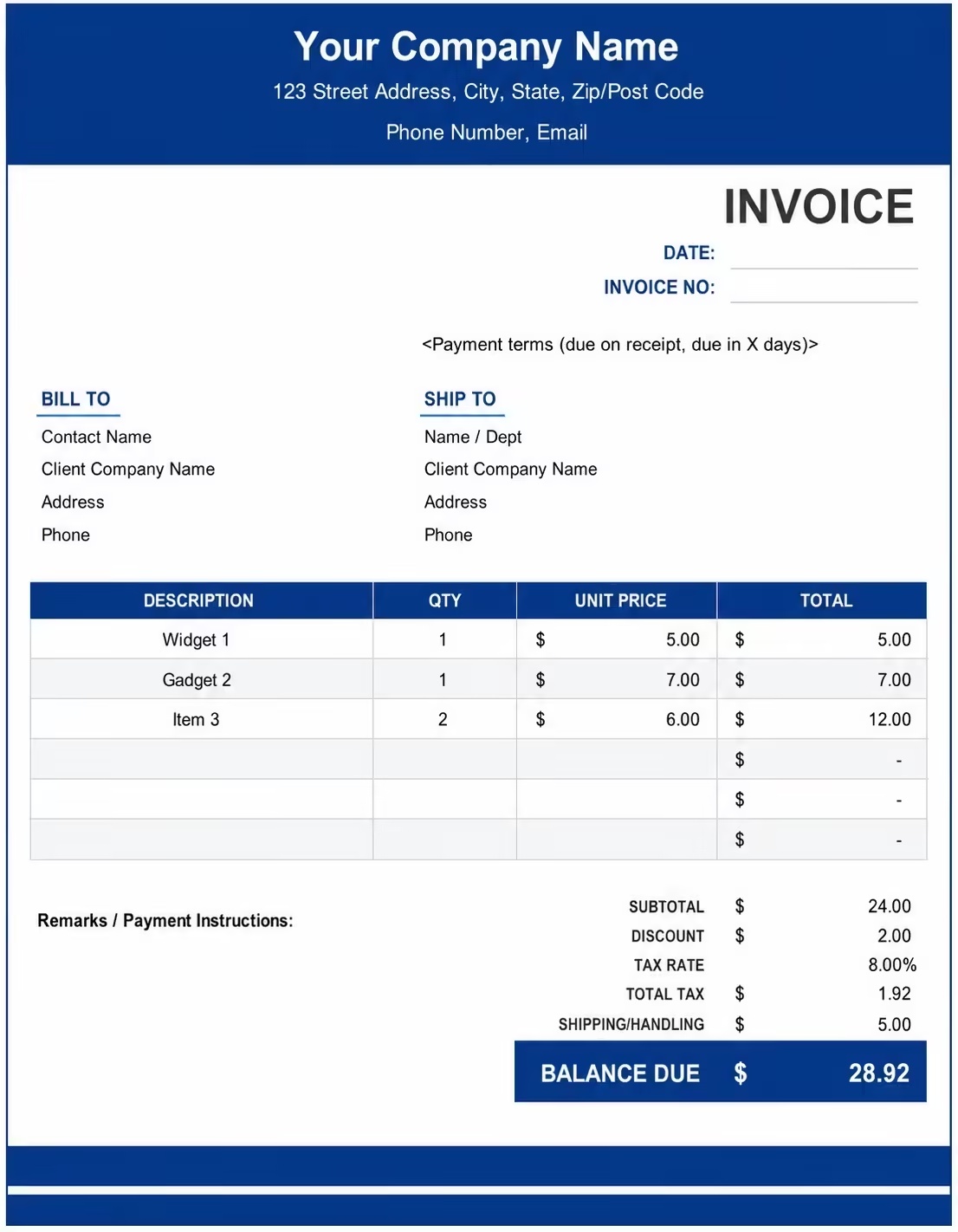
Printable Restaurant Invoice Template
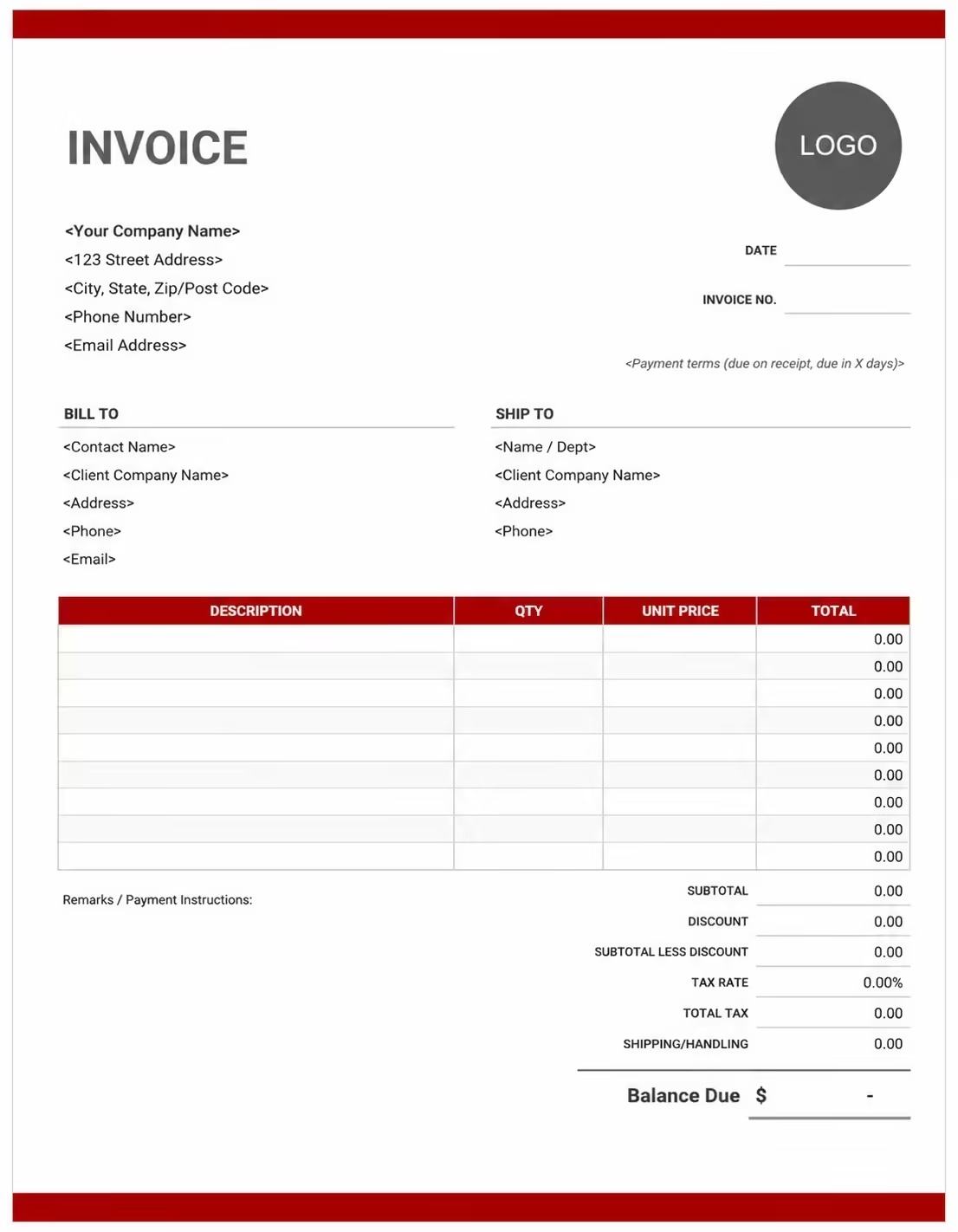
Free Restaurant Invoice Template
Use these templates for restaurant bills, catering invoices, private dining charges, event food packages, takeaway orders, delivery fees, banquet billing, room service charges, deposits, taxes, discounts, service fees, gratuities, and final customer balances.
How to Invoice for Restaurant Services
A restaurant invoice should clearly show who is being billed, what food or service was provided, when the order or event took place, how charges were calculated, and when payment is due.
Download Free TemplateIn 5 Steps:
- Confirm the customer, company, event organizer, table booking, order number, delivery address, event date, menu package, quantities, taxes, service charge, deposit, discount, and payment terms before preparing the invoice.
- Add your restaurant, cafe, catering business, or food service company details, including business name, address, email, phone number, tax details, website, and logo.
- Enter the client or guest billing details, invoice number, invoice date, due date, booking reference, purchase order, order number, event name, or catering contract reference if required.
- List each charge clearly, such as food items, meal packages, beverages, catering service, delivery, setup, staffing, equipment rental, corkage, gratuity, cleaning, or event service fees.
- Show quantities, unit prices, package rates, service charges, taxes, discounts, deposits paid, tips or gratuities, and the final balance due before sending the invoice as a PDF or printed bill.
With Invoize, restaurants and food service businesses can create invoices faster, save customer details, reuse menu line items, add taxes and discounts, track paid and unpaid invoices, and send professional PDF invoices without rebuilding each restaurant invoice from scratch.
What to Include in a Restaurant Invoice
A professional restaurant invoice should include the details needed to identify the restaurant, customer, order, booking, food services provided, charges, payment terms, and final balance due.
Invoice and Customer Details
- Invoice numberHelps track the restaurant order, catering job, event booking, payment status, refund, and future billing communication.
- Restaurant business detailsShows your restaurant name, cafe name, catering company, address, phone number, email, website, tax details, and logo.
- Customer or company detailsIncludes the guest name, company name, event organizer, billing contact, email, phone number, and billing address.
- Order, booking, or event referenceConnects the invoice to a table booking, takeaway order, delivery order, banquet, corporate lunch, catering event, or purchase order.
- Invoice date, due date, and service dateShows when the invoice was issued, when payment is due, and when the meal, delivery, or event service took place.
Restaurant Service Details
- Menu item or package descriptionExplains each food item, drink item, meal package, buffet package, catering menu, private dining package, or event service being billed.
- Quantity or guest countShows item quantities, number of meals, number of guests, trays, platters, tables, delivery orders, or service hours.
- Rates and unit pricesLists per-item prices, per-person package rates, hourly staff rates, delivery rates, setup fees, or fixed event package fees.
- Additional chargesSeparates service charges, delivery, setup, staffing, cleaning, equipment, corkage, rentals, packaging, or rush-order fees.
- Taxes, discounts, and gratuityShows applicable food tax, sales tax, VAT, discounts, coupons, service charges, tips, gratuities, or included fees.
Payment and Final Notes
- Subtotal, tax, and totalShows the restaurant charges before and after taxes, service charges, discounts, deposits, gratuities, and other adjustments.
- Deposits or prepaymentsRecords booking deposits, event retainers, advance payments, partial payments, or prepaid catering amounts.
- Balance dueShows the remaining amount the guest, company, or event client needs to pay.
- Payment termsClarifies due date, accepted payment methods, card or bank details, late payment terms, and invoice approval instructions.
- Special notesMentions menu changes, allergies, service notes, delivery notes, event timing, cancellation terms, or refund rules where needed.
Billing Scenarios for Restaurants and Food Service Businesses
Use clear restaurant invoice labels so guests, businesses, event organizers, and finance teams understand the food service provided, quantities, taxes, service charges, deposits, and final amount due.
| Scenario | Invoice line items | Best used for | How to describe it |
|---|---|---|---|
| Dine-in restaurant invoice | Table number, meal items, drinks, tax, service charge, tip | Restaurants billing guests for dine-in meals or group dining. | List menu items and service charges clearly so the guest can review the bill quickly. |
| Corporate lunch invoice | Company name, order date, meal packages, delivery, tax | Restaurants providing office lunches, meetings, or team meals. | Include the company billing contact, order reference, and delivery address if applicable. |
| Catering event invoice | Event date, guest count, menu package, staffing, setup, deposit | Restaurants and caterers billing weddings, parties, and corporate events. | Show guest count, package rate, event service charges, and remaining balance. |
| Takeaway order invoice | Order number, food items, packaging, discount, tax | Restaurants billing pickup or takeaway customers. | Include order number and separate packaging or special handling fees if charged. |
| Delivery invoice | Delivery address, food order, delivery fee, tax, tip | Restaurants billing direct delivery orders or business deliveries. | Separate delivery charges from food items for clarity. |
| Private dining invoice | Room fee, menu package, beverage package, service charge, deposit | Restaurants billing private rooms and reserved dining experiences. | Mention the reservation date, room, guest count, and agreed package. |
| Banquet invoice | Banquet package, guest count, equipment, staff, gratuity, tax | Hotels, restaurants, and event venues billing banquet services. | Break down food, beverages, service staff, rentals, and taxes. |
| Food truck invoice | Event location, service hours, menu items, travel, minimum spend | Food trucks billing festivals, parties, offices, or private events. | Show service time, location, travel fees, and event minimums. |
| Wholesale food order invoice | Bulk food items, quantities, unit prices, delivery, tax | Restaurants or kitchens selling bulk prepared food to businesses. | Use product quantities and delivery terms to keep order billing clear. |
| Room service invoice | Room number, guest name, meal items, service charge, tax | Hotel restaurants billing room service or guest account charges. | Include room number, guest name, and service date for hotel accounting. |
Create Invoice Now
☝️ Create a professional invoice in seconds.
Common Charges and Fees for Restaurant Invoices
Restaurant invoices often include menu items, meal packages, drinks, catering fees, service charges, delivery fees, setup fees, staffing, deposits, taxes, gratuities, discounts, and late payment charges.
| Charge or service | Unit | When to use | How to show it |
|---|---|---|---|
| Food item charge | Individual meals, appetizers, desserts, sides, or menu items ordered by the customer. | Use for dine-in, takeaway, delivery, and event food orders. | Dinner entrees and side items |
| Beverage charge | Soft drinks, coffee, tea, bottled water, mocktails, or other beverage items. | Use when drinks are billed separately from meals or packages. | Beverage package and drinks |
| Catering package fee | Set menu pricing for events, parties, corporate lunches, or private dining. | Use for per-person, buffet, banquet, or fixed catering packages. | Corporate catering package for 40 guests |
| Delivery fee | Transporting prepared food, catering trays, or restaurant orders to the customer location. | Use for delivery orders, office lunches, and event catering. | Delivery fee to event venue |
| Setup fee | Preparing food stations, buffet tables, service areas, or event dining arrangements. | Use for catering events, banquets, and private dining setups. | Event setup and buffet preparation |
| Staffing fee | Servers, chefs, bartenders, attendants, or event staff provided by the restaurant. | Use when staff are billed separately for events or off-site catering. | Service staff for private event |
| Service charge | Restaurant service fee, event service fee, or administrative service percentage. | Use when service charge is part of the restaurant or event agreement. | Restaurant service charge |
| Gratuity | Tip or gratuity added to a bill, private dining invoice, or catering invoice. | Use when gratuity is agreed, automatic, or requested by the customer. | Event gratuity |
| Packaging fee | Boxes, bags, trays, disposable cutlery, labels, or takeaway packaging. | Use for takeaway, delivery, and catering orders. | Catering packaging and trays |
| Equipment rental fee | Chafing dishes, warmers, tables, linens, glassware, or serving equipment. | Use when restaurant or catering equipment is rented for an event. | Serving equipment rental |
| Deposit | Advance payment collected to hold a booking, event date, or catering order. | Use for private dining, banquets, weddings, and large catering jobs. | Event booking deposit |
| Cancellation fee | Charge for late cancellation, no-show, or canceled event costs. | Use when allowed by the booking or catering agreement. | Late cancellation fee |
| Tax or VAT | Applicable food tax, sales tax, VAT, or local restaurant tax. | Use when taxes must be collected on food, services, or delivery. | Sales tax / VAT |
| Late payment fee | Fee charged when a customer or company pays after the due date. | Use for corporate accounts, event clients, or catering invoices with payment terms. | Late payment fee |
Common Restaurant Invoicing Mistakes
Restaurant invoices are easier to approve when menu items, guest counts, service charges, taxes, deposits, delivery fees, and payment terms are clearly listed.
| Mistake | Why it causes problems | How to fix it |
|---|---|---|
| Not listing the order or event reference | Customers and finance teams may not know which meal, delivery, or event the invoice covers. | Add the order number, booking reference, event name, or reservation details. |
| Using vague food descriptions | A line item like food service can create confusion or disputes. | List menu items, packages, guest counts, or catering services clearly. |
| Forgetting guest count | Catering and private dining totals are hard to verify without the number of guests. | Include guest count, per-person rate, and package details. |
| Mixing delivery with food charges | Customers may not understand why the total is higher than menu pricing. | Separate food items, delivery fees, packaging, setup, and service charges. |
| Leaving out deposits | Clients may think the invoice total ignores payments already made. | Show deposits, retainers, and prepayments before the balance due. |
| Missing taxes or service charges | Incorrect tax or service charge calculations can delay payment. | Add tax, VAT, service charge, and gratuity as separate clear lines. |
| Not stating payment terms | Corporate clients may delay payment if the due date is unclear. | Add due date, accepted payment methods, and late payment terms. |
| Forgetting delivery or venue details | Catering clients may need proof of where the service was delivered. | Include delivery address, venue name, room number, or event location. |
| Not separating optional add-ons | Extra services can look like unexplained charges. | List rentals, staffing, cleaning, corkage, packaging, and add-ons separately. |
| Sending invoices without final review | Wrong quantities, totals, or customer details can reduce trust. | Check invoice numbers, prices, totals, taxes, and customer details before sending. |
More Invoice Templates You May Like
Explore closely related invoice templates for restaurant work, similar services, and nearby billing scenarios before choosing the best format for your customer.
Questions
Frequently Asked Questions
What is a restaurant invoice?
A restaurant invoice is a billing document used by restaurants, cafes, catering businesses, food trucks, and food service providers to charge customers for meals, catering, delivery, private dining, events, taxes, service fees, and final balances.
What should a restaurant invoice include?
A restaurant invoice should include restaurant details, customer details, invoice number, invoice date, due date, order or booking reference, food items, quantities, rates, service charges, taxes, deposits, payments received, and the final amount due.
Can I use this template for catering invoices?
Yes. You can use it for catering packages, guest counts, delivery, setup, staffing, equipment, service charges, deposits, taxes, gratuities, and final event balances.
Can I use this template for dine-in restaurant bills?
Yes. Add table details, menu items, drinks, service charge, taxes, discounts, tips, and payment information to create a clean dine-in restaurant invoice or bill.
Should delivery fees be listed separately?
Yes. Listing delivery fees separately helps customers understand the difference between food charges, delivery costs, packaging, service fees, taxes, and the final total.
Can restaurants add service charges or gratuity?
Yes. Add service charges or gratuity when they are part of your pricing, event agreement, or local rules. Show them as separate line items so the customer can review them easily.
How do I invoice for private dining?
Include the reservation date, room or event space, guest count, menu package, beverage package, service charge, deposit paid, tax, and remaining balance due.
Can I add taxes or VAT to a restaurant invoice?
Yes. Add food tax, sales tax, VAT, or local restaurant tax where applicable. Keep the tax amount separate from the food and service subtotal.
What payment terms are common for restaurant invoices?
For dine-in bills, payment is often due immediately. For catering, events, and corporate accounts, common terms include due on receipt, Net 7, Net 15, or payment before the event date.
Can food trucks use this restaurant invoice template?
Yes. Food trucks can use this template for event bookings, service hours, menu packages, travel fees, minimum spend, taxes, deposits, and event client balances.